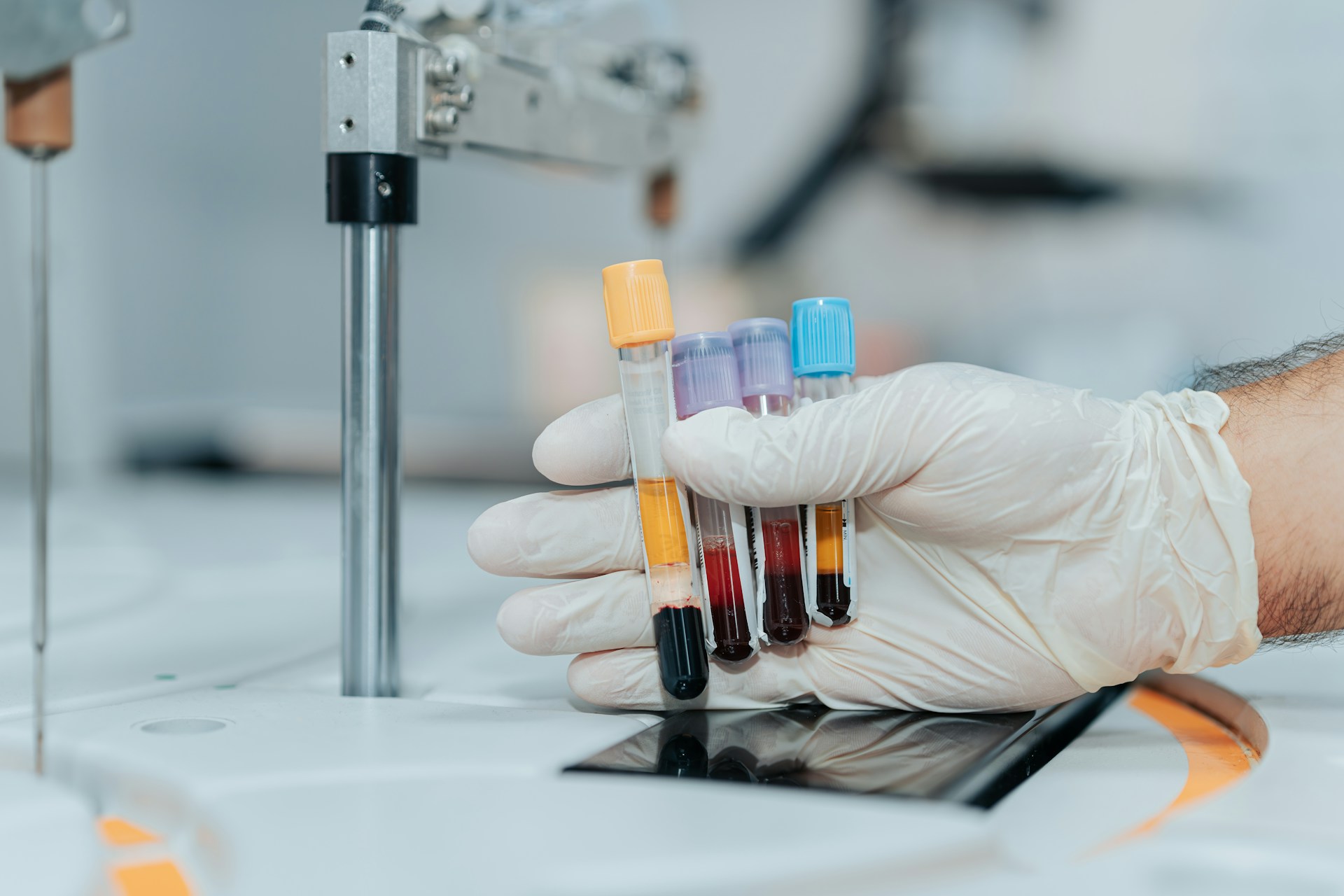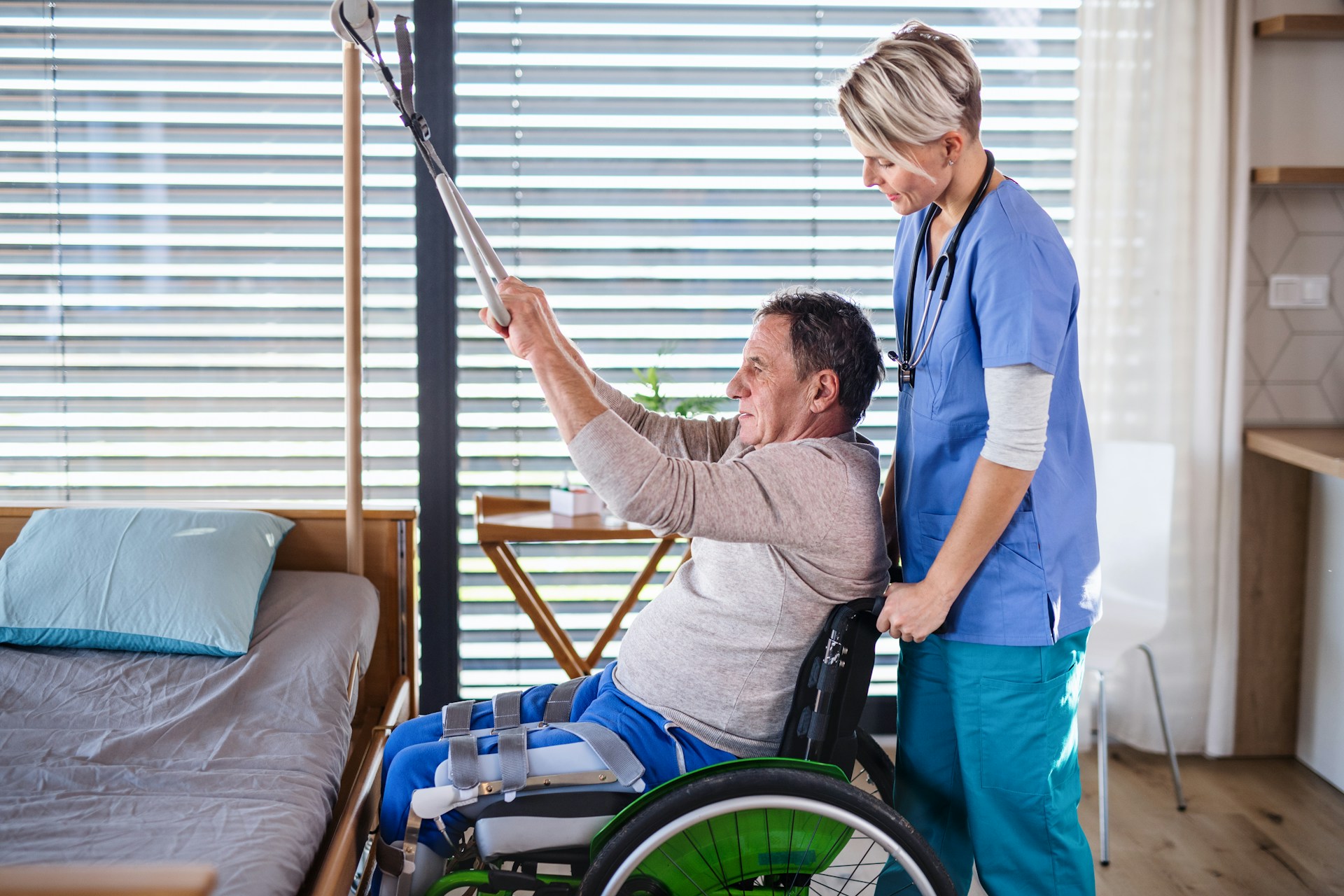
HIPAA rules apply no matter where care happens. From front desk chatter to quick hallway chats to bedside visits, protecting patient information must always come first. Phlebotomists work in spaces that are not always private, which makes staying HIPAA-compliant a constant focus. In busy settings like Roswell, GA, it can be easy to let small things slide, but doing so puts everyone at risk.
Good habits and awareness are important for keeping patient data safe. Frontline workers in healthcare may not always see themselves as part of risk management, but following privacy rules closely helps reduce mistakes and build trust. Here are some practical ways to keep privacy top-of-mind throughout the workday. HIPAA compliance is a daily responsibility, so it is important for phlebotomists and all healthcare team members to remain aware of their surroundings and communication habits.
Keeping It Quiet at the Front Desk
Front desks are open spaces where voices carry and papers can be easy to glance at. That is why we have to handle patient details with extra care, not just for the patient’s sake but to protect the organization’s reputation and avoid violations.
• Avoid saying names, birthdays, or test details out loud where others might hear.
• Limit conversations to only what is necessary to get started or checked in.
• Turn screens away from waiting areas so no one glimpses lab orders or appointment info.
• Keep paper logs and sign-in sheets covered. Use line-by-line check-in when possible.
• Confirm information quietly or write it down to show if needed.
Even when people seem focused on their phone or TV, they hear more than we think. Because the front desk is often the busiest area of any clinic or care facility, distractions are everywhere. It is helpful to develop the habit of scanning the reception area regularly to see whether paperwork is secure, screens are angled correctly, and private conversations are minimized.
Smart Privacy Moves in the Hallway
Hallways can be tricky, especially when moving between rooms or shifting stations. It is easy to talk without thinking, which means private details might be shared without realizing it.
• Keep hallway conversations short and quiet when you need to check something with a nurse or hand off a request.
• If a patient stops you in the hallway, do not answer personal or medical questions until you are in a private space.
• Use body language, like a gentle wave or nod, to signal coworkers when talking is not ideal.
• Walk with purpose. Moving quickly through shared spaces reduces chances for chit-chat.
Privacy is built on small actions and respect for both patients and coworkers who are tasked with keeping things secure. While moving through the hallway, be aware of who is close by. Sometimes, even a nearby visitor or another patient can overhear sensitive facts. By making simple adjustments, such as lowering your voice or pausing a conversation until you are behind closed doors, you can avoid unnecessary breaches.
Handling Bedside Draws With Respect
Drawing blood at the bedside demands a calm, focused approach. This is personal space, often shared with visitors or other patients. Tone, body position, and language matter.
• Start by quietly asking if it is okay to confirm patient details before beginning.
• Check wristbands or orders where only the care team can see, not in plain view of everyone.
• Lower your voice when confirming medications or discussing past tests.
• If the room is busy or feels exposed, ask if the patient would prefer to wait or move to another space.
Small cues, like pulling the curtain or speaking softly, show patients that their privacy is a priority, even during routine care. Paying attention to these details allows patients to feel respected and comfortable throughout the draw. If a visitor is present or another patient is nearby, phrase identity or procedure confirmations in a way that does not contain specific details, demonstrating both care and professionalism.
Common Slip-Ups and How to Avoid Them
Mistakes often happen when we are rushed or distracted. A few small oversights can lead to bigger issues, so taking a deliberate approach every time helps avoid problems.
• Scribbled labels or wrong patient info can cause mix-ups. Always slow down when writing, even under pressure.
• Never leave labeled tubes, folders, or printed results unattended, even for a minute.
• If you step away from your computer, always lock the screen.
• Throw used forms and labels in the shred bin, not the trash.
• Keep clipboards facedown and covered if you carry them into shared spaces.
Working quickly is important, but patient safety means slowing down enough to double-check. Even during hectic shifts, take an extra moment to review details like patient initials, birth dates, and test labels before moving on. Double-checking that no papers or labels are left out helps keep information secure throughout the workday.
Privacy as a Part of Team Culture
Rules alone do not create privacy, a strong team culture does. When everyone values HIPAA, these practices become second nature.
• Speak up if someone forgot to cover a form or log out of a screen.
• If a new employee looks unsure, gently remind them or offer to help.
• Check in during shift changes to make sure sensitive info is not left out.
• Celebrate small wins, like clean workstations and smooth patient check-ins.
• Normalize privacy questions; it is always better to ask than guess.
Trust grows when everyone prioritizes the details that matter. Supervisors and team leads can make privacy an everyday conversation topic, offering quick reminders during meetings or casual check-ins. By affirming these positive habits, staff at every level feel empowered to ask questions or point out potential lapses and offer helpful corrections when needed.
Trusted Safeguards at Every Step
We bring decades of experience to healthcare organizations throughout the Atlanta metro area, including Roswell, GA. Our operational consulting services help senior living and rehabilitation facilities strengthen privacy and safeguard compliance through policy development, on-site training, and workflow reviews. We have trained countless phlebotomists and allied health staff across Georgia to build good habits with real-world practice scenarios, which address privacy risks like those in shared spaces.
HIPAA rules may seem like a long list, but they all support the same goal: protect personal information as if it were your own. Every quiet voice, covered paper, and locked screen builds trust with patients and colleagues. With extra thought throughout the day, phlebotomists help set the tone for respect, safety, and stronger care. In Roswell, GA, where healthcare teams work with people from all walks of life, that kind of attention makes a difference.
At DuMonde Management & Consulting, we know how much small actions shape safer care spaces. Staying alert to privacy slips is part of how we support better systems every day. For healthcare groups in Roswell, GA, this kind of awareness often plays a quiet but important role in reducing risks. When your organization needs more guidance on HIPAA procedures or improving daily safeguards, our risk management services are built to support your staff where it matters most. Call us today to get started.