
LATEST BLOG
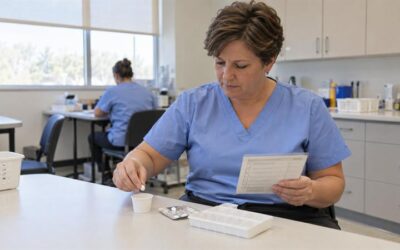
Certified Medication Aide Training in Georgia: What to Expect and How to Prepare
Certified Medication Aide training in Georgia is a next step, not a starting point. It builds on existing care knowledge and asks you to work with more precision, consistency, and attention to detail.
Before enrolling, check your prerequisites, CNA status when required, and program structure. Expect classroom instruction, medication safety concepts, skills practice, checklists, and competency based evaluation. Many training problems start before class begins, so plan your schedule, documents, and review time early.
CMA work is tied to approved care settings, so know where the role is recognized before choosing a path. At Dumonde Training Center, we help you match your readiness to a training plan that fits your healthcare goal. Read the full post to learn more.

How to Choose a CNA Training Program in Georgia: A Practical Checklist for Students
Tuition and course length alone do not show whether a CNA program is approved or fits your schedule. Check the full commitment before you pay.
Verify Georgia Department of Community Health approval. Match the program name and location. Then separate course completion from competency testing and registry steps. A class end date is not a certification date.
Compare classroom days, lab practice, clinical times, and total costs. Ask what is included, what extras apply, and how instructors observe and correct skills.
Read our CNA program checklist for more details.
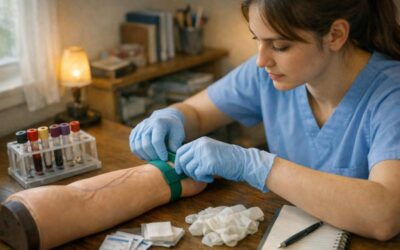
Phlebotomy Practice Kit: What You Need to Train at Home Safely
A phlebotomy practice kit helps you build technique at home without practicing on real people. The key is using it in a structured way. Unstructured practice can reinforce habits that are harder to correct later in supervised training.
A good kit should include a simulation arm, tourniquet, collection tubes, holders, gloves, and prep supplies. Focus on setup, positioning, and sequencing. Many early mistakes come from tourniquet placement and preparation, not just needle use.
At-home practice builds familiarity but does not replace supervised clinical training. Simulation cannot replicate patient interaction or real-time adjustments. If your practice is not improving your confidence, structured training is usually the next step.
Read the full article on our blog.
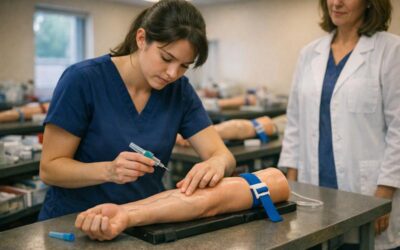
Can You Pass Phlebotomy Training If You’re Afraid of Needles?
Fear of needles is common among phlebotomy students. It does not have to prevent success.
Students who continue practicing through discomfort and rely on instructor guidance often build confidence over time. Structured training that introduces hands-on skills gradually helps reduce anxiety. Avoiding practice is what stalls progress.
The training environment and skill progression matter. If you are considering phlebotomy but feel hesitant about needles, a program with clear structure and support can make the difference.
Read the full article to learn more.
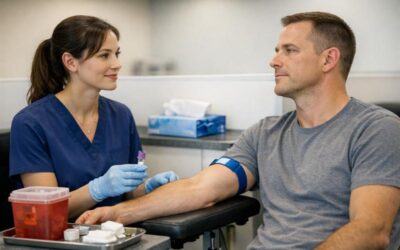
Soft Skills That Make a Great Phlebotomist (And How to Build Them Fast)
Phlebotomy soft skills affect how smoothly a blood draw goes. Patient interaction before, during, and after the procedure can reduce tension and make the process more consistent.
The key soft skills include communication, empathy, attention to detail, professionalism, and adaptability. These help patients stay calm and follow instructions, which lowers the chance of repeat attempts.
Building these skills requires structured practice and feedback. Our training program teaches patient interaction alongside technique so students are ready for real clinical situations.
Read the full article for more detail.
How Long Is Phlebotomy Training? A Step-by-Step Timeline to Your First Job
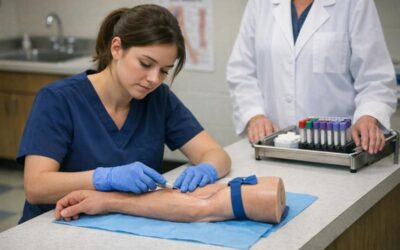
Phlebotomy training timelines vary, but the real question is how soon you are job-ready. Training alone is only part of the process.
The blog covers the full timeline from enrollment to hiring. Classroom hours range from 80 to 200, but clock hours do not always reflect preparedness. Hands-on practice plays a major role in building confidence for interviews and entry-level work.
If you are choosing a program, structure matters as much as speed. A short program without enough repetition may lead to delays later.
Read the full article to understand the steps and plan your path without unnecessary delays.
Phlebotomy vs Medical Assistant: Which Path Should You Choose First?
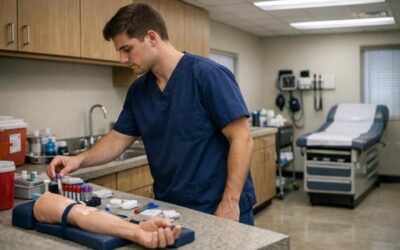
Choosing between phlebotomy and medical assisting is not about which role is better. It is about selecting the right starting point based on your timeline and training goals. Phlebotomy provides a faster path into the workforce, while medical assisting offers broader role flexibility.
Phlebotomy training focuses on one core clinical skill set. This allows students to build repetition, accuracy, and patient interaction skills in a shorter timeframe. Medical assistant training covers both clinical procedures and administrative responsibilities, which requires a longer training period and stronger task management.
Many students start with phlebotomy to enter the field, then expand into medical assisting. This step-by-step approach supports skill development, certification stacking, and long-term career flexibility without delaying workforce entry.
Read the full guide to compare training paths and choose your next step.
How to Choose the Right Phlebotomy Program in Georgia (Checklist Guide)
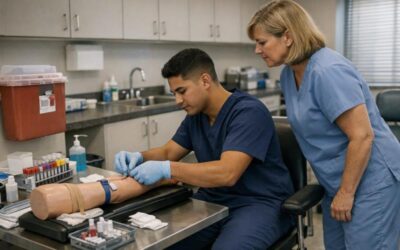
Choosing a phlebotomy program in Georgia should focus on clinical readiness, not just certification eligibility. Many programs appear similar, but differences in hands-on training and real patient preparation often become clear after completion.
Employers expect consistent blood draw technique, clear patient communication, and the ability to perform in clinical settings. These skills come from repeated, supervised practice. Programs with limited hands-on training may leave graduates less confident during early employment, even if they pass certification exams.
When comparing programs, review key factors: certification alignment, hands-on training volume, externship opportunities, and instructor clinical experience. Shorter or lower-cost programs may reduce practice time, which can affect performance and consistency on the job.
At DuMonde Training Center, we focus on repetition, real scenarios, and clinical expectations to support workplace readiness.
Read the full guide to compare programs and make an informed decision.
10 Mistakes New Phlebotomy Students Make Before Their First Lab
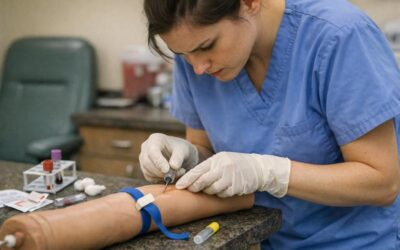
Most early phlebotomy mistakes begin before the first lab. The issue is not lack of study. It is the gap between memorizing steps and performing them under pressure.
Students often rely too heavily on memorization and delay hands-on preparation. This can lead to hesitation, poor hand positioning, and inconsistent needle control. Infection control is another common gap when treated as a checklist instead of a routine, which can interrupt flow during lab practice.
Communication and preparation also affect performance. Unclear patient instructions can increase tension during procedures. Limited familiarity with equipment or setup can slow execution and reduce confidence. Repetition and early practice help improve coordination, timing, and consistency.
Read the full article to understand how to prepare effectively before your first lab.