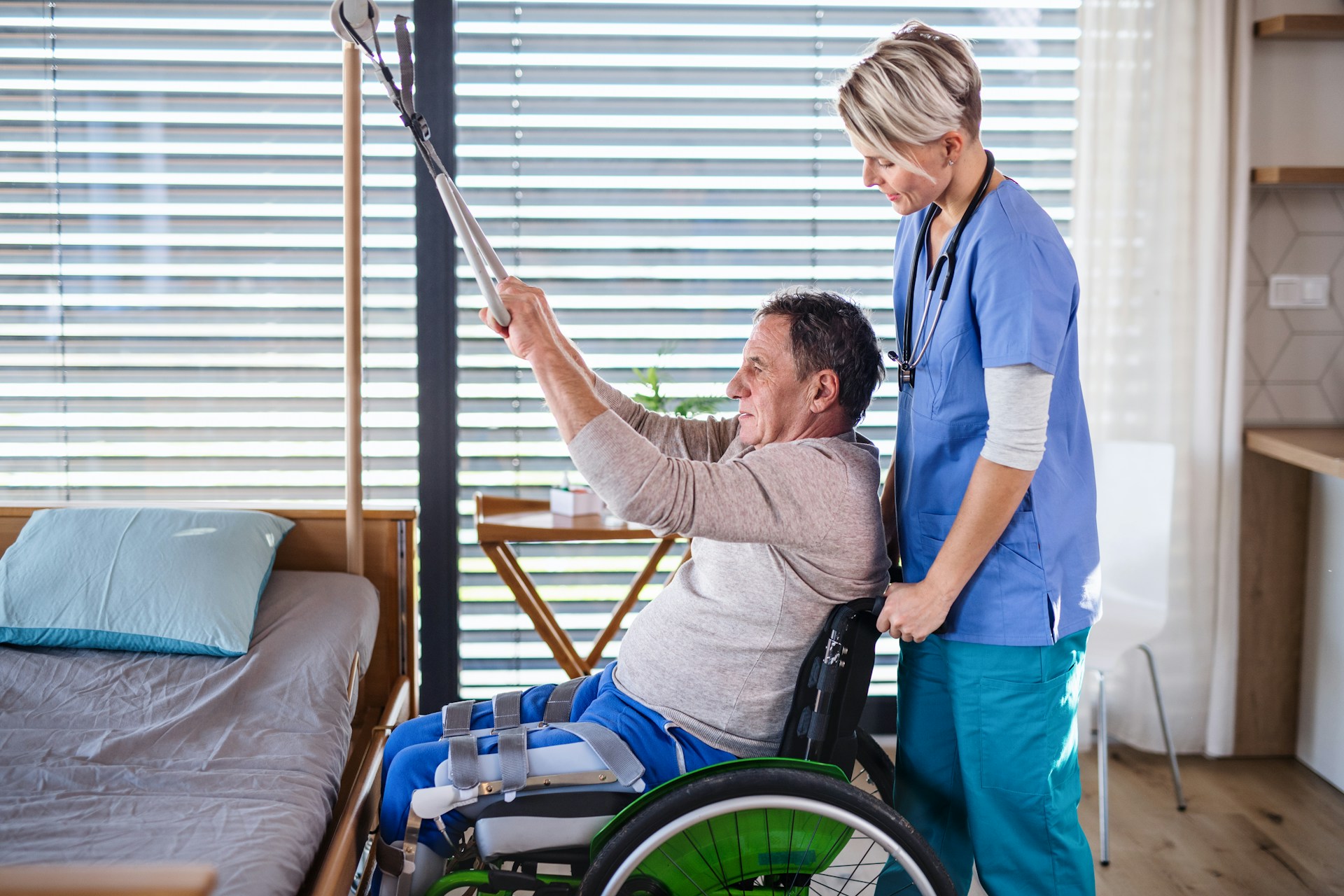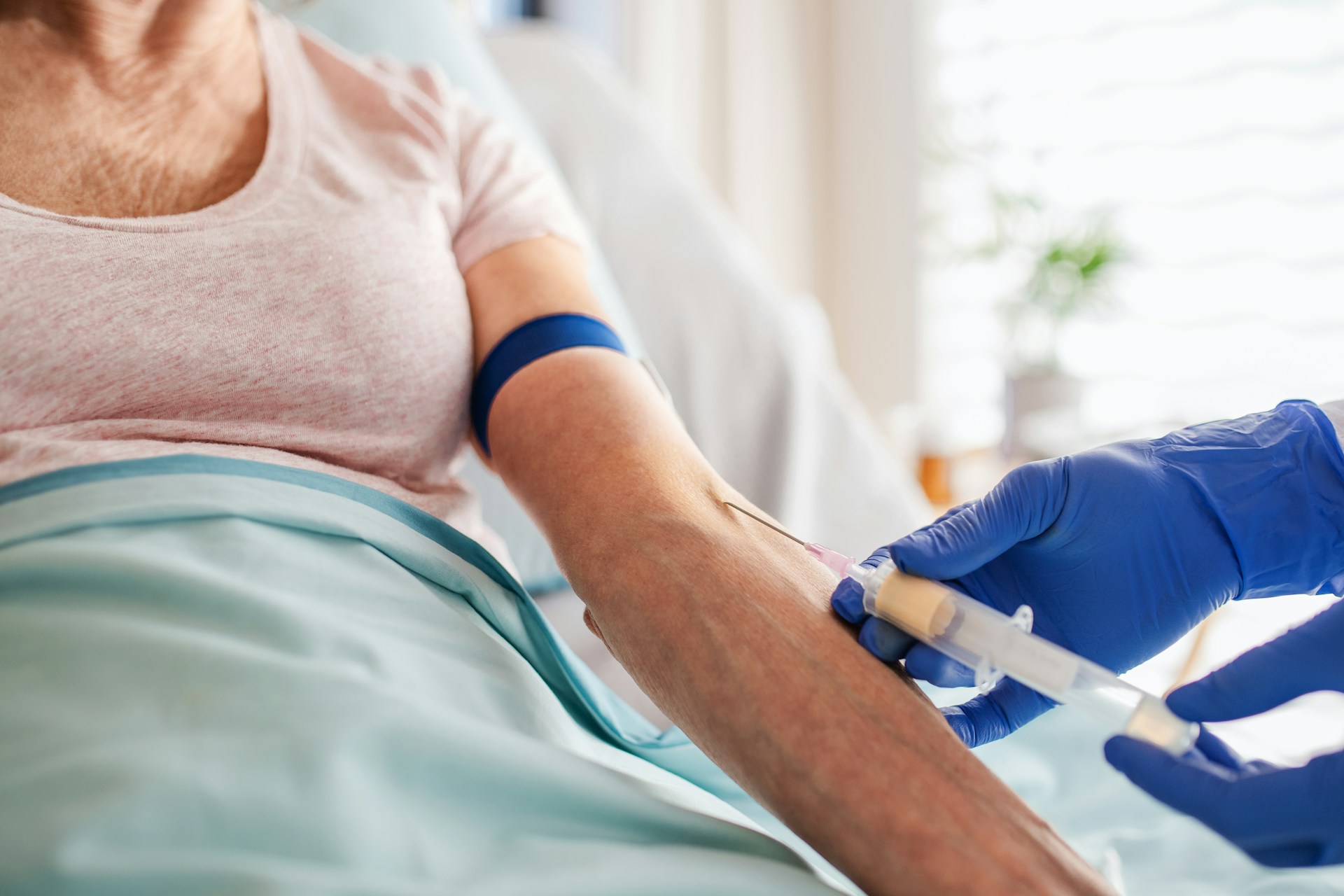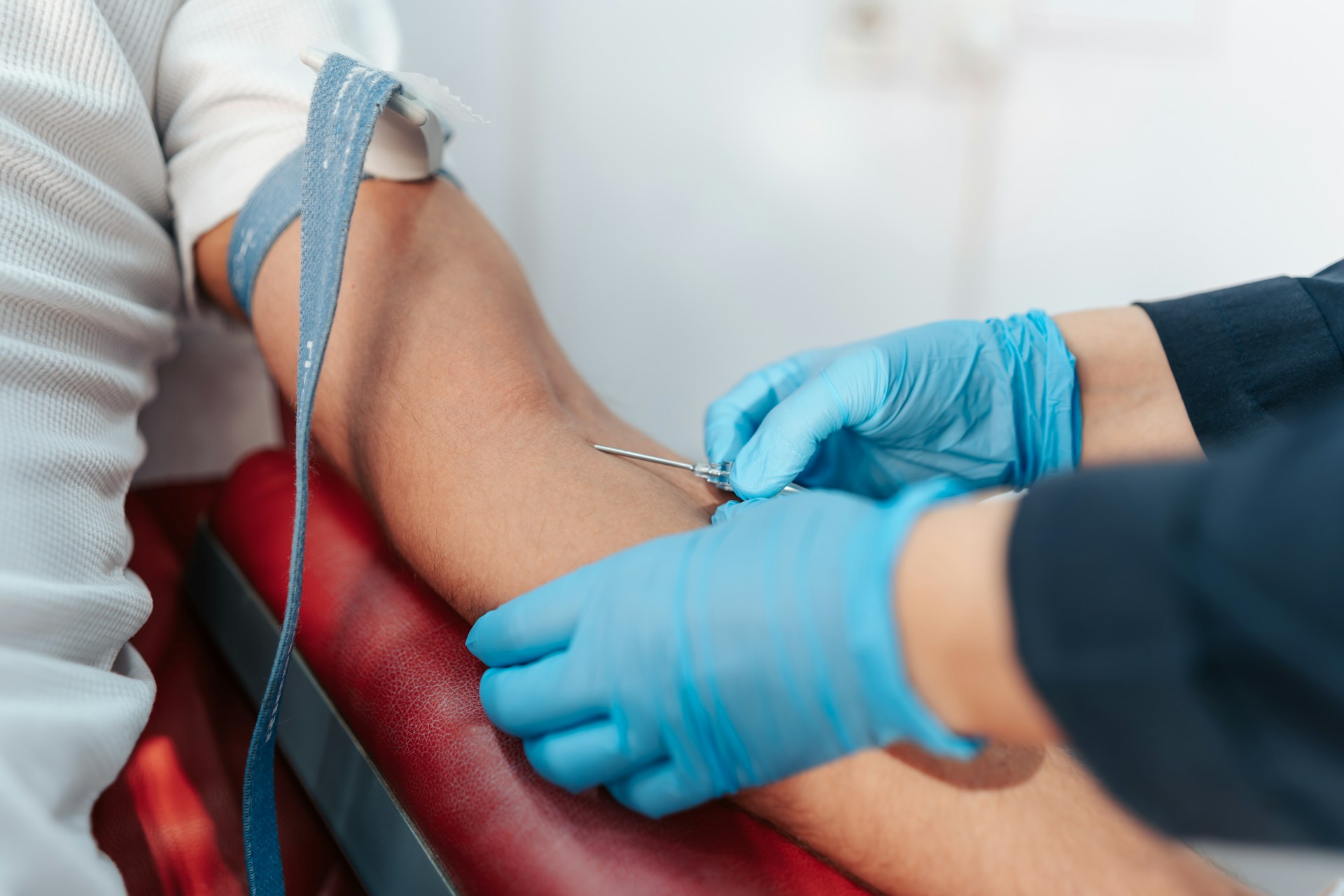
Phlebotomy documentation is more than just filling out a form or making a few notes. When done well, it becomes a key part of patient care. It protects both the person getting their blood drawn and the one doing the draw. Whether we are working a steady schedule in Roswell, GA, or covering busy shifts elsewhere, charting clearly shows what happened, when it happened, and what the outcome was. Good documentation helps keep recordkeeping honest and makes the tough days a little smoother. It is one piece of smart procedure development that often gets overlooked but makes a major impact.
Phlebotomy charting has a direct effect on patient safety and the quality of care delivered in any healthcare environment. Completing records thoroughly protects staff, patients, and the reputation of the care facility. When records are complete and accurate, they support every step of continued care and future procedures. In Roswell, GA, where many senior care centers and rehabilitation programs run on tight schedules, having efficient documentation habits reduces stress and improves outcomes.
Why Accurate Documentation Matters
We all get busy, and it can be tempting to scribble down a quick note and move on. But that habit can lead to problems later if something goes wrong or someone has questions.
• Detailed notes make it easier to double-check which test kits or tubes were used.
• A clear time log helps confirm when the draw started and ended.
• Notes protect us if there is ever a complaint or report about pain, bruising, or confusion.
• Good documentation helps the next shift know what was done and what to expect.
Effective documentation ensures that every step of phlebotomy is clear and reproducible. Without proper notes, it may be difficult to explain why certain decisions were made or to investigate any complications that arise. It is about communication, not just compliance. Accurate notes build trust among care team members and help clean up the small messes before they grow into bigger issues.
What Every Phlebotomy Record Should Include
There is a basic checklist that every phlebotomy record should cover. Skipping one could mean missing a key detail that is needed later.
• Exact time and date of the blood draw
• The type of test or specimen collected
• How the sample was labeled, barcode, initials, or other coding
• Full name and any identifying details of the patient
• Notes about how the patient felt or reacted—were they sleepy, confused, resistant, or calm?
Including each item in every chart keeps things standardized and helps ensure nothing important is missed. It may feel repetitive when we draw from the same patient often, but having those facts written each time builds a strong record. In settings where care may pass between many different staff, such as senior care or rehabilitation, this consistency allows for safer handoffs and fewer misunderstandings between shifts.
It is a good idea to review the chart before leaving the area where the draw occurred. Making sure our writing is clear, concise, and easy to read means the information will be useful to others. Sometimes a rushed note leads to confusion later about what exactly was done. Taking a minute to check our work and clarify any points goes a long way toward making records more reliable.
Charting Special Situations the Right Way
Not all blood draws go as planned. When something unusual happens, that is when careful notes really matter.
• If we needed to do a second stick, mention it and why.
• If the patient pulled their arm back or refused, document what was said and what was done next.
• If there was a reaction like fast heart rate, dizziness, or a bruise, write it down along with any steps taken afterward.
It is important that our chart helps others understand exactly what happened, even if they were not there to see it. We are not writing novels here, just giving enough detail so someone else could understand the situation without being there. Try to describe what measures were taken to resolve issues or what support was offered to the patient. At the same time, never leave gaps if we think the draw did not go quite right. The more we write in the moment, the fewer problems we face in the future.
Special situations, such as a patient refusing a draw or experiencing discomfort, should always be charted factually and promptly. This helps protect both the provider and the patient, keeping everyone accountable while strengthening the overall care plan.
Avoiding Common Charting Mistakes
We have all seen rushed, messy notes or dried-out pens that finally start working halfway through a sentence. These small mistakes can pile up fast.
• Leaving out details that seemed small at the time but later become important
• Writing too little so that a record feels vague, or too much so that it buries real points
• Not using approved language or terms from our employer’s documentation policy
Additional errors include inconsistent abbreviations, unclear handwriting, and using personal shorthand that may confuse others. Practicing better note-taking does not mean spending longer on it. It just means taking the time to do it cleanly and consistently. Every patient’s safety depends on it.
Review common mistakes after each shift and be willing to make small improvements to our note-taking based on feedback or recurring issues. Double-check the tools we are using, making sure pens, markers, or digital devices are functioning before we begin a chart. If we use an electronic system, log in and verify we are in the correct patient file.
Making Charting a Habit You Do Not Forget
Charting should be built into our routine, just like washing our hands or double-checking labels.
• Try writing your notes immediately after the draw; it only takes a minute if you have a rhythm.
• Use physical or digital cues at your station to remind you.
• Keep a go-to template in your head to speed things up.
It often helps to keep a checklist posted in our work area or in our digital system so that we remember every step involved in accurate documentation. Repeating a set pattern of charting makes it stick as a habit. Getting it done early not only keeps our records cleaner, it also clears our heads to move on to the next task without worrying later about what we missed.
Practicing regular charting builds a steady pace through our shift, which is especially helpful in fast-moving senior care environments. By treating charting as an essential step rather than an afterthought, we encourage coworkers to follow our lead and support a culture of thorough documentation.
Good Records Make a Real Difference
Good documentation creates a clear path through each shift. It helps trace every step for future care and supports our decisions when anyone has questions. Especially in a busy setting like Roswell, GA, having clear, accurate logs helps keep our work solid and protects everyone involved.
When everyone on the care team takes documentation seriously, it leads to better patient experiences, fewer errors, and a stronger record for audits and surveys. Keeping accurate, updated notes means answers are always available if questions about patient care arise later. Consistent documentation can also help with performance reviews and quality improvement projects. Over time, these habits have a positive impact on results for both staff and patients.
With over 50 years of collective leadership experience, we understand that detailed documentation is a key component in developing compliant, high-quality procedures for senior care and rehabilitation settings. Our certified phlebotomy and compliance training programs, offered to teams across the Atlanta metro area, reinforce habits like accurate charting, safe sample labeling, and standardized patient ID checks that reduce everyday errors.
Strengthen Your Documentation Procedures
When we take recordkeeping seriously every time, not just when it is convenient, everyone benefits. Our charting is not just helping someone else understand what happened; it is helping the patient feel seen and protected, one draw at a time.
At DuMonde Management & Consulting, we know care runs smoother when strong documentation habits shape our team’s day. We are always focused on making routines easier and more reliable, especially for senior care and rehab communities in Roswell, GA. If your facility could use help building or reviewing your process, we will support you with structured improvements using solid procedure development. Let’s have a conversation about making your systems stronger and more dependable today.