Starting out as a phlebotomist can feel a little intimidating. There is a lot to remember, and when people hear “blood draw,” they do not usually feel excited. That is why it is not just about sticking a needle in the right spot. It is about staying calm, being clear, and knowing how to ease nerves while keeping everything safe and clean.
When someone signs up for certified nurse aide training, especially here in Roswell, GA, they do not just learn the basics of care. They begin to build strong habits that carry over into related fields like phlebotomy. That training provides the early building blocks for patient-centered skills. The right program can help turn nervous energy into confidence, and questions into clear steps.
Mastering the Basics of Blood Collection
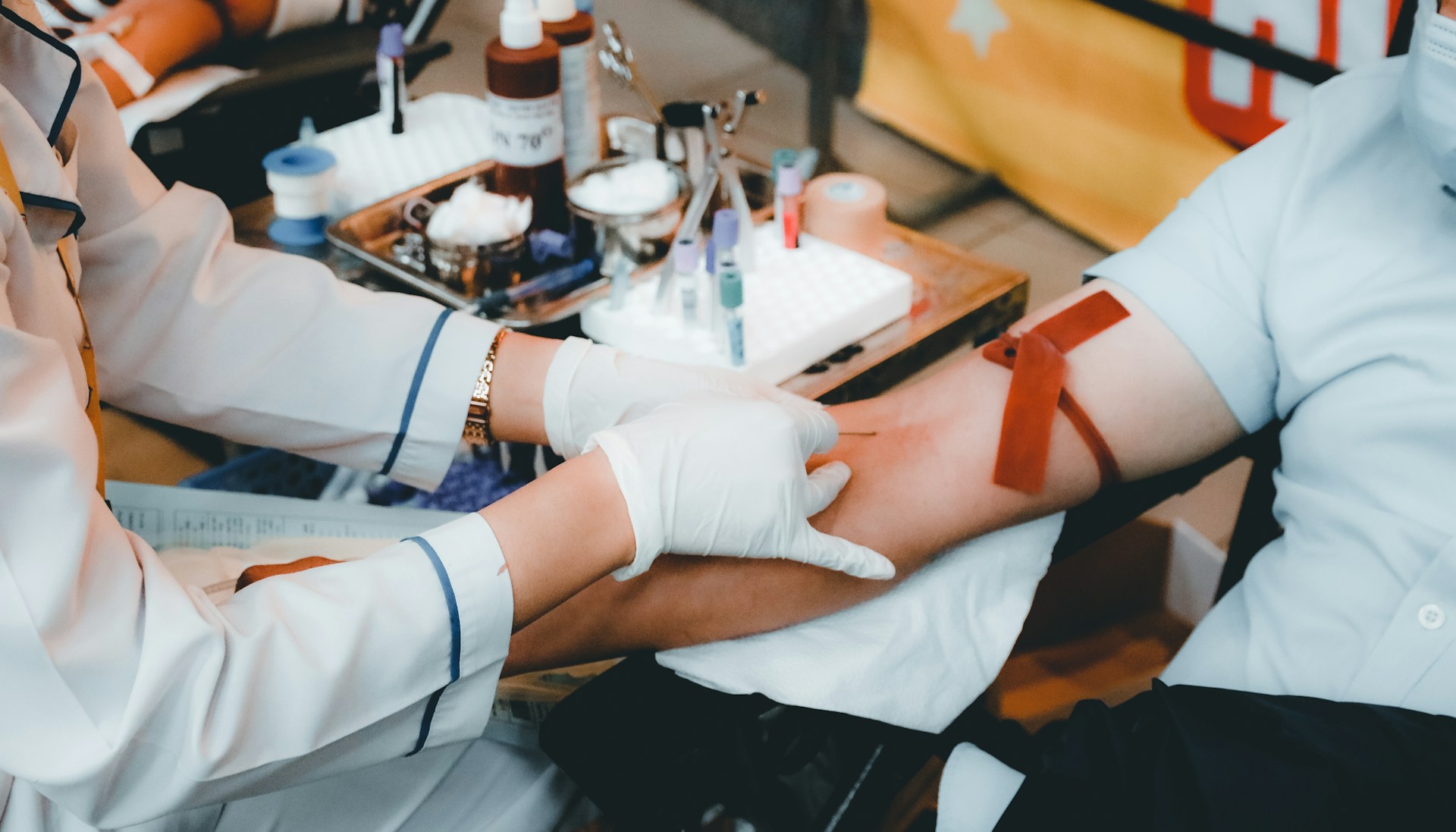
Every new phlebotomist needs to start with the basics. Getting a proper blood sample is not just about knowing where to place the needle. It takes precision, patience, and a steady hand.
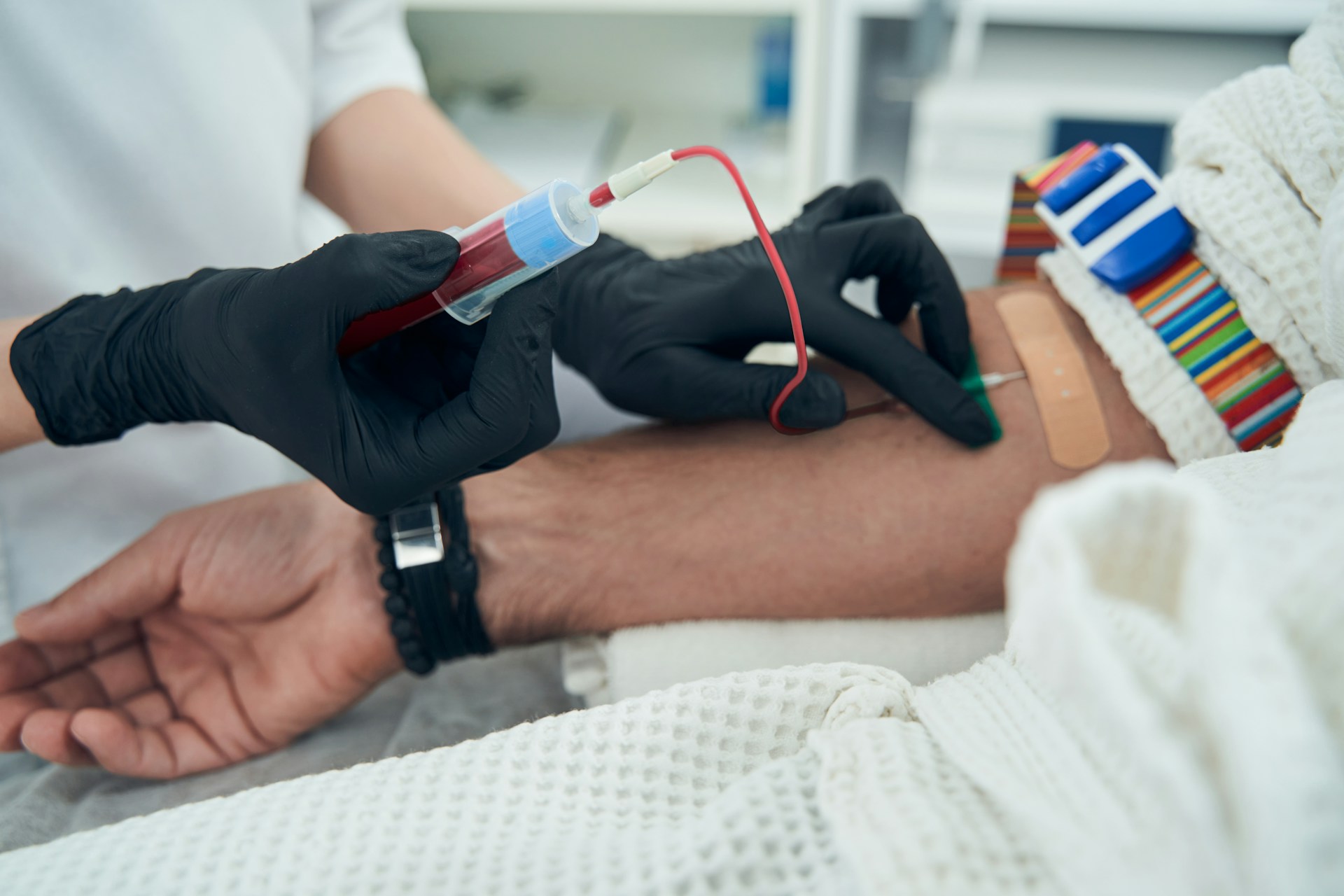
• Learn proper venipuncture techniques. Good form matters. Finding the right vein, choosing the correct angle, and working with care sets the tone for every procedure.
• Practice with different patient types. Not everyone is the same. Some patients have veins that roll, are harder to locate, or are anxious before the draw even starts. Training should include real-world scenarios to get used to these moments.
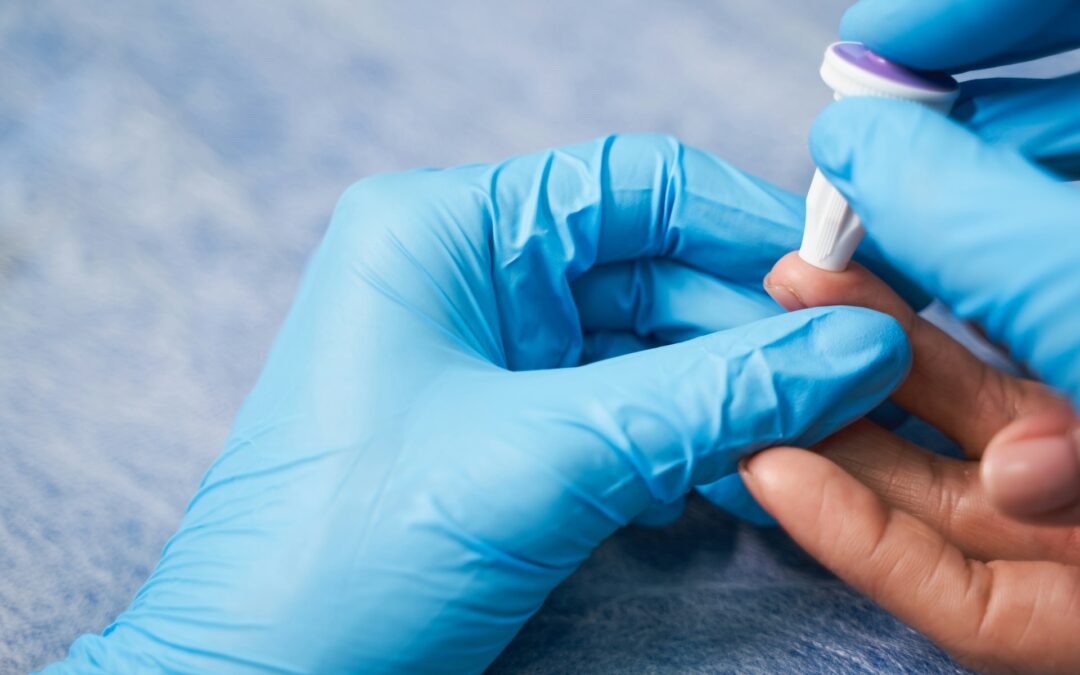
• Understand alternative techniques. Finger sticks and heel sticks are often used for children, seniors, or specific lab requests. Knowing when and how to use each method makes a big difference.
These are skills we develop over time with reliable practice and lots of feedback. The more we train, the more natural it starts to feel.
Building Strong Communication Habits
People may not remember the exact step of their blood draw, but they will remember how they were spoken to. Communication is one of those soft skills that is easy to overlook but makes a huge impact.
• Speak in a calm and clear voice. Especially when someone is nervous, the tone we use helps guide their experience.
• Ask thoughtful questions. Before drawing blood, simple questions like, “Have you had blood drawn before?” or “Are you okay with needles?” can offer insight and give patients a moment to feel seen.
• Share information, not just instructions. Instead of saying, “Hold still,” we might say, “You will feel a small pinch, then I will count to three.” That kind of detail helps reduce fear.
Learning to communicate well does not come from reading a script. It builds through role play, group discussions, and watching seasoned professionals work the room with ease.
Learning to Stay Calm and Focused
At some point, something will not go according to plan. Veins will not cooperate or a sample might get rejected. These are stressful situations, especially in the beginning.
• Stay calm, even if the draw does not work the first time. Mistakes happen, but they are easier to deal with when we keep our tone steady and our breathing soft.
• Adjust to the pace. Some days are full of patients, others feel slow. Being able to move through both without losing focus is key.
• Learn from each error. No one likes making a mistake, but freezing up or getting flustered helps no one. Training should include examples of what to do when something goes wrong, not just when it all goes right.
We all improve by learning how to bounce back quickly without letting one moment throw off the whole day.
Safety First: Clean Work and Proper Handling
Safety is not optional. It is a non-stop commitment to doing every task the right way, even when it seems repetitive. How we follow these safety steps protects patients, coworkers, and ourselves.
• Follow every infection control step, every time. That means gloves come on before contact and come off the correct way. Hands get washed the moment we are done.
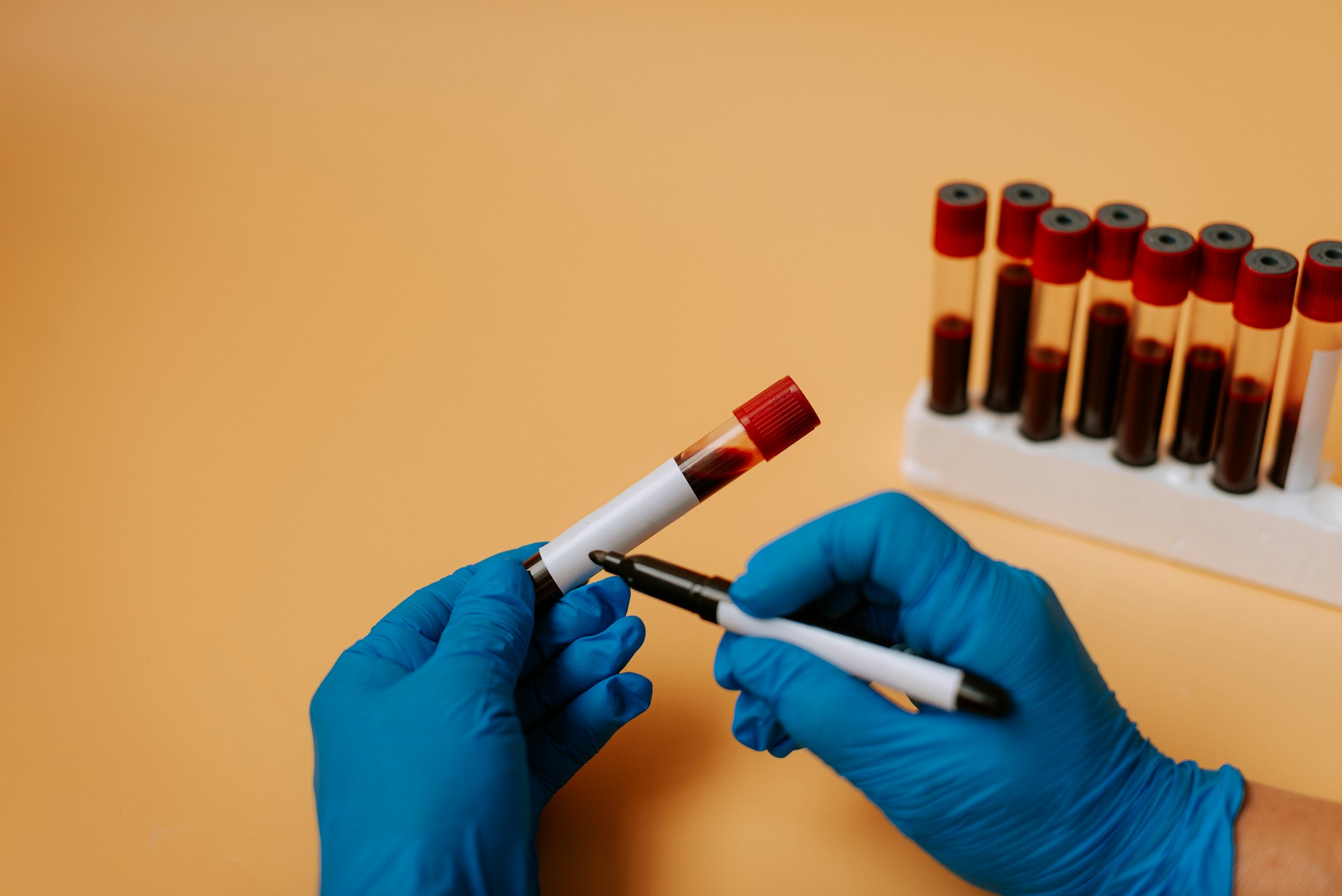
• Label carefully. One sloppy label can delay care or cause unnecessary worry. It is not just paperwork, it is part of the patient’s journey.
• Store and transport samples properly. Whether it is heading to a nearby lab or across the hall, keeping blood samples at the right temperature matters.
DuMonde Management & Consulting emphasizes strict policy development and infection control protocols, helping students in Roswell, GA, safely prepare for the demands of real clinical environments. When students are introduced early to personal protective equipment (PPE) and sharp disposal containers, it becomes second nature by the time they are hired.
Setting the Stage for Long-Term Growth
Growing into a medical role does not happen overnight. It starts with how we act during our early training days. Those first habits will stick with us, which is why it matters how we approach learning.
• Build good habits now. The way we hold a needle, speak to a patient, or clean our workspace, those small details make a big impact down the road.
• Accept feedback without getting discouraged. Instructors, mentors, and classmates might offer corrections. That is not a bad thing. It is how we get better.
• Ask questions during shadowing. Watching someone work is different from reading about it. That quiet moment in the hallway is a chance to ask, “Why did you choose that vein?” or “What do you do when someone gets faint?”
With more than 50 years of collective leadership experience in Georgia healthcare, DuMonde’s instructors offer practical advice, direct supervision, and real-world feedback that helps students grow into confident healthcare professionals.
Turn Training Into Confidence
When skills come more naturally, everything gets a little easier. Instead of guessing, we remember. Instead of hesitating, we step in. That confidence shows when we walk into a room and speak to a patient with reassurance.
We have seen how strong habits during training lead to better patient care out in the real world. Through dependable instruction, practice, and support, entry-level phlebotomists build that quiet certainty that comes from feeling prepared. It does not mean stress goes away completely. It just means we are ready to handle it when it shows up.
Starting out can be overwhelming, but it will not stay that way. Each day puts another skill in place, and before long, it all starts to click. From choosing the right tube to reading each patient’s mood, those small wins turn into a dependable routine. That is how training gives way to confidence. One step at a time.
At DuMonde Management & Consulting, we have seen how strong care habits start with the right foundation. Training in areas like blood collection, safety, and patient communication all begin with dependable instruction that supports long-term growth. Our hands-on approach is designed to help students in Roswell, GA, feel confident as they take their first steps into healthcare. When you are ready to begin, our certified nurse aide training offers the kind of steady guidance that builds lasting skills. Reach out to start your path with us.