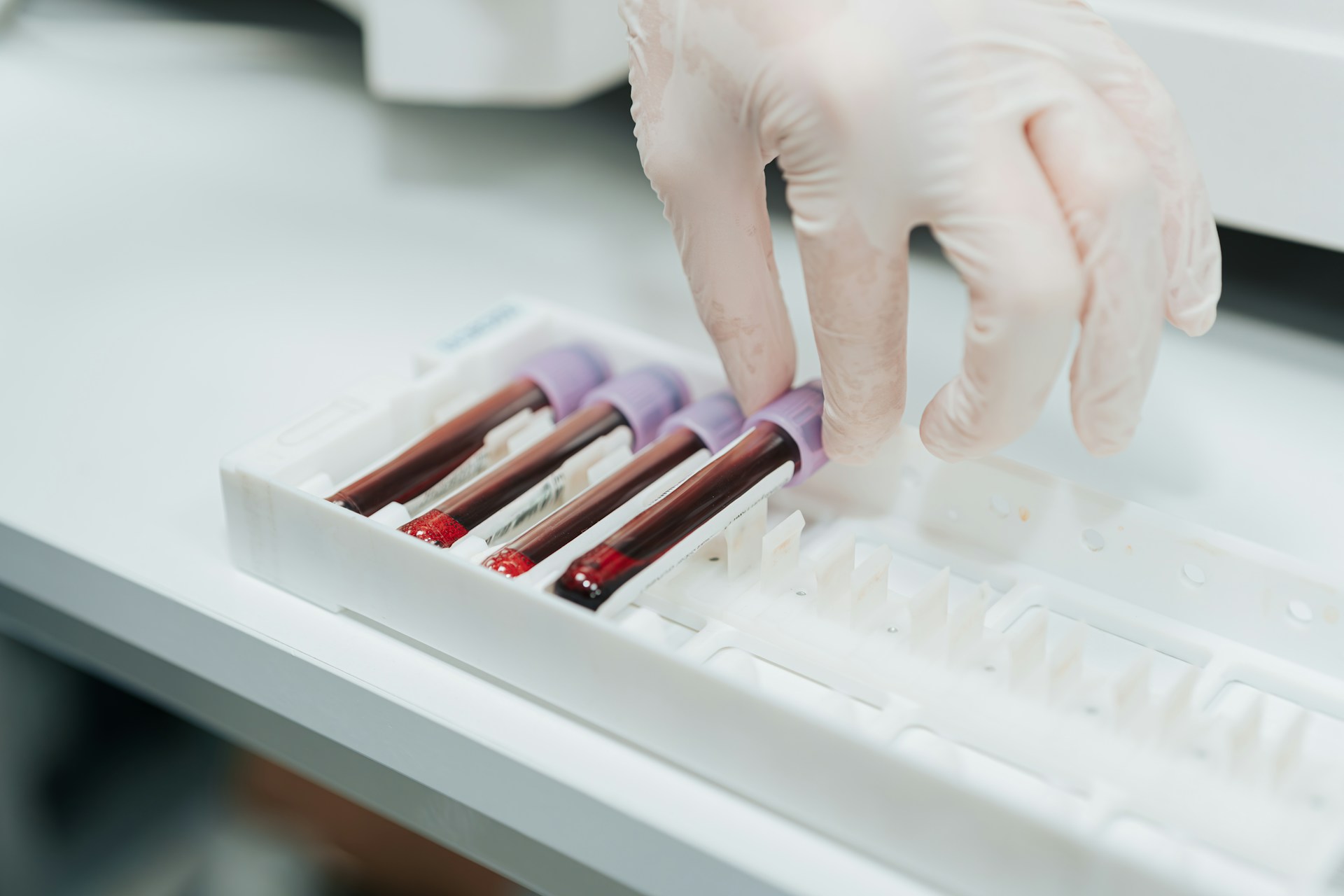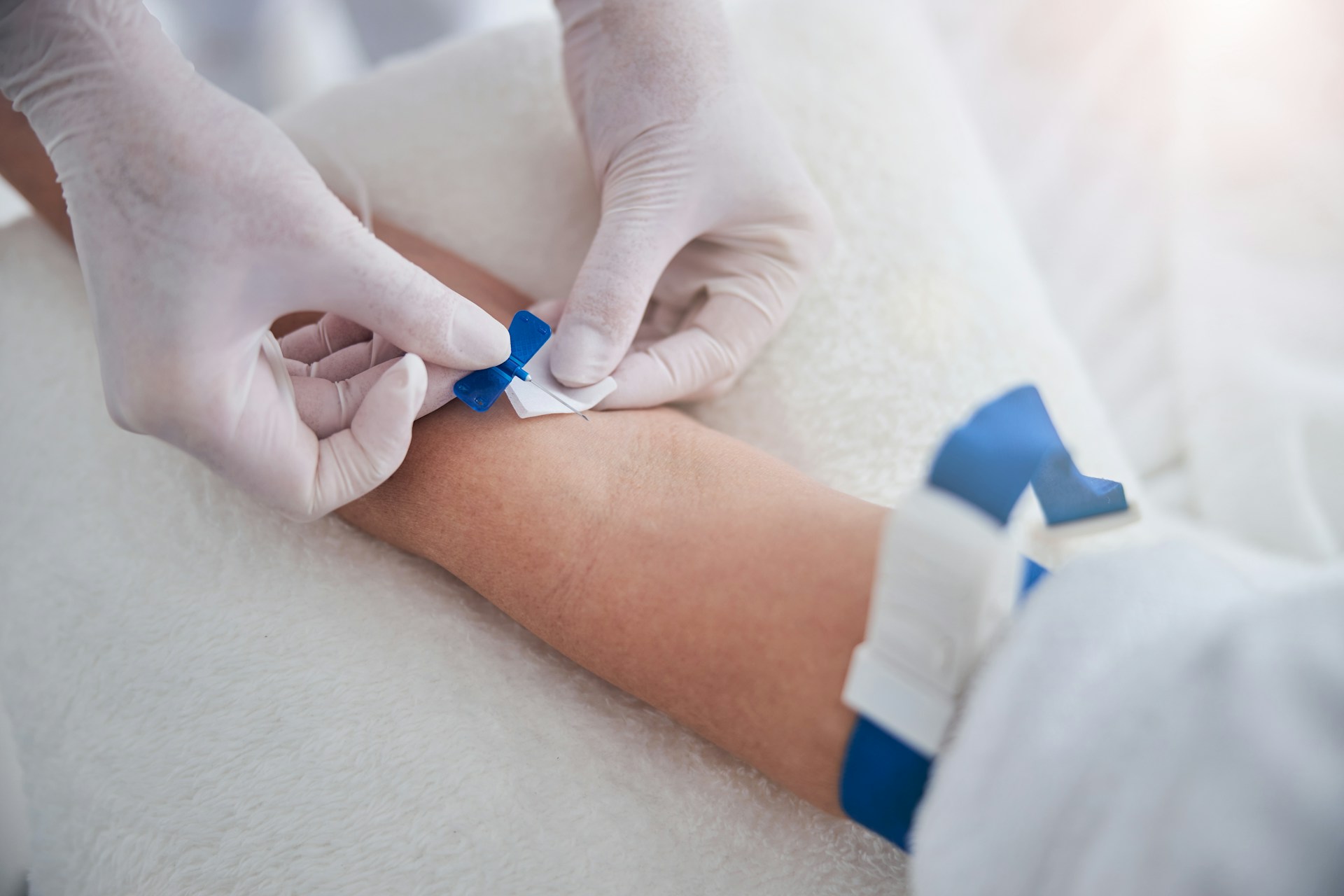
Specimen collection is part of everyday life in clinics, long-term care, and home health programs across Georgia. Whether we are working in Roswell or anywhere else in the state, sticking to strong collection habits matters more than people think. It impacts test accuracy, patient safety, and how smoothly the whole process runs.
This time of year, when winter conditions can throw off transport times and affect sample quality, it is even more important to get every step right. For those enrolled in a CNA program in Georgia or refreshing their collection skills, now is a great time to check in on the basics. We will walk through the proper order of draw, how to spot the right tube for the test, and why labels cannot be an afterthought.
Understanding the Order of Draw
The order of draw refers to the specific sequence in which blood collection tubes are filled during venipuncture. Getting this right is not just about following directions, it helps prevent cross-contamination. Additive carryover from one type of tube to another can interfere with test results, so the sequence really does matter.
Here is a simple reference to keep in mind:
1. Blood culture bottles
2. Light blue-top (sodium citrate)
3. Red-top or gold-top (serum tubes)
4. Green-top (heparin)
5. Lavender- or pink-top (EDTA)
6. Gray-top (fluoride)
Every tube serves its purpose, whether it is for coagulation studies, chemistry panels, or hematology tests. Mixing this order can mean repeat draws, which nobody enjoys. It is frustrating for patients and puts extra stress on staffing. We remind trainees that reading the requisition can give clues about which tubes to use for which tests, making the process even smoother.
Getting to Know Different Tube Types
Color coding on the tubes helps, but it is easy to confuse red and gold or blue and lavender when under pressure. Each top has a specific job. Learning tube types early in training sets the foundation for good habits and helps avoid common frustrations.
• Light blue: used for coagulation tests
• Red or gold: often used for chemistry panels
• Green: used for plasma tests
• Lavender: common for hematology
• Gray: used when testing blood glucose or alcohol
To keep it simple during draws, attach a cue to each color while learning. For example, think “lavender like lavender fields” to remember hematology and blood-related tests. One of the most common mistakes we notice is using a serum tube when a plasma test was ordered. That simple switch can affect whether a sample is usable.
Labeling Do’s and Don’ts
We have seen more tests delayed or canceled from labeling mistakes than you might expect, especially with high staff turnover or during onboarding periods. Often it is not about being careless, it is just easy to miss one detail when things get busy.
What to avoid:
• Writing the label info before the draw
• Forgetting to include time and date
• Using someone else’s pen or handwriting that cannot be read
• Placing the label too high or low so it will not scan later
The easiest fix is to slow down and treat labeling as part of the draw, not something separate. Labels should go on in front of the patient, right after the last tube is filled. It is one more step in making sure results match the right person. When something feels off, double-check before moving on to the next patient.
Winter Season Considerations in Specimen Handling
January in Roswell, GA does not bring snowstorms very often, but the cold does have real effects on specimen handling, especially when working from vans or moving between patient homes and labs. Some additives react poorly to low temperatures, which can cause the blood to clot too early or break down before testing.
If we are drawing in temporary mobile setups or transporting several samples at once, we prepare coolers with temperature-stable carriers and rotate them between indoor stops when possible. Leaving tubes in an unheated vehicle, even briefly, can ruin a solid specimen. Keeping supplies in the front cabin when not in use is one adjustment that makes a difference.
Here are a few signs a sample may have been exposed to too much cold:
• Unusual clotting in a green-top tube
• Discoloration or separation in the serum after sitting
• Failures during analysis at the lab without clear reason from draw technique
We train staff to include short notes when problems turn up and to flag those samples early instead of sending off something questionable.
Leaning on Certified Training for Best Practices
DuMonde Management & Consulting delivers CNA programs in Georgia that cover best practices in specimen collection, labeling, and safe handling for all care settings. With over 50 years of collective leadership experience, our Optimum Care approach emphasizes hands-on skills and up-to-date compliance in facilities, homes, and community-based organizations. Our training extends to both direct care staff and those advancing into policy and compliance roles, connecting the dots between daily care tasks and operational quality.
Made Simple, Done Right: Keeping Collection Safe
Good specimen collection does not have to be complicated. Clear steps, consistent habits, and focus on the details add up to fewer problems and better results. For anyone starting a CNA program in Georgia or getting back into clinical work, treating the draw process with the same care each time keeps patients safer and our work more predictable.
Building good habits early, such as remembering the correct order of draw, matching the right tube with the test, and taking time to label accurately, reduces issues later on. Especially in the winter months when outside factors can affect specimen quality, a little added attention makes a big difference. Everyone benefits when small tasks are done right the first time.
At DuMonde Management & Consulting, we know building strong habits early can make a big difference for anyone working toward patient care certification. Enrolling in a solid CNA program in Georgia helps you gain practical skills like confident labeling, choosing the right tube from the start, and preparing for cold-weather shifts. Clean technique matters every time, whether you are working in a quick-paced home care job or a steady clinic. A solid foundation makes it easier to handle the small things the right way. Ready to take your first step? Reach out to us to get started.