Blood collection is one of the first hands-on skills many new healthcare workers learn. Each clean, safe blood draw helps a care team get the information they need and helps a patient feel they are in good hands. When you build good habits early, they tend to stay with you through your whole career.
New phlebotomy students often worry about the same things. They worry about hurting people, missing veins, or mixing up tubes. These fears are common, but they are not permanent. With the right phlebotomy training, you can replace worry with a clear, step-by-step process that you can trust.
At DuMonde Management & Consulting, our phlebotomy course is designed to be that calm learning space. We focus on repeatable skills, real practice, and simple systems that lower your chance of error from the very first day you hold a needle.
Preparing Patients and Workstations the Right Way
Many blood draw problems start before the needle ever touches the skin. One of the most serious mistakes is drawing from the wrong person. To help prevent this, you learn to slow down and check identity the same way every time. Use at least two identifiers, such as full name and date of birth, and compare them with the lab order and wristband.
Before you go to the patient, your tray should be ready. A well-set-up workstation keeps you from scrambling for supplies with a needle in your hand. You should have:
- Correct tubes in the right sizes
- Appropriate needles and a working tourniquet
- Alcohol pads, gauze, and tape or bandages
- Sharps container close by
- Gloves and any other needed PPE
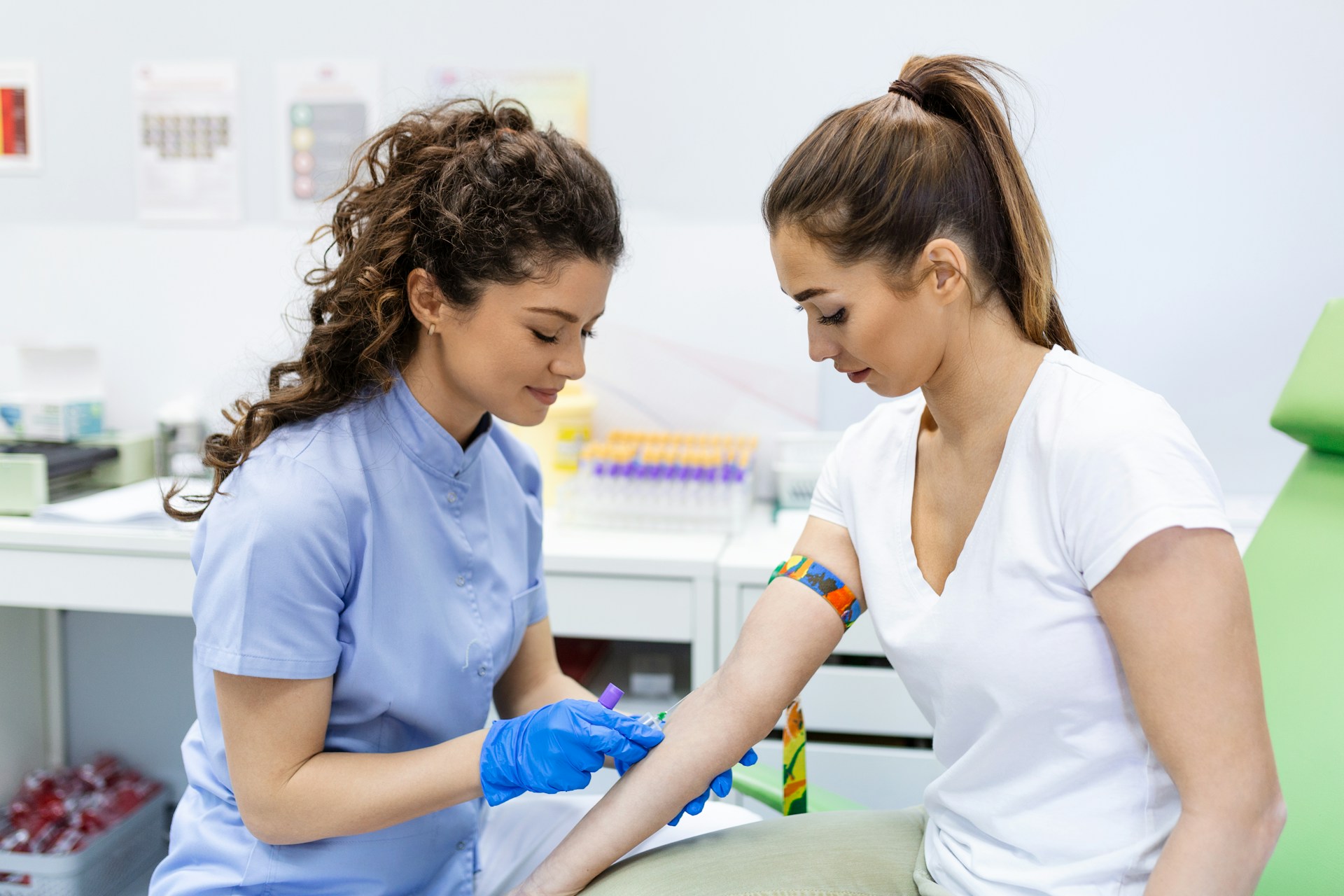
An organized tray helps you focus on the person in front of you. When you approach the patient, a calm, clear explanation of what you are about to do can lower their stress. Many people feel nervous about blood draws. When you tell them how long it will take, where you plan to draw from, and what they might feel, they are more likely to stay still. Less movement means fewer missed sticks and fewer complications.
Mastering Vein Selection and Needle Technique
Good phlebotomy starts with choosing the right vein. For most adults, the median cubital vein in the inner elbow area is the first choice because it is usually large, steady, and comfortable for the patient. You are often taught to be careful with veins in the hand or wrist, since they can be smaller and more sensitive.
There are also places you should avoid. You do not draw from areas with swelling, heavy bruising, or open wounds. Sites with IV lines, fistulas, or past serious injury are also red flags. Learning to spot these signs protects both you and the patient.
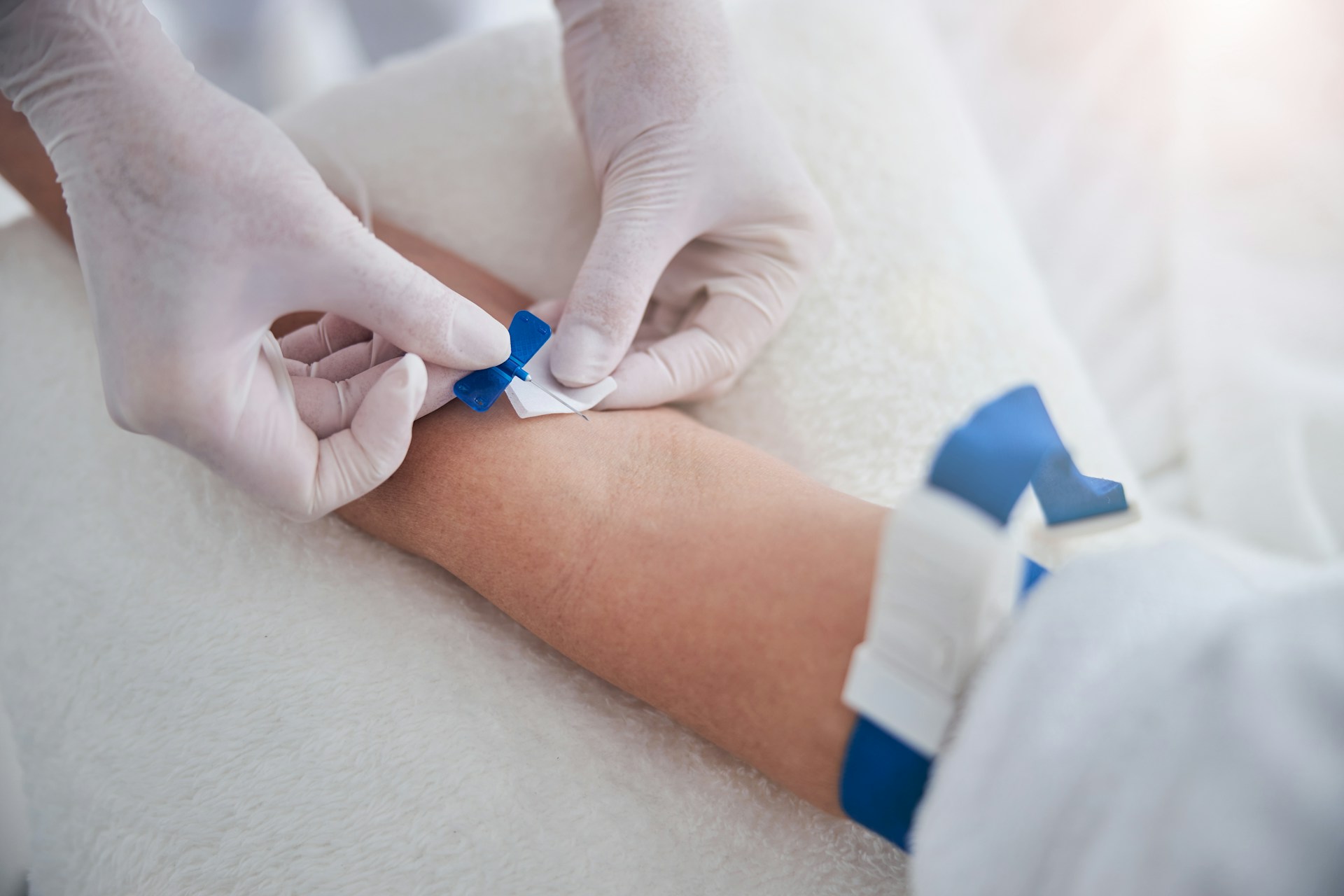
Once you have picked your site, your needle angle and depth matter. A common goal is a shallow angle that lets you enter the vein smoothly without going too deep. Anchoring the vein by gently holding the skin below the site helps keep it from rolling away from the needle. If the blood flow is slow, the answer is to adjust slightly and gently, not to dig or twist the needle.
New students often struggle with:
- Probing or “fishing” for veins under the skin
- Sticking the same spot too many times
- Pulling the needle out too quickly when they feel unsure
In a hands-on phlebotomy training lab, you can practice this motion again and again with guidance. At DuMonde Management & Consulting, students work in a supervised setting so they can correct these habits early and grow more confident with each attempt.
Avoiding Tube Order and Contamination Mistakes
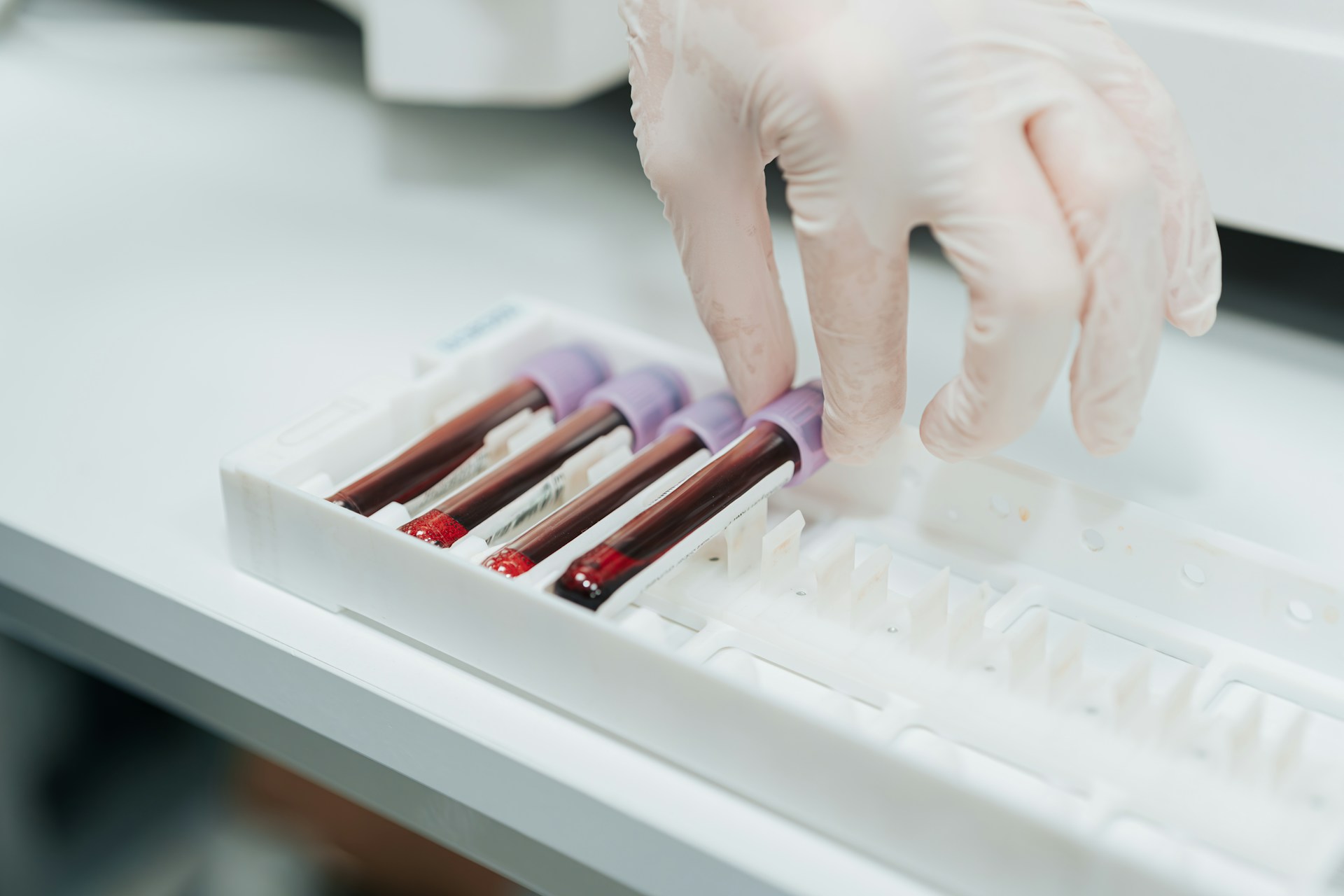
Even a perfect stick can still lead to poor test results if the tubes are not handled the right way. The order of draw is the sequence you follow when filling multiple tubes in a single blood draw. This order helps prevent additives from one tube from carrying over into the next, which could change lab values or cause clots or hemolysis.
Tube errors that new phlebotomists often make include:
- Filling tubes in the wrong order
- Underfilling or overfilling tubes
- Shaking tubes hard instead of gently inverting
- Using tubes that are expired
- Forgetting the correct number of inversions
Learning why each step matters makes it easier to remember. For example, gentle inversions help mix the blood with the tube additives without breaking down the blood cells. In our phlebotomy course, students walk through real-world-style lab orders and repeat the correct sequence until it feels natural. This kind of practice builds muscle memory that follows them into clinical settings and helps cut down on contamination problems.
Protecting Patients From Pain, Bruising, and Infection
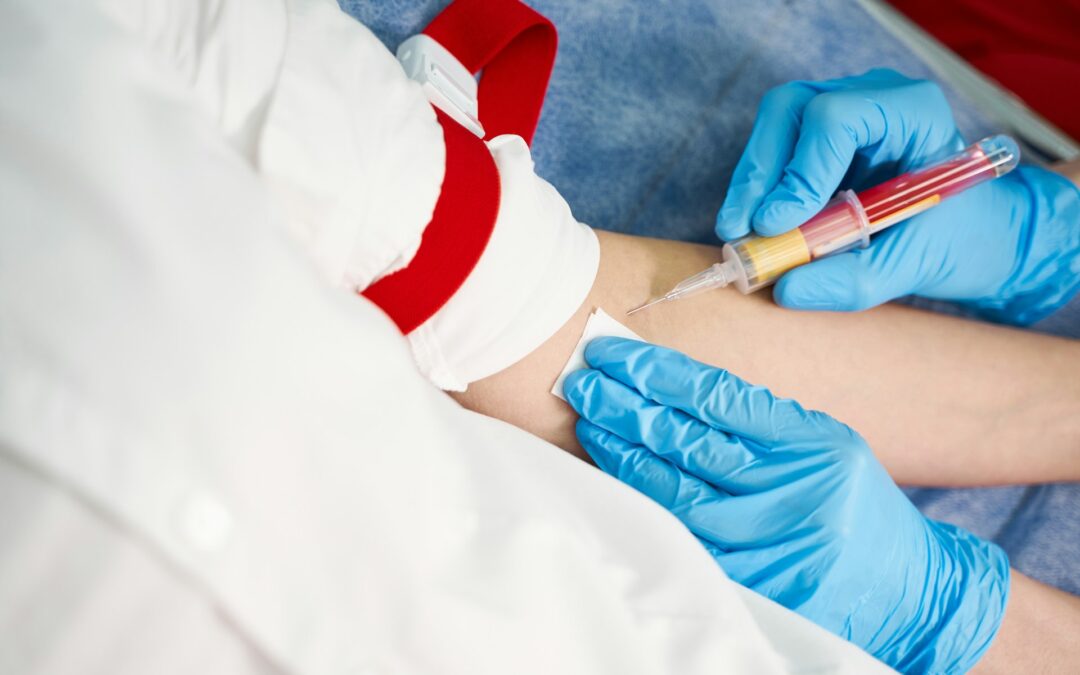
Protecting patient comfort and safety is just as important as getting a good sample. The tourniquet is a simple tool that can either help or hurt. It should be tight enough to help veins stand out, but not so tight that it causes sharp pain. Leaving the tourniquet on for too long can lead to hemoconcentration and bruising, so you learn to release it at the right point in the draw.
Site cleaning is another key step. Use an alcohol pad in a single outward motion and then let the area air dry. If you touch the site again with nonsterile gloves or re-palpate it after cleaning, you raise the risk of bringing germs back to the exact spot where the needle will enter.
When the blood draw is done, post-draw care makes a big difference. Firm, steady pressure with clean gauze helps prevent hematomas. A properly placed bandage protects the site without cutting off circulation. Taking a moment to tell the patient what to expect, such as mild soreness or a small bruise, and when they should speak with a nurse, can help them feel informed instead of worried.
Turning Common Errors Into Learning Wins This Spring
Every new skill comes with mistakes, and phlebotomy is no different. The goal is not to be perfect from the start, but to learn in a place where errors are caught, explained, and turned into better habits. Many people choose the early part of the year to start training for new healthcare roles, and this is a strong time to build solid phlebotomy skills that will support the rest of your career.
At DuMonde Management & Consulting in Roswell, Georgia, our phlebotomy training brings together classroom teaching, simulation practice, and coaching from experienced instructors. Students learn how to avoid common blood draw errors before they ever work with real patients. By focusing on clear processes, safe technique, and patient care, we help future phlebotomists feel ready to walk into a clinical setting with confidence and respect for the important work they do.
Take The Next Step Toward A Confident Healthcare Career
If you are ready to build real, job-ready skills, our team at DuMonde Management & Consulting is here to guide you. Whether you are just starting out or expanding your credentials, our phlebotomy training is designed to fit your goals and schedule. We will walk you through enrollment, preparation, and what to expect in class. Have questions about requirements or upcoming start dates? Contact us so we can help you get started.