Starting CNA training is exciting, but many new students feel nervous about one thing: needles. The idea of drawing blood can make even calm people feel tense. That nervous feeling is normal, and it is exactly where a phlebotomy training specialist helps. With the right guidance, that fear can turn into steady hands and real confidence around patients.
At DuMonde Management & Consulting in Roswell, Georgia, we offer CNA and CMA classes, and we now include focused phlebotomy education for students who want stronger clinical skills. In this article, we share what a phlebotomy training specialist really teaches new CNAs. It is much more than just how to draw blood. These skills can help you stand out when healthcare employers start filling schedules for busy seasons and beyond.
What a Phlebotomy Training Specialist Really Does for CNA
A phlebotomy training specialist is the bridge between classroom theory and real-world practice. Many CNA students learn about blood draws in a book, but that is not the same as touching the equipment or talking to a real patient. The specialist takes what you have heard in lectures and turns it into step-by-step actions you can follow on the job.
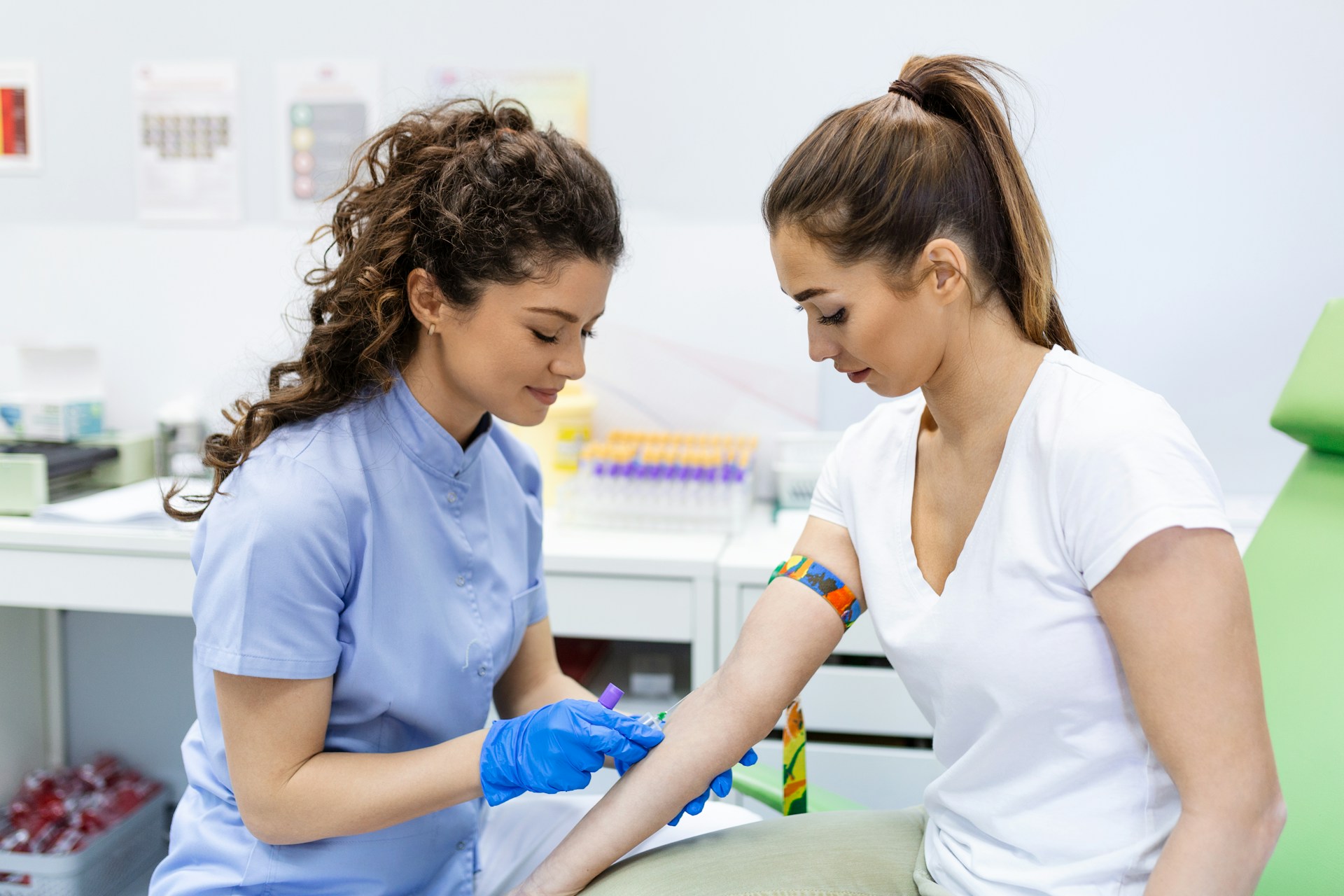
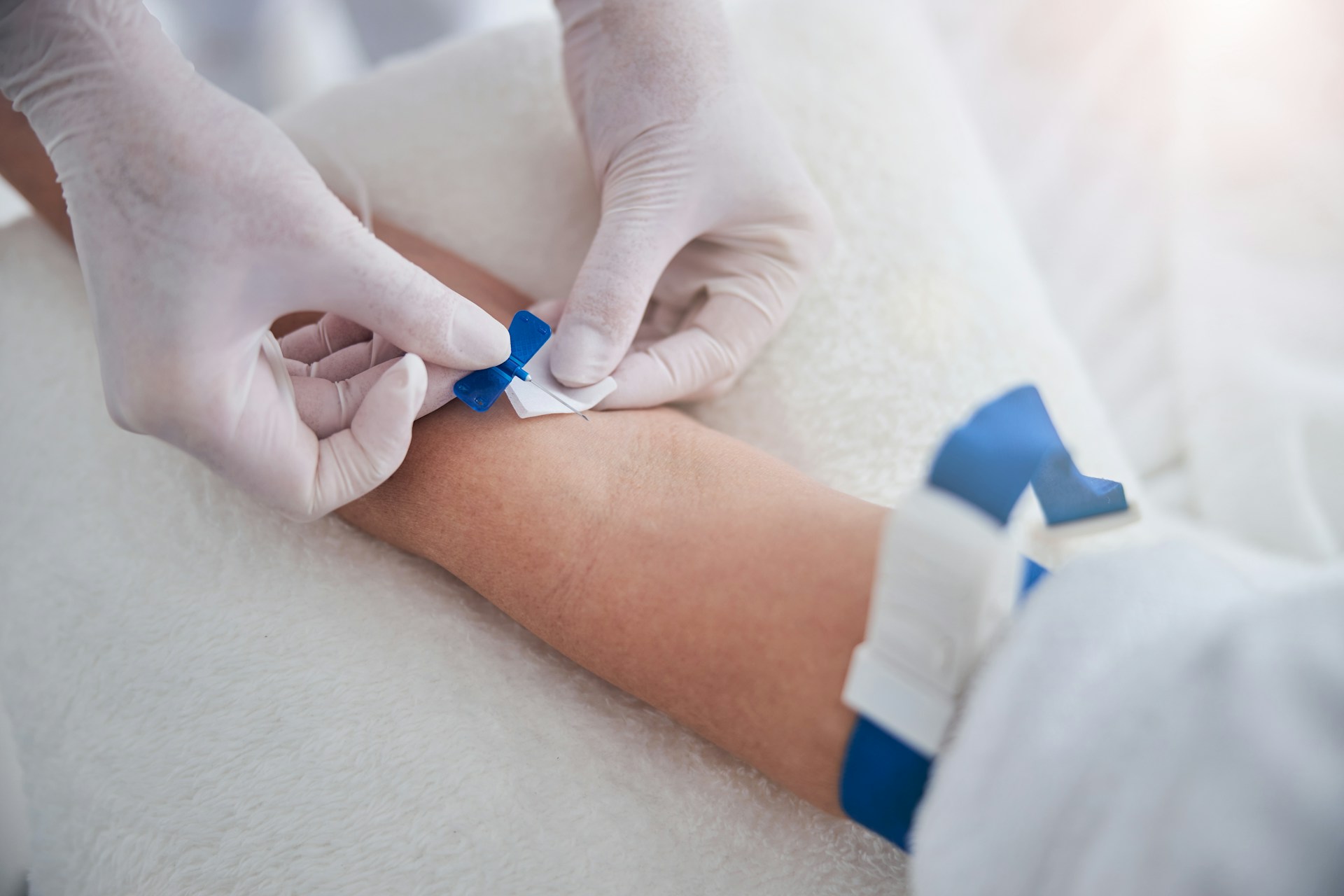
In training, the specialist walks you through the full venipuncture process. You learn how to check patient identification so the right person gets the right test. You review how to pick the right equipment, like needles and tubes. You practice choosing a safe site on the arm, following the correct order of draw, and handling each tube so specimens stay usable for testing.
There is a clear difference between learning from a general instructor and learning from a phlebotomy training specialist. The specialist is focused on current blood draw practices, safety standards, and what employers expect from new hires. That focus helps CNAs feel ready for what actually happens in hospitals, clinics, and long-term care settings.
Blood Draw Techniques Every New CNA Must Learn
Blood draws are a skill, and skills grow with careful practice. A phlebotomy training specialist breaks each step into easy pieces so you can master them one at a time.
You spend time on basics like:
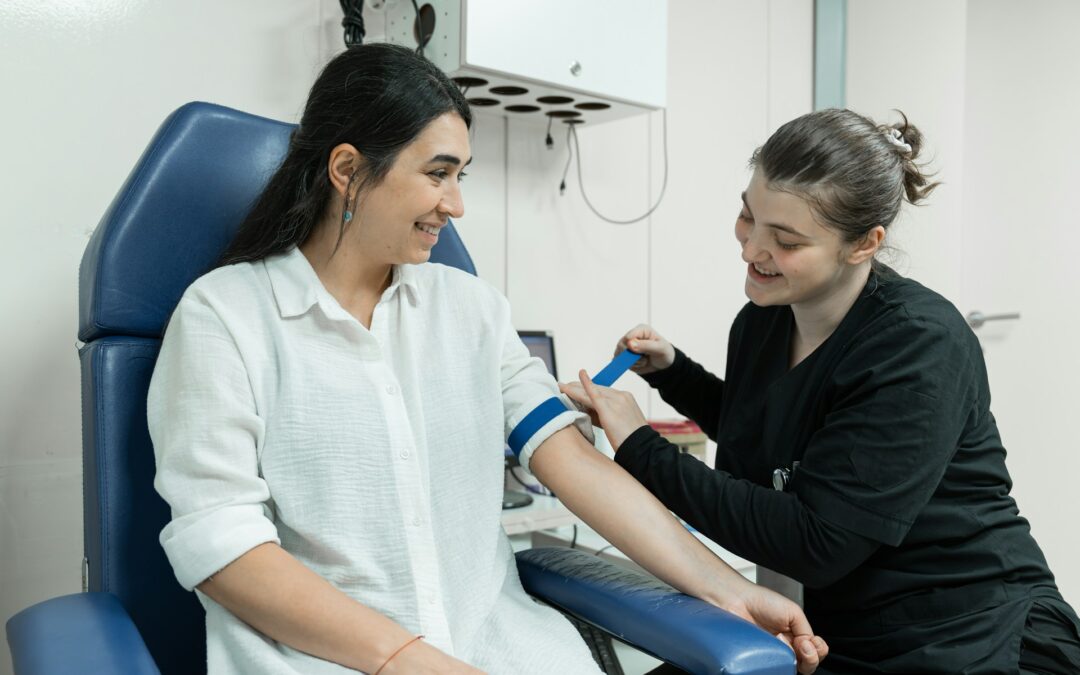
- Placing a tourniquet at the right tightness and for the right amount of time
- Choosing a vein that is straight, bouncy, and safe to access
- Holding the needle at the correct angle so it enters smoothly
- Keeping your hand steady while you collect each tube
These small details protect both you and the patient. When you know the right angle and pressure, you reduce pain, bruising, and repeated sticks. That builds trust quickly between you and the people you care for.
You are also taught how to adjust your technique for different types of patients. For example, seniors often have thin, fragile veins. Dehydrated patients may have veins that are harder to feel. Some people are very anxious or afraid of needles. Others may have a history of difficult venous access. A phlebotomy training specialist shows you how to slow down, assess the arm, and pick the safest, most realistic option in each case.
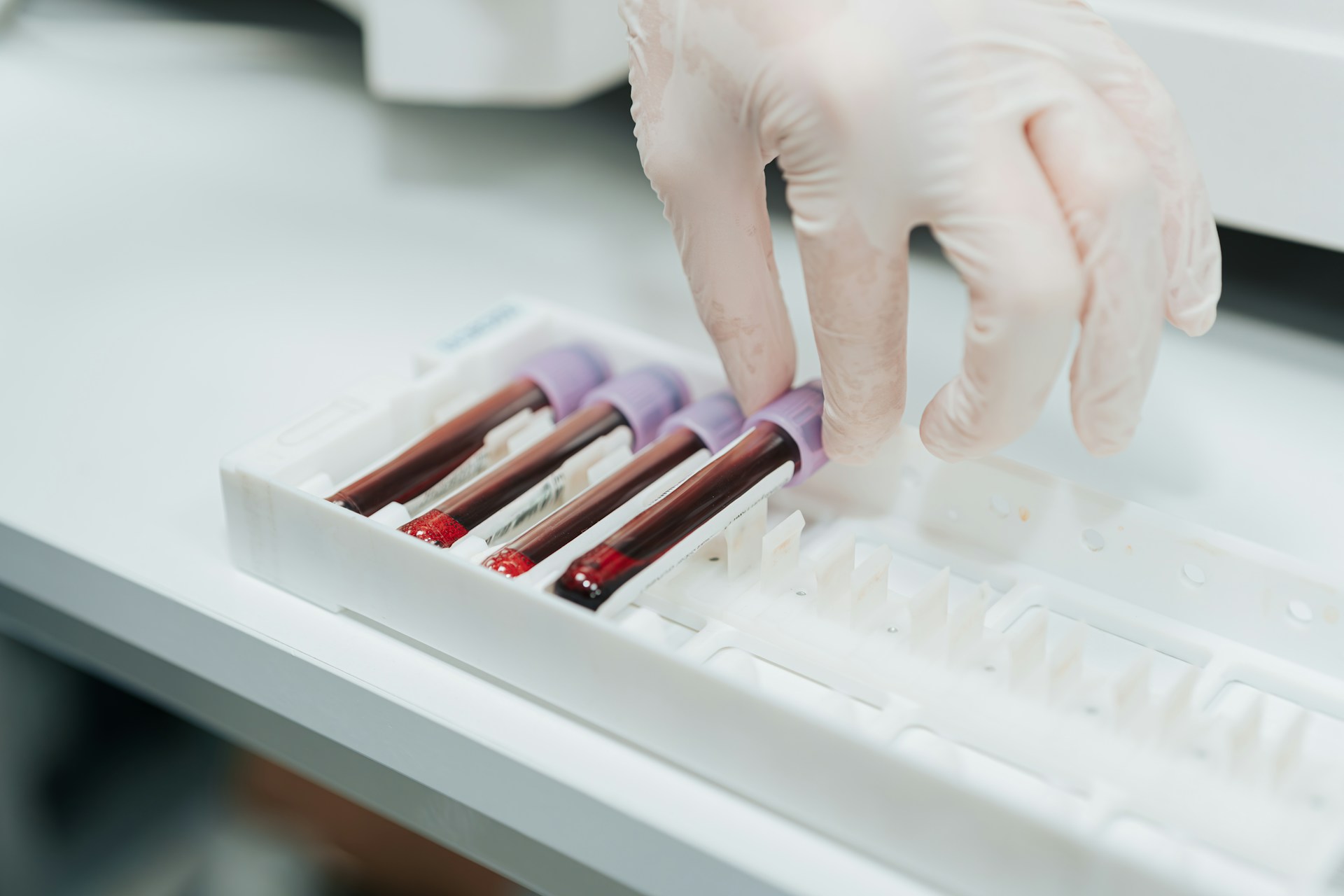
Just as important is what happens after the blood enters the tube. You learn why the order of draw matters, how to gently mix tubes if needed, and how to label each one clearly. Good labeling and attention to specimen quality help make sure that lab results are accurate and that providers can trust the data when they make care decisions.
Safety, Infection Control, and Patient Comfort
Phlebotomy is not just about getting blood into a tube. It is about doing that safely every single time. A phlebotomy training specialist spends a lot of time on safety because it protects you, your coworkers, and your patients.
Training covers OSHA standards in simple, clear language. You learn correct sharps disposal and what to do if an exposure risk happens. You practice habits that lower the chance of needle sticks, splashes, or spills. By the time you finish, safe handling of needles and tubes should feel automatic.
Infection control is another big focus. CNAs practice:
- Careful hand hygiene before and after each patient
- Changing gloves between patients
- Cleaning the draw site the right way and letting it dry
- Avoiding contact between the needle and non-sterile surfaces
These steps may feel small, but they help protect patients who may already be weak or sick. A phlebotomy training specialist also spends time on communication. You learn how to explain what you are doing in simple language, gain consent, and keep a calm, reassuring tone. You also learn warning signs that a patient may faint or feel unwell so you can respond quickly and safely.
When safety, infection control, and comfort all come together, blood draws feel smoother for everyone.
Turning Phlebotomy Skills Into CNA Career Advantages
For CNAs, strong phlebotomy skills are more than a nice extra. They are a real advantage on the job. When you can draw blood calmly and correctly, you become the person nurses and providers count on during busy shifts.
This can open doors in several ways:
- You may be trusted with more clinical tasks
- You can be more flexible across different units and shifts
- Your job applications stand out to hiring managers
- You build a base for future roles like phlebotomist or medical assistant
Many employers want CNAs who are comfortable with specimen collection. Being able to say you trained under a phlebotomy training specialist, and that you practiced real techniques, can help you feel ready for interviews and first days at work. It also shows that you are serious about your long-term growth in healthcare.
Inside Phlebotomy Training at DuMonde Management & Consulting
At DuMonde Management & Consulting, we keep phlebotomy training small and hands-on so students can focus and ask questions. Our classrooms and lab spaces give you room to practice with real equipment in a calm setting. You are not just watching someone else perform a draw; you are doing it yourself under supervision.
We build practice scenarios that match what CNAs see in nursing homes, rehab centers, and hospitals. You might work through how to support a confused patient who pulls their arm away, or how to set up your supplies in a tight space. By repeating skills like vein selection, needle insertion, and tube handling, you build both muscle memory and confidence.
We also pay attention to timing. Many students like to finish their phlebotomy training before hiring seasons and schedule changes. That way, they can list these skills on applications and bring stronger abilities to their first CNA roles. Phlebotomy-focused education gives you a clearer path into the busy, fast-paced world of direct patient care.
Taking the Next Step in CNA and Phlebotomy Success
For current and future CNAs, learning phlebotomy is one of the fastest ways to grow in healthcare. With the guidance of a phlebotomy training specialist, blood draws become less scary and more like any other skill you can learn with practice. Strong phlebotomy skills help you care for patients more fully and support your team when things get busy.
At DuMonde Management & Consulting, our goal is to help you build those skills in a safe, supportive training environment. When you compare where you are now with where you want to be, phlebotomy training can be the step that connects the two. With practice, feedback, and real-world focus, you can move from nervous about needles to confident, calm, and career-ready.
Take The Next Step Toward Your Phlebotomy Career
If you are ready to build real-world skills with the support of experienced instructors, we are here to guide you. As a trusted provider, DuMonde Management & Consulting offers training that prepares you to succeed as a phlebotomy training specialist. Whether you have specific questions about enrollment, schedules, or program details, our team is ready to talk. Contact us today to get started.