Start Your Spring Lab Strong and Fully Cleared
Starting phlebotomy training is exciting, but the lab will not wait for you to catch up on health and safety rules. If your clearances are not finished on time, you can be blocked from lab, which can slow down your whole program. That means no practice draws, no hands-on skill building, and a lot of stress.
Getting organized before the first lab protects you, your classmates, and every patient you will work with later on. When your health and safety steps are done early, you can walk into the lab focused on learning, not paperwork. At DuMonde Training Center here in Georgia, we guide our phlebotomy students through immunizations, TB testing, drug screening, background checks, dress code and PPE, plus smart planning for spring weather, all on a clear and realistic timeline.
Know Your Spring Lab Requirements Before You Enroll
Before you even finish enrollment, it helps to understand what most phlebotomy labs in Georgia expect from students. While details can vary by facility, you will usually need:
- Proof of key immunizations
- TB screening
- Drug screen
- Criminal background check
Typical vaccines commonly requested for healthcare training include:
- Hepatitis B
- MMR (measles, mumps, rubella)
- Varicella, often called chickenpox
- Tdap (tetanus, diphtheria, pertussis)
- Seasonal flu shot, when required by partner sites
These requirements are shaped by what clinical partners expect, general healthcare standards, and what supports your readiness for future work in patient care settings. At DuMonde, our phlebotomy training packets spell out the current checklist for our students so there are no surprises later.
When you receive your enrollment and welcome materials, take a few simple steps:
- Read every page, even the fine print
- Save all emails in a special folder
- Write down each requirement with its due date
- Mark medical appointments, lab visits, and background check deadlines on a calendar
A personal checklist keeps you from missing small items, like a signature or a final upload, that could hold up your lab clearance.
Immunizations, TB tests, and Drug Screens Made Simple
Immunizations protect both you and the people around you when you are working with blood and body fluids. For example, hepatitis B is often required in healthcare environments that handle blood. MMR and varicella help prevent spreading illnesses that can be serious for pregnant patients, older adults, or people with weak immune systems. Tdap guards against whooping cough, which can be dangerous for babies. Flu shots, when required, help limit outbreaks during flu season.
TB screening is another big piece of pre-lab health clearance. There are two common options:
- two-step TB skin test, which may need two visits a few days apart
- TB blood test, ordered by a healthcare provider
If you have a history of a positive TB test, you usually need to share proof of that and follow the instructions in your packet. That can include extra screening, like a chest X-ray report or a note from a healthcare provider. Starting this early is important, because waiting on test results can take time.
Your drug screening is usually done at an approved lab or clinic. Plan ahead:
- Bring a photo ID and any forms listed in your packet
- Go during a time when you are not rushed, in case there is a wait
- Ask how long results usually take to be reported
Delays, missed appointments, or inconclusive results can all push back your clearance. Taking care of your drug screen early gives time to fix any issues before lab day.
Background Checks, Dress Code, and PPE for Georgia Labs
Healthcare background checks review your record for items that might affect patient safety or facility rules. Being honest on your application is very important. If something might show up, it is better to share it upfront than to have it appear as a surprise later. Many employers in Georgia will also run checks, so you are building habits now that will follow you into your new career.
Your phlebotomy lab dress code is about safety, comfort, and professionalism. A typical lab look includes:
- Solid-color scrubs in the shade your program requires
- Closed-toe, non-slip shoes that are clean and in good shape
- Short, natural nails with no acrylics or long tips
- Minimal jewelry, usually no dangling earrings or bracelets
- Hair pulled back and away from the face
Personal protective equipment, or PPE, is another key part of lab readiness. You can expect to work with:
- Gloves, worn and changed correctly
- Masks when required by the setting or policy
- Lab coats or protective gowns when needed
Safe lab habits, like hand hygiene, not eating or drinking in lab areas, and learning the right way to handle sharps, match what you will see in real-world patient care. At DuMonde, we place strong focus on these habits so you build good routines early in your phlebotomy training.
Plan Around Spring Weather and Never Miss a Lab
Spring in Georgia can bring heavy rain, fast storms, and a lot of pollen. All of that can affect your commute and even how you feel. Flooded streets, slow traffic, or surprise closures can make it hard to arrive on time if you do not have a backup plan.
To protect your lab attendance, plan ahead:
- Add extra commute time on days with bad weather in the forecast
- Know at least one backup route to campus or your lab site
- Have a backup ride option, such as a second driver or rideshare account
- Pay attention to school alerts about weather changes or delays
- If you are sick, follow the absence policies in your packet and communicate early
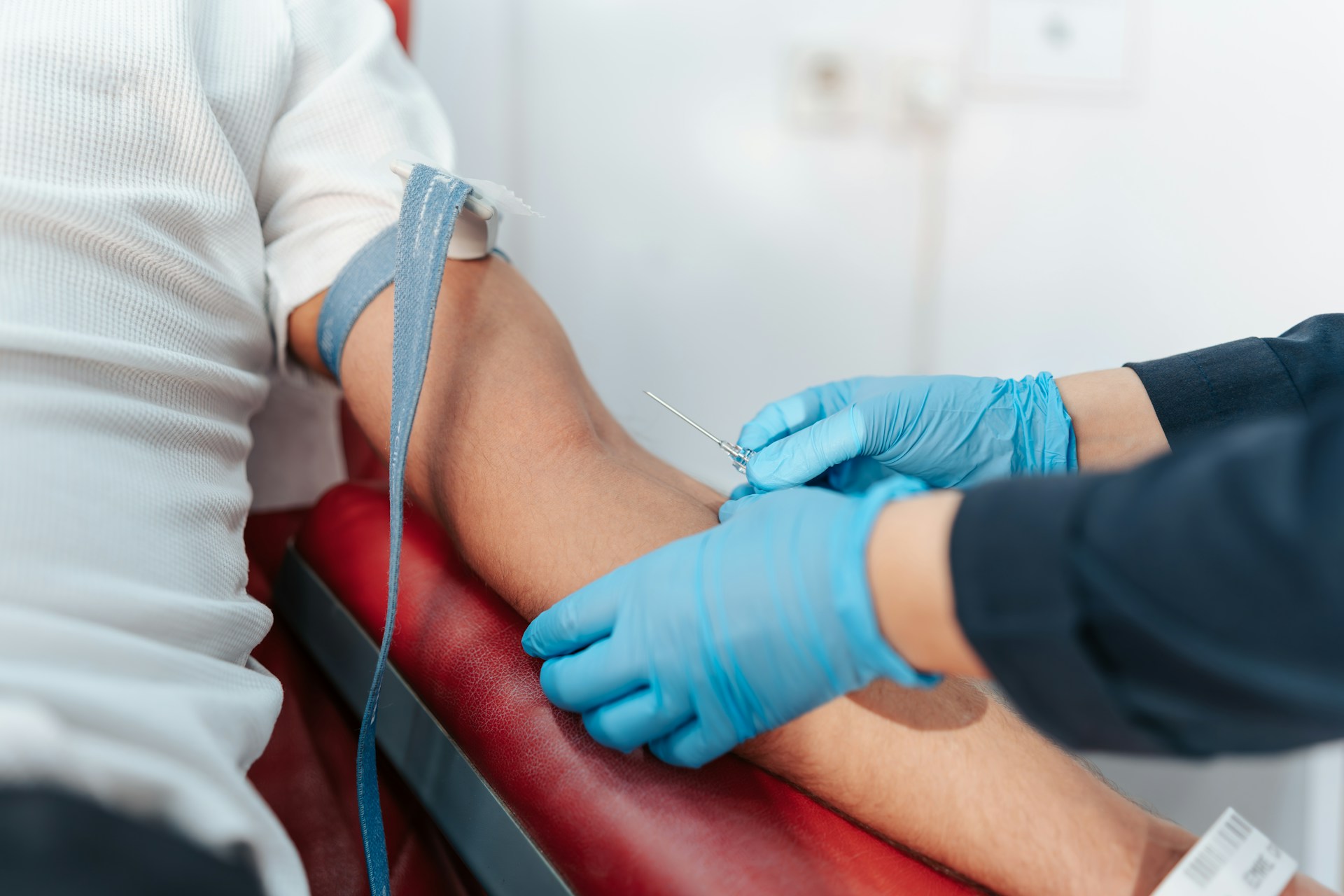
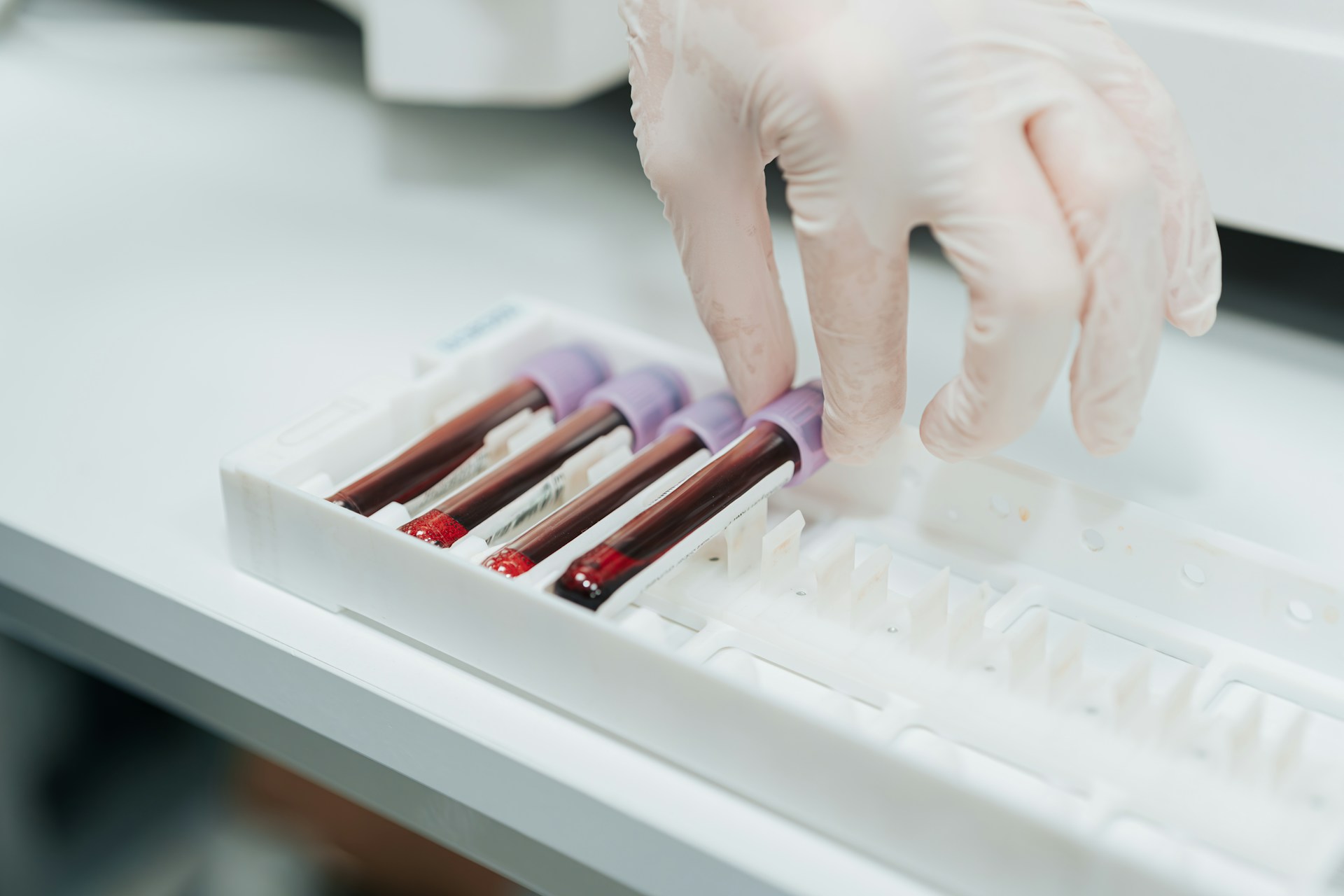
Every lab you miss is one less chance to practice draws, handle tubes, label specimens, and build confidence. Phlebotomy is a hands-on skill, and the more time you spend in lab, the more comfortable you will feel when you step into real patient care spaces later.
Six-Week Countdown to Your First Phlebotomy Lab
Starting early keeps everything calmer. Here is a simple sample timeline many students find helpful:
- 6 weeks out: Read your DuMonde phlebotomy training packet from start to finish, schedule a physical if needed, and gather old shot records or school health files.
- 5 weeks out: Begin any missing vaccinations, start your TB testing, and set dates for your drug screen and background check.
- 3 to 4 weeks out: Complete the second TB step if you are doing the two-step test, and confirm that all lab and screening results have been received and marked as complete.
- 2 weeks out: Buy your required scrubs and non-slip shoes, double-check PPE expectations, and map your main commute plus a backup route.
- 1 week out: Look for any final clearance emails, organize all paperwork in a folder or app, and plan your first week’s transportation and schedule carefully.
This kind of countdown gives clinics and labs time to process results, which is especially helpful during busy spring seasons when many students are starting programs. If anything is confusing, asking early makes it easier for staff to guide you through the next step.
Step Into the Lab Confident and Career-Ready This Spring
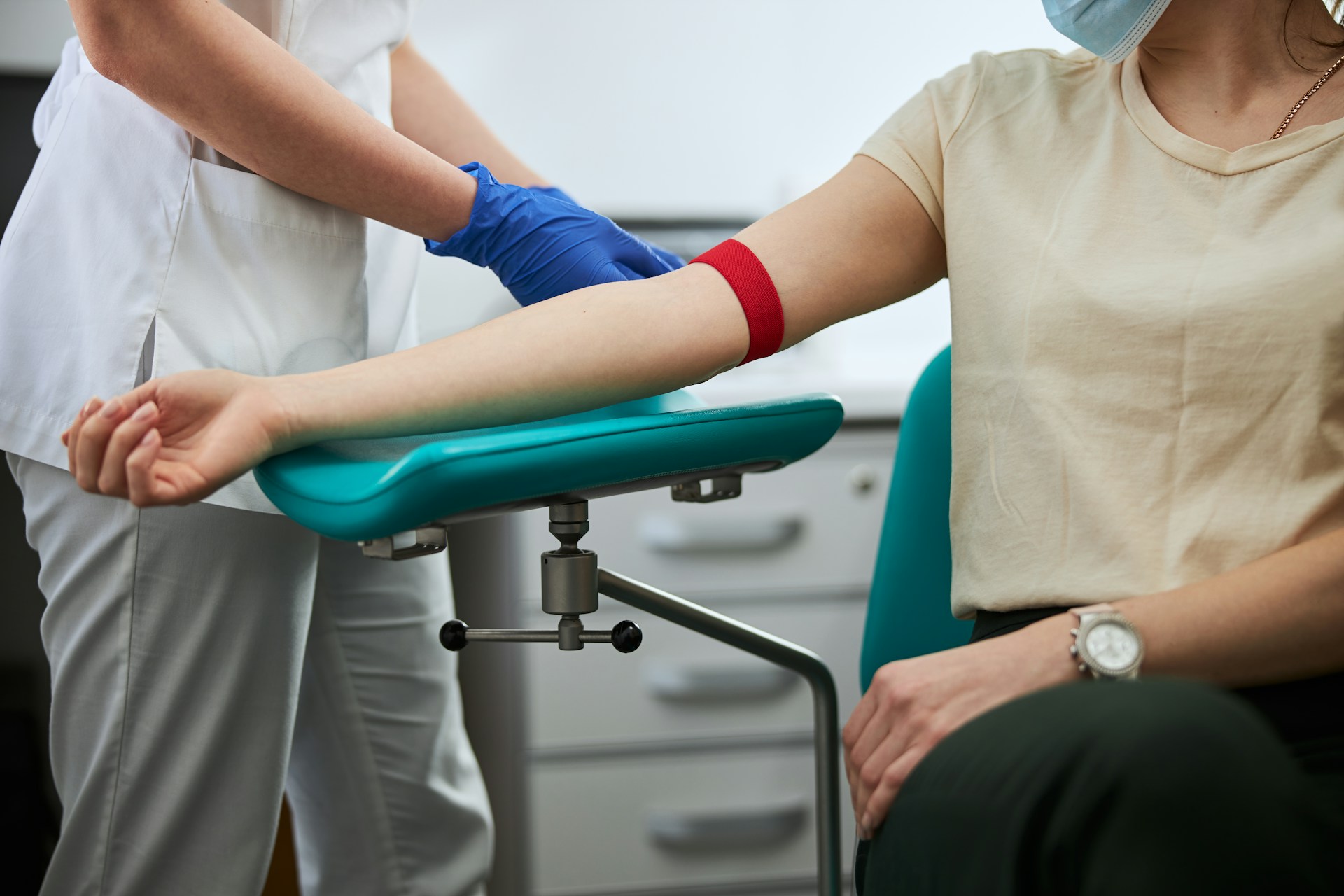
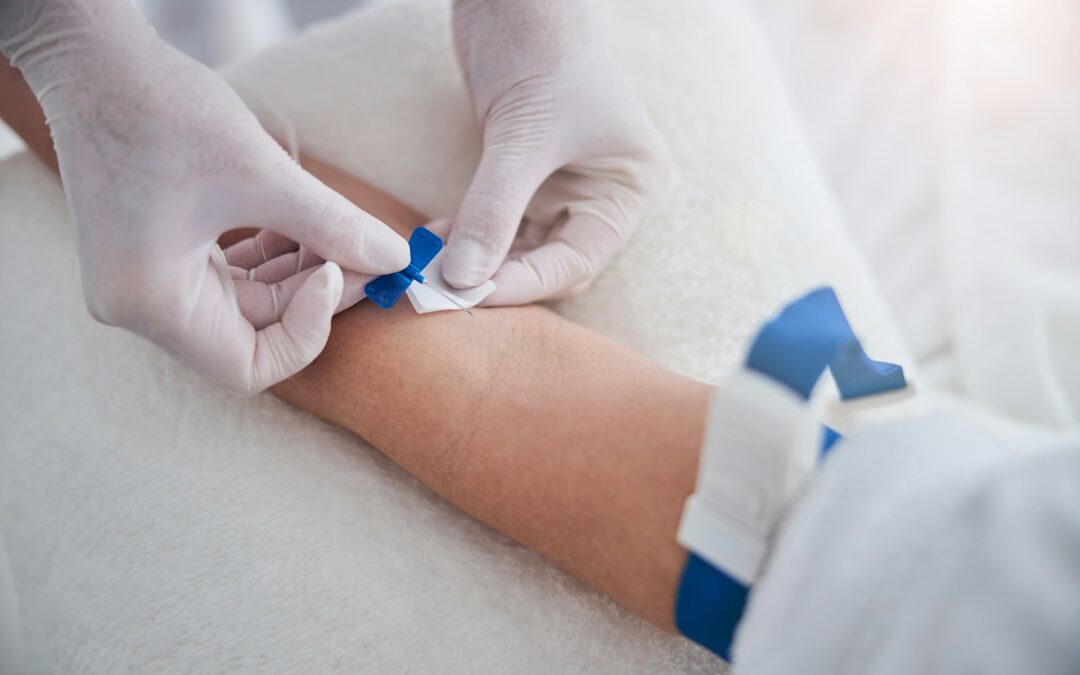
When your health, safety, and compliance tasks are handled ahead of time, your mind is free to focus on what really matters in phlebotomy training, your skills. You can pay attention to needle angles, vein selection, order of draw, and patient comfort instead of worrying about missing papers or late results.
Strong pre-lab preparation also sets the tone for your whole healthcare future. It supports better performance in clinical settings, smoother transitions into externships, and more confidence when you apply for entry-level phlebotomy roles across Georgia. At DuMonde Management & Consulting, through DuMonde Training Center, we see how organized students feel more relaxed, more present, and more ready to grow into safe, dependable healthcare team members once lab doors open each spring.
Advance Your Clinical Skills With Expert Phlebotomy Training
If you are ready to build safer, more confident blood-draw practices for your team, our specialized phlebotomy training is designed to support you. At DuMonde Management & Consulting, we focus on real-world scenarios so staff gain skills they can apply immediately. We tailor our approach to your setting, from hospitals to outpatient clinics, to help reduce errors and improve patient experience. To discuss scheduling or custom options, contact us today.