
LATEST BLOG
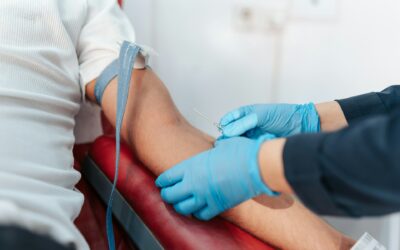
Difficult Venipuncture Guide for CNAs: Adjustments and When to Escalate
Difficult venipuncture is one of those real clinical moments that can turn a calm shift into a stressful one.
Georgia Phlebotomy Spring Lab Readiness: Health, Safety, and Compliance Timeline
Starting phlebotomy training is exciting, but the lab will not wait for you to catch up on health and safety rules.

Phlebotomy for Seniors: Comfort, Communication, and Safety in Senior Living Communities
Phlebotomy for seniors can be challenging for several reasons. Many older adults feel nervous around medical procedures, especially if they involve needles. Some may have trouble understanding what is happening due to memory loss or confusion. Others may feel...
From Classroom to Clinicals: How to Succeed in Phlebotomy Lab Practice and Externships
Phlebotomy students across Georgia often wonder what it really takes to move from the classroom into lab practice and then externships. It can feel like a big leap. January especially brings that shift. While things cool down outside across Roswell, GA, students are...
Choosing a Phlebotomy Training Specialist as a Working Parent
As a working parent, you may want a better job in healthcare without giving up your paycheck or time with your family.
Spring Phlebotomy Micro-Drills for Busy Georgia CNAs (10 Minutes Daily)
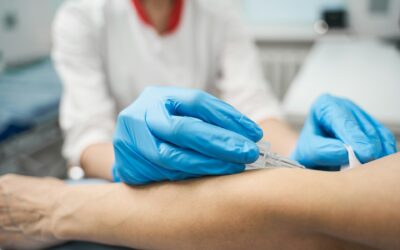
Growing your career while working rotating CNA shifts in Georgia is not easy.
Customer Service in Phlebotomy: Professional Communication That Improves Patient Experience
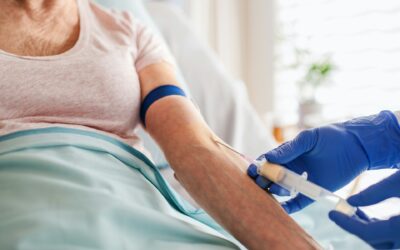
Good communication can turn an uncomfortable experience into something bearable. This is especially true in phlebotomy. For many people, getting blood drawn is scary. Some feel anxious around needles, others worry about pain or embarrassment. From the moment we say...
Infection Control for Phlebotomists: What Healthcare Facilities Expect (and Audit For)
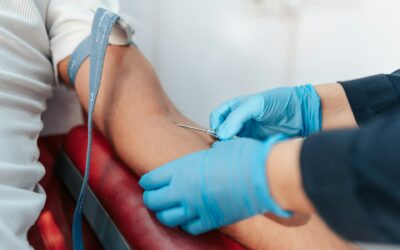
Infection control for phlebotomists isn’t just about keeping things clean. It’s a part of everyday care, and healthcare facilities pay close attention to how well it’s done, especially this time of year. January in Roswell, GA, means higher patient traffic, and colder...
Weekend Phlebotomy Training Paths for Working Georgia CNAs
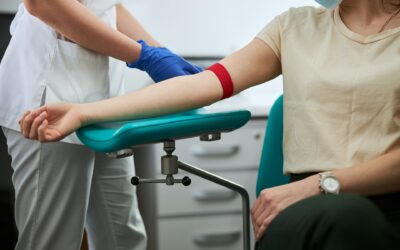
Working as a CNA in Georgia means busy shifts, full days, and a lot of responsibility.