
LATEST BLOG
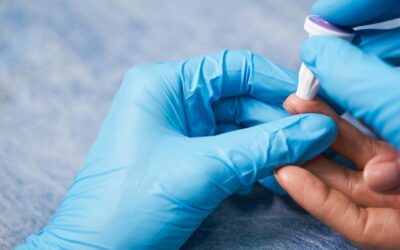
Top Skills Every Entry-Level Phlebotomist Needs (and How to Build Them in Training)
Starting out as a phlebotomist can feel a little intimidating. There is a lot to remember, and when people hear “blood draw,” they do not usually feel excited. That is why it is not just about sticking a needle in the right spot. It is about staying calm, being clear,...
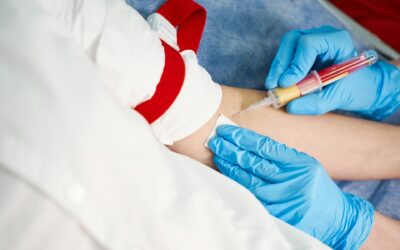
Resume Tips for Phlebotomy Students: How to Highlight Clinical Skills and Certifications
Starting your job search as a new phlebotomy student can feel exciting and a little nerve-wracking. You have put in the hours, passed your training, and now it is time to show what you know. A strong resume gives you the chance to do just that. It does not need to be...
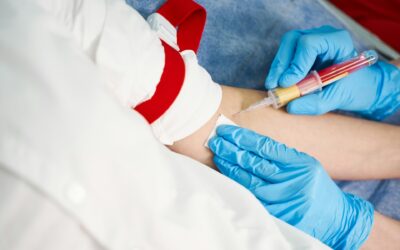
Common Blood Draw Errors New Phlebotomy Students Can Avoid
Blood collection is one of the first hands-on skills many new healthcare workers learn. Each clean, safe blood draw helps a care team get the information they need and helps a patient feel they are in good hands. When you build good habits early, they tend to stay...
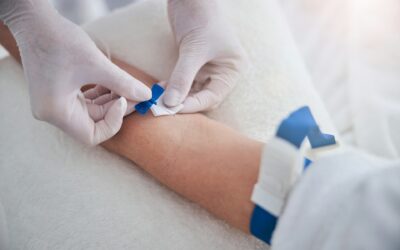
Scheduling Phlebotomy Clinicals Around Rotating CNA Shifts in Georgia
Phlebotomy clinicals follow a set schedule, but CNA work rarely does. In many Georgia care settings, CNAs juggle rotating shifts, mandatory overtime, and last-minute calls to cover open spots. That kind of schedule can make fixed clinical days feel impossible if you...
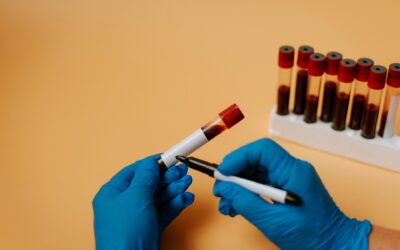
Phlebotomy Safety Essentials: PPE, Sharps Handling, and Exposure Prevention Best Practices
Working in phlebotomy means dealing with blood, needles, and a close-up view of patient health. It is not a job where you can afford to cut corners. Every sample matters, and so does every safety step along the way. For us, having the right habits is what helps...
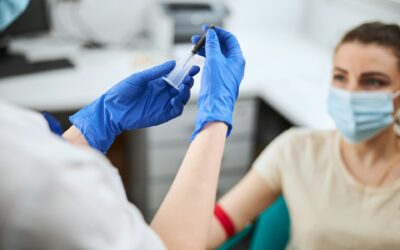
Preventing Hemolysis and Rejected Specimens: The Phlebotomist’s Quality Checklist
Drawing blood might seem simple, but when it is done the wrong way, it can lead to hemolysis and rejected specimens. That creates problems for everyone, from the patient to the provider who needs that lab result to treat them. The small things make a big difference,...
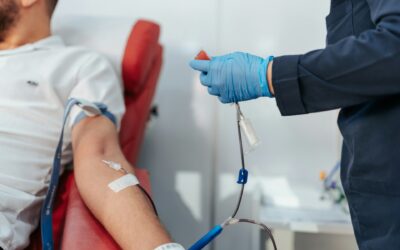
Career Myths about Phlebotomy Training That Hold CNAs Back
CNA work is real, hands-on healthcare. You are the one helping people dress, move, eat, stay safe, and feel heard during long days and long nights. That experience gives you something many people never get in this field: real comfort at the bedside. You already know...
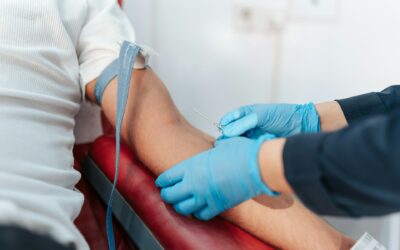
Mastering Venipuncture Sequences in Entry-Level Phlebotomy Training
Venipuncture sequences are the exact steps we follow, in order, every time we draw blood. It might look simple from the outside, but each step has a purpose. The right sequence helps protect the patient, protect you, and protect the lab results that providers depend...

Phlebotomy Documentation That Protects You and the Patient: What to Chart and Why
Phlebotomy documentation is more than just filling out a form or making a few notes. When done well, it becomes a key part of patient care. It protects both the person getting their blood drawn and the one doing the draw. Whether we are working a steady schedule in...