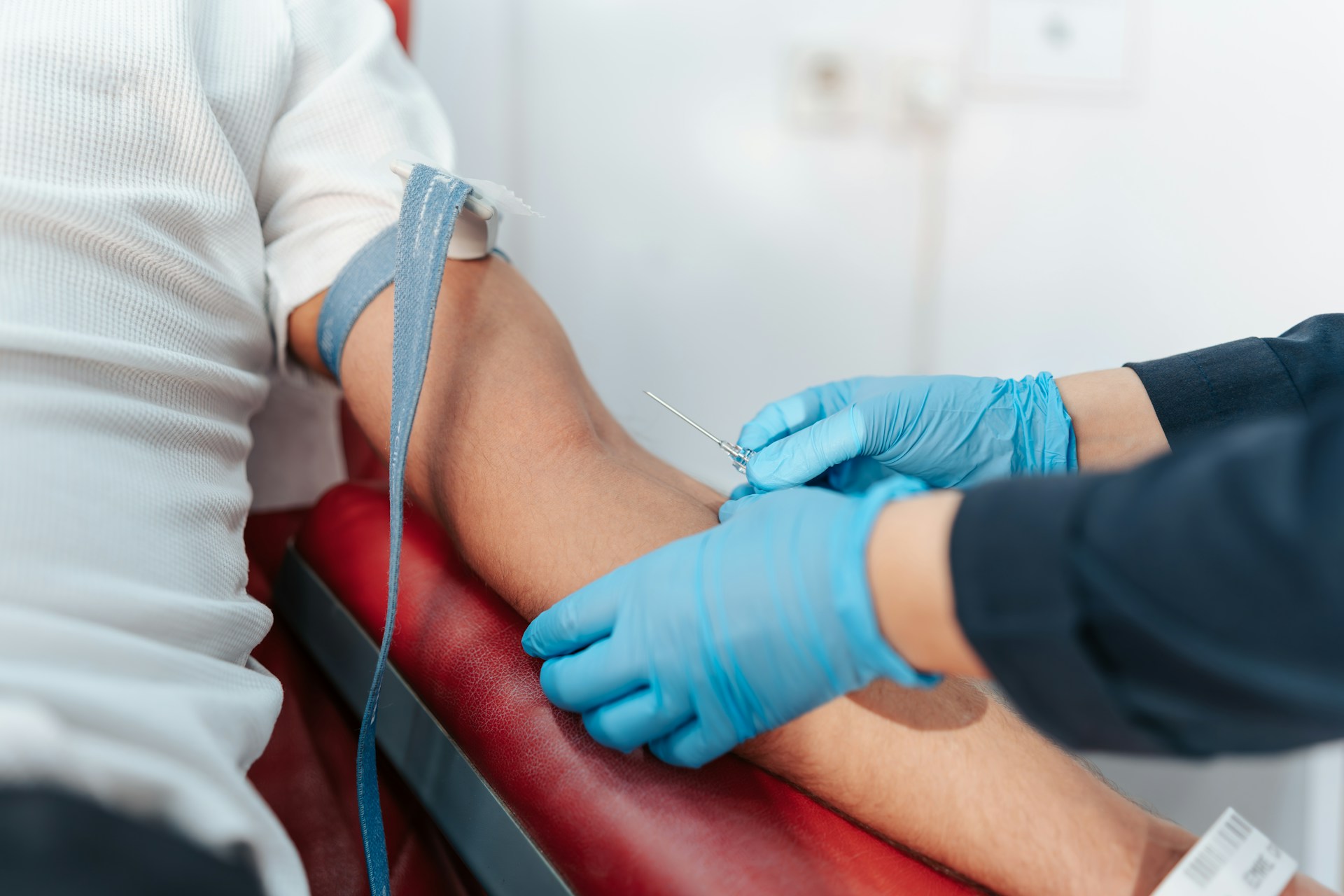
CNA work is real, hands-on healthcare. You are the one helping people dress, move, eat, stay safe, and feel heard during long days and long nights. That experience gives you something many people never get in this field: real comfort at the bedside. You already know how to talk to nervous patients, notice small changes, and keep things clean and safe.
That is exactly why phlebotomy training can open new doors for you. Learning how to draw blood, label specimens, and work with lab teams can move you into higher responsibility roles without leaving patient care behind. Many CNAs think phlebotomy is out of reach, or only for nurses and lab techs, so they never even check out a class. We want to clear up those myths so you can decide with confidence. When you start early in the year, you can be ready for spring hiring waves in hospitals, labs, and clinics that need people with both CNA and phlebotomy skills.
Myth 1: CNA Experience Is Not Enough for Phlebotomy
One big myth is that only people with lab backgrounds or nursing licenses can handle phlebotomy. That idea keeps a lot of strong CNAs stuck in the same role for years. The truth is, your CNA experience is one of the best starting points you can have.
Think about what you already do every day. You check and report vital signs. You follow infection control steps like handwashing and glove use. You talk with patients who are scared, tired, or in pain. You know how to protect privacy, keep charts accurate, and follow directions from nurses and providers. All of that is the core of safe phlebotomy work.
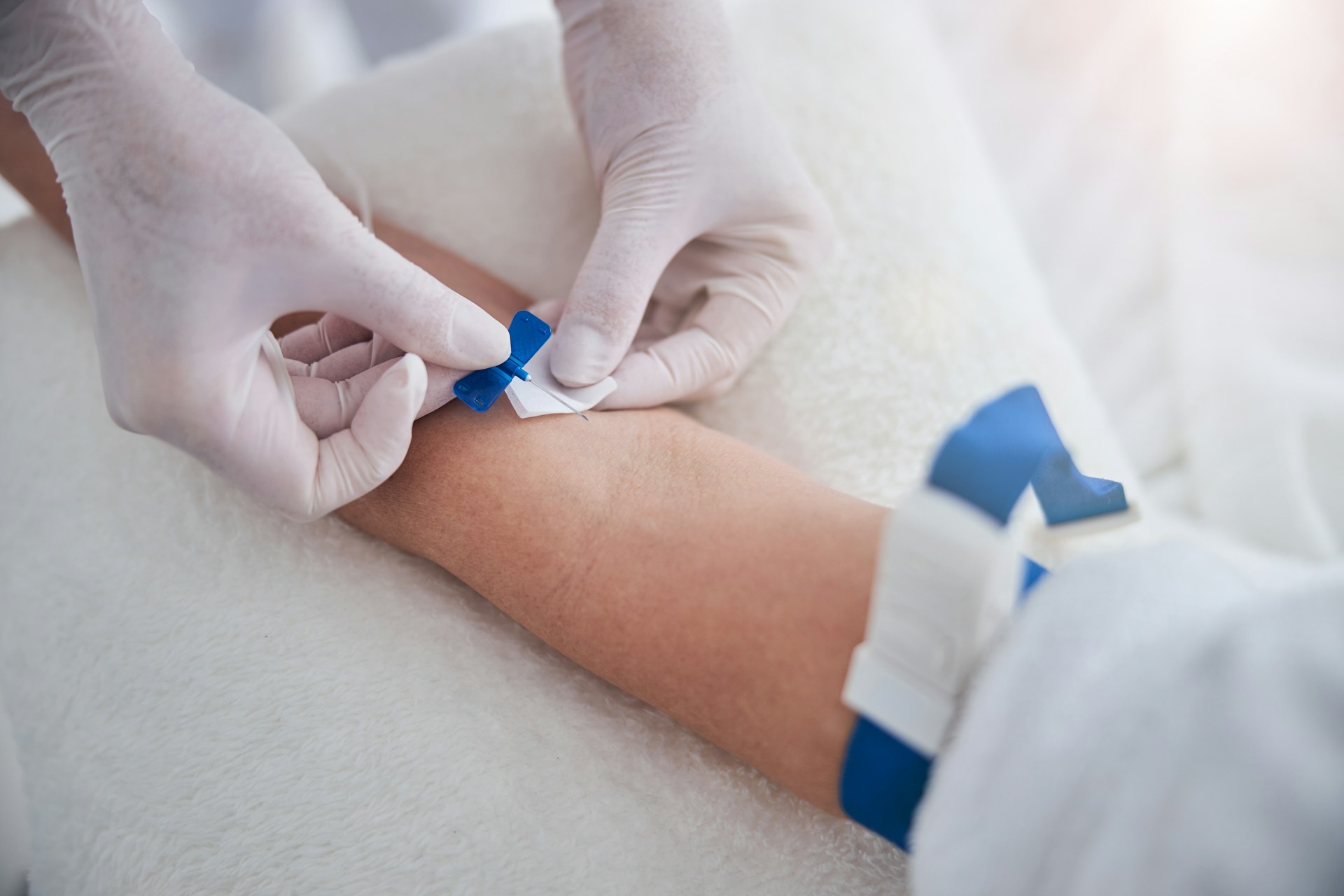
The technical parts of phlebotomy, like venipuncture technique, specimen handling, and safety protocols, are not things you are expected to already know. That is exactly what a structured phlebotomy training program is built to teach. In a focused course, you learn where to place the needle, what order to fill tubes, how to avoid cross-contamination, and how to keep yourself and patients safe. Your CNA background gives you a strong base, and the training adds the hands-on blood draw skills that complete the picture.
Myth 2: Phlebotomy Training Is Too Hard While Working
Another common worry is that it is impossible to work as a CNA and go through phlebotomy training at the same time. Schedules feel packed already, and winter and early spring can be busy in many facilities. It is easy to think, “There is no way I can add one more thing.”
The good news is that quality phlebotomy classes are often built with working adults in mind. Short-term programs, evening schedules, and weekend options can make training more realistic. Instead of long days in class, you may have a few focused sessions each week that fit around your shifts. Because the training is targeted and hands-on, you are not wasting time on random subjects. You are learning skills you will use right away.
A few tips can help you manage both work and training:
- Plan small study blocks on your days off, even just 30 to 45 minutes
- Use a simple planner or phone calendar to track class days and homework
- Talk with your supervisor about your goals so they understand why you may need small schedule tweaks
- Use your CNA shifts as practice for soft skills like calming anxious people, explaining procedures, and staying gentle but firm
When you think of training as a short, intense season that can lead to years of new options, it can feel much more worth the effort.
Myth 3: Phlebotomy Doesn’t Lead to Better Pay or Growth
Some CNAs worry that phlebotomy is just a sideways move with no real growth. They may think, “I will still be entry-level, just with needles now.” That idea often comes from not knowing how many roles start with phlebotomy training.
Phlebotomy can open doors into:
- Hospital phlebotomist positions on different units
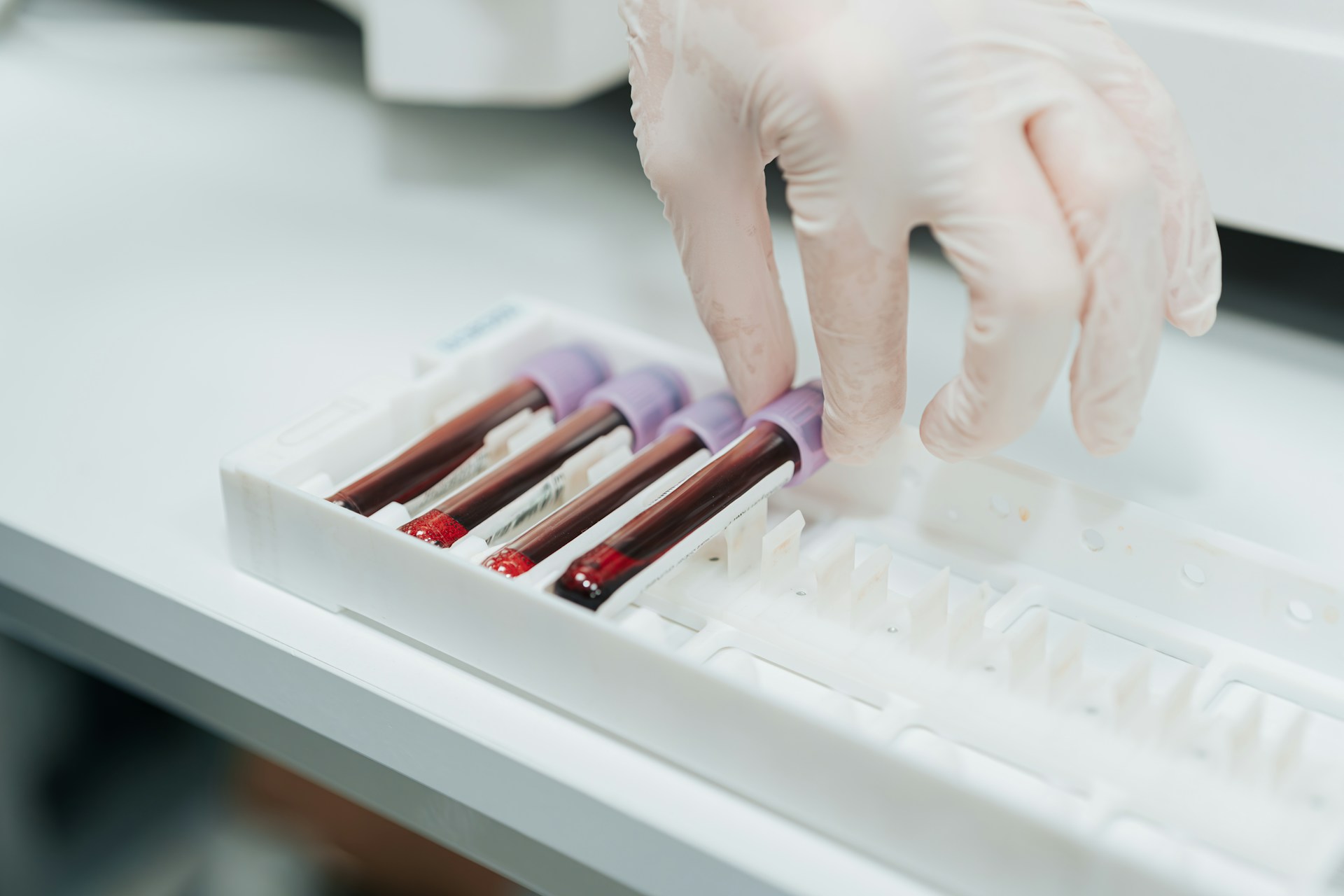
- Lab assistant roles where you work with specimens and lab staff
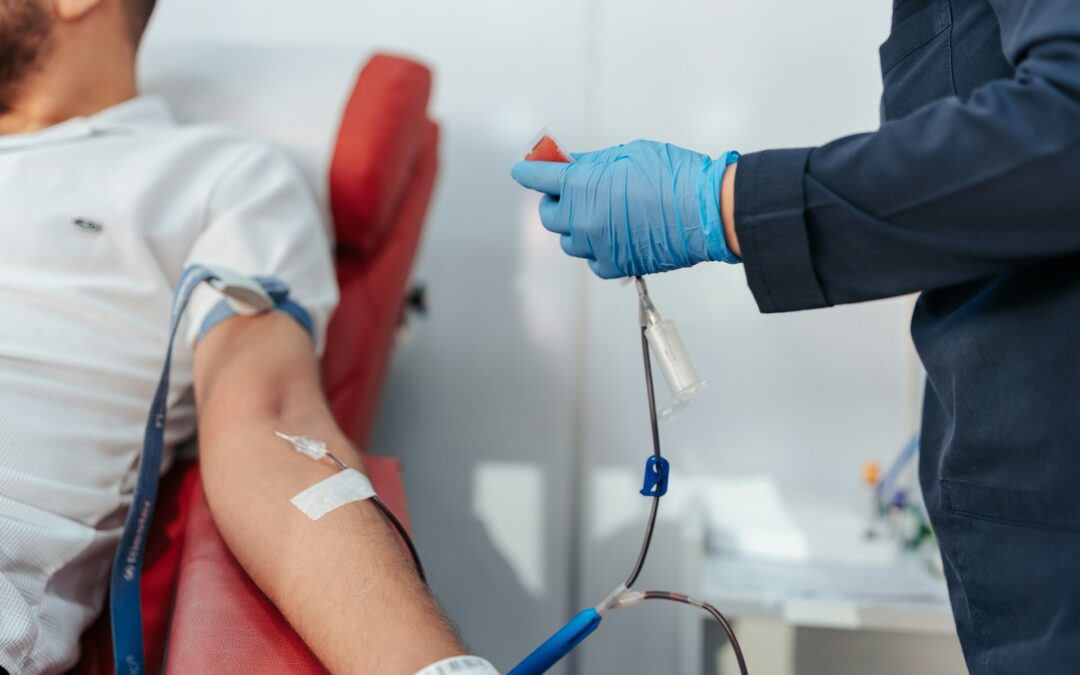
- Donor center work for blood drives and donation centers
- Clinic positions that mix rooming patients with drawing blood
For CNAs, phlebotomy can also be a strong stepping-stone if you want to keep growing into LPN, RN, or medical lab careers later. You gain a clearer view of how lab results affect treatment, how orders flow, and how teams communicate. That understanding can help you in future classes and on future jobs.
In agencies, long-term care centers, and outpatient clinics across Georgia, a CNA who can also draw blood safely is especially valuable. You understand daily care and lab needs at the same time, so you can support both bedside staff and lab teams. That mixed-skill set can give you a stronger position when you apply for new roles or want to move to a different shift or setting.
Myth 4: Blood Draws Are Too Scary or Risky to Learn
Even very caring CNAs sometimes avoid phlebotomy because it feels scary. You may worry about hurting someone, missing a vein, or causing a problem. If you are already a gentle, patient-centered caregiver, those fears can feel even stronger, because you never want to cause pain.
A good phlebotomy program breaks the blood draw process into clear, simple steps. You do not start with hard sticks on real patients without support. Instead, you learn about anatomy, safety, and infection control. You practice with equipment, review how to handle needles and sharps, and go through role-play for patient communication. Then you move into supervised hands-on practice so you can build skill and confidence with a trained instructor right there with you.
Your existing mindset as a CNA is actually a big plus here. You already know how to explain what you are doing, watch for signs of dizziness or fear, and keep things calm. Those habits lower risk and improve comfort. With proper phlebotomy training and safe practice, most CNAs find that blood draws feel less scary than they expected, and their fear turns into respect and care for the process instead.
Turn Your CNA Experience Into a Phlebotomy Advantage
Phlebotomy does not have to be a totally new career path that replaces what you do now. You can see it as a smart add-on skill that makes your CNA experience more powerful and flexible. When you bring both sets of skills to a job, you can support patients from the first hello to the moment their lab work reaches the next step.
If you are in or near Roswell and curious about phlebotomy training, the next move can be simple. Start by checking local class options, especially those that begin around February or early spring, when planning ahead for hiring waves makes sense. Write down questions about schedules, clinical practice, and how the program fits with CNA experience so you can get clear answers.
At DuMonde Management & Consulting, we focus on helping healthcare workers grow in real, practical ways. Our healthcare training center in Roswell offers CNA, CMA, and phlebotomy programs, along with consulting support for agencies and facilities. When you bring your CNA background into a focused phlebotomy course, you are not starting from zero; you are building on everything you already know to shape the next chapter of your healthcare career.
Take The Next Step Toward A Confident Healthcare Career
If you are ready to build practical skills that employers recognize, our phlebotomy training can help you move forward with confidence. At DuMonde Management & Consulting, we focus on real-world preparation so you feel ready on day one. We are here to answer your questions, walk you through enrollment, and help you choose the schedule that fits your life. If you are considering your options or want to get started, contact us today.