You are already working as a CNA, you enjoy caring for patients, and now you are wondering if phlebotomy might be your next move. That is a smart question to ask, because both roles keep you close to patients, but the workdays feel very different. Choosing the right track can help you feel less drained and more excited to go to work.
In this guide, we walk through a simple decision-tree-style quiz. You will compare work settings, temperament, physical demands, schedules, and certification steps. By the end, you can see if you should stay mostly in a CNA role, add phlebotomy skills, or move toward phlebotomy as your main track. As a Roswell, Georgia training center that offers CNA, CMA, and phlebotomy training, we want to help you find the path that truly fits you.
Work Setting Matchup CNA vs. Phlebotomy
First question in the quiz: where do you actually want to spend your day?
CNA work often happens in long-term care, assisted living, home health, or hospital floors. You may help the same patients with dressing, bathing, meals, and mobility. There is a lot of talking, checking in, and seeing the same faces over and over.
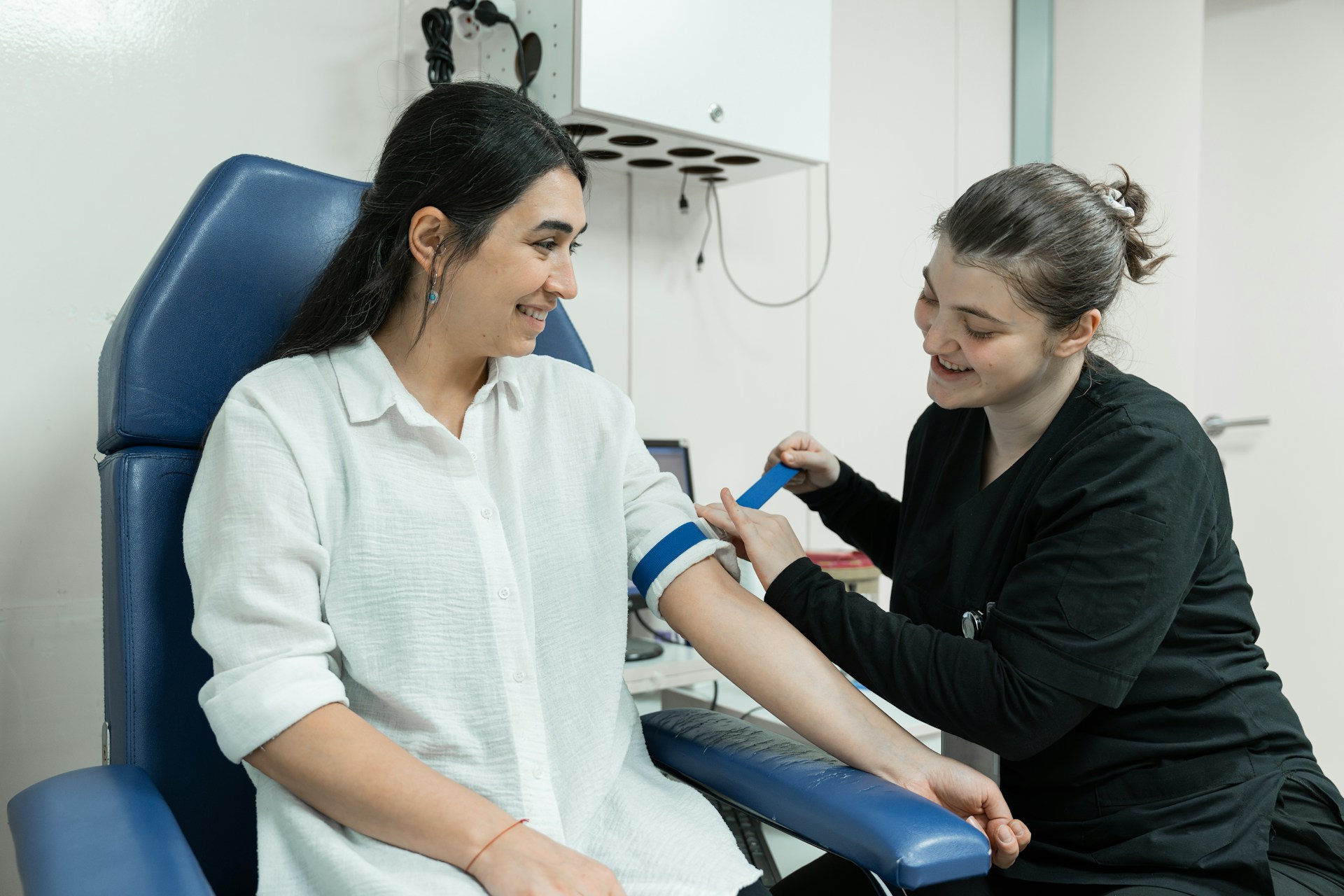
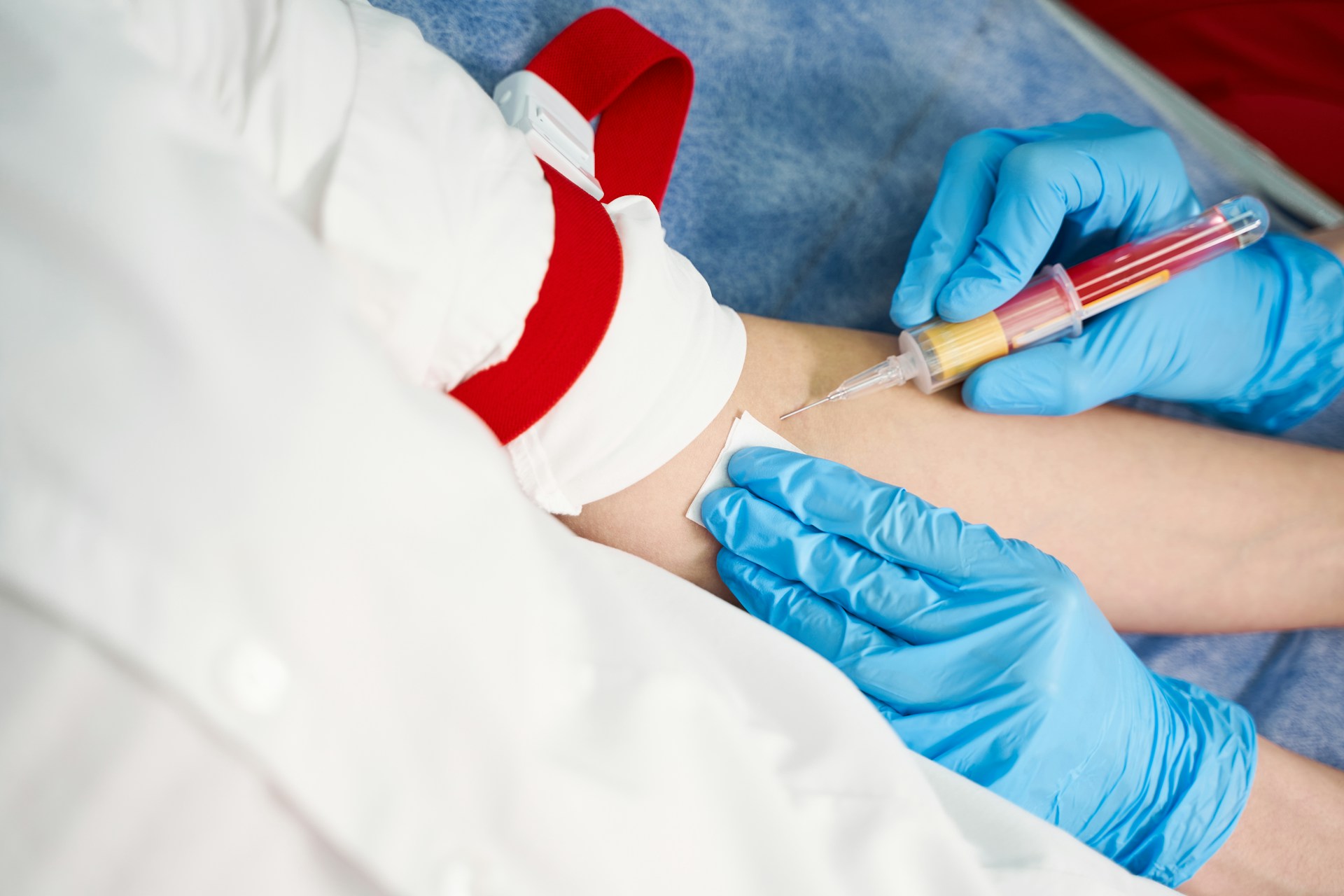
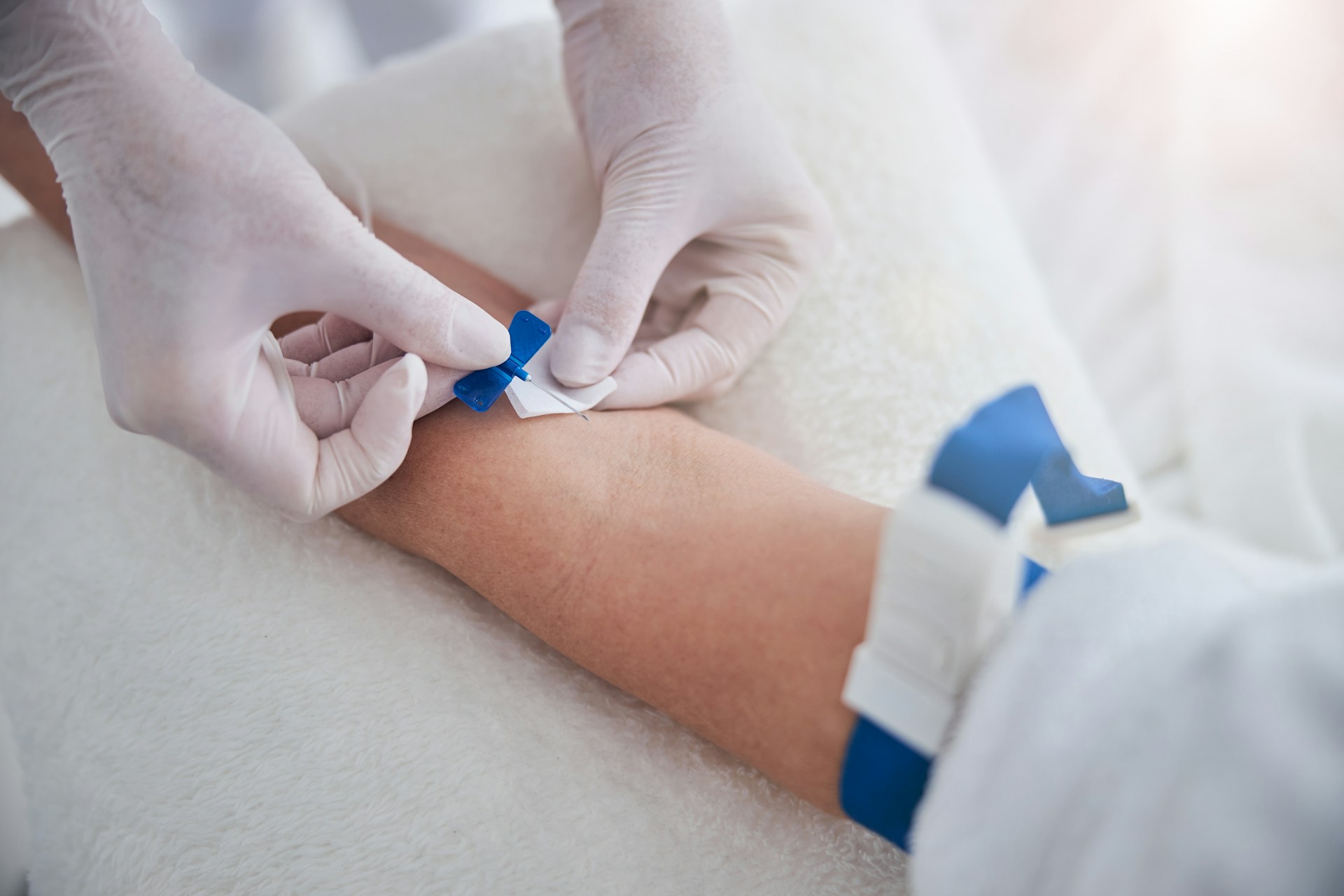
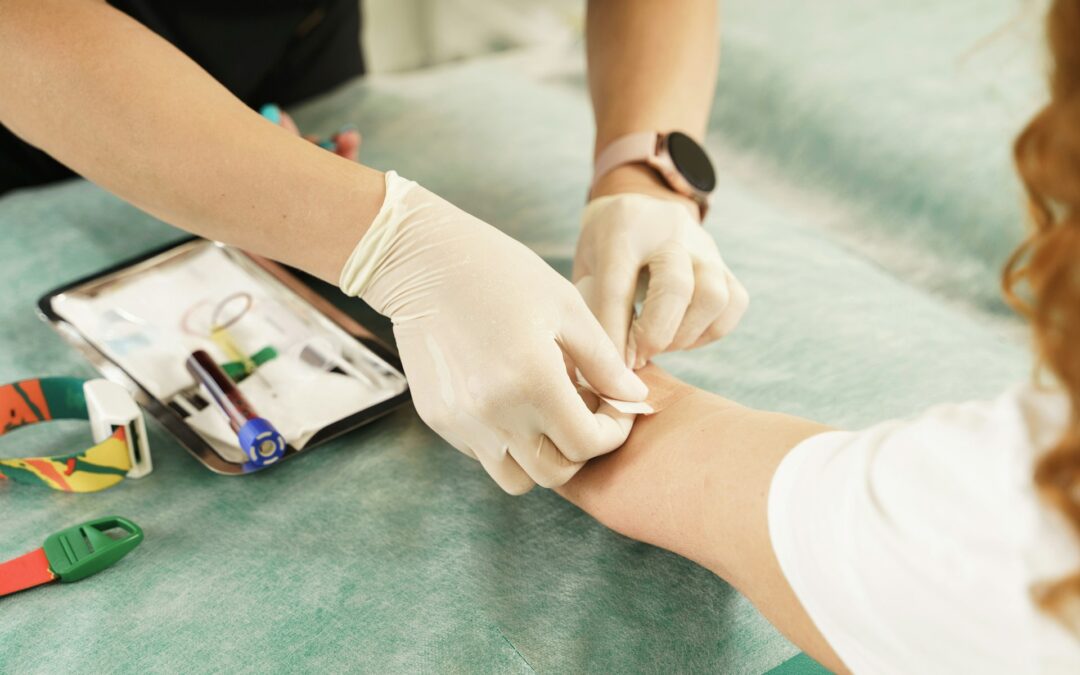
Phlebotomy work is usually in hospital labs, outpatient labs, blood donation centers, or physician offices. You meet many different patients, but only for a few minutes at a time while you collect blood samples. You are in and out of rooms, moving from one draw to the next.
Ask yourself:
- Do you enjoy extended time with the same patients, helping with daily living?
- Do you like quick, focused interactions with many different patients each day?
- Would you rather walk hallways on a nursing unit, or move between lab chairs and draw stations?
- Do you want more chances to work in clinic or lab spaces instead of long-term care?
If you love being the steady helper for the same group of patients, then staying CNA-focused can feel very rewarding, with phlebotomy as a bonus skill. If you prefer short, focused tasks and the idea of a lab or clinic setting sounds appealing, phlebotomy may be your best track.
Adding phlebotomy training can also give CNAs more choices. It may help you qualify for roles in hospitals or clinics, not just long-term care. Many people like to start training in the spring so they can be ready to apply when healthcare employers are staffing up for the busy summer months.
Temperament Check Are You Wired for Phlebotomy
Next question: how are you wired on the inside?
Phlebotomy tends to fit people who are calm under pressure, careful with details, and good at quick communication. You will often be the person holding the needle when a patient is nervous, so your tone, body language, and confidence matter.
Try these quiz prompts:
- Do you stay steady when patients are anxious or fearful?
- Are you patient enough to follow each step the same way every time?
- Do you like tasks where you can see a clear, finished result, like a successful blood draw?
- Do you prefer building long-term emotional bonds with patients, or do brief, kind interactions feel better to you?
If you enjoy deep, long-term bonds and lots of talking, CNA-heavy roles usually fit that well. You can still add phlebotomy skills so you are more flexible, but your heart might stay at the bedside.
If you like short conversations, problem solving on the spot, and getting the technique just right, phlebotomy might be a strong match.
It is also normal to be nervous about needles or blood. Many people worry they will hurt someone or mess up a draw. A good phlebotomy training program gives you hands-on practice, coaching, and repetition so your confidence grows step by step. At our training center in Roswell, we focus on making those first draws feel as safe and supported as possible.
Physical Demands and Daily Tasks Reality Check
Now look at the physical side of the quiz.
CNA work often includes lifting, repositioning, helping with transfers, and long periods of standing. You may feel the strain in your back, shoulders, or knees. On busy days, your body is working hard from the start of the shift to the end.
Phlebotomy has its own demands, but they are different. You still stand and walk a lot, but there is usually less heavy lifting. You use fine motor skills for blood draws, repeat similar motions with your hands and arms, and follow strict steps for safety and specimen handling.
Ask yourself:
- Do you find lifting and transferring patients physically exhausting?
- Are you comfortable with precise hand skills and small, careful movements?
- Does your body feel ready for more years of high-strain work, or are you already feeling worn down?
- Would a role with less heavy lifting but steady standing and walking feel like a better fit?
If you love bedside care but feel your body getting tired, phlebotomy may give you a way to stay in patient care with fewer high-strain movements. That can be very helpful before busy seasons, when patient volumes and physical demands often rise.
Schedule, Certification, and Career Growth Snapshot
Next, think about your time and your long-term goals.
CNA schedules are often built around 12 hour shifts, nights, weekends, and holidays. This can work well if you like having weekdays off or you are used to rotating shifts, but it can be hard if you have family or school needs.
Phlebotomy schedules can vary. Hospital phlebotomists may work early mornings and rotating shifts. Outpatient labs and clinics may offer more predictable daytime hours. Blood donation centers may have a mix of days, evenings, and some weekends.
Quiz yourself:
- Do you need more predictable daytime hours for family or school?
- Are you open to very early mornings in hospital labs?
- Do you prefer a role where the work is more task-based and less focused on full personal care?
- Are you interested in a clear, specialized skill set that can grow over time?
Phlebotomy training is usually shorter than many advanced healthcare programs, and it focuses on skills like venipuncture, specimen labeling and handling, safety, and infection control. CNA training covers personal care, basic nursing skills, and support with daily living.
Our phlebotomy training is built with CNAs and other entry-level healthcare workers in mind. If you already understand patient care, adding focused blood draw skills can be a fast way into a more specialized role and can work as a strong bridge to other healthcare paths later.
Your 30 60 90 Day Plan Toward Phlebotomy
Finally, turn your quiz answers into an action plan.
In the first 0 to 30 days, spend time on self-assessment. Use the questions in this guide and be honest about what you want your workday to feel like. Talk with CNAs and phlebotomists you know, and ask what their typical day looks like. Attend an information session at DuMonde Management & Consulting so you can learn how phlebotomy training fits with your current job, schedule, and family needs. Start gathering any needed documents and think through transportation and time off.
From 31 to 60 days, if your quiz points toward phlebotomy, move into planning mode. Enroll in a phlebotomy class that lines up with your schedule. Build a simple weekly routine for study and practice so you do not fall behind. Keep a skills checklist with things like number of venipuncture attempts, comfort with different collection sites, and how confident you feel talking patients through a draw. Begin updating your resume so it clearly lists your CNA background along with your new phlebotomy skills.
From 61 to 90 days, focus on finishing strong. Complete your training hours and follow your instructor’s guidance as you prepare for any needed certification exams. Start watching for entry-level phlebotomy or hybrid CNA and phlebotomy roles in settings that match your quiz answers, like clinics, labs, or hospitals. Try to time your training so you are ready to apply as late summer and early fall hiring cycles pick up.
At DuMonde Management & Consulting in Roswell, we see how powerful it can be when a CNA adds phlebotomy training at the right time. By using this decision-tree quiz and 30 60 90 day plan, you can choose a path that fits your work setting preferences, temperament, body, and schedule, and build a patient care career that feels right for you.
Take The Next Step Toward A Career In Healthcare
If you are ready to build practical skills and open doors to new opportunities, our phlebotomy training is designed to help you move forward with confidence. At DuMonde Management & Consulting, we focus on real-world preparation so you can feel prepared from day one on the job. Whether you are just starting out or looking to add a new credential, we are here to support your goals. If you have questions about schedules, enrollment, or program details, contact us today.