Venipuncture sequences are the exact steps we follow, in order, every time we draw blood. It might look simple from the outside, but each step has a purpose. The right sequence helps protect the patient, protect you, and protect the lab results that providers depend on. When you learn that sequence early in phlebotomy training, everything starts to feel smoother and safer.
For new students, this clear, repeatable order can calm a lot of nerves. You do not have to guess what comes next; you just follow the plan. Patients feel that confidence, even if you are new. In Georgia, clinics, labs, and long-term care settings look for entry-level staff who can walk into a room, follow the venipuncture sequence, and get a clean draw without drama. As spring and summer scheduling starts to fill up, those skills can help you stand out.
Why Sequence Matters in Phlebotomy Training
A consistent venipuncture sequence is about safety and accuracy. When you repeat the same steps in the same order, you lower the chance of:
- Grabbing the wrong tube or missing a test
- Mislabeled or unlabeled specimens
- Needlestick injuries to yourself or others
- Samples that get rejected by the lab
When students rush or skip around, mistakes add up. A label might get placed on the wrong tube. A tourniquet might stay on too long. A needle might be uncapped before the area is ready. With a set sequence, you learn to slow your mind, even when the clinic is busy.
Structured phlebotomy training helps you think in clear steps instead of jumping ahead. You learn to see the whole process, from greeting the patient to throwing away the last piece of trash. Employers pay close attention to this. During flu spikes, allergy season, and other busy times, they want people who can follow protocols exactly, not guess on the fly. Strong sequence habits help you handle that pressure while keeping patients safe.
Step One to Success: Pre-Draw Preparation
Good venipuncture starts before the needle even comes out of the package. Pre-draw work sets the tone for the whole experience. Your first steps should always include:
- Correctly identifying the patient using the required identifiers
- Reviewing the provider’s orders so you know which tests are needed
- Gathering the right tubes, needles, tourniquet, alcohol pads, and gauze
- Checking expiration dates on tubes and supplies
Infection control begins here too. Proper hand hygiene, clean gloves, and a tidy setup reduce risk. An organized tray keeps you from reaching or fumbling once you start the draw. That helps you keep your focus on the patient, not on hunting down a missing tube.
Communication is part of preparation as well. Explain what you are going to do in simple language. Answer questions if the patient looks nervous. Position the arm so you can see and reach the veins without twisting. Take a moment to assess which vein is best before the first attempt. These habits lower the chance of multiple sticks and show the patient that you respect their comfort.
Perfecting the Venipuncture Sequence at the Draw Site
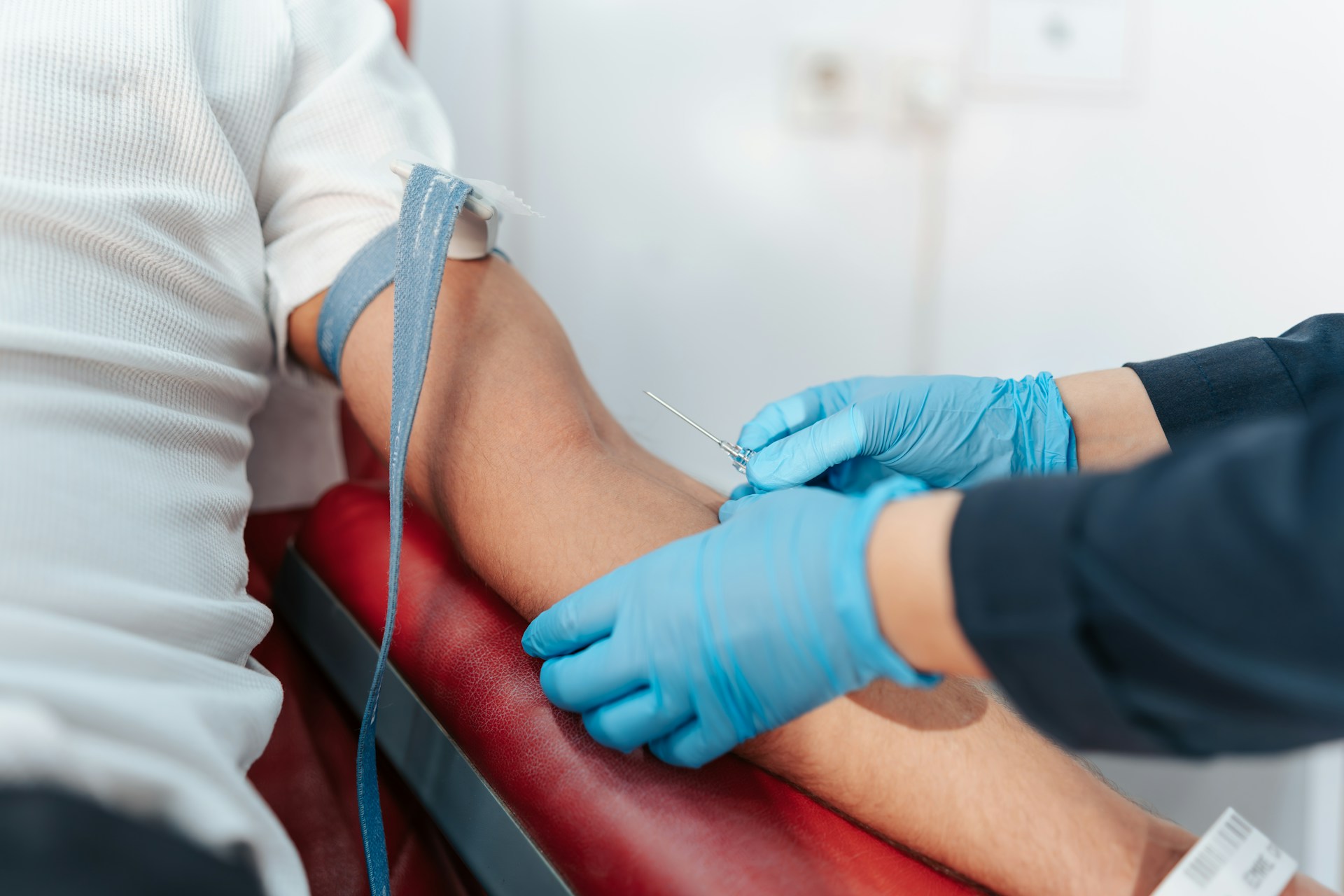
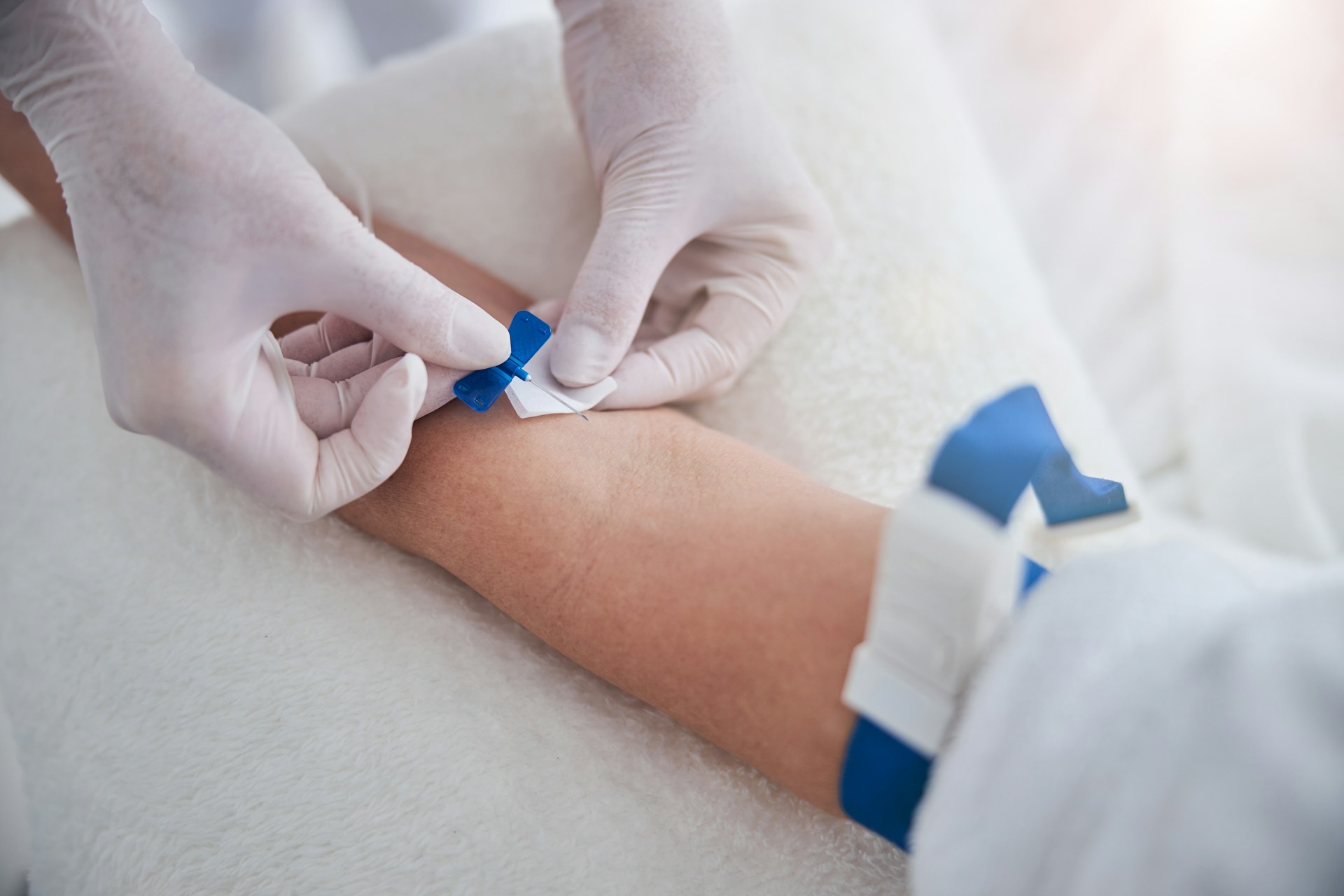
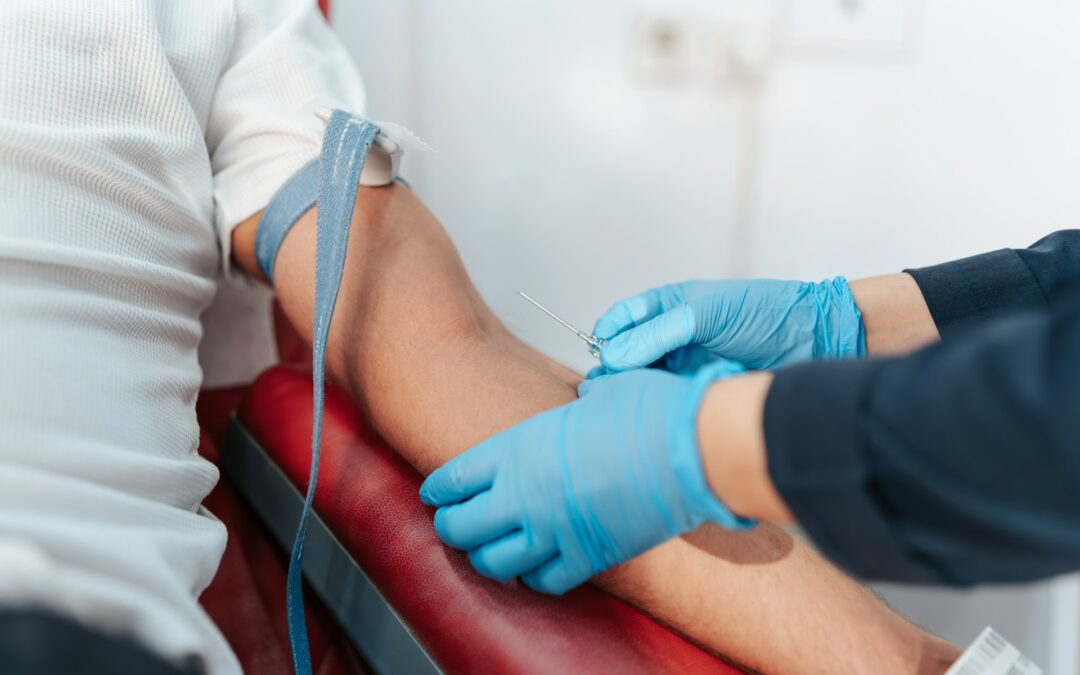
At the draw site, sequence keeps you steady. A typical order looks something like this:
- Apply the tourniquet at the right tension and distance from the site
- Select the best vein, often in the antecubital area, based on feel and location
- Clean the skin with the proper motion and allow it to dry
- Anchor the vein, then insert the needle at the correct angle
- Keep your hand stable as you attach and fill tubes
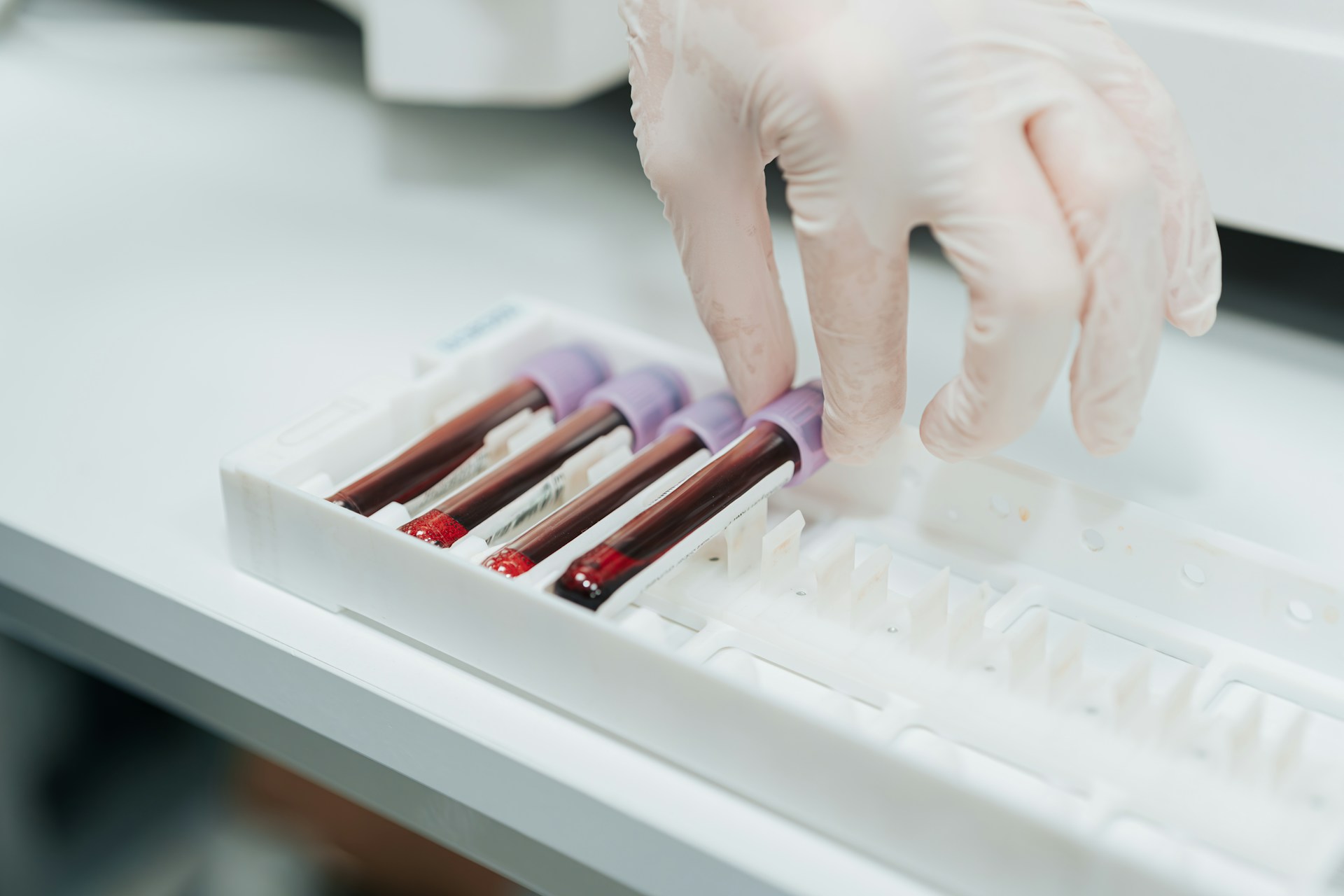
During phlebotomy training, you also learn the standard order of draw for common vacuum tubes. Filling tubes in the right order helps prevent additives from one tube getting into another. That keeps lab results more reliable and reduces the chance that a specimen will be rejected.
New students often run into the same mistakes. Some forget to release the tourniquet before pulling the needle. Others move the needle around in the vein when a tube does not fill right away, which can cause pain and bruising. Some do not invert tubes as directed, which can affect test results. With guided practice and feedback, you can correct these habits early, so the proper sequence feels natural.
Post-Draw Protocols That Protect Patients and Specimens
Once the last tube is full, the sequence still matters. Closing steps help keep patients safe and protect specimen quality. A safe, consistent order might include:
- Remove the final tube while keeping the needle stable
- Release the tourniquet before withdrawing the needle
- Withdraw the needle in a smooth motion and activate the safety device right away
- Apply clean gauze and direct the patient to hold firm pressure
Labeling comes next, and it needs full attention. Tubes should be labeled while you are still at the patient’s side, using the required identifiers and matching the orders exactly. Clear, correct labels help reduce delays and repeat draws.
Specimen handling and transport are also part of good venipuncture habits. Some tubes need gentle inversion, some need to stay upright, and all need timely delivery to the lab. After cleanup, sharps go into an approved container, and other waste goes into the appropriate bins. A brief check-in with the patient helps you catch any early signs of dizziness or other reactions. With repetition during phlebotomy training, these closing tasks become second nature.
Turn Classroom Practice Into a Phlebotomy Career
When you put all these pieces together, venipuncture turns from a scary skill into a reliable routine. Pre-draw preparation, step-by-step technique, and careful post-draw work all build on each other. That full sequence is what hiring managers want to see when they bring on new entry-level staff. It shows that you respect patients, understand safety, and are ready to be part of a healthcare team.
At DuMonde Management & Consulting in Roswell, we keep phlebotomy training focused on these real-world skills. Small groups, live practice, and guidance from experienced instructors help you repeat the venipuncture sequence until it feels comfortable and consistent. With each successful draw, your confidence grows, your technique improves, and you move closer to a steady, phlebotomy-focused role in Georgia’s busy healthcare settings.
Take The Next Step Toward A Confident Healthcare Career
If you are ready to build practical skills that employers value, our phlebotomy training is designed to help you move forward with confidence. At DuMonde Management & Consulting, we focus on real-world preparation so you can walk into your first role feeling ready. If you have questions about schedules, enrollment, or program details, contact us and we will help you get started.