Mobile phlebotomy is becoming more common across Atlanta, especially for patients who have a hard time getting to clinics or labs on their own. Whether it is a senior in a care facility, someone recovering at home, or a patient with mobility challenges, it makes a big difference when health services come to them. As healthcare shifts to be more flexible, we are seeing new jobs open for those who want to support patients directly in their own space. If you have completed nursing aide training, mobile phlebotomy could be a natural next step. It blends patient care with clinical skill and gives you the chance to work in a more independent way.
This article breaks down how mobile phlebotomy works, who it helps, and how to get started in this role, especially in areas like Roswell, GA, where demand continues to grow.
What Is Mobile Phlebotomy
Mobile phlebotomy means bringing blood collection services directly to patients. Instead of working in a single clinic or hospital, mobile phlebotomists drive to different locations during the day. These visits might happen at:
• Private homes
• Assisted living communities
• Rehabilitation centers
• Long-term care facilities
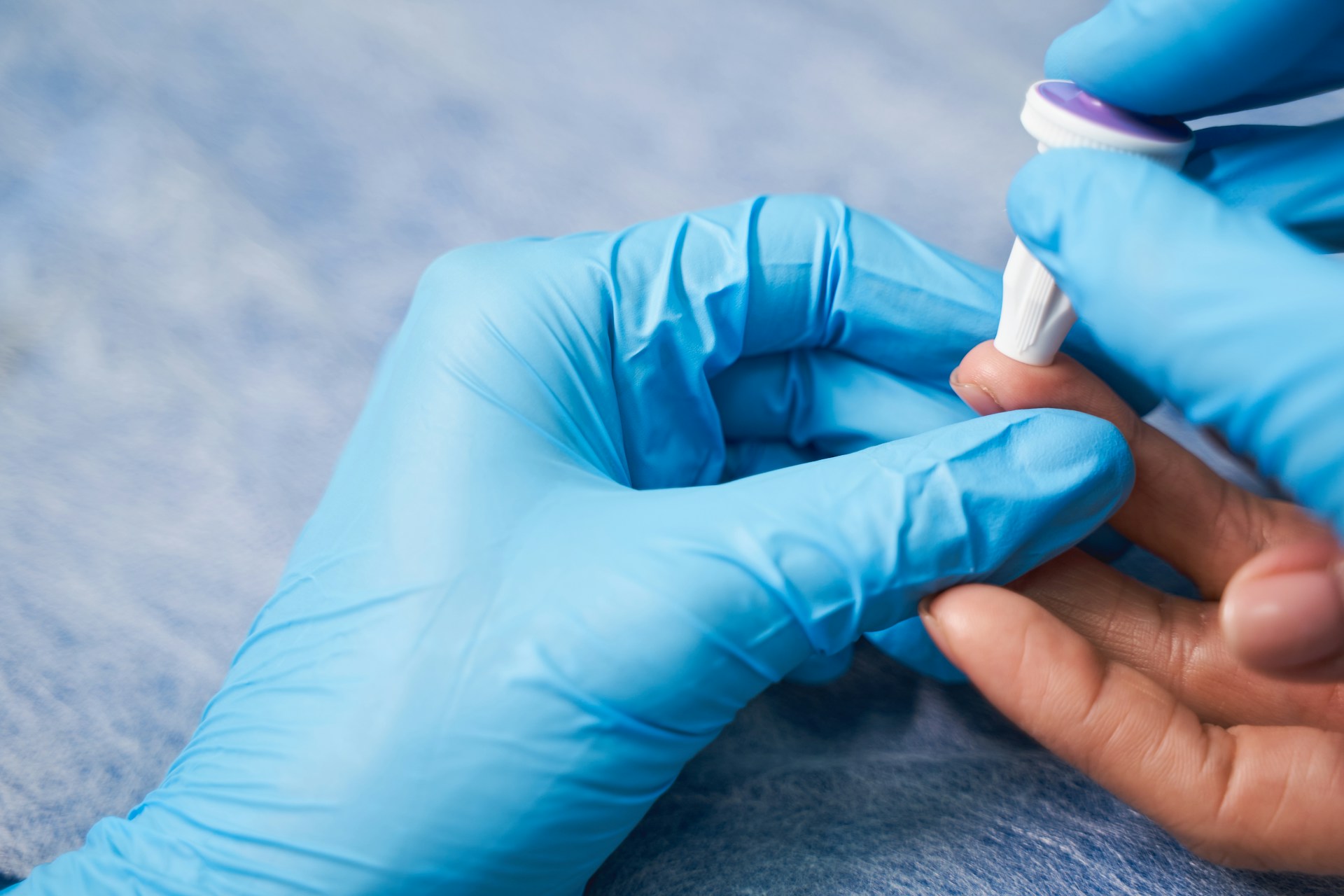
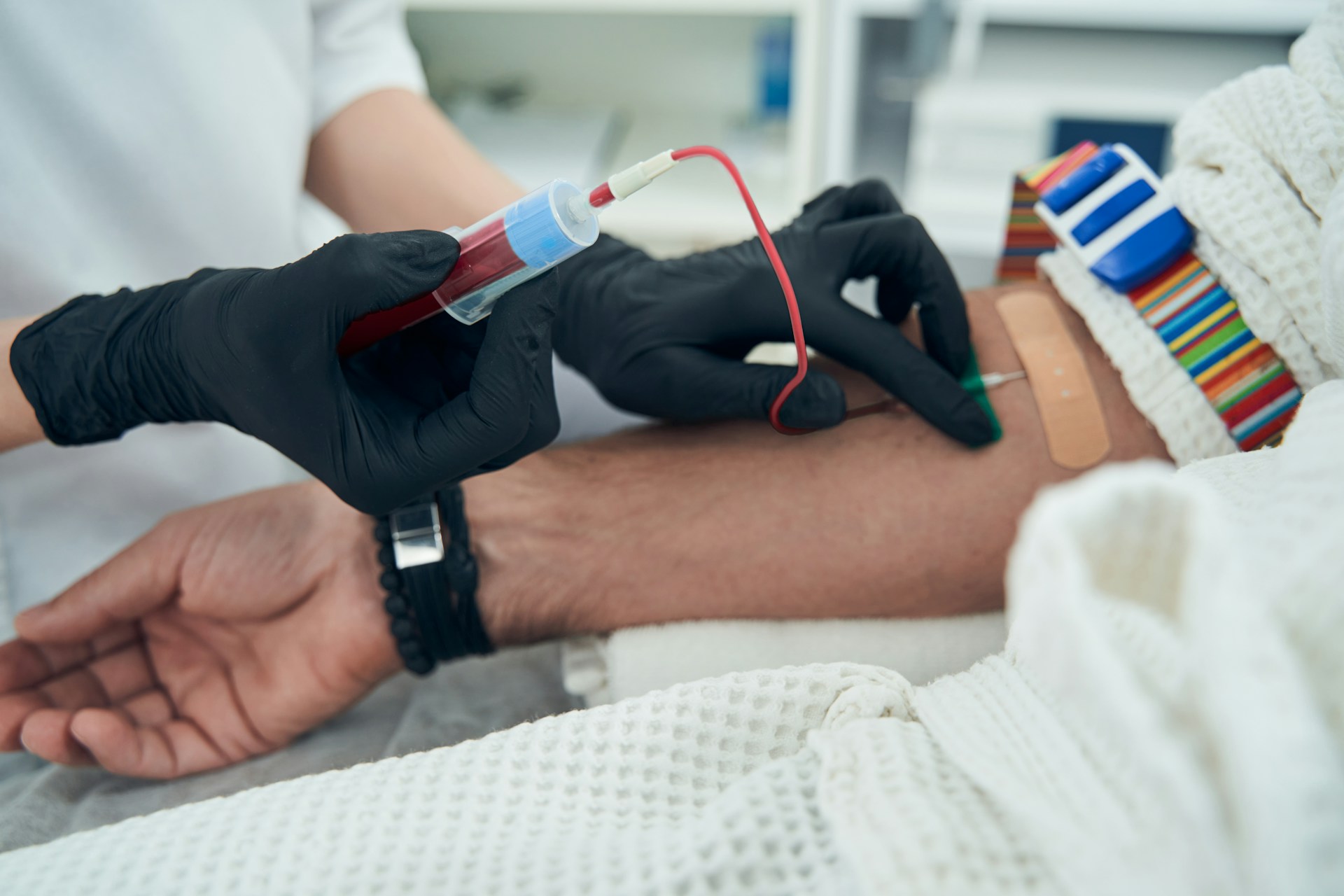
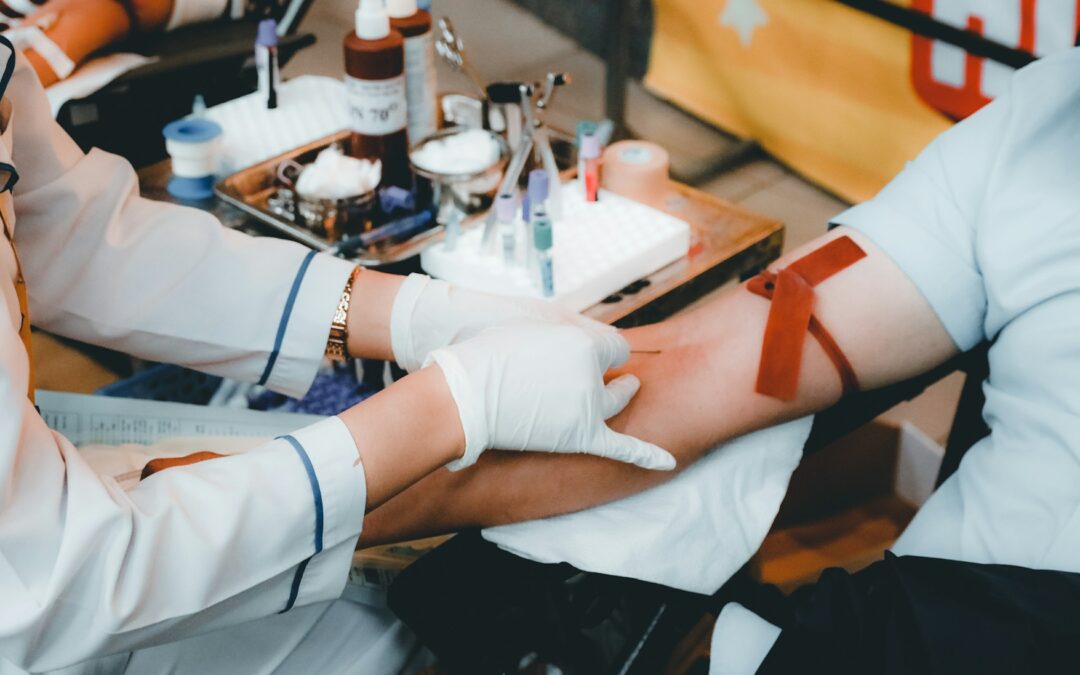
The job itself still focuses on collecting blood for lab testing. That includes routine lab draws, glucose monitoring, or panels requested by doctors. Most tests are the same ones you would see in a hospital, just done on-site. After collecting the sample, the phlebotomist delivers it to a partner lab or drop-off site. The service helps cut down travel time for patients, and in some cases supports medical orders that could not happen as efficiently through an office visit.
Our training center offers phlebotomy certification programs and CNA instruction, providing learners with hands-on training that meets state requirements. These foundational clinical skills make it possible to work confidently in mobile and traditional phlebotomy environments.
Who Needs Mobile Phlebotomy in Atlanta
Mobile phlebotomy often serves patients who face physical or cognitive challenges. These might be elderly adults who live alone or in residential care homes, or patients dealing with Alzheimer’s or other memory-related conditions. Some clients need assistance standing or walking, while others just need care to be where they are most comfortable.
Care homes use mobile services to help their residents stay on track with routine bloodwork while avoiding unnecessary trips. The same goes for hospices or small clinics with fewer staff members. It is not always easy to coordinate transportation or manage multiple appointments off-site. Having blood drawn on location saves time, reduces stress, and supports better follow-up care.
We often see families breathe a sigh of relief when this service is available. Loved ones feel more comfortable, and caregivers feel less rushed. It is a solution that works on both sides of the care plan.
How to Prepare for a Role in Mobile Phlebotomy
If you are interested in this kind of role, training and experience are important. In Georgia, you will usually need a certificate showing you have completed a phlebotomy program. Some people come to this position after nurse aide training or medical assistant experience, which gives them a solid foundation.
Besides the technical skills, mobile phlebotomists rely on good communication, time awareness, and strong attention to detail. You are often the only care worker a patient will see that day, so being kind and professional goes a long way.
Here is what a typical workday might involve:
• Checking your patient list and route in the morning
• Driving to each scheduled home or facility
• Gathering patient information and collecting samples
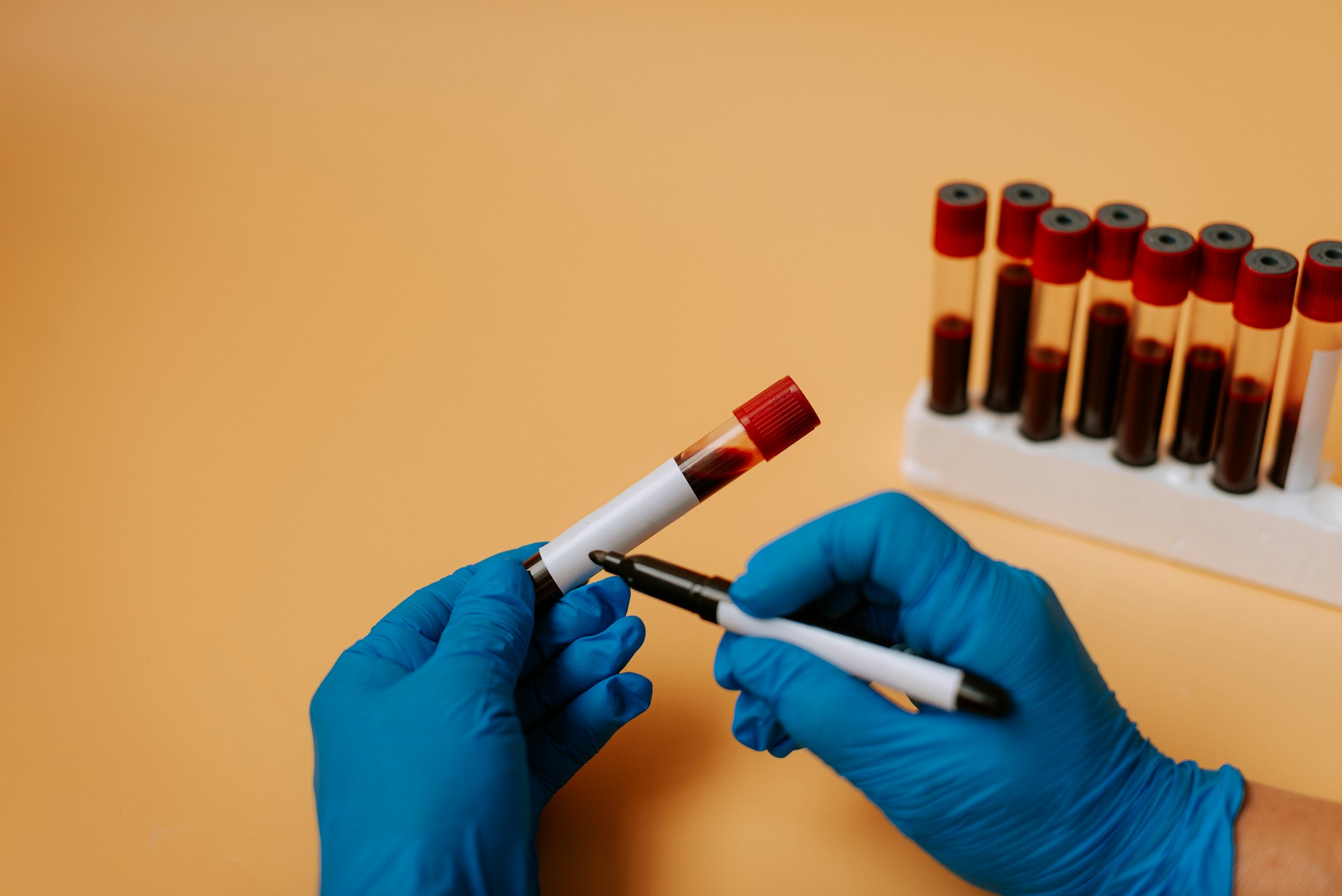
• Labeling and storing vials for delivery
• Dropping off samples at the lab or central site
• Recording notes and reporting on visits as needed
Days are rarely the same. Some may involve five or six patient visits across different zip codes. Others stay mostly in one part of town. Adapting to the needs of each visit is part of the role.
Our training programs emphasize real-world scenarios and professionalism in patient care, helping students develop strong routines for time management and accurate documentation, essential for mobile work. Consulting support is also available for clinics and organizations looking to build effective mobile phlebotomy workflows.
Seasonal Readiness in Atlanta for January and Beyond
As we settle into the heart of winter, mobile health work comes with extra details to plan around. Cold weather is when a lot of blood tests become more common, especially tests related to flu symptoms, inflammation, or vitamin levels.
That means more visits, often with tighter turnaround times. On top of that, January can bring tricky travel conditions, even in the Roswell, GA, area. While snow or ice is not regular, early morning frost or heavy rain can slow things down.
Here are some ways we prepare for safe and smooth winter work:
• Keep cars well maintained with good tires and full tanks
• Carry extra gloves, hand warmers, and blankets just in case
• Dress in layers so we can focus on patient care without feeling chilled
• Use thermal cases or heated compartments to keep samples stable
• Double-check directions to avoid getting stuck in unmarked roads or detours
Pacing yourself while staying efficient helps make each visit count, even when the days are cooler and shorter.
The Difference You Can Make with Mobile Care
One of the best parts about mobile phlebotomy is the impact it has on comfort and dignity. Many of the patients we visit cannot make it to traditional labs. Offering service where they live gives them control, privacy, and peace of mind.
For healthcare workers, it is a role with flexibility and purpose. You are not stuck behind a front desk or under flickering office lights. Instead, you work more independently, see different communities each day, and help people from all walks of life stay connected to the care they need.
Charting Your Path in Mobile Phlebotomy
If you are someone with strong people skills, reliable habits, and a careful hand, mobile phlebotomy might be the right fit for you. The chance to serve Atlanta’s diverse population, including many seniors and those with special needs, adds valuable experience for anyone entering allied health.
Working out in the field offers a unique path for those ready to build a solid foundation in patient care. Many mobile phlebotomists start with practical skills developed through nursing aide training, where connecting with people and managing healthcare tasks go hand in hand. At DuMonde Management & Consulting, we recognize the impact this kind of experience can have for mobile clinical roles across Roswell, GA. Whether you are interested in expanding your skills or changing your role, focused training helps set your direction. Let us talk about your goals and how we can help you move forward.