When someone signs up to become a nurse aide, they’re not just stepping into a classroom. They’re preparing to care for people on a very personal level. That means the work goes beyond reading a book or taking quizzes. Nurse aide training services are built to teach real-life care, how to be helpful, safe, and steady when someone needs it most.
Training programs guide new caregivers through every step, from understanding how the body works to knowing how to respond when someone is upset or hurting. It’s all about building skills that support both patients and care teams. For those of us working in healthcare near places like Roswell, GA, we know how important it is to be fully prepared from the very beginning. This kind of training gives people the tools, the mindset, and the steady hands to step into care work with confidence.
Classroom Foundations: What Students Learn First
Every skill in caregiving starts with one main building block: understanding how the body and daily care routines work together. Classroom lessons usually begin with:
- Basic anatomy and how the body moves and functions
- Safety protocols like infection control and preventing injury
- Personal care tasks, such as helping with hygiene, grooming, and mobility
These lessons aren’t just lecture-based. Instructors encourage questions, lead discussions, and guide learners through each topic so nothing gets glossed over. When we teach these skills properly right from the beginning, students gain the confidence to ask for help and move at the right pace for real understanding. That foundation smooths the path to hands-on learning later. Without it, things feel rushed or confusing when practice begins.
Practicing Core Skills in Real Settings
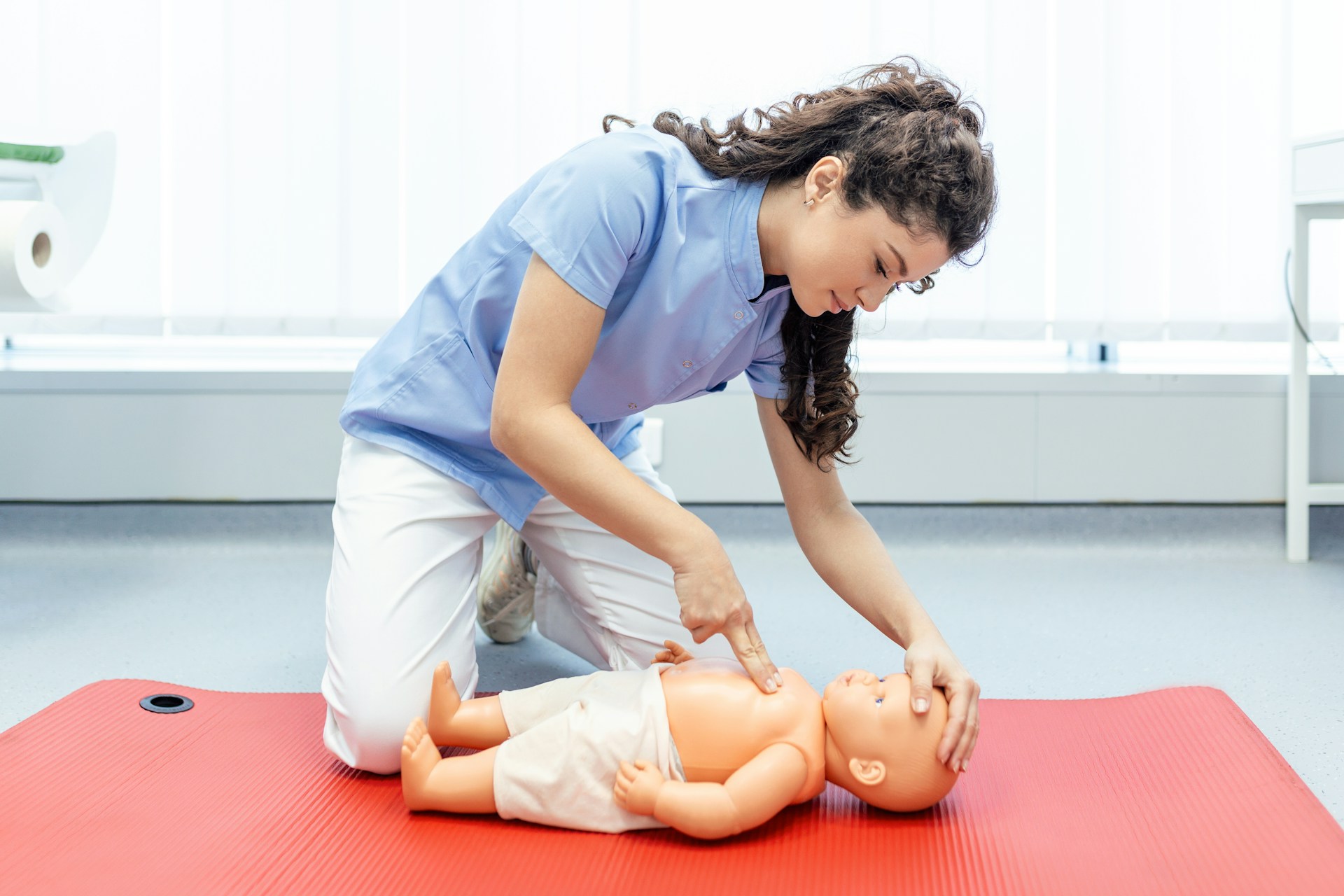
Once the classroom basics are down, students shift into active practice. Labs and demonstrations give students the chance to try things in a safer, slower environment before they work with real patients.
Some of the most common exercises include:
- Learning how to safely lift, turn, and move individuals
- Bathing techniques and proper feeding support
- Monitoring vital signs and understanding normal ranges
- Cleaning and setting up equipment
Each of these steps includes observation and feedback. Trainers watch closely to guide students, correct mistakes, and explain better ways to handle each task. Hands-on practice isn’t just about doing the action once. It’s about repeating it until it feels natural and smooth. That repetition builds both comfort and muscle memory, and it’s a big step forward for anyone heading into a busy care setting.
Clinical Experience and Supervised Care
The shift from lab practice to real-world experience is where much of the learning clicks into place. In clinical settings like nursing homes or assisted living centers, students take what they’ve learned and apply it with real people, under expert supervision.
During these shifts, students:
- Assist with meals, hygiene routines, and mobility
- Communicate with staff and respond to residents’ needs
- Support people during emotional or uncomfortable moments
- Learn how to work within a team and follow care plans
This part of nurse aide training services often feels the most real and the most demanding. Students face situations that can’t always be planned, which helps them develop confidence, stay calm, and ask the right questions. The structure around clinical shifts gives students the safety to learn without pressure, while still preparing them for job roles right after training ends.
Beyond the Classroom: Soft Skills and Preparation
Practical skills matter. But we know that soft skills often decide whether someone lasts in this work. Nurse aides need more than technical practice. They need to know how to stay calm when someone is scared or angry. They need patience for long days and shift changes.
That’s why training includes:
- Teamwork training and how to communicate clearly with healthcare staff
- Emotional readiness for end-of-life care or dealing with pain
- Handling sensitive conversations with residents and their families
- Practice quizzes and mock tests that prep students for certification
Helping students move through these human parts of the job can mean giving them space to talk, listen, and reflect. It’s not about being perfect. It’s about learning what to expect and how to handle rough days without shutting down.
The Last Step Before Certification
As training comes to a close, students typically enter their assessment phase. This is where instructors check progress and see if learners are ready to move toward certification and job readiness.
Common assessment steps include:
- Completed skill checklists watched and signed off by instructors
- Written exams covering everything from safety to daily routines
- Timeline requirements for clinical hours and skill demonstrations
If a student isn’t quite ready, they’re usually given ways to practice again, ask more questions, or review what didn’t click the first time. This checkpoint matters. It makes sure every person stepping into a care role has met the full learning goals without shortcuts. After passing, students are better prepared to move toward interviews or job offers, knowing they’ve been through real preparation.
Why Thorough Training Leads to Better Care
Good caregiving starts with good preparation. When nurse aide training is steady and complete, new caregivers are more confident, safer, and ready for patients to depend on them. That trust flows both ways, toward patients and back toward the person giving care.
When we focus on clear communication, steady practice, and emotional awareness, we set up long-term success for future caregivers. They walk into care environments already understanding the pressure, having seen how it feels to stand at the bedside or respond to a need calmly. And that kind of readiness leads to care people can count on.
Start your healthcare career in Roswell, GA, with DuMonde Management & Consulting. Our hands-on approach to nurse aide training services emphasizes practical skills and emotional preparedness so you can step confidently into caregiving roles. Reach out today and let us help you take the first step toward a rewarding career.