Winter in Georgia can be tricky. The air gets colder, people stay inside more, and we see a lot more flu, COVID, and RSV. That also means more lab orders, more blood draws, and more pressure on the care team.
For nursing aides, that busy season can feel stressful. The floor is loud, call lights are going off, and a patient is asking, “Are you sure you know what you are doing?” Strong safety habits from nursing aide training help turn that pressure into calm, steady action.
Safe phlebotomy is not just about the needle. It is about protecting our patients from infection, keeping ourselves safe from needle sticks, and keeping the whole care team on track. When we know our routine and trust it, we make fewer errors, even when the unit is full and everyone is tired.
Employers notice that. Facilities value nursing aides who can support phlebotomy workflows without slowing things down or cutting corners. Good habits can help you stand out, prepare you for more responsibility, and open doors for future roles in clinical care.
Preparing Before the Stick: Infection Control and Environment Setup
Before a needle even comes near a vein, safety starts with the basics. In the winter months, when viruses are running through halls and waiting rooms, those basics matter even more.
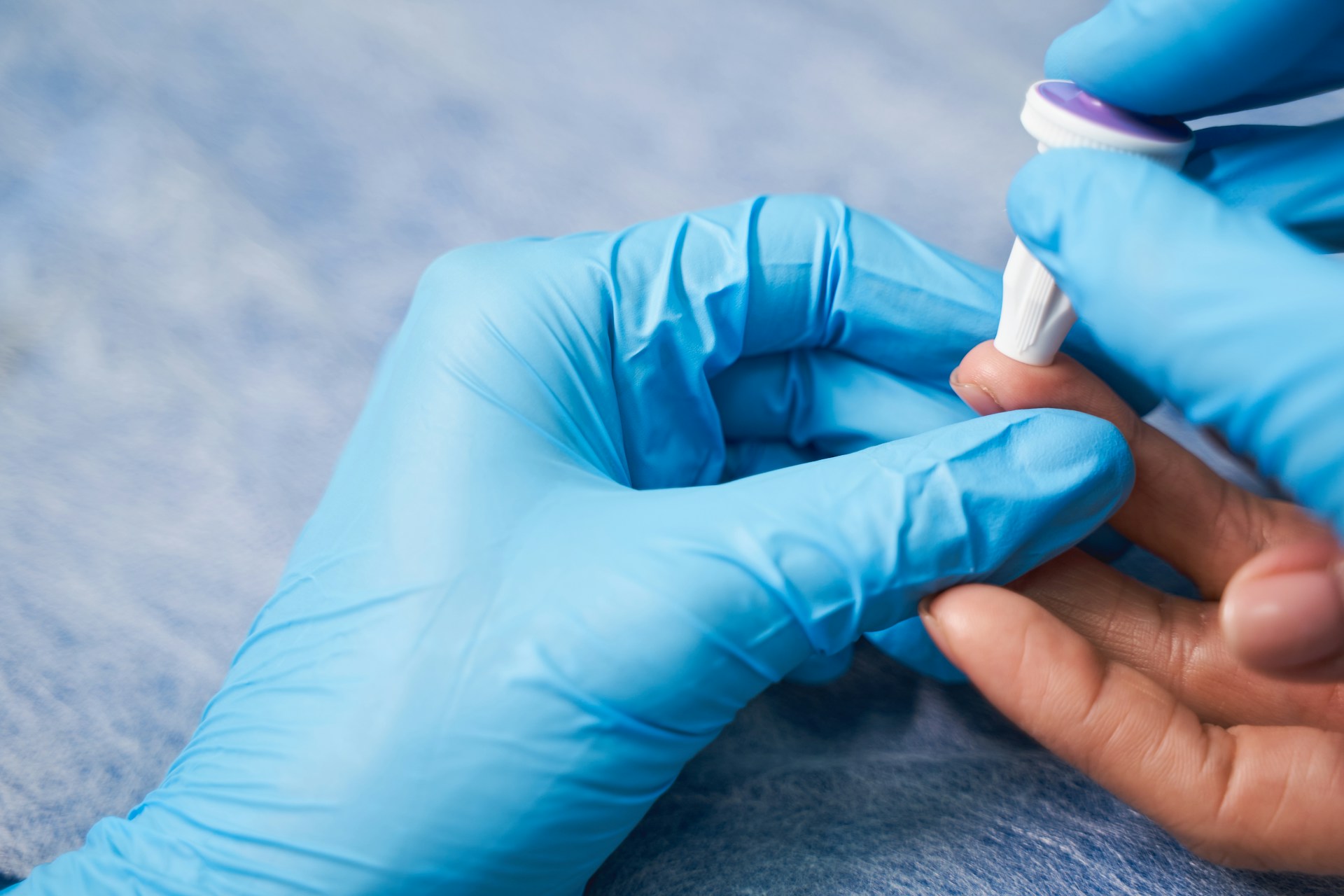
Hand hygiene is the first nonnegotiable step. We wash or sanitize before touching supplies, before touching the patient, and again after the draw. Gloves go on clean hands, not as a replacement for clean hands. PPE is not just a rule, it is a shield for us and the people we serve.
We also keep the area clean. That means wiping down surfaces where we set supplies, watching for spills, and throwing out anything that is dropped or looks dirty. A rushed setup can lead to contamination, so we build the habit of slowing down just enough to set the scene right.
Supplies should be ready before we greet the patient:
- Correct tubes for the ordered tests
- Labels ready to be filled out or printed
- Sharps container close and in easy reach
- Tourniquet, alcohol prep pads, gloves, gauze, bandages
Then we pause and verify. We check the patient’s full name and date of birth against the order. We ask about allergies, past problems with blood draws, and any bleeding issues or blood thinners. We help the patient into a safe position that supports the arm and lets us work without twisting, reaching, or leaning in too close.
Needle and Sharps Safety: Habits That Prevent Injuries and Exposure
Needle safety is all about routines we repeat every single time. That way, when a patient moves or the room is noisy, our body still knows what to do.
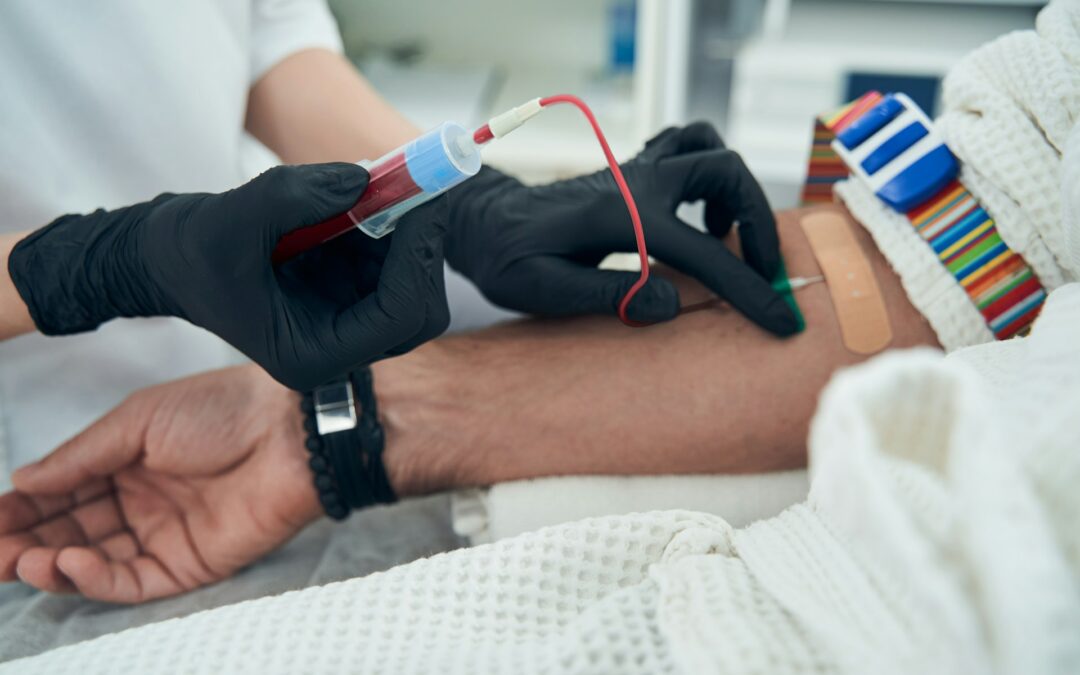
We never recap a used needle. Instead, we activate the safety device right away, while our hand is still steady and our focus is sharp. The used needle goes straight into an approved sharps container, not in a pocket, on a tray, or “just for a second” on the bed.
Body mechanics matter too. We want to stand in a way that lets us step back quickly if the patient pulls away. The arm should be supported on a pillow or armrest when possible, not dangling in the air. Clear, simple instructions like “Please keep your arm still and flat on the bed while I draw your blood” help prevent surprises.
If a stick or exposure does happen, we follow training right away:
- Wash the area with soap and water as soon as possible
- Tell a supervisor immediately
- Follow the facility exposure protocol
- Complete any needed reports and go for recommended follow-up
Knowing these steps during nursing aide training helps reduce fear and keeps us from freezing if something goes wrong.
Patient Communication and Comfort: Turning a Stressful Moment into Trust
For many people, a needle is scary. A blood draw might remind them of past pain, bad news, or long hospital stays. Our words and tone can turn that moment into something calmer and more manageable.
Short, plain-language scripts work well. For example:
- “I am going to clean your arm, then you will feel a quick pinch while I draw the blood.”
- “If you feel dizzy or funny, please tell me right away.”
- “I will be as quick and gentle as I can.”
Older adults may need us to speak a little louder and slower. Patients with cognitive impairment might do better with one step at a time, paired with simple touch and eye contact. For very anxious patients, steady breathing together and light conversation about something they enjoy can help.
Comfort is also about choices. When possible, we pick the best site that balances vein access and patient comfort. We ask about past problem spots and respect privacy by covering the rest of the body with a sheet or blanket. Cultural awareness matters too. Some patients may prefer a certain arm or want a family member nearby. Asking and honoring those preferences builds trust, especially in long-term care and home health where we see the same people often.
Documentation, Labeling, and Chain of Custody: Getting the Details Right
Even when the draw goes perfectly, safety is not complete until the paperwork and labeling are done right. A beautiful stick with a wrong label can still harm a patient.
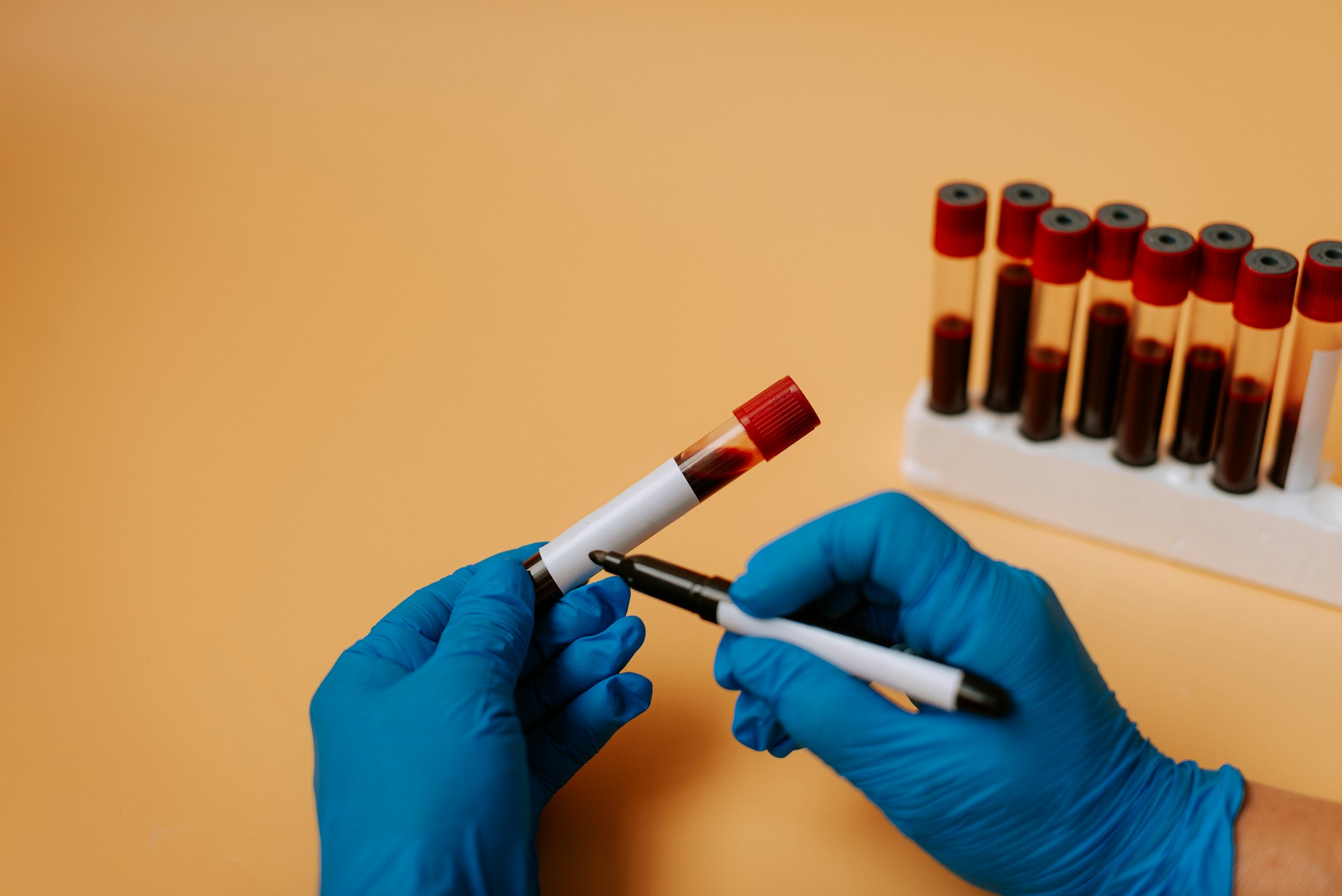
Tubes should be labeled at the bedside, not at the nurses station later. We include:
- Full name
- Date of birth
- Date and time of draw
- Our initials or ID as the collector
We document in the record or system which site we used, how the patient tolerated the draw, any problems like difficult veins or extra attempts, and anything that did not match the usual pattern. Clear notes help the next shift, the lab, and the provider understand what happened.
For certain labs, blood bank samples, or legal cases, chain of custody matters. That means samples stay accounted for from the moment they are drawn until they reach the next safe hand. We follow the facility steps for sealing, signing, and transporting these specimens. Mistakes here can delay care or create questions about accuracy.
Turning Training into Practice: Building Daily Phlebotomy Safety Routines
The true power of nursing aide training is not just learning steps, it is turning those steps into habits we hardly have to think about. On a winter day when the census is high and staff is short, habits carry us.
Some aides like to use a mental checklist before each draw: clean hands, clean space, right patient, right supplies, right position, clear plan for disposal. Repeating the same pattern builds speed without losing safety.
Refresher practice, simulation, and watching more experienced staff keep our skills sharp. Asking questions and being open to feedback helps us grow instead of guessing. As our confidence rises, patients can feel it, and so can supervisors.
At DuMonde Management & Consulting, we build healthcare education with this real-world focus in mind. Our programs help nursing aides grow steady phlebotomy habits that lower risk and support safer care across Georgia facilities, from small clinics to busy long-term care centers. With the right training and support, safe phlebotomy can become one of the strongest skills in your daily practice.
If you are ready to take the next step toward a rewarding healthcare career, we are here to guide you. Whether you are just starting out or looking to build on your experience, our nursing aide training is designed to help you grow with confidence. At DuMonde Management & Consulting, we focus on practical skills and real-world preparation so you can make a meaningful impact in patient care. Reach out to contact us today to learn more or discuss the best path forward for your goals.