Phlebotomy for seniors can be challenging for several reasons. Many older adults feel nervous around medical procedures, especially if they involve needles. Some may have trouble understanding what is happening due to memory loss or confusion. Others may feel discomfort just from being moved or touched. In senior living communities, where routines matter and residents thrive on familiarity, small changes in approach can make a big difference.
Comfort, clear communication, and safety should always guide how we draw blood in these settings. When seniors feel secure and respected, the entire process becomes easier for everyone involved. That is one reason why we put so much thought into our caregiver training programs. They are not just about skill, but about patient care that feels personal and kind.
Understanding Seniors’ Needs During Blood Work
Many seniors have smaller, fragile veins that roll or collapse during a blood draw. This can be frustrating for both the patient and the caregiver. Cold hands or chronic dehydration do not make things any easier. On top of that, cognitive conditions like Alzheimer’s or dementia can affect how well someone understands the procedure or follows directions.
To make blood draws smoother, we look for ways to simplify. That might mean drawing in a quiet room, using the least disruptive approach, or choosing a time when the resident is most alert. Recognizing that aging brings changes to skin, circulation, and memory helps us respond with more patience and better planning.
• Use shorter explanations to reduce confusion
• Double-check comfort and positioning before every draw
• Watch for non-verbal reactions from residents who may not speak easily
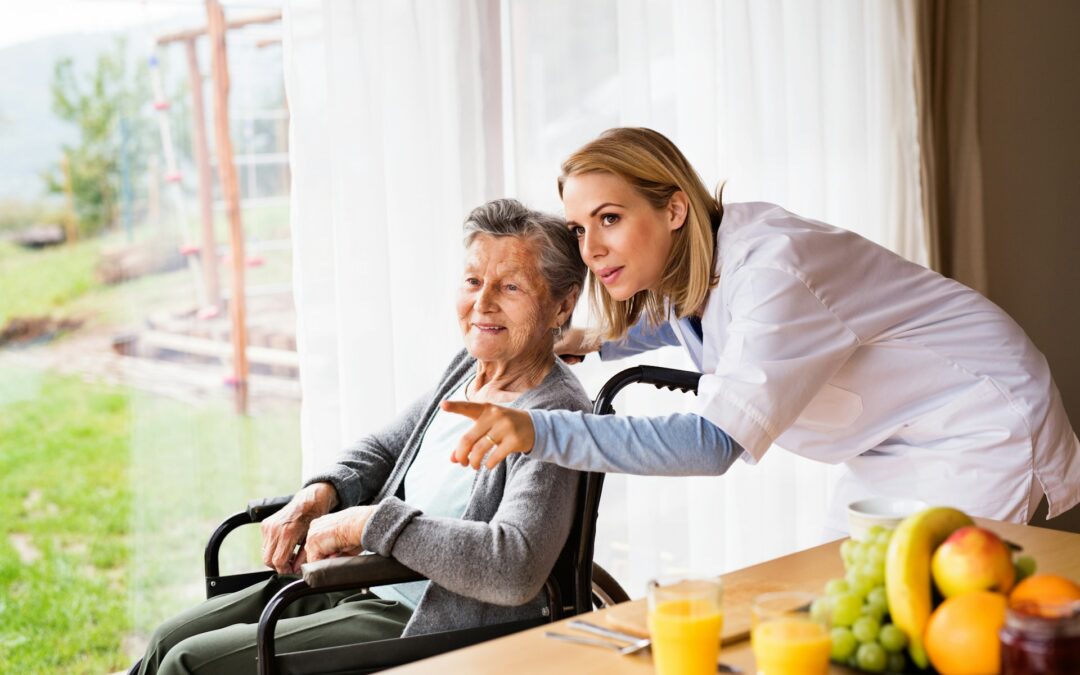
When we listen closely to what seniors need, we help keep the procedure calm and respectful.
Creating a Comfortable Experience in Senior Communities
Fear during a blood draw often starts with the surroundings. Bright lights, loud noises, or an unfamiliar setting can startle or upset someone who is already unsure. That is why where and how we approach matters just as much as the needle we use.
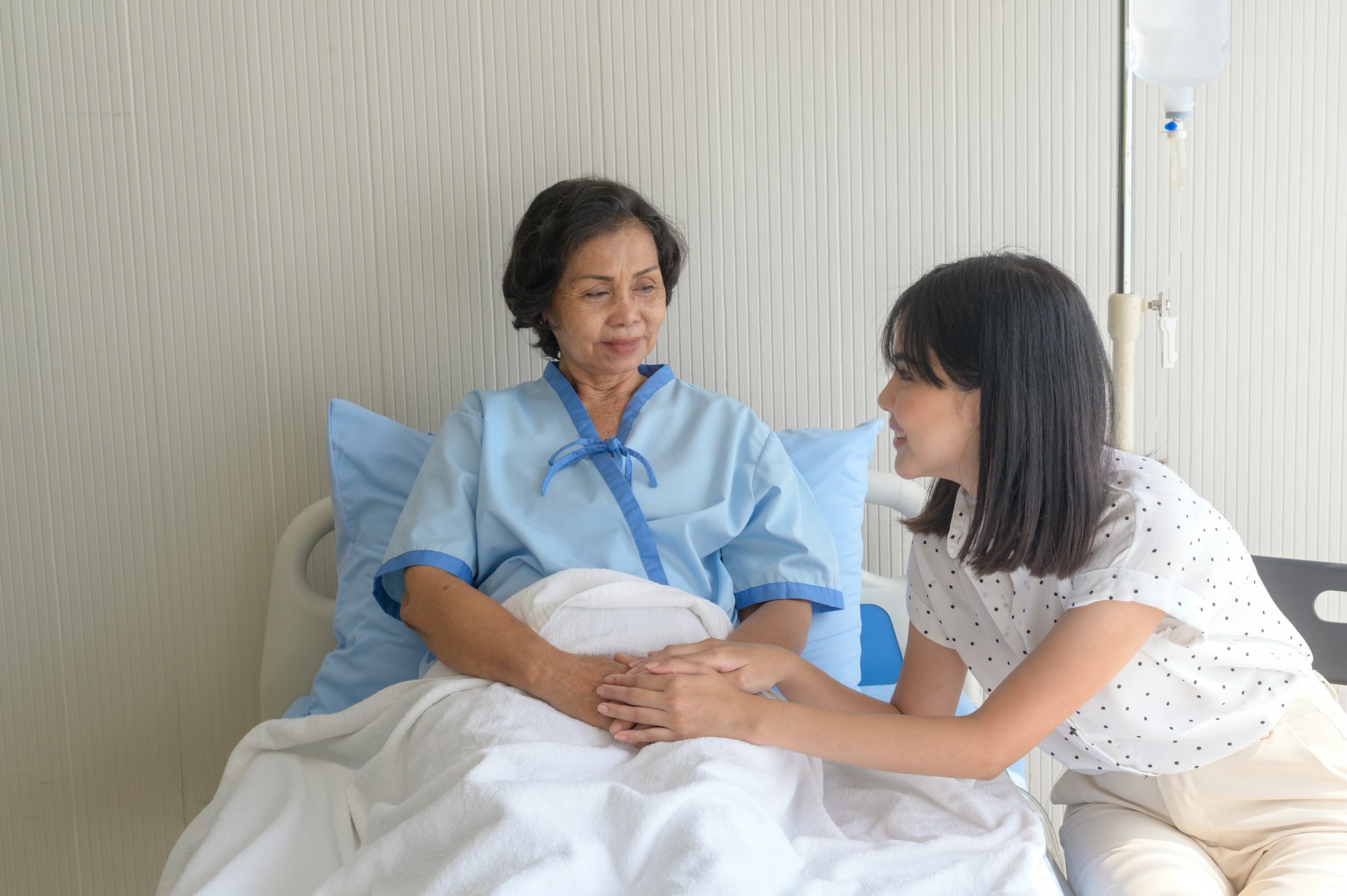
Letting a resident stay seated in their favorite chair, with a warm blanket over their lap, can change the tone of the whole experience. Gentle touches, soft voices, and calm movements replace tension with trust. Taking slow, deliberate steps instead of rushing shows we care about their well-being.
• Give the resident some control, like choosing which arm to use
• Turn down background noise when possible
• Smile often and speak softly
These adjustments take little effort but go a long way in making someone feel safe.
How Clear Communication Builds Trust
Feeling out of control makes medical care harder for seniors, especially if they have trouble with memory or hearing. One of the best ways to reduce anxiety is to clearly explain each step before you do it. Simple language works best. For example, saying “I am cleaning this spot, then I will count to three before I start” is much easier to follow than a long medical explanation.
Our tone matters too. A calm voice can slow things down emotionally. Asking for a nod or small gesture instead of verbal confirmation helps when words are hard to find. When we give people time to respond and check their understanding, we build trust.
• Use short, clear phrases
• Ask yes or no questions instead of open-ended ones
• Repeat instructions if needed without frustration
Being patient in our words means patients feel more included and respected.
Safety First: Infection Control and Personal Attention
Cleanliness is one of the first things families think about when it comes to medical safety, and for good reason. Proper handwashing, using gloves, and cleaning the skin before a draw are not optional. They are the backbone of good care.
But safety is not just about the tools. It is also about checking for skin wounds, swelling, or sensitivity beforehand. Some older adults have bruises that develop easily or sores that reopen with touch. A few extra seconds inspecting the skin before you begin can prevent a lot of discomfort later on.
• Always use a new needle and gloves
• Clean all surfaces before and after use
• Respect the resident’s space and move slowly
Taking these steps shows attention to health and helps ease concerns from families and caregivers alike.
Training Staff for Better Phlebotomy Experiences
The way we train caregivers shapes the kind of care we give. When phlebotomy is part of the daily workflow in a senior care setting, caregivers need more than just technical knowledge. They need regular training that helps them stay confident with both the task and the people they serve.
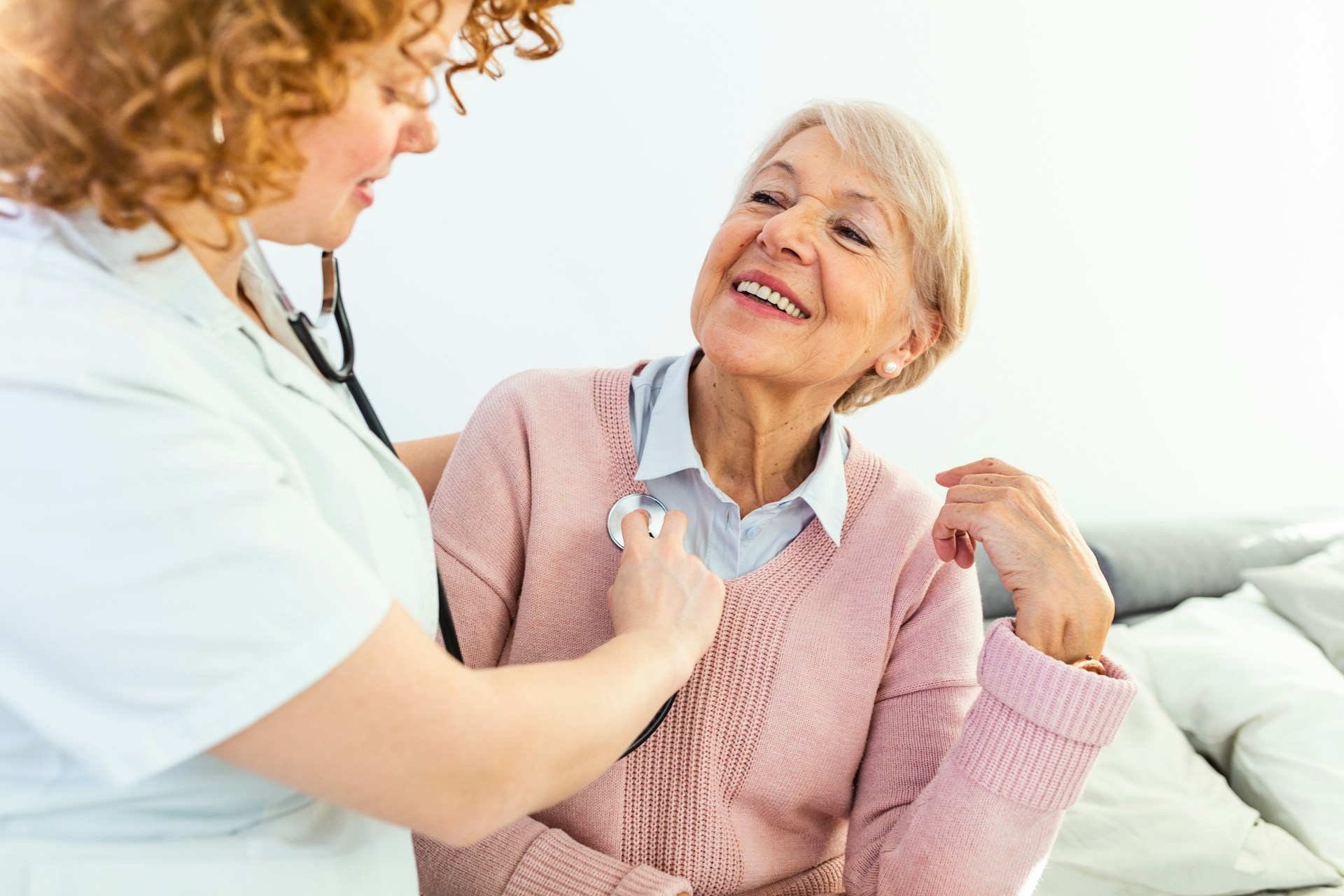
Well-run caregiver training programs give workers the skills to respond to seniors’ emotional and physical reactions. They also remind us how to adjust our routines with care, changing techniques when needed, recognizing warning signs, and staying calm through delays.
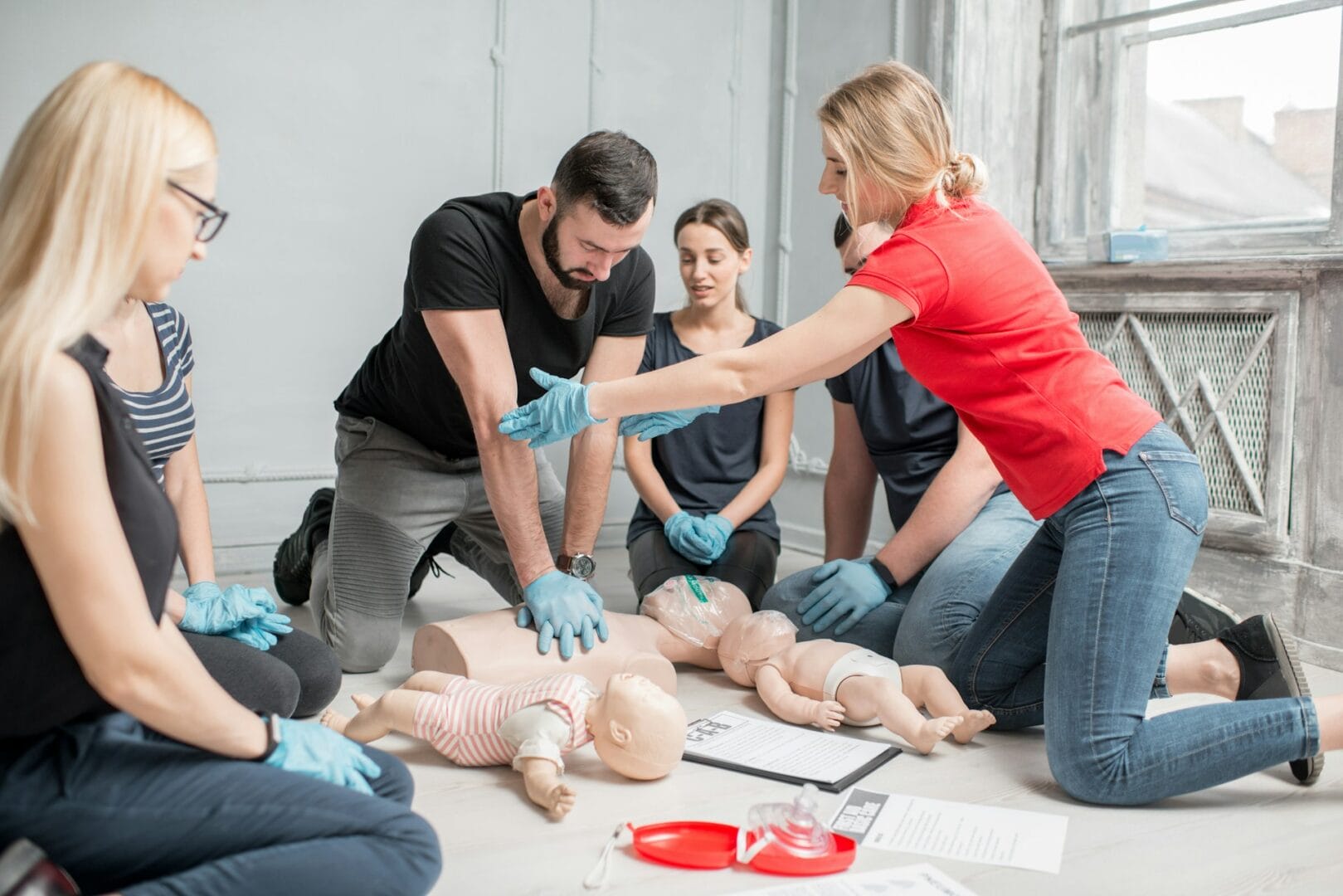
• Use real-life practice with oversight for blood draws
• Hold regular workshops to refresh safety steps
• Talk through difficult experiences to keep improving
Regular training does not just build stronger skills, it builds stronger connections between staff and the seniors they care for.
Supporting Seniors with Care and Confidence
Why Choose DuMonde for Senior Phlebotomy Training?
Phlebotomy does not have to be frightening. When we focus on comfort, shared understanding, and careful practice, even a small task like drawing blood becomes more meaningful. It is one more way we support every person’s dignity.
As a Georgia-based leader in compliance training for senior care, we deliver staff certification programs specifically designed for organizations serving individuals with Alzheimer’s, Dementia, and other complex needs. Our Optimum Care approach and hands-on, scenario-based training help caregivers build practical skills to support residents’ comfort and safety at every step. Giving seniors room to feel safe, time to process, and the chance to be seen as individuals matters more than speed or ease. Whenever we choose skills rooted in care, we make the whole environment better for residents, families, and staff.
At DuMonde Management & Consulting, we believe good care starts with capable hands and thoughtful guidance. That is why we continue to improve how we support those working directly with seniors. Our caregiver training programs are built to reflect the real needs of both residents and staff in Roswell, GA, so every learning experience feels practical and grounded. When caregivers feel well-prepared, seniors get safer, more compassionate support during procedures like phlebotomy. If you are ready to build your skills with compassion in mind, get in touch with us.