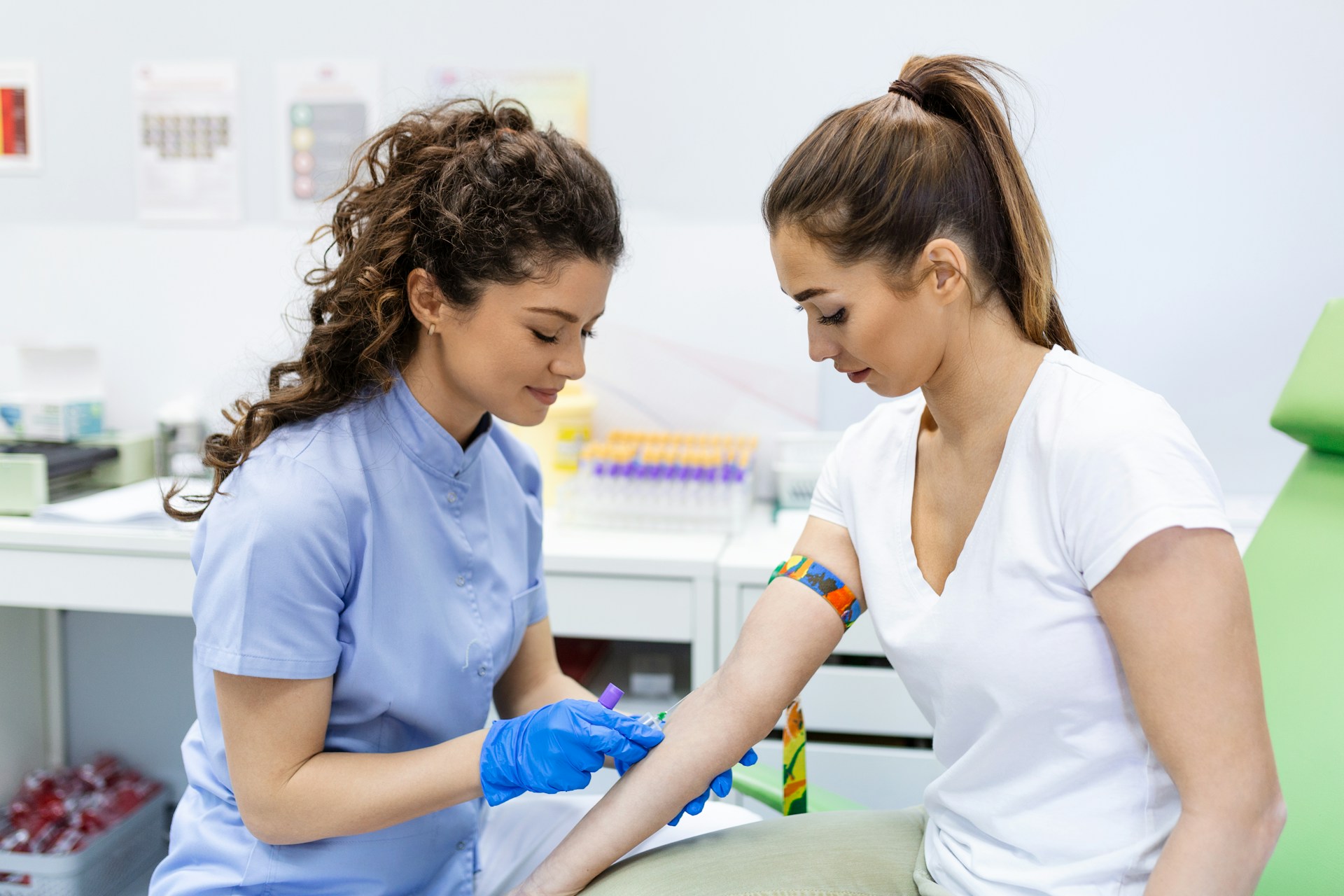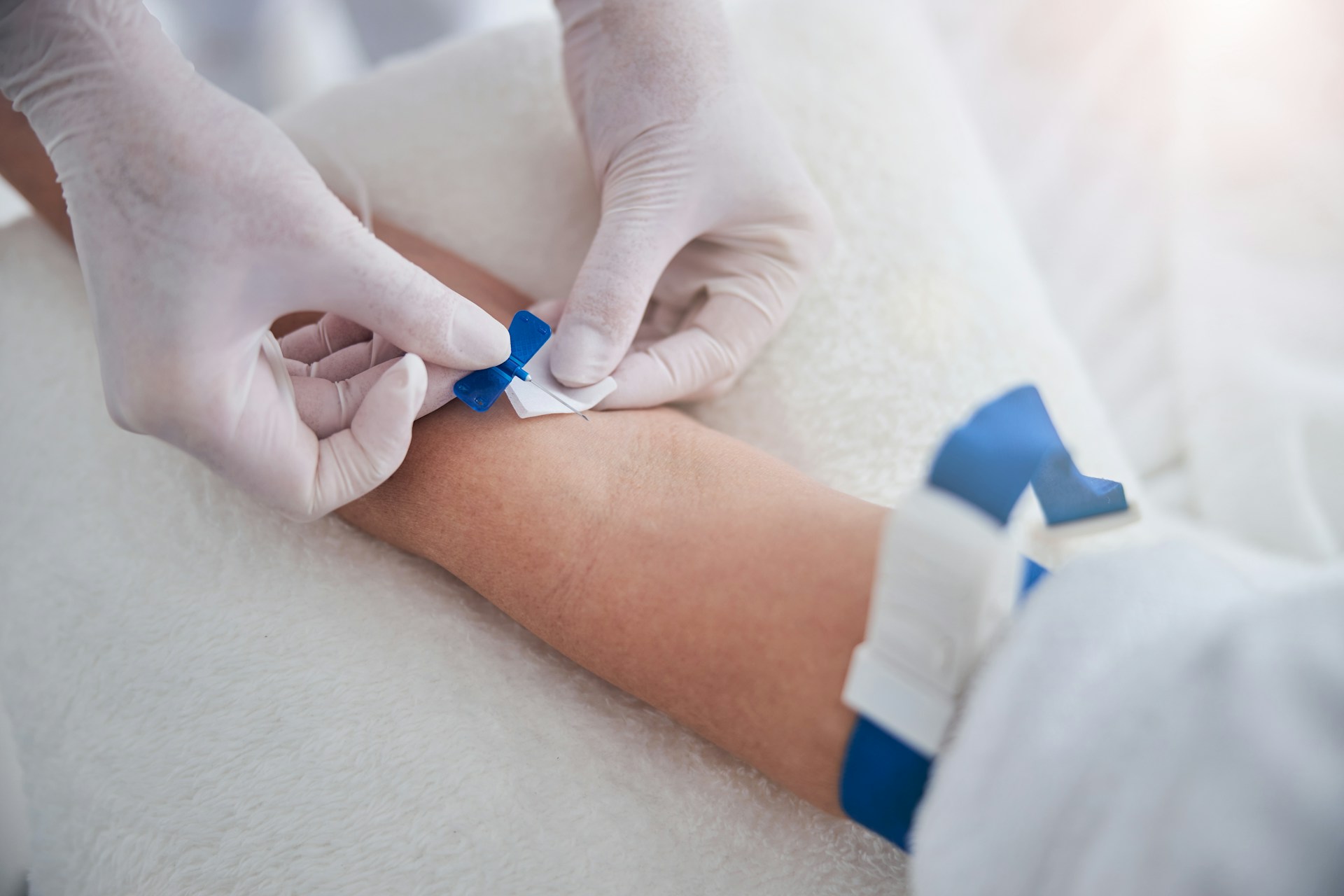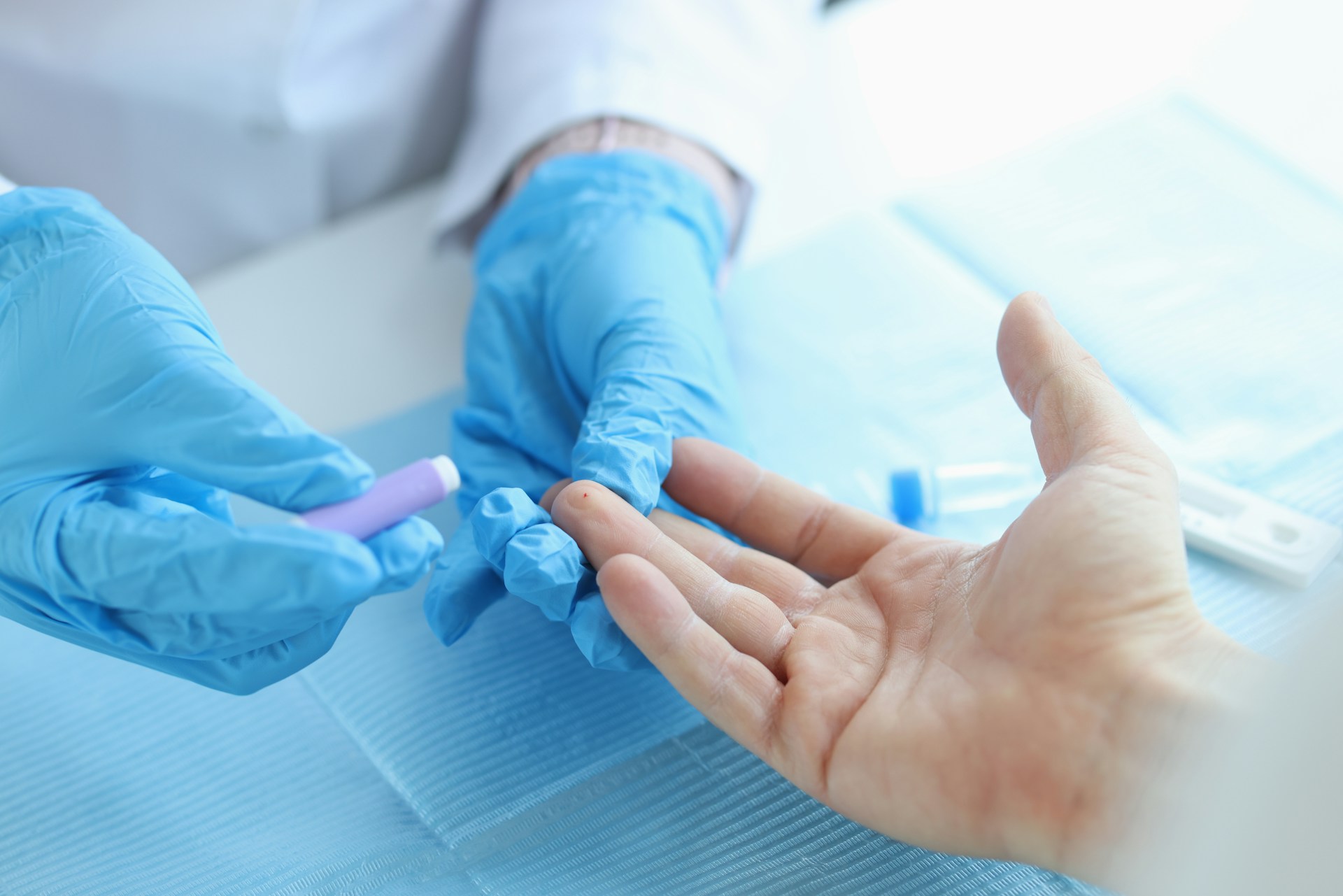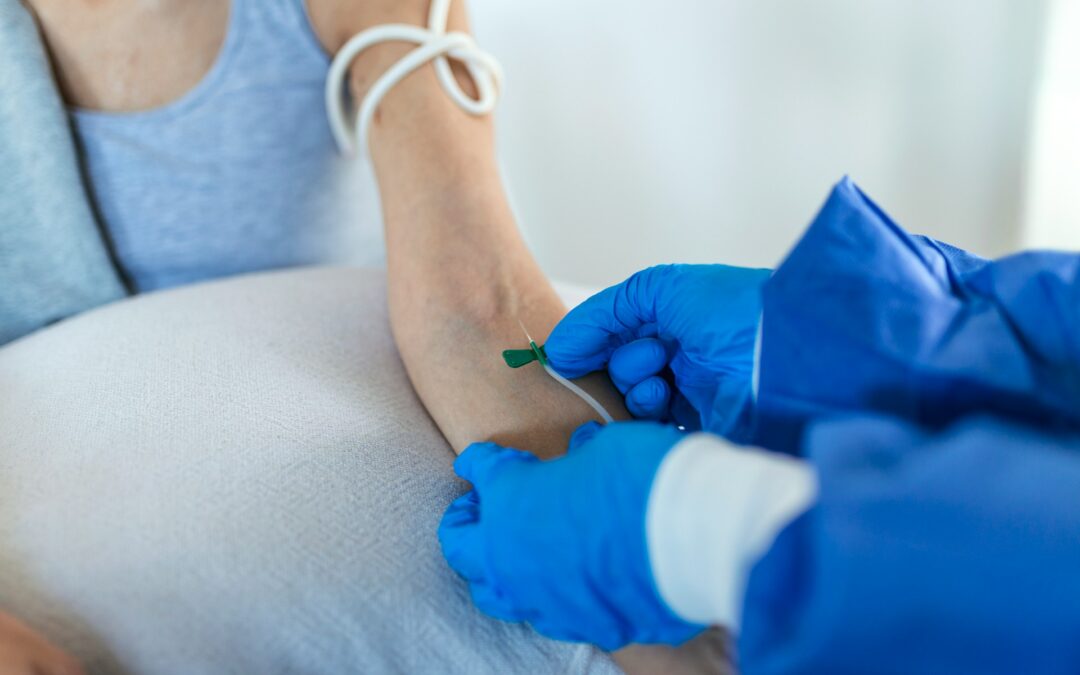
Phlebotomy is the skill of drawing blood. Simple idea, right? Needle, tube, done. But if you have already stepped into a skills lab, you know it is a lot more than that.
In Georgia, many nursing aid courses now give extra attention to phlebotomy, especially as the new year starts and healthcare employers begin fresh hiring cycles. Winter in Georgia can be chilly and full of sniffles, so clinics and long-term care centers see more blood work for flu, RSV, and COVID. Employers want CNAs who can support safe, calm, well-organized blood draws.
Good phlebotomy lab etiquette is not just about “being nice” in class. It connects straight to:
- Patient safety
- Correct test results
- Trust on your clinical rotations and first job
In the lab, you get a safe place to learn where an instructor can guide you. If you build strong habits now, you will be ready when the unit is busy, alarms are beeping, and three patients need blood work before lunch. Practicing good etiquette in a calm classroom today helps you stay steady when winter respiratory season hits and the blood draw list grows long.
Safety First: Infection Control Habits In The Phlebotomy Lab
Before you touch a tourniquet or a tube, think safety. For yourself, your classmates, and your future patients.
Winters in Georgia bring cold air and a mix of flu, RSV, and COVID. That is why your nursing aid courses keep repeating the same basics:
- Wash or sanitize your hands before and after every blood draw
- Put on gloves before handling needles or blood
- Wear the PPE your instructor requires for lab that day
Sharps are never “no big deal.” The right habits protect everyone. Remember:
- Never recap a used needle
- Place needles straight into the sharps container, at the point of use
- Do not overfill sharps containers
- Tell your instructor right away if you have a needle stick or exposure
Your workstation matters too. A sticky, cluttered area is not only annoying, it can be unsafe. Wipe surfaces, toss trash when you are done, and keep supplies sorted. Your program builds these habits on purpose so your lab behavior matches what hospitals and long-term care centers expect in real life.
Respecting Classmates As “Patients”: Communication And Professionalism In Practice Labs
During practice, your classmate is not just “lab partner number three.” Treat them as you would treat a real patient.
That looks like:
- Greeting them by name
- Checking their ID band or confirming name and date of birth
- Explaining what you are about to do
- Asking if they have any fears about needles
A simple, calm voice can lower someone’s anxiety. Saying “You are in charge, if you need me to stop, tell me” can make a big difference.
Privacy and dignity count in lab too. If there are curtains or screens, use them when you can. Never joke about a classmate’s veins, body, or reactions. And what you see or hear in lab stays there. Do not talk about a peer’s health or performance outside of practice.
Professionalism includes more than how you talk. It is also:
- Showing up on time
- Having your supplies ready
- Listening when instructors give directions
Employers notice graduates who act like this. When nursing aid courses highlight communication and respect, they are helping you become the kind of CNA managers like to hire.
Technical Etiquette: From Labeling Tubes To Managing Lab Equipment
Phlebotomy is part people skills, part technical skills. You can hit the vein perfectly, but if you label the tube wrong, the test can be useless.
A smart habit is to label every specimen right away, while you are still at the “patient” or practice station. Include:
- Full name
- Date of birth
- Date and time of draw
- Your initials
Never walk away with unlabeled tubes in your hand. That is how mix-ups start.
Supplies also deserve respect. Before you grab tubes, check expiration dates. Follow the order of draw your instructor teaches so you do not affect test results. When you are done:
- Put reusable items where they belong
- Toss used gauze and wrappers
- Tell your instructor if something is low or missing
Careful documentation, neat labels, and organized equipment do more than keep your grade up. They show that you can be trusted with real patients. Many Georgia nursing aid courses tie these details right into skills check-offs so you learn that “little” steps actually matter a lot.
Handling Mistakes And Nerves: Staying Calm Under Pressure During Winter Clinicals
Feeling nervous about sticking a classmate or even a manikin is normal. When January rolls in and classmates are out sick, you may feel even more pressure as practice time shifts around.
Remember, everyone in the room is learning. That includes you.
Sometimes you will miss the vein. That does not mean you are failing. Good lab etiquette tells you what to do next:
- Stop, breathe, and do not rush a second attempt
- Follow your program’s rules on how many tries one student can make
- Tell your “patient” what is happening in a calm voice
- Ask an instructor for help instead of guessing
An example might sound like, “I was not able to get it that time. I am going to stop, remove the tourniquet, and let my instructor take a look.” No drama, no blame, just honest and calm.
Mistakes are chances to grow. Reflect on what happened. Was your angle off? Did you feel rushed? Use feedback from instructors to fine-tune both your technique and your bedside manner. Practice saying hard things kindly, like “This may pinch for a second” or “I want to make this as comfortable as I can for you.”
Turn Lab Lessons Into Career Confidence: Next Steps For Aspiring Georgia CNAs
Every time you step into phlebotomy lab, you are building your future. Think of each session like a quiet job interview. People are watching how you treat others, how you respect safety, and how you handle stress.
You can grow your confidence by:
- Reviewing your step-by-step phlebotomy checklist at home
- Walking through the procedure in your head before lab
- Asking your instructor to watch one full draw and give feedback
- Using any extra help or tutoring that comes with your program
Good nursing aid courses are not just about passing a test. They are about helping you feel ready to care for real people in real Georgia clinics, hospitals, and long-term care centers.
At DuMonde Management & Consulting, we understand that strong phlebotomy habits and good lab etiquette can set you apart when it is time for spring clinical rotations and new job openings. Our Georgia-based training is built to help you build safe, confident skills, practice professional behavior, and walk into your first CNA role with your head held high.
If you are ready to take the next step in your healthcare career, our nursing aide training can help you build the skills and confidence you need to succeed. At DuMonde Management & Consulting, we design our nursing aid courses to fit real workplace demands and support your long‑term goals. Reach out to our team to discuss scheduling, enrollment options, and how we can support your professional growth.