Working in phlebotomy means dealing with blood, needles, and a close-up view of patient health. It is not a job where you can afford to cut corners. Every sample matters, and so does every safety step along the way. For us, having the right habits is what helps prevent accidents and protect the people around us. Especially this time of year in Roswell, GA, when work volume can rise with winter illnesses still going around, it is good to take a closer look at how we are doing.
Phlebotomy safety starts with a few things we handle daily: personal protective equipment (PPE), sharps, and body fluid exposure. Taking care of these basics helps lower risks that can add up fast. Whether you are new to drawing blood or have years of experience under your belt, refreshing your approach to safety is not just smart; it keeps patients and coworkers protected through each shift. This kind of discipline grows out of consistent habits and strong training, like the kind offered through proper nurse aide training.
Use of PPE During Blood Collection
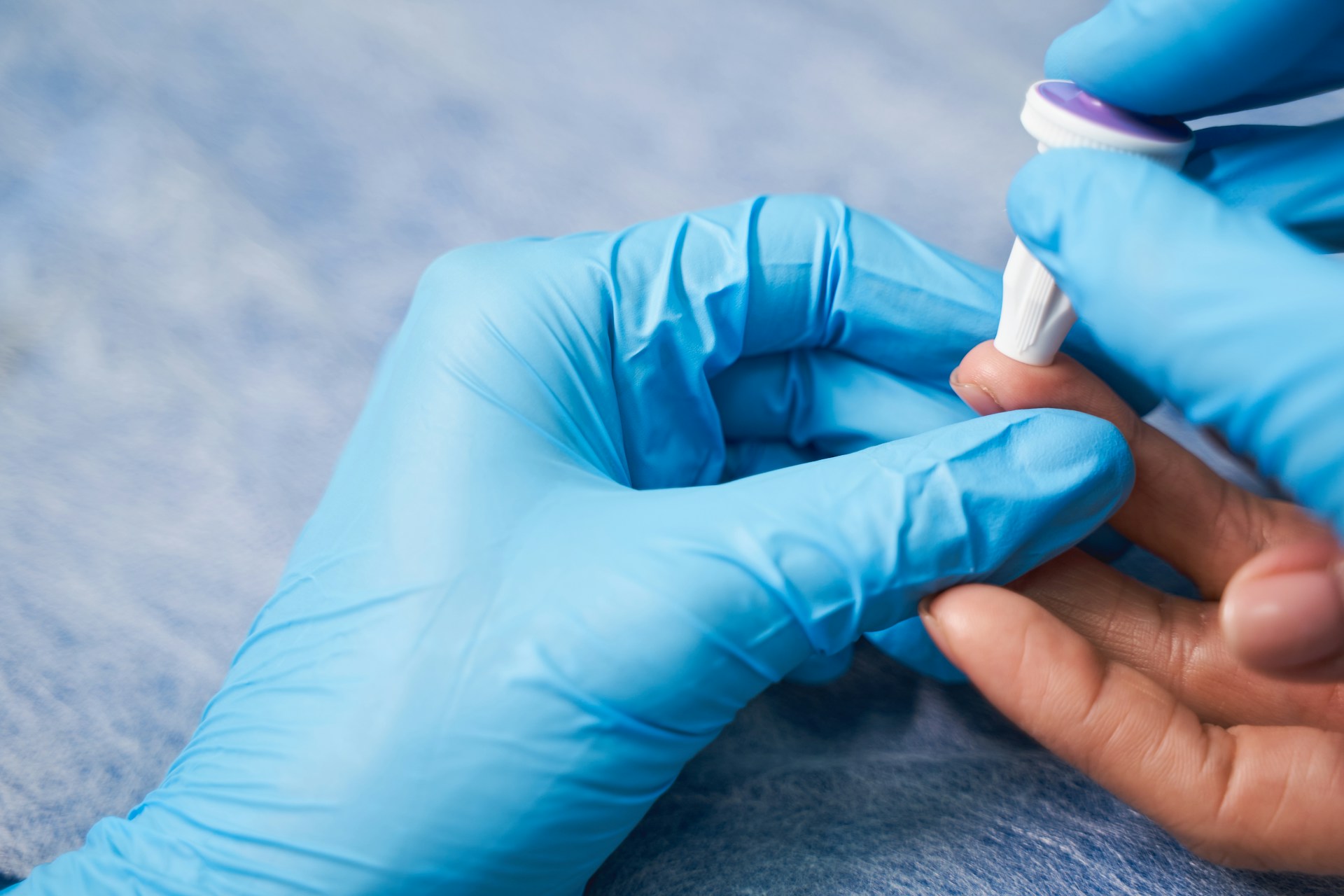
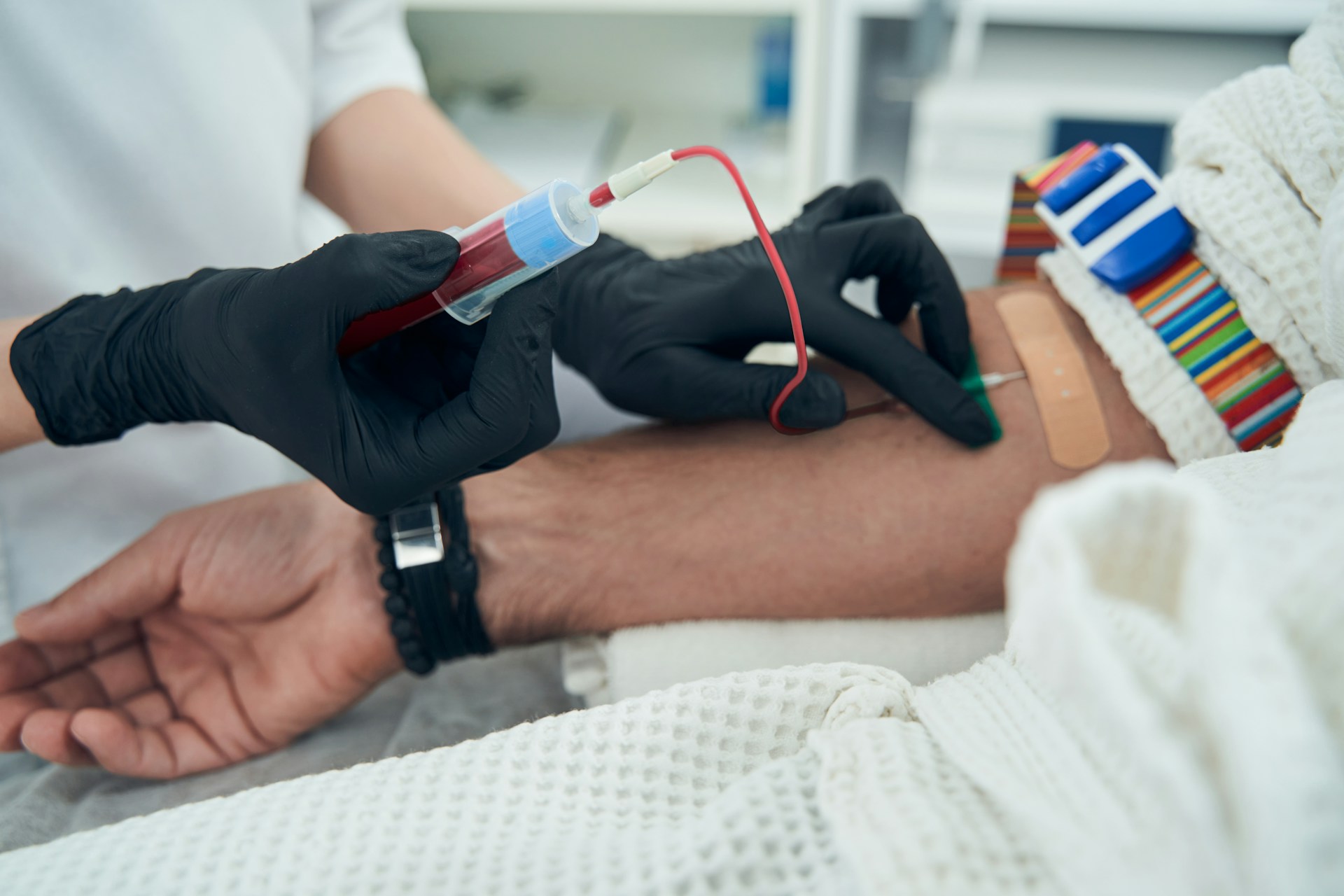
PPE stands for personal protective equipment. In a lab or clinic setting, it shows up in ways we barely notice anymore: gloves, face shields, masks, and gowns. It is more than just gear. It is our front line of defense. Whether it is protecting our skin or keeping germs from spreading between patients, PPE does its job when used correctly at the right time.
• Gloves are a must for every blood draw. We should always switch them out between patients, even if we think they look clean.
• Gowns and face shields are not always required, but they matter when we expect splashes or are handling multiple samples at once.
• Putting PPE on, or donning, needs care. So does removing it, especially gloves. Always take them off slowly and throw them away in the right bin to avoid contact with any spills.
The comprehensive training provided by DuMonde Management & Consulting includes hands-on PPE demonstrations, so every trainee learns the exact sequence for donning and removing equipment correctly. Taking a few extra seconds for proper PPE use helps us avoid contamination. When done consistently, it becomes second nature.
Safe Sharps Handling at Every Step
Needles are sharp, used often, and easy to mishandle if we are moving too fast. Slowing down and applying the right habits during each stage (before, during, and after a draw) makes a difference.
• Always use sealed, sterile needles and keep an eye on the expiration date.
• Do not try to recap a used needle. It is one of the easiest ways to stick yourself. Use the one-handed scoop method if needed, or activate the needle’s safety feature right away.
• Drop used sharps into a designated, clearly marked biohazard container immediately. Never let items pile up or sit around.
Sharps safety should continue all shift long. Everyone on the floor shares the responsibility. If a container looks full or misplaced, speak up. That one action could stop a dangerous accident. Our phlebotomy and nurse aide programs follow CDC guidelines for sharps disposal and provide step-by-step practice in real clinical scenarios.
Preventing Blood and Body Fluid Exposure
Sometimes the biggest risk comes from the smallest splash. Exposure to blood or other body fluids can happen before we realize we are in the danger zone. The goal is to set up clean, organized workspaces before starting any procedure and never trade convenience for safety.
• Keep all supplies and surfaces clean before handling blood.
• Make sure tubes, wipes, and gauze are within reach so there is no scrambling mid-procedure.
• Use barriers when needed, especially if working with high-pressure draws or dealing with unsteady patients.
If exposure does happen, such as a small splash hitting skin or eyes, do not ignore it. Clean the area right away with soap or water, alert your supervisor, and follow the exposure protocol step by step. Quick action can make all the difference to your health and peace of mind.
Staying Ready Through Good Habits and Teamwork
Safety is not just about what we do as individuals. It is also about how we support each other. Talking about supplies, asking for help, and practicing drills all play a part in keeping our environment running smoothly.
• Do not stay quiet if something feels off or unsafe, whether it is a broken piece of gear or an expired glove box.
• Practice drills are not just for inspections. They give us a chance to see if our habits hold up under pressure.
• Teamwork matters. A quick reminder from a coworker to grab fresh gloves or clean a shared tray might stop a bigger issue down the line.
Being part of a reliable team means we are watching out for more than ourselves. Strong habits grow when we help each other stick to them.
Building an Optimum Care Mindset
Strong phlebotomy safety culture grows when training, teamwork, and policies work together. As part of our Optimum Care approach, we not only train health workers to manage PPE and sharps confidently, but also support healthcare organizations in streamlining safety procedures for residential and home care environments. This layered support gives staff more confidence, helps reduce mistakes, and creates safer patient interactions.
Safer Days Start With Safe Steps
Every phlebotomist wants a clean record and a safe place to work. That security does not come from luck. It comes from actions: putting on PPE the right way, staying sharp with sharps, and not taking shortcuts with spills or exposure.
Safety habits make work easier, not harder. They help us focus when the labs are busy and patient numbers climb, like they often do in winter months around Roswell, GA. When we follow good routines together, there is more trust between teams, fewer surprises, and better care for every person who walks through the door. That is the kind of work environment we all want to be part of.
Building stronger safety habits starts with the right support, especially if you are working near Roswell, GA, and want training you can trust. No matter if you are brand new or simply sharpening your skills, learning how to handle health procedures carefully helps everyone feel more confident and secure. At DuMonde Management & Consulting, we offer programs with practical, real-world tips so you are ready from day one, including hands-on nurse aide training. We always welcome your questions and will walk you through your next steps. Reach out to us to get started.