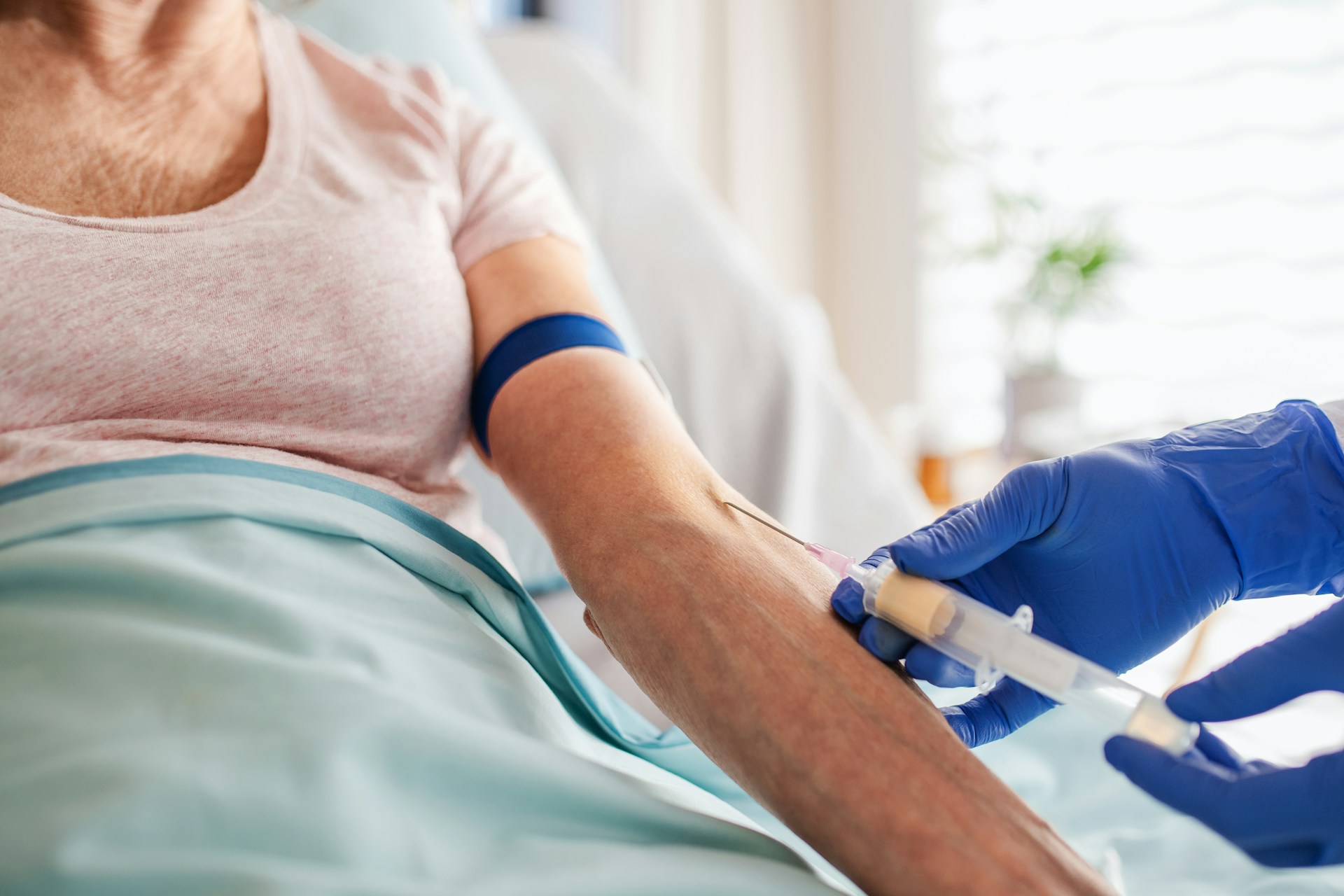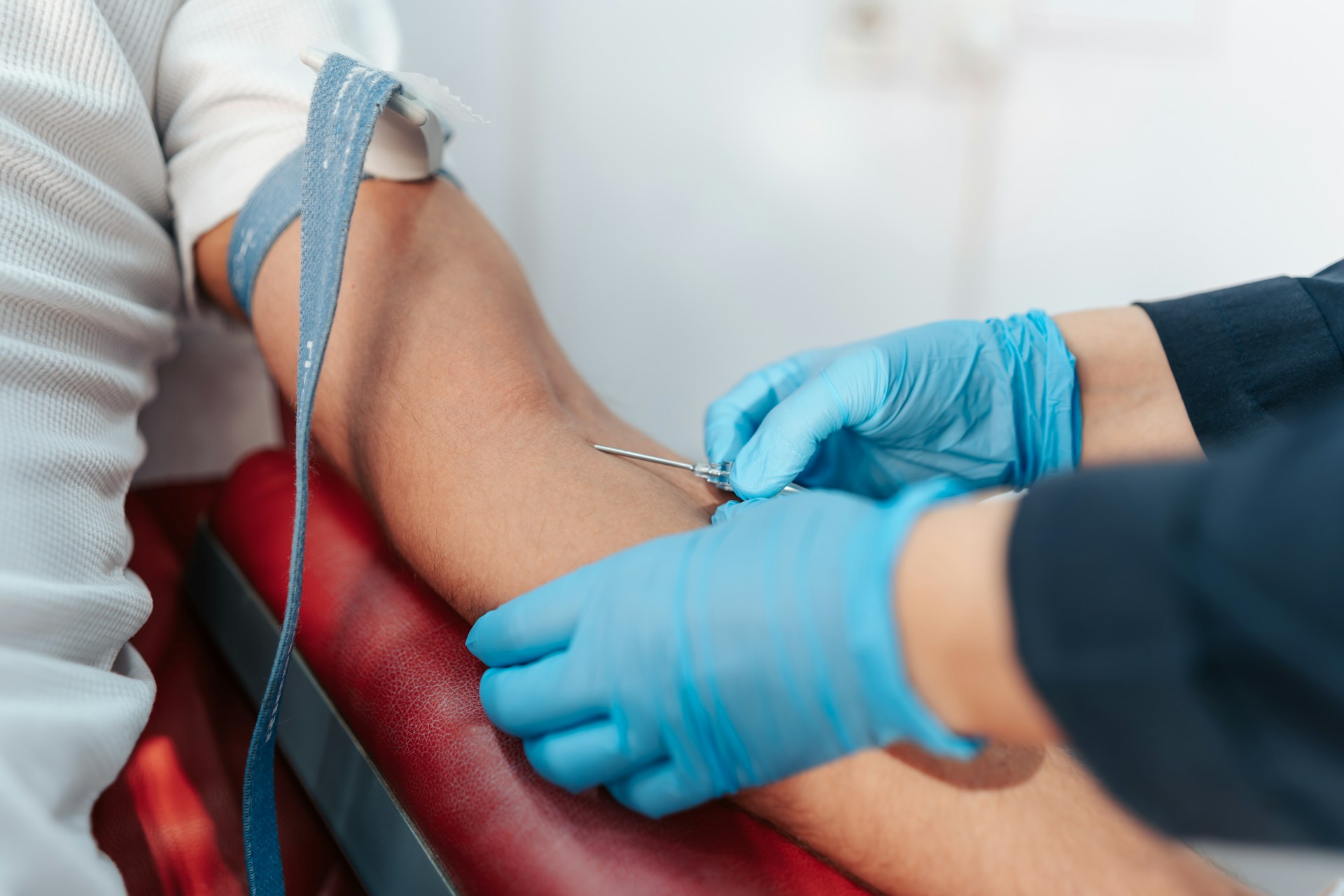
Drawing blood might seem simple, but when it is done the wrong way, it can lead to hemolysis and rejected specimens. That creates problems for everyone, from the patient to the provider who needs that lab result to treat them. The small things make a big difference, and being consistent matters more than having a perfect record.
For phlebotomists working in fast-paced clinics, long-term care settings, or even mobile units, having a step-by-step checklist can help avoid costly mistakes. By sticking to solid procedure development habits and adjusting how we collect and handle specimens, we can get cleaner samples and fewer delays. Here is how to keep quality high with every draw.
What Happens When a Sample Is Rejected
Hemolysis happens when red blood cells break down during or after a blood draw. This causes the sample to change color and makes it unusable for many tests. Test results come back skewed, incomplete, or not at all.
Rejected samples slow everything down. The patient may have to be redrawn, wait for answers, or even reschedule other appointments. Nurses and aides lose time. Lab techs get frustrated. Providers are stuck with incomplete data. The extra steps take away time from other patients who need care, too.
It is more common than many expect, especially in colder months like January when sample transport becomes trickier. Cold temperatures, longer drives, and quick changes between warm and cold environments in Roswell, GA, all raise the risk of broken samples. When working with fragile materials in winter, temperature matters just as much as technique.
Weather is just one factor that can challenge sample quality, but there are also workflow pressures and the need to handle multiple draws in sequence. Sometimes staff are hurrying to meet a schedule or juggle multiple patients at once. All these variables can raise the risk of mistakes, making it more important to use a checklist and a consistent routine.
Common Mistakes That Cause Hemolysis
Most broken samples come from preventable errors. Some feel small in the moment but add up fast.
• Not letting the alcohol dry on the skin before inserting the needle can cause cells to rupture.
• Mixing tubes too hard or spinning them too quickly shakes the sample apart.
• Using the wrong size needle, either too large or too small, can damage cells on entry.
• Pulling back too strongly on a syringe or plunging too fast during transfers adds pressure that pops red cells.
Storage and handling also matter. Leaving sample tubes in a freezing car or letting them sit next to ice packs without any padding can damage the blood before it even gets to the lab. During winter months, these issues creep in more often, especially for those working mobile routes in Roswell and other parts of North Georgia.
In addition to these technical errors, other problems like mixing up labels or forgetting to log samples can lead to rejection. It is easy to overlook these details when things are busy, but every step in the process matters. Keeping a careful pace and reviewing basic steps helps avoid simple human error.
Building the Phlebotomist’s Quality Checklist
A workable quality checklist helps build good habits and gives a way to double-check the process when things get busy. Here is one to follow:
1. Prep the space. Have clean gloves, bandages, alcohol wipes, tubes, labels, and the right needle ready.
2. Greet the patient calmly and explain the steps. That lowers movement and stress during the draw.
3. Check patient ID and label all tubes before you forget.
4. Use proper technique. Allow alcohol to air dry, choose the correct site, draw at the right angle.
5. Handle samples gently. Mix by inverting tubes, not shaking, and never stack upright without cushioning.
6. Keep samples at a moderate temperature. Avoid direct sunlight, car heaters, or placing tubes on cold metal surfaces.
7. Deliver or refrigerate based on instructions and timelines.
Using this checklist during each draw forces a slower, more careful process. It is not about speed; it is about quality and safety.
Consistency in how each step is performed makes a difference. Teams that stick to these habits typically have fewer lost or damaged samples. Reviewing the checklist together, especially as part of the morning routine, can set a standard for everyone in the care setting. Even if one person is covering many draws that day, relying on a simple reminder list keeps quality strong.
Short Winter Days, Long Delivery Times: Winter Readiness for Mobile Draws
Mobile phlebotomy work adds layers of challenge, especially when temperatures drop. Cold vans, icy sidewalks, and long pick-up routes all work against clean results unless we prepare.
• Insulate your specimen transport bags to hold steady temps during shifts.
• Use soft thermal sleeves or wraps for smaller batch collection.
• Keep extra gloves and hand warmers in your kit to handle materials safely while staying comfortable.
• Plan your schedule with weather in mind; try to limit high-volume days when it is extremely cold or snow is possible.
• Dress in layers so you can adjust quickly if you are going in and out of buildings often.
In Roswell, GA, even mild winter dips can create enough of a temperature swing to cause issues. A heated building followed by a cold walk to the vehicle can shift the blood inside a sample tube faster than most realize. Planning ahead matters.
Being ready with the right gear not only protects samples but also keeps the phlebotomist more comfortable and effective. Make sure to check your supply bag at the start of every route and replace missing or used items as soon as you return. Developing these habits for the cold months ensures sample quality and staff safety.
Expert Systems for Reliable Results
Phlebotomists in and around Roswell, GA, benefit when they work with proven systems that put patient safety and process consistency first. We specialize in developing step-by-step procedural guides and certification programs for healthcare teams, ensuring that staff in clinics, senior living communities, and home health settings are fully prepared for both technical and real-world challenges. As a recognized provider of Allied Health certification for phlebotomy, we combine classroom instruction with hands-on practice that reflects the specific needs of Georgia care facilities.
Working with systems that are built around your organization’s workflow creates a higher level of reliability. Training sessions that use local scenarios and frequent updates help keep teams engaged and aware of seasonal changes that affect sample handling. Whether you are just starting to formalize your procedures or want to review existing habits, bringing in structured support helps everyone stay sharp.
Every Detail Counts in Quality Care
Every cleaner draw means more accurate care and faster answers for patients. By following a checklist, using detailed procedure development, and training staff consistently, your team can help minimize specimen rejection and give care providers dependable results.
At DuMonde Management & Consulting, we know that better patient outcomes often start with better systems behind the scenes. That is why every detail, from how we draw and store samples to how we train staff, matters when shaping clean and reliable workflows. Strong habits like rechecking labels and following the correct transport steps all begin with sound procedure development. If your facility is facing setbacks from rejected specimens or seasonal delays, we are ready to help. Contact us today to talk through what your process needs.