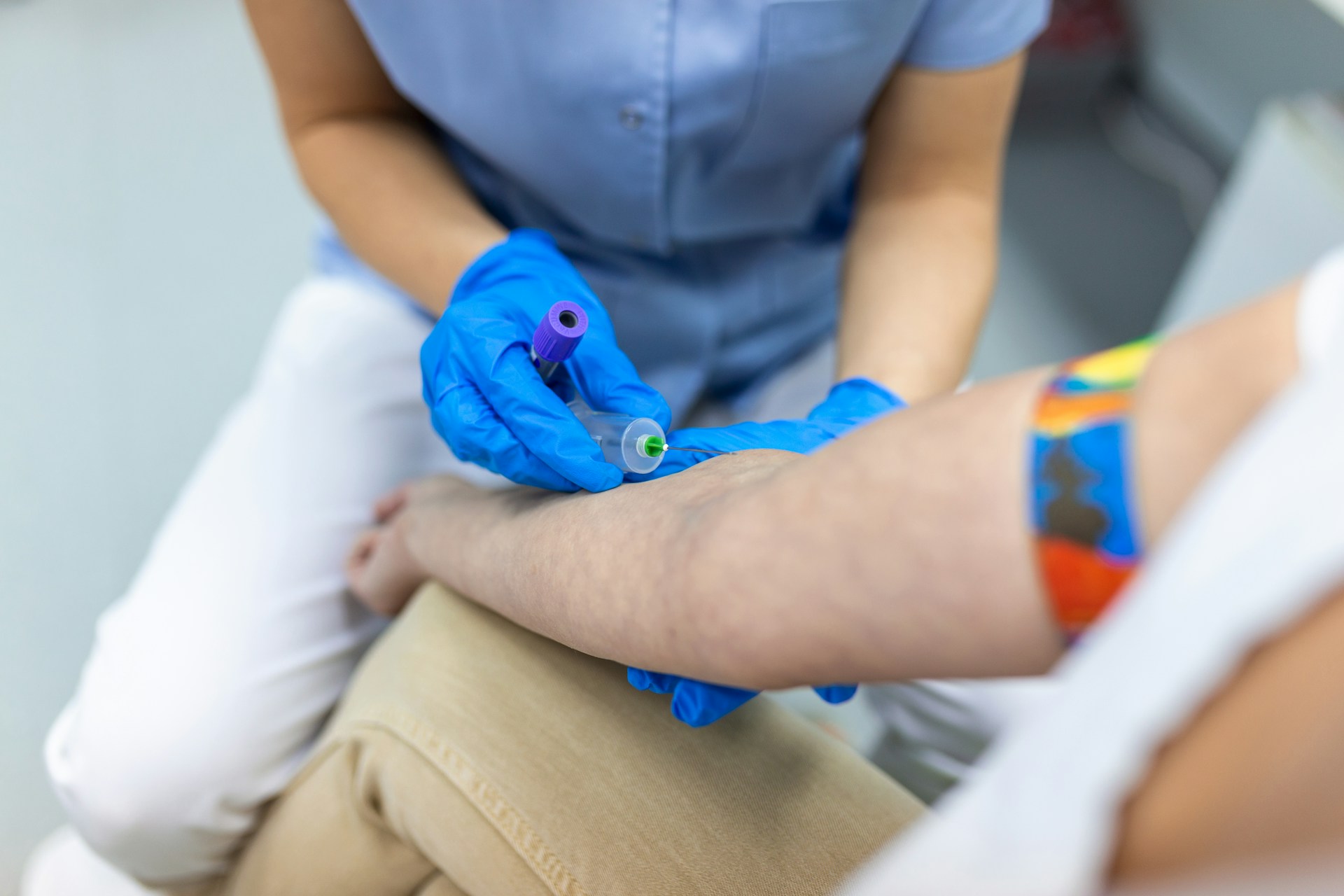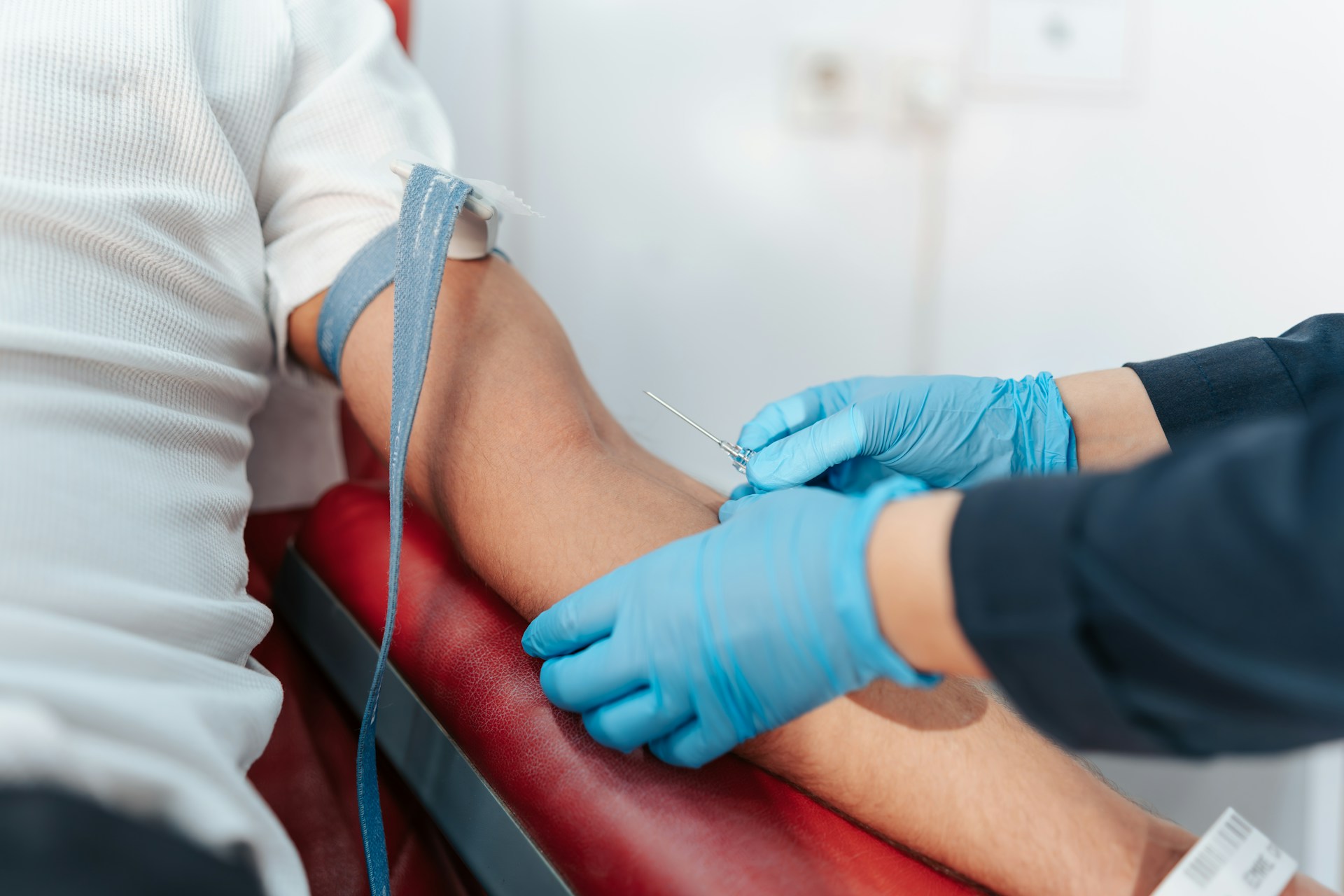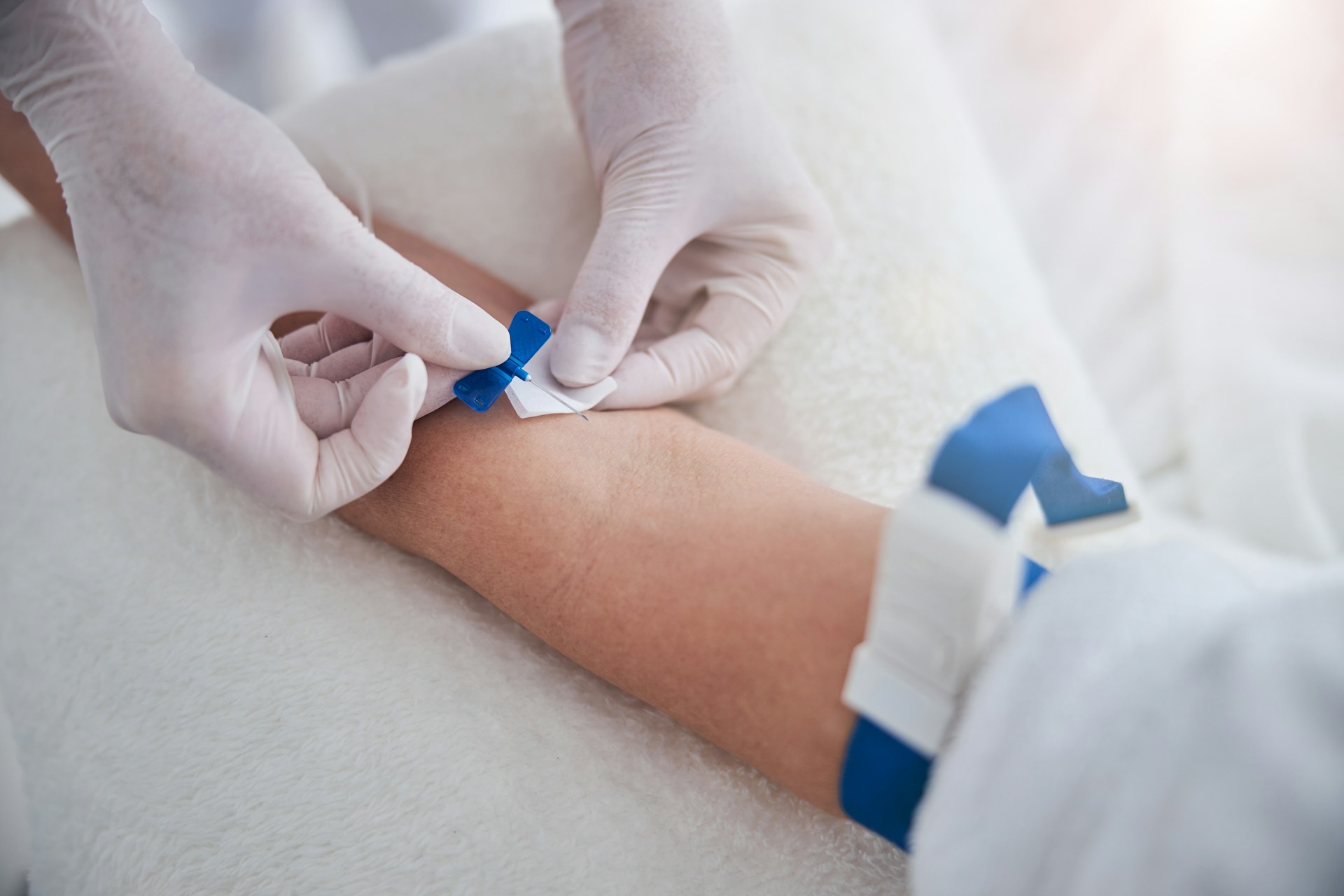
Phlebotomy clinicals follow a set schedule, but CNA work rarely does. In many Georgia care settings, CNAs juggle rotating shifts, mandatory overtime, and last-minute calls to cover open spots. That kind of schedule can make fixed clinical days feel impossible if you do not have a plan. The good news is that with a clear calendar and some backup support, phlebotomy training can still fit your life instead of fighting it.
At DuMonde Management & Consulting, we see busy CNAs move into phlebotomy every term. The ones who do it with the least stress do not rely on guesswork. They map out their current shifts, protect rest time, and talk early with family, childcare providers, and employers. In this guide, we share a plug-and-play calendar approach and practical backup plans, all shaped around how phlebotomy clinicals usually run in Georgia.
Build a Clinical Schedule That Actually Works
CNA work in Georgia is often built on rotating shifts and fast changes. You might be on days this week, evenings next week, then suddenly called in for an extra double. Fixed phlebotomy clinical hours, usually during set daytime blocks on weekdays, can bump into all of that. Without a plan, it is easy to end up exhausted, late, or feeling like you have to choose between your job and training.
Phlebotomy training is still realistic for busy CNAs because the overall clinical window is short and predictable. If you lay it out on a calendar and decide in advance when you will work, when you will rest, and who can step in to help, the stress drops fast. It is not about having a perfect schedule; it is about having a schedule with backup plans built in.
In the sections below, we walk through how to map your current CNA shifts, plug in a 4-week phlebotomy clinical plan, then layer on childcare, transportation, and employer coordination. The goal is a plan that feels solid even when work throws you a curveball.
Map Your Real Life CNA Schedule Before Clinicals Start
Before you think about phlebotomy clinical days, you need a clear view of what your CNA life actually looks like on paper. Start with a simple time audit for at least four weeks. Use a notebook, planner, or phone calendar and write down every shift you worked, including overtime.
Most CNAs in Georgia rotate through patterns like:
- 7 a.m. to 3 p.m.
- 3 p.m. to 11 p.m.
- 11 p.m. to 7 a.m.
Note which weekends you worked, which days you were on call, and when you got called in with short notice. This shows you your true workload instead of what is “on the regular schedule.”
Next, list your non-negotiables. These are the things that do not move, even for phlebotomy training, such as:
- Childcare drop-off and pick-up windows
- Another job or steady side shifts
- Standing medical or personal appointments
- Recovery time after a night shift
If you usually need at least 4 to 6 hours of sleep after working 11 p.m. to 7 a.m., treat that as blocked time. Do not stack phlebotomy clinicals right on top of it.
Now, create a simple red-yellow-green overview for a typical week:
- Red, absolutely unavailable
- Yellow, possible with adjustments like trading a shift or using extra childcare
- Green, ideal for phlebotomy labs and clinicals
You can color-code on paper or just label each block. The goal is to see, at a glance, where phlebotomy can reasonably fit.
A Practical 4 Week Phlebotomy Clinical Calendar Template
Phlebotomy clinicals often follow daytime, weekday patterns with set start and end times. That structure can work well if you match it to your own shift pattern. Below is a simple 4-week template, which you should adjust to match the exact schedule you receive from your program.
For a CNA on day shift (7 a.m. to 3 p.m.):
- Pick 2 to 3 weekdays over 4 weeks as clinical days, for example, Tuesdays and Thursdays.
- On those days, aim to block off CNA work entirely or at least 8 to 12 hours before clinical start time.
- Mark the evening before each clinical as an early bedtime zone and use the night for quiet prep, not overtime.
Your week might look like this:
- Monday, CNA 7 a.m. to 3 p.m., light review in the evening
- Tuesday, phlebotomy clinical 8 a.m. to 2 p.m., no CNA shift
- Wednesday, CNA 7 a.m. to 3 p.m.
- Thursday, phlebotomy clinical 8 a.m. to 2 p.m., rest after
- Friday, CNA 7 a.m. to 3 p.m., short study session
- Weekend, work one day, rest one day.
For evening shift CNAs (3 p.m. to 11 p.m.), clinicals often work best earlier in the day, with a buffer in between. You might schedule clinicals 8 a.m. to 1 p.m., then only pick up partial evening shifts or use that day off from CNA work. Night shift CNAs (11 p.m. to 7 a.m.) should try to avoid working the night before clinicals. Instead, work the night after a clinical when you have had time to nap.
For every clinical day, add buffer zones: no CNA shifts 8 to 12 hours before and at least several hours after. These buffers protect your sleep, lower stress, and help you stay calm and safe while drawing blood.
Backup Plans for Childcare and Transportation on Clinical Days
Childcare can be the hardest part of clinical days for many CNAs. Create a written “clinical day plan” with:
- Primary caregiver for normal drop-off and pick-up
- Secondary caregiver if the first person has a conflict
- Earlier drop-off time if you need to leave home before usual
- Emergency contacts and clear pick-up rules
Share the exact clinical dates and times with everyone involved, not just “sometime next month.” A simple texted photo of your calendar can work well.
Transportation also needs a backup. Before your first clinical day, drive the route to DuMonde and any assigned clinical sites during the same time of day. Note traffic patterns and how long it truly takes, not what your map app says. Plan to arrive 30 to 45 minutes early, so if there is a wreck on the interstate, you have wiggle room.
Have at least one backup transportation option, such as:
- A trusted family member or friend who can drive you
- A rideshare plan with your account set up in advance
- A coworker in the same phlebotomy training who can carpool
Build an emergency playbook for worst-case moments. If childcare falls through or your car will not start, who do you call first, second, and third? How much notice does your program need for absences or late arrival? Knowing this ahead of time helps you protect your clinical attendance and keeps your overall timeline on track.
Talking with Employers About Your Phlebotomy Clinicals
Your employer is more likely to support your phlebotomy training when they understand how it helps the facility. Phlebotomy skills can increase your ability to support clinical teams, reduce wait times for blood draws, and improve patient flow. When you first ask for schedule changes, frame it as you investing in better care skills that benefit the whole team.
Bring a clear written schedule to this talk. Show your proposed 4-week phlebotomy clinical calendar and highlight the shifts you can still cover. Offer to trade, float, or pick up alternate days before or after clinical weeks to help keep staffing stable. This makes it easier for supervisors to say yes.
It also helps to plan for last-minute changes. Set boundaries, in a respectful way, for how often you can be called in on your clinical weeks. Talk about overtime rules in advance. For example, agree that you will not be placed on call the night before a clinical, or that you will not accept double shifts during your main clinical block.
Turn Your Plan Into Registration for the Next Cohort
Once you have your four-week CNA schedule audit, your red-yellow-green calendar, and your draft clinical plan, you are much closer to making phlebotomy training real. The key pieces are all there: a realistic calendar, backup childcare and transportation, and a clear conversation with your employer about what you can and cannot cover.
At DuMonde Management & Consulting, our phlebotomy training is built to support working CNAs across Georgia who are ready for the next step. When you take time to plan your schedule now, you give yourself space to learn, practice, and show up to every clinical day alert and confident.
Take The Next Step Toward A Confident Healthcare Career
If you are ready to build hands-on skills that employers value, our phlebotomy training can help you move forward with confidence. At DuMonde Management & Consulting, we focus on practical instruction that prepares you for real clinical settings, not just the classroom. We are happy to talk through scheduling, prerequisites, and how our courses fit your goals. If you have questions or want to discuss enrollment, contact us today.