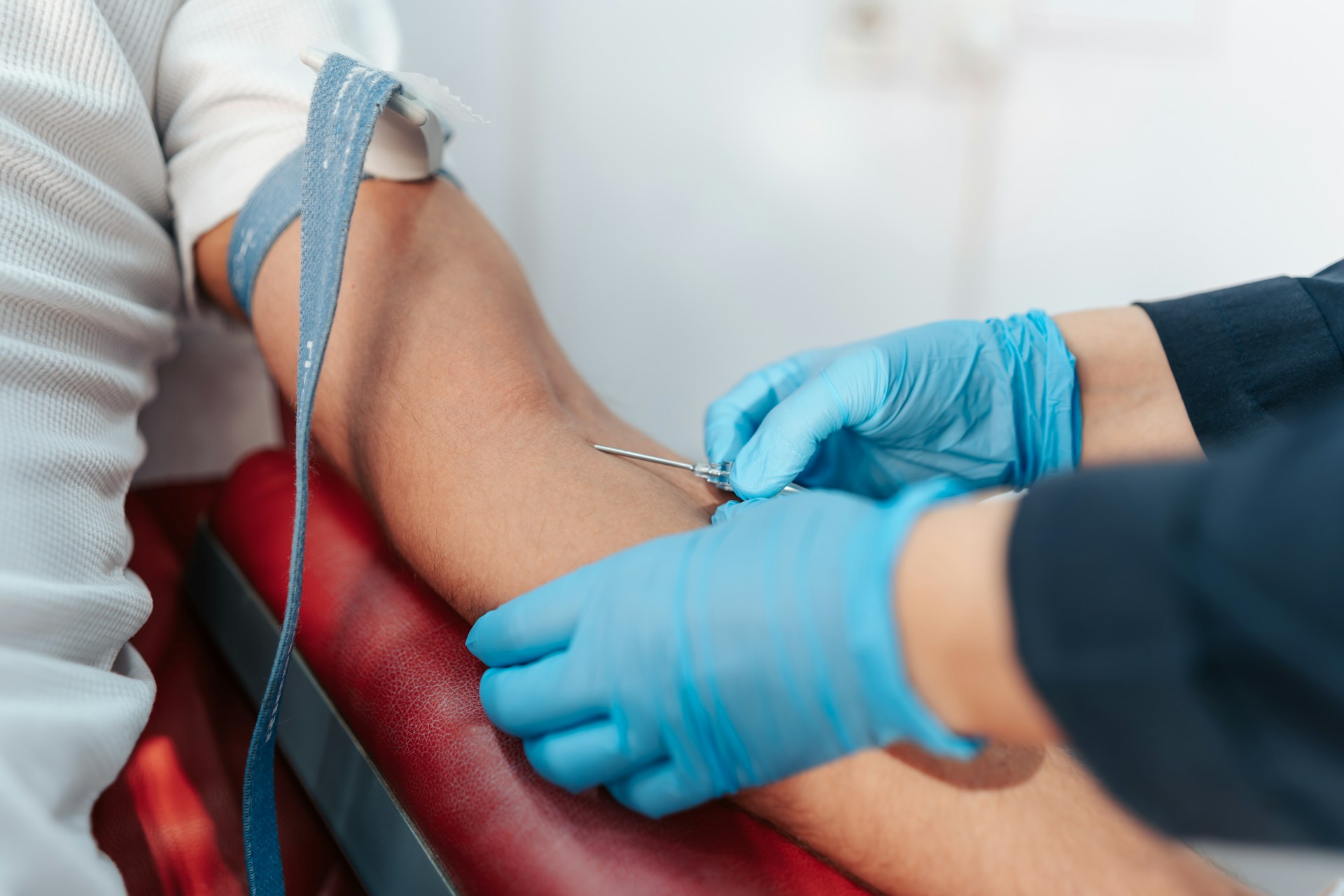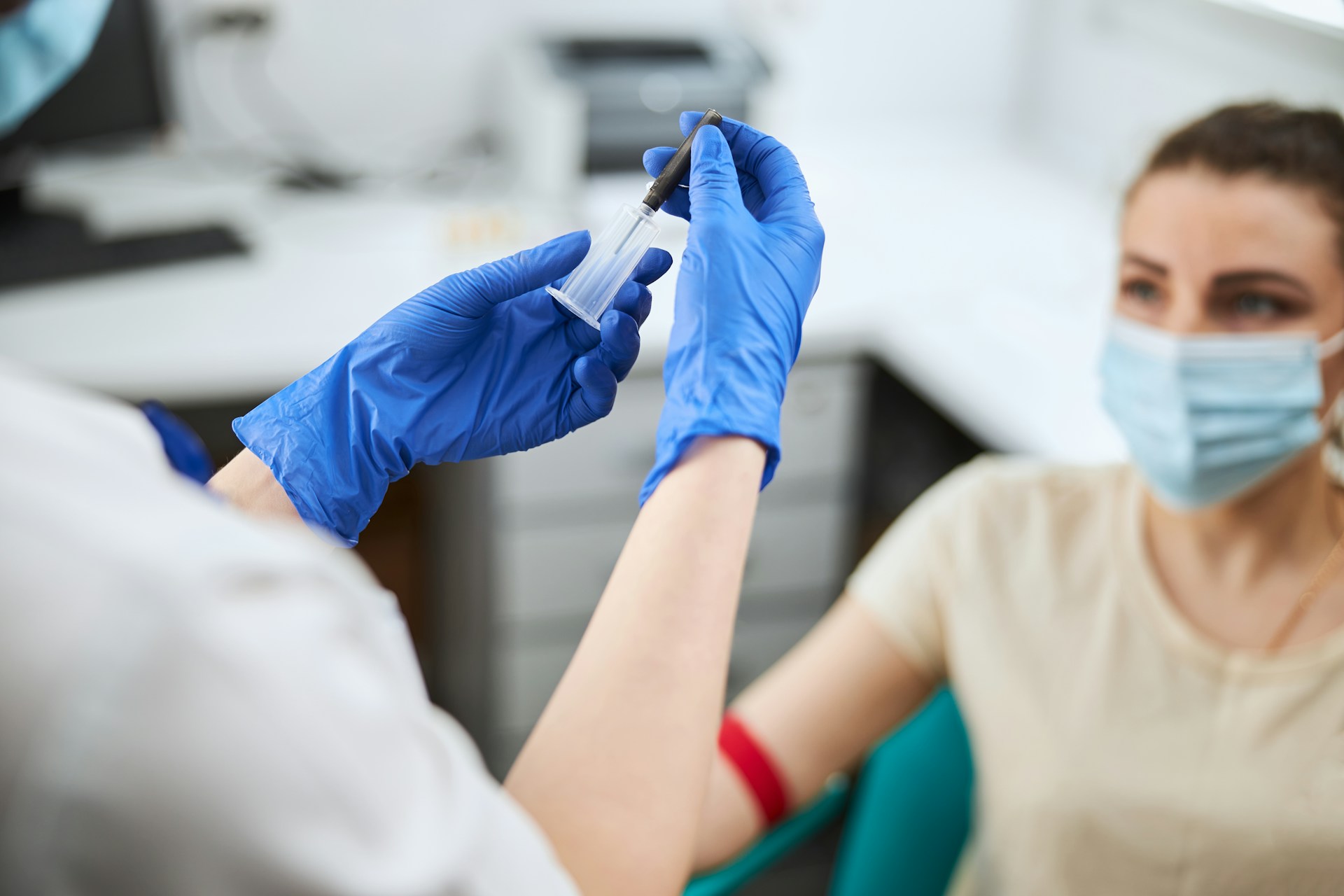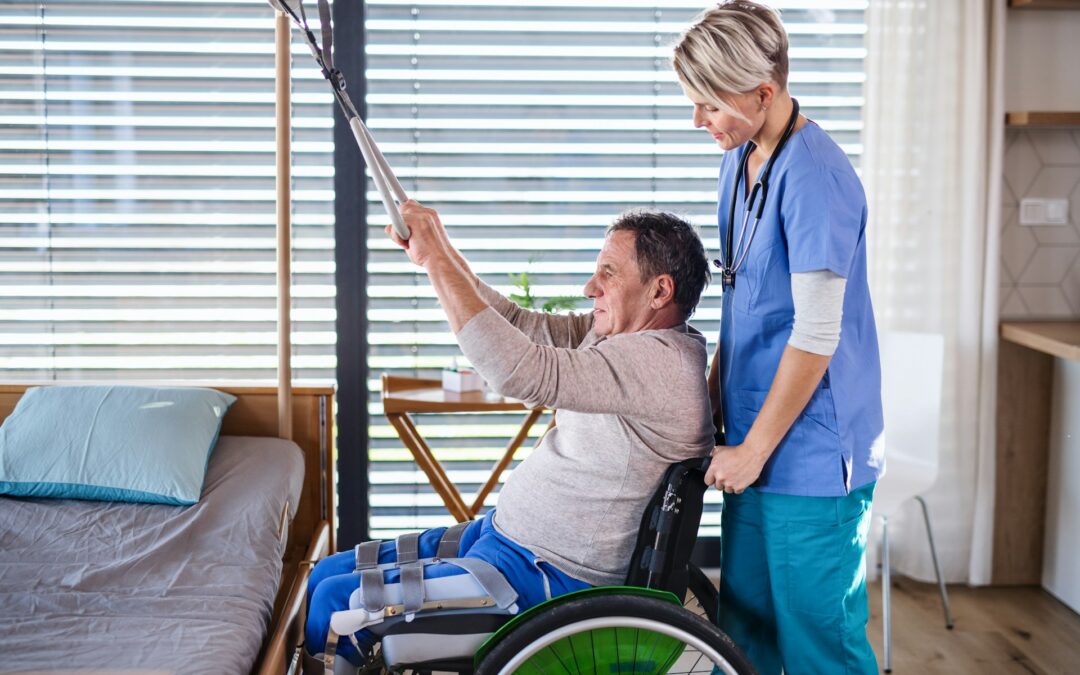
Lab errors may not always make the headlines, but in senior care and rehab settings, they can really slow things down. For residents dealing with multiple health needs, getting accurate bloodwork matters. A missed step or mislabeled sample can mean delays in treatment or unnecessary repeat tests. That is hard on the people we care for and the staff trying to help them.
The good news is small changes in how we handle phlebotomy can improve accuracy across the board. From better training to improved spaces and clearer communication, each adjustment builds toward a better, safer process. At our facilities in Roswell, GA, and across the region, we have seen how thoughtful procedure development can help reduce slip-ups and give everyone more confidence.
Why Lab Accuracy Matters in Senior and Rehab Facilities
For the older adults we serve, lab work often happens more than once a month. It is part of monitoring chronic issues, checking up on medications, or spotting early warning signs. Unlike younger patients, our residents may have conditions that affect hydration, mobility, or vein access, which makes draws more sensitive.
When a draw goes wrong, it is not just a minor hiccup. Missed labels or wrong tubes can mean:
• Extra pokes and more discomfort
• Delays in test results that keep care teams guessing
• Residents losing trust in the process
Those small errors can grow into bigger problems. The key is stopping them before they happen, not waiting for the pattern to repeat. By taking proactive measures, facilities can manage risks more effectively and provide a better standard of care for everyone.
Improving Staff Readiness Through Phlebotomy Training
Even seasoned staff can benefit from a skills refresh, especially when our population changes or new equipment is introduced. Creating time for updated training helps everyone stay sharp. That includes:
• Clear walk-throughs of current draw procedures
• Practice scenarios that reflect challenges with mobility or cognition
• Reminders about hand hygiene, glove use, and contamination prevention
When staff regularly review these elements, confidence grows and procedures become more standardized. DuMonde Management & Consulting specializes in phlebotomy certification and offers comprehensive training programs designed for the realities of senior care and long-term facilities. We have found that even 15-minute refreshers or huddles can make a difference. Staff tend to feel more confident approaching difficult draws when they have seen it modeled first. A calm, prepared person helping a nervous resident can shift how the whole visit goes.
Training also helps foster consistency in how each team member approaches a draw. Small differences in steps or technique can lead to accidental errors. Regular workshops provide opportunities to share updated information, review technique, and solve challenges as a team. New hires, temporary staff, and even long-time employees all benefit from discussing phlebotomy best practices together.
Setting Up the Right Environment for Clean, Safe Collections
Where collections take place matters more than we sometimes think. A lot of errors can be traced back to a noisy room, bad lighting, or clutter that distracts from the details. To give staff and residents the best shot at a safe draw, we try to:
• Set aside dedicated collection areas with good lighting and enough space
• Keep supplies stocked and labeled in consistent locations
• Use quiet zones to limit interruptions or equipment oversights
In some buildings, this means adjusting a treatment room or setting a rolling cart with all the tools. What matters most is reducing the variables that pull attention away from the process itself. Clutter or a lack of organization can quickly disrupt even the best-trained team. Taking time each shift to make sure collection areas are ready can prevent overlooked steps.
Good organization does not just support accuracy; it makes the experience better for residents as well. When a draw happens in a calm, well-lit space, residents often feel more at ease and are willing to cooperate, making the whole process smoother for everyone involved.
Building Strong Communication Across Your Facility
It helps when everyone, from nurses to aides to lab runners, knows what is expected at each step. Great phlebotomy practices depend on the right handoff of information. That might mean:
• Writing down when a resident is prepped and ready
• Using a common log or app to note draw times and any concerns
• Clarifying what happens if there is a delay or the resident says no
Sometimes, what causes problems is not the draw; it is miscommunication before or after. When no one knows who is checking for results or verifying samples, mistakes sit in the system for too long. A strong process keeps these gaps closed. Facilities that create routines around clear communication and clear records see fewer errors and less confusion about test status.
It is important to maintain clear expectations around what information should be communicated, both verbally and in writing. Having standard handoff procedures helps the whole team know where to go for information and what to do if a problem comes up. Errors caused by miscommunication are preventable with these extra steps.
Routine Auditing and Process Adjustments
We treat our lab routines like any other care process, worth checking regularly. Looking over records from the last quarter can turn up missed labels, delayed deliveries, or repeated tube errors. From there, we:
• Adjust form labels or sample tracking sheets
• Retrain staff who had higher error rates
• Realign our procedure development with any updates to Georgia’s guidelines
DuMonde’s operational consulting services include facility audits, policy updates, and compliance reviews, ensuring that your processes are current and aligned with state regulations. Nothing stays perfect forever, especially in a busy facility. Regular reviews let us spot those small drips before they flood the system. Updating documents when there are changes helps avoid confusion. Proactive reviews of trends and error logs give leadership a better view of what needs fixing.
Frequent auditing also opens up discussions where staff can give feedback. Those who perform draws each day are likely to notice patterns or obstacles that others may miss. Creating an environment where input is gathered and valued leads to better overall performance.
Getting Ahead with the Right Workflow
With spring not far off, this is the right time to review how things are working. Busy seasons, new admissions, or changing health needs can all put pressure on our lab collection processes. The good part is that we do not have to overhaul everything to see results.
By focusing on clear roles, smarter flow, and helpful training, we chalk up fewer mistakes and more steady days. Residents feel safer, and staff can do their work without second-guessing each step. These kinds of behind-the-scenes efforts build real peace of mind for everyone involved.
A strong workflow is developed by making small, practical adjustments. Reviewing common trouble spots in your current system can help prioritize what needs to be changed first. Sometimes, informal team meetings can be used to talk through how new routines are working and what might be improved. Over time, attention to these areas helps facilities provide better care and avoid preventable lab errors.
It is helpful to document new ideas or solutions that have a positive impact so they can be shared with other teams or used as part of ongoing staff development and training. With routines in place, each staff member’s confidence grows and the quality of care increases.
Better Process, Better Care: Move Forward with Confidence
At DuMonde Management & Consulting, we support teams in Roswell, GA, and throughout Georgia who want smoother days and fewer surprises. With over 50 years of combined leadership experience, our “Optimum Care” approach blends policy development, training, and hands-on consulting for facilities serving seniors and those with special needs.
Taking a fresh look at your facility’s lab collection routines sometimes works best when you focus on improving each step and handoff. With our approach to procedure development, small errors do not turn into bigger issues later. Let’s talk about what is holding up your process and how we can help you fix it. Call us to start a better way forward.