Changing careers as an adult is a big decision, but it does not have to be confusing or out of reach. Many people think about a second career after burnout, kids leaving home, layoffs, or stepping away from a job that is hard on the body. Phlebotomy training gives you a clear, practical way to move into healthcare without going back to school for years. It is hands-on, people-focused, and can open doors in many types of medical settings.
Early in the year, goals feel fresh and budgets are being set. Some adults use this time to finally act on the quiet thought that they need a new path. Phlebotomy training can fit that moment, especially if you are ready for steady work that also has meaning. In Roswell, Georgia, DuMonde Management & Consulting offers a student-centered option for adults who want a realistic, supported way into phlebotomy as a second career.
Why Phlebotomy Is a Smart Second-Career Choice
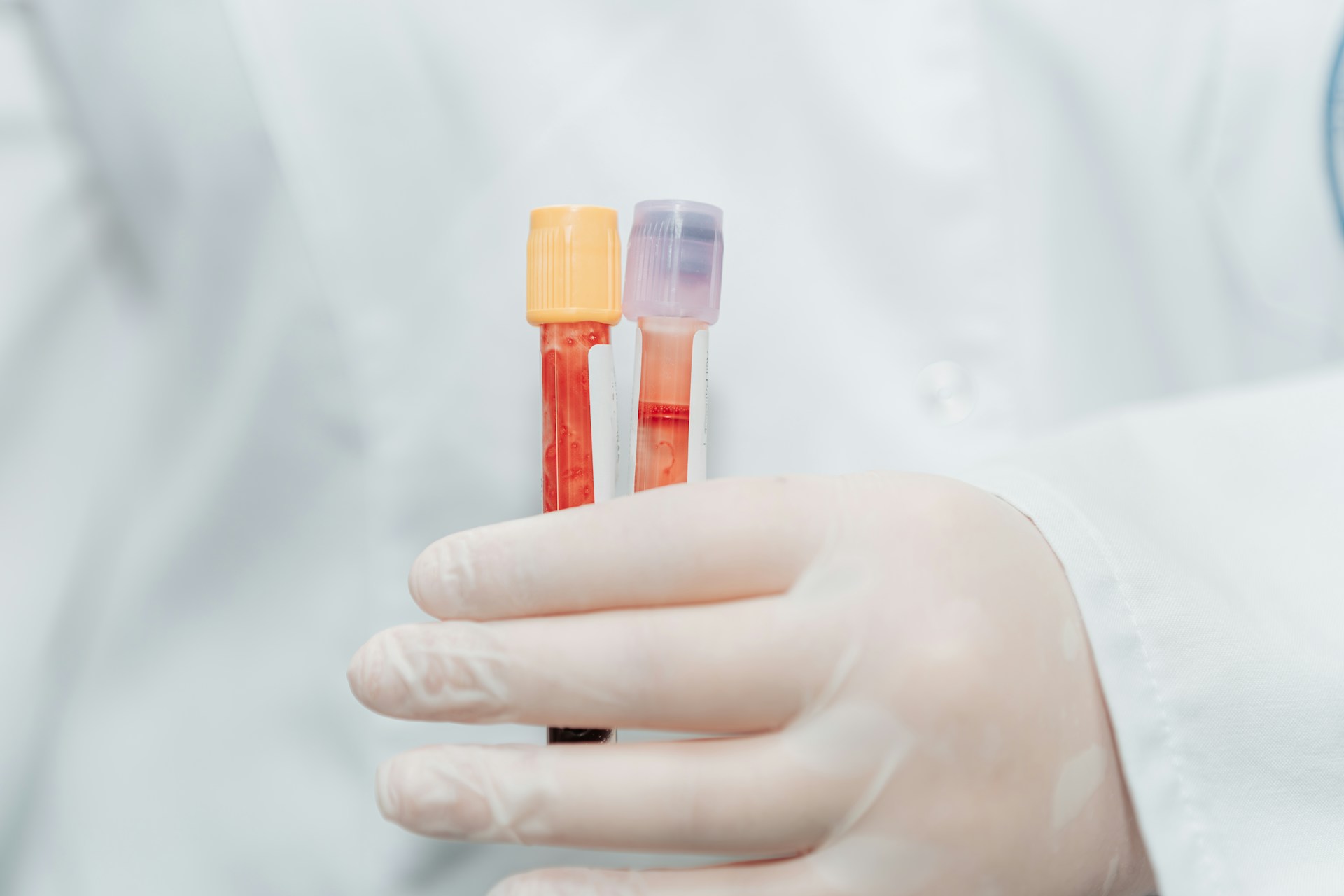
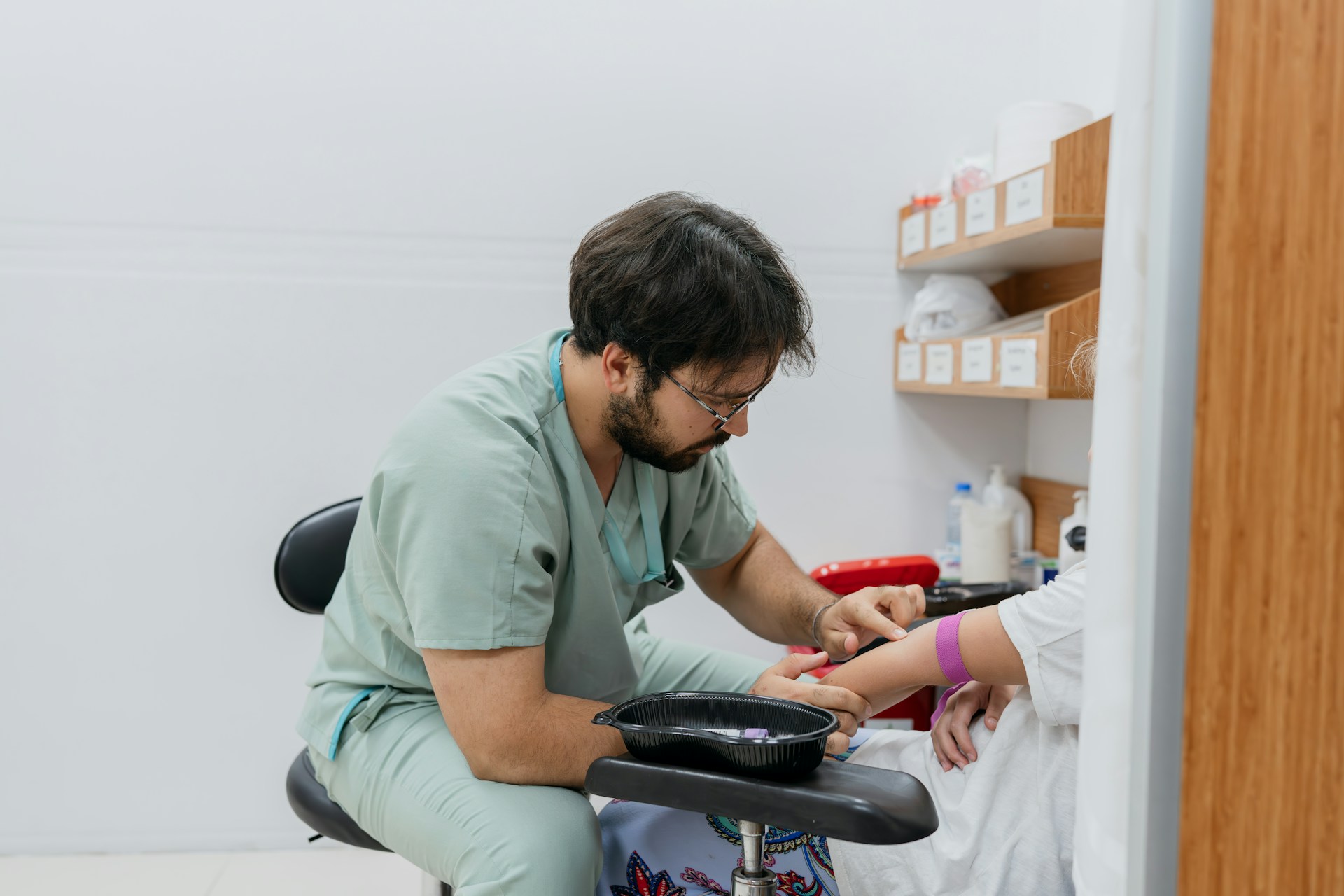
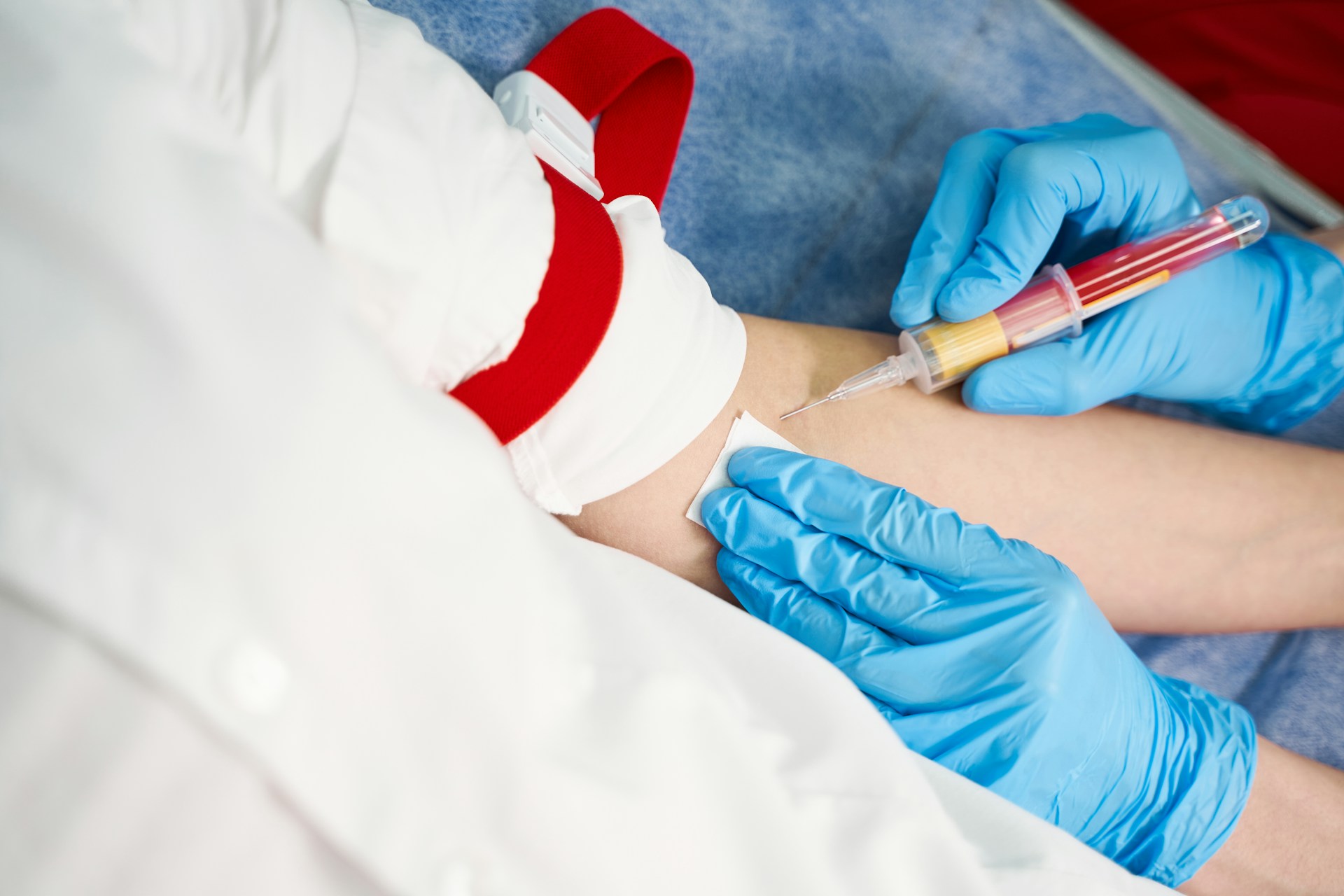
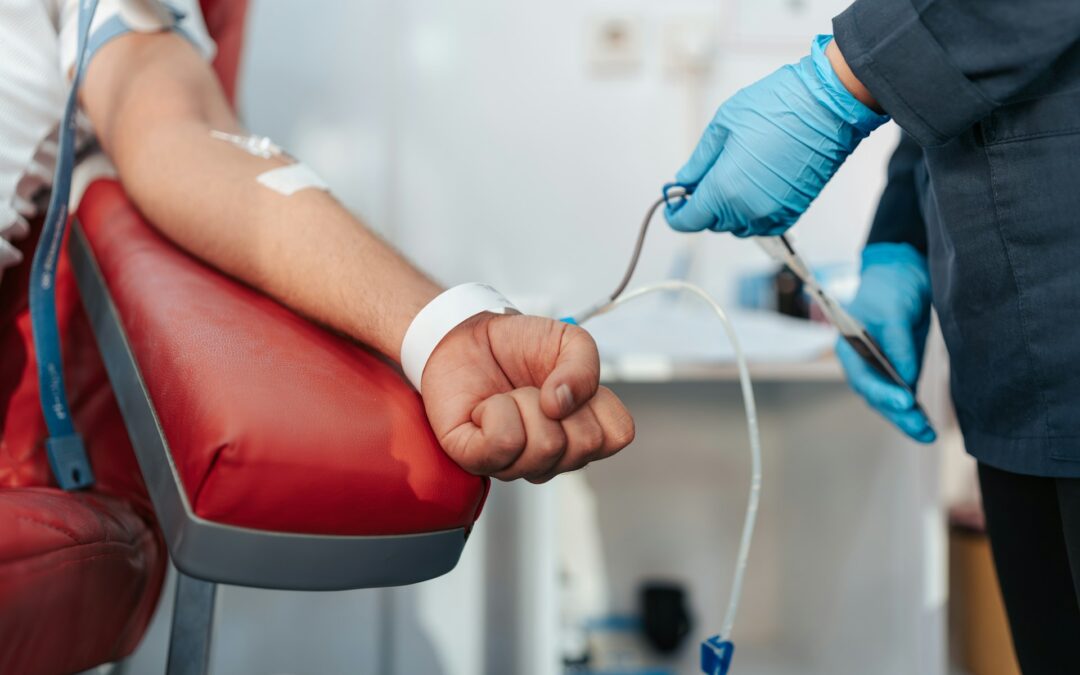
Phlebotomists are the people who draw blood for tests, blood banks, and donations. They help prepare the supplies, talk with patients, place the needle, collect the right tubes, and label everything clearly so labs can do their work. They also help calm nerves, answer simple questions, and make the process as quick and comfortable as possible. This role shows up in hospitals, clinics, urgent care centers, doctor’s offices, and diagnostic labs.
For someone planning a second career, that mix can be very appealing. Training is shorter than many other healthcare paths, which makes phlebotomy training a realistic first step into the field. It is an entry-level position, so you do not need past medical experience to start, yet it can still offer:
- A clear, defined skill set
- Work that is active but not extreme on the body
- The chance to help people during important health moments
- Room to grow into other roles over time
Many adults feel nervous about going “back to school.” Common worries include test anxiety, not feeling tech-savvy, or wondering how to juggle classes with family needs. A focused phlebotomy program can help by breaking learning into clear pieces, offering structure, and giving you repeated hands-on practice. When you see your skills grow step by step, it becomes easier to trust yourself again as a learner and as a future healthcare worker.
What to Expect From Quality Phlebotomy Training
A strong phlebotomy training program does more than show you how to hold a needle. It should cover the full process of collecting blood safely and respectfully. Core topics often include:
- Basic anatomy and physiology of veins and the circulatory system
- Infection control and standard safety procedures
- Venipuncture techniques and capillary collection
- Proper specimen handling, labeling, and storage
- Communication and professionalism with patients and staff
Hands-on practice is a key piece. Adult students should look for a learning environment that blends class time with real skills practice. Small class sizes, experienced instructors, and realistic lab simulations can make a big difference. In these settings, you can ask questions freely, repeat skills until they feel natural, and get direct feedback that helps you improve.
At DuMonde Management & Consulting, our phlebotomy training is created with adult learners in mind. That means clear lesson plans, step-by-step skill building, and space to practice on training arms before supervised blood draws. Clinical or lab style practice helps you get used to the equipment, the feeling of the procedure, and the professional flow. When you have already drawn blood in a controlled setting, you walk into your first job with less fear around needles and patient interactions. This is especially reassuring if you are changing careers after many years in a totally different field.
Balancing Phlebotomy Training with Work and Family
Most second-career students are not able to pause life just to attend school. Many work full-time or part-time, run school carpools, or support aging parents. Adding phlebotomy training into that mix may seem tough at first glance, but the right structure can make it very doable.
Helpful strategies include:
- Choosing a program with options that fit your work hours
- Planning study time into your week like you would a work shift
- Using evenings or weekends for review and practice
- Asking family or friends to support you on class days
A clear schedule and predictable calendar help you plan ahead, so you are not surprised by assignments or skill checkoffs. At DuMonde, we focus on giving busy adults structure and communication, so you know what is coming and how to prepare. When lessons build in a logical order, it is easier to keep up even when life is full. Many students find that with planning and focus, they can finish phlebotomy training in a realistic timeframe and step into a new role without putting everything else on hold.
From Classroom to Clinic in Roswell and Beyond
Once you complete phlebotomy training, the next step is turning those new skills into work. That usually includes preparing for any needed exams, reviewing core concepts, and practicing test-style questions. You may also update your resume so it reflects both your new training and the strengths from your first career.
In the Roswell and greater Atlanta area, trained phlebotomists can find roles in places such as hospitals, outpatient labs, urgent care centers, and blood donation sites. What many second-career students forget is that past work experience is a big plus. For example:
- Customer service experience helps with patient care and communication
- Retail or office work builds time management and attention to detail
- Logistics or warehouse roles support organizing supplies and equipment
- Supervision or leadership roles show reliability and professionalism
Phlebotomy can be a satisfying long-term role if you enjoy direct patient contact and hands-on work. It can also be a stepping stone into other healthcare paths like medical assisting, nursing, or certain lab positions. Once you are in the healthcare world and have completed phlebotomy training, you will better understand what day-to-day life looks like in different departments. That insight can guide your future moves as your interests and goals grow.
Taking the First Step Toward a Phlebotomy Career
A second career does not have to be a giant leap all at once. Phlebotomy training offers a clear first step that is focused, teachable, and practical for working adults. Instead of trying to plan every move in your future, you can start by learning one concrete skill set that is needed in healthcare every single day.
At DuMonde Management & Consulting in Roswell, we see how powerful that first step can be. When adults give themselves permission to learn again, bring their life experience into the classroom, and build new skills with support, a second career begins to feel real. Phlebotomy training gives you that chance: to start small, grow steadily, and open the door to meaningful work in healthcare without putting your entire life on pause.
Take The Next Step Toward A Career In Healthcare
If you are ready to build real, in-demand skills, our phlebotomy training can help you move confidently toward your goals. At DuMonde Management & Consulting, we focus on practical, hands-on instruction that prepares you for the workplace, not just the classroom. We are here to answer your questions, discuss schedules, and help you understand your options. To talk with our team about getting started, contact us today.