Build Confidence with Steady, Skilled Hands
Strong hands and calm focus can change how you feel at work. As a CNA, you already use careful hand skills all day, even if you do not always think about it. Taking blood pressure, giving bed baths, helping with dressing and supporting patients with daily tasks all ask you to control small movements and stay gentle.
These same skills matter in phlebotomy. When you add phlebotomy training to your CNA background, you are not starting from zero. You are building on what you already do well and shaping it into a new, higher-level skill that can open more doors in healthcare.
Many facilities look for CNAs who can take on more duties, including blood draws and lab support. The good news is that fine motor skills are not a special gift you are born with. They grow with practice. With the right training in a local setting and some simple daily habits, you can train your hands and your mind to feel ready for phlebotomy success.
Why Fine Motor Skills Matter for Phlebotomy
Fine motor skills are the small, exact movements you make with your hands and fingers. In phlebotomy, these small movements add up to safe, clean blood draws. When you look for a vein, you need a steady touch to feel the vessel under the skin. When you place the needle, your hand needs to move at the right angle and depth, without shaking.
Good hand control helps you:
- Anchor the vein so it does not roll
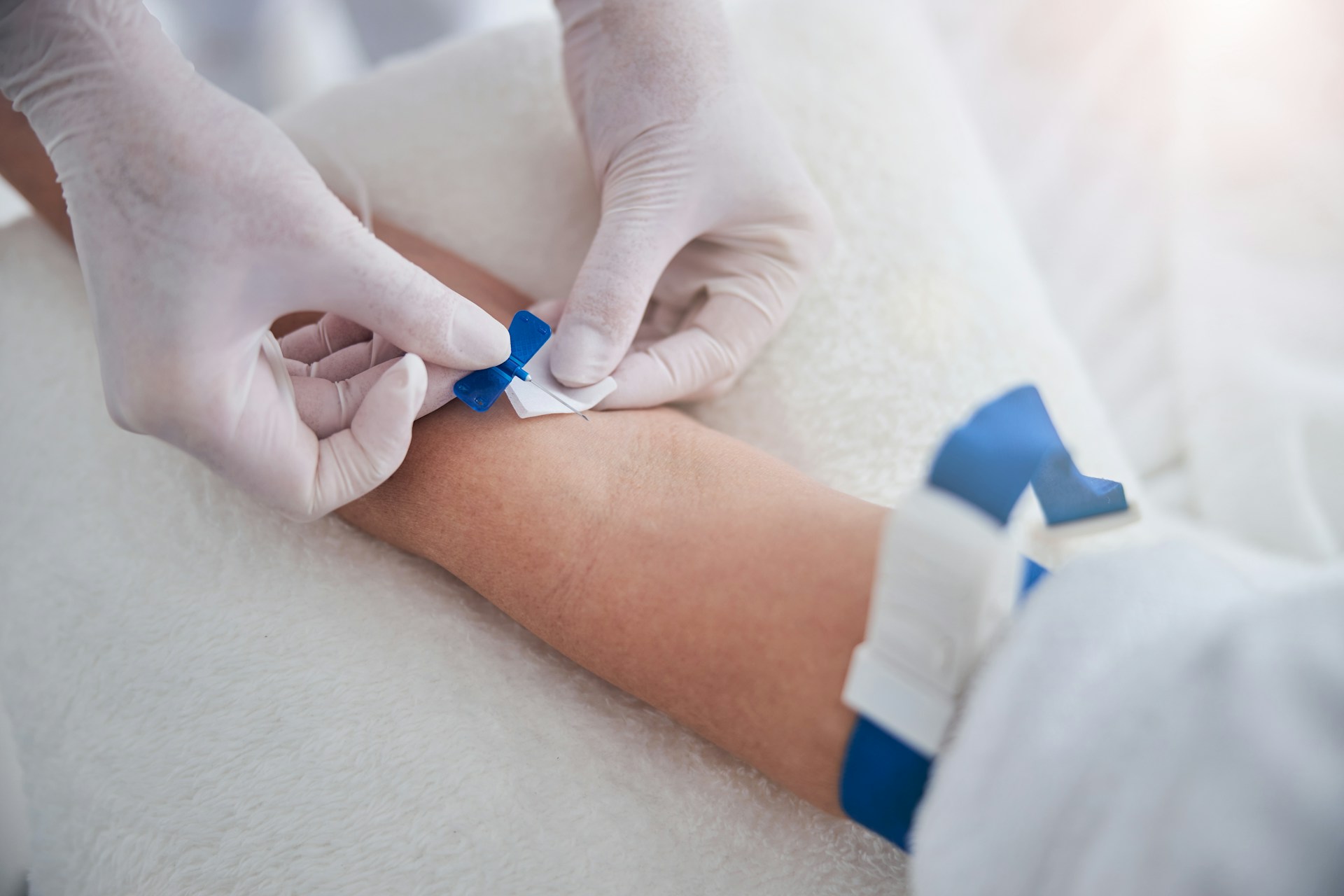
- Insert the needle smoothly and on target
- Keep the needle still while tubes fill
- Remove the needle and apply pressure the right way
When your fine motor control is strong, patients often feel more at ease. There are fewer failed sticks, less bruising, and less pain. That can lower tension for both you and the person having blood drawn. It also helps protect you from needle sticks and other accidents, because your movements are more controlled.
From a career view, strong fine motor skills plus phlebotomy training help you stand out. Employers notice CNAs who can handle blood draws with confidence. That kind of skill set can make you more competitive for roles in hospitals, clinics, and labs where phlebotomy is part of daily work.
Everyday CNA Tasks That Sharpen Phlebotomy Skills
You already practice a lot of phlebotomy-like motions during a normal CNA shift. The trick is to become more aware of how these tasks train your hands.
Think about how often you:
- Handle small medication cups or syringes
- Fasten gait belts and adjust them snug but safe
- Arrange oxygen tubing, catheter lines, or IV tubing
- Pump blood pressure cuffs and turn valves gently
- Use glucometers and place strips with care
Each of these tasks asks your fingers to move with control, not force. When you help with dressing changes or catheter care, you must be gentle with the skin and keep your tools steady. The same calm, careful approach helps when you hold a patient’s arm, apply a tourniquet, or support a needle.
Focus on technique, not speed. For example, during your shift you can practice:
- Keeping your wrist straight while you clean around a catheter site
- Placing your fingers in the same spot each time you take a pulse
- Moving slowly and smoothly when you attach tubing or close clamps
Small choices like these teach your brain and muscles to work together. Over time, the same control will make your phlebotomy motions feel more natural.
Simple at-Home Exercises to Improve Hand Precision
You can keep building your fine motor skills even when you are not on the clock. A few minutes a day at home can make your hands steadier and stronger for phlebotomy training.
Try simple strength tools, such as:
- Squeezing a soft stress ball in each hand
- Working therapy putty between your fingers
- Using light hand grippers with slow, even squeezes
These activities help with grip and stability, which matter when you hold a needle hub, tighten a tourniquet, or steady a patient’s arm.
You can also work on precision and coordination. Good options include:
- Picking up small objects like beads or paper clips with tweezers
- Threading needles or lacing up items with small holes
- Buttoning and unbuttoning shirts quickly and neatly
- Tracing straight lines or small circles with a pen without lifting your hand
Pay attention to your body position too. Good posture supports your fine motor control. When you practice, sit or stand with your shoulders relaxed. Keep your wrist straight and your forearm supported on a table when you can. Move slowly and breathe evenly. These habits can help reduce shaking and hand fatigue when you are drawing blood or setting up supplies.
How Quality Phlebotomy Training Brings It All Together
Practice at work and at home prepares your hands, but professional phlebotomy training gives you a safe place to connect everything. A strong program lets CNAs turn their day-to-day skills into focused phlebotomy technique.
In class, you can expect to:
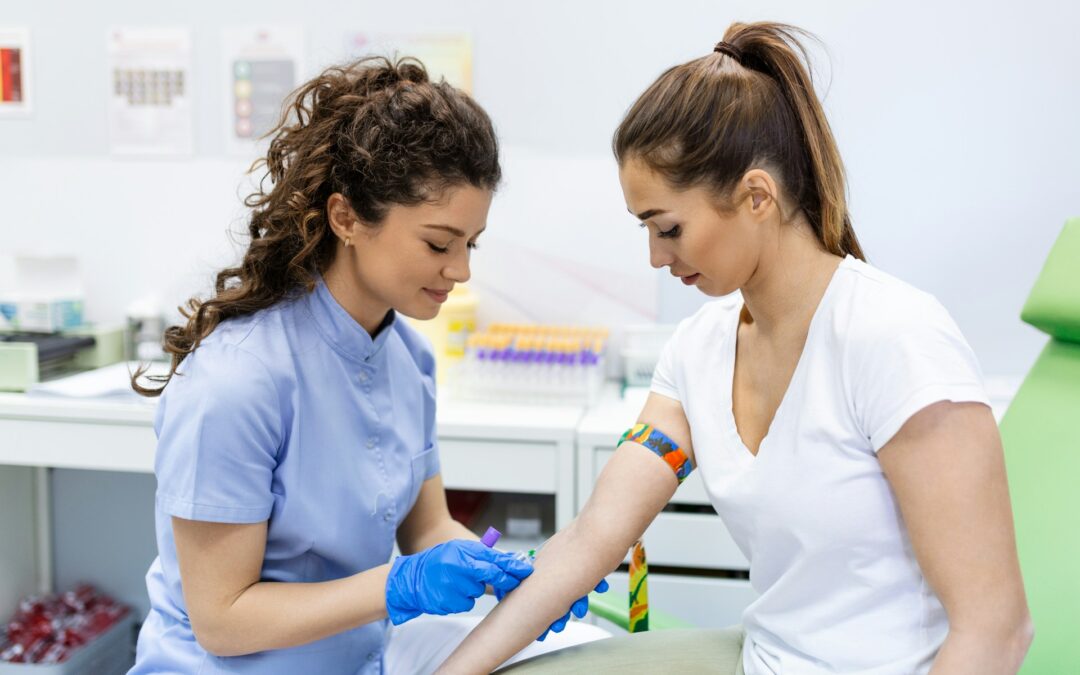
- Practice tourniquet placement until your tension and timing feel right
- Learn how to anchor veins with the non-dominant hand
- Work on needle insertion on training arms before you ever touch a live patient
- Repeat each step until the flow of the procedure feels natural
Small class sizes and hands-on lab time give you space to ask questions and get direct feedback. Instructors can watch your wrist angle, finger placement, and hand speed, then offer tips that match how you move. This kind of one-on-one attention is hard to get on a busy unit.
At DuMonde Management & Consulting in Roswell, we understand the CNA point of view. CNAs come in with a strong patient care base. Our goal is to help build phlebotomy skills on top of that base so you are ready for opportunities across Metro Atlanta healthcare settings. When your fine motor skills, clinical knowledge, and phlebotomy training come together, you step into a larger role in the care team.
Take the Next Step Toward Phlebotomy Confidence
Fine motor skills grow with steady, thoughtful practice. As a CNA, you already have many of the building blocks that phlebotomy needs. By treating your daily tasks as training, adding a few simple at-home exercises, and choosing focused phlebotomy training, you set yourself up for success.
We believe CNAs are already strong patient advocates. With added phlebotomy training, you can support patients in a new way, increase your earning potential, and bring even more value to your workplace. Your hands are already doing important work. With a little extra focus, they can do even more.
Take The Next Step Toward Confident Clinical Skills
At DuMonde Management & Consulting, we help organizations and professionals build stronger, safer patient care through customized phlebotomy training. Whether you are launching a new program or improving existing processes, we work with you to align education, compliance, and quality outcomes. If you are ready to strengthen your team’s skills and capacity, contact us to discuss your goals and next steps.