by Dumonde Training Center | Sep 23, 2026 | Care Facility
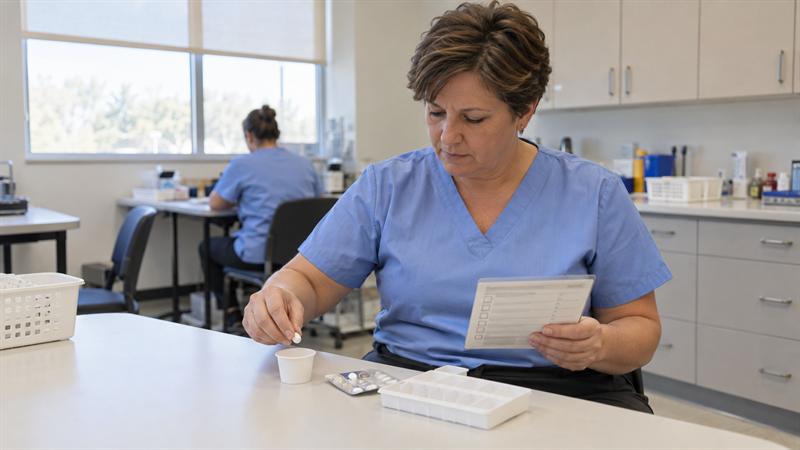
For many students, the hardest part is not finding CMA training. It is figuring out whether they qualify, what the training actually involves, and how different it is from general direct care training. At Dumonde Training Center, that early confusion matters because...
by Dumonde Training Center | Sep 17, 2026 | Care Facility
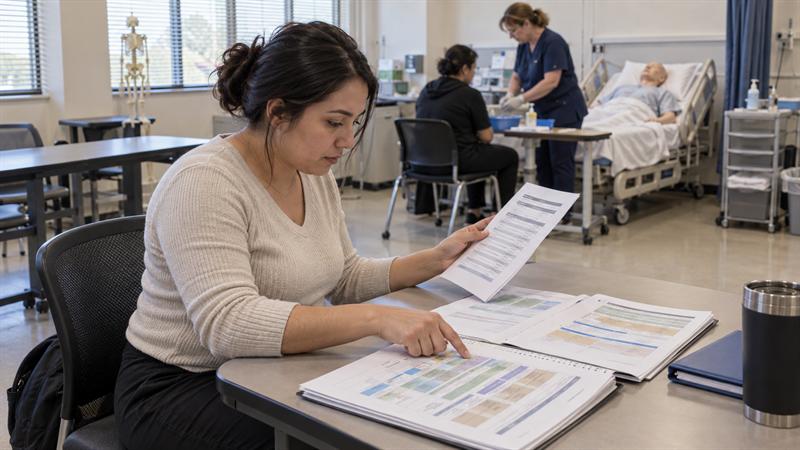
Compare the complete commitment before choosing a school or paying a deposit. One program might advertise attendance days, another calendar weeks, and another tuition that excludes required expenses. Those descriptions are not directly comparable. If you are...
by Dumonde Training Center | Jun 24, 2026 | Care Facility
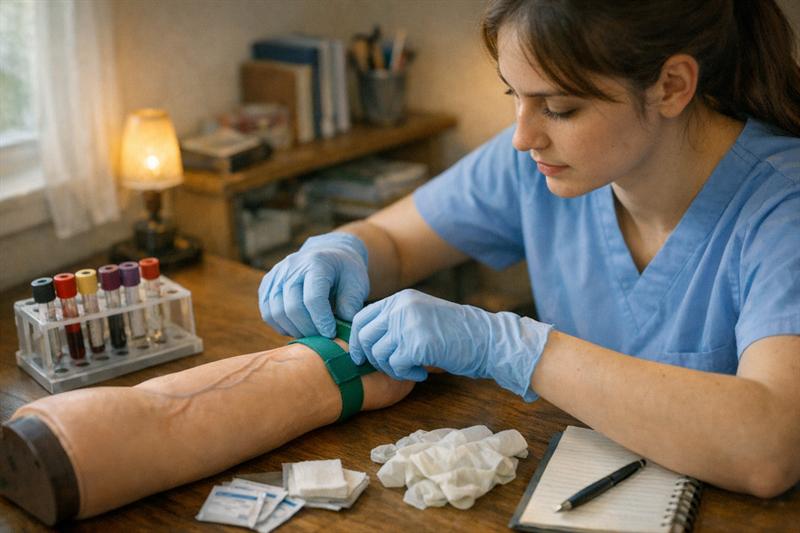
Quick Answer: A phlebotomy practice kit should include simulation tools such as a vein trainer, tourniquet, and basic supplies so you can build technique safely without practicing on real people. The key is using the kit in a structured way, because unstructured...
by Dumonde Training Center | Jun 18, 2026 | Care Facility
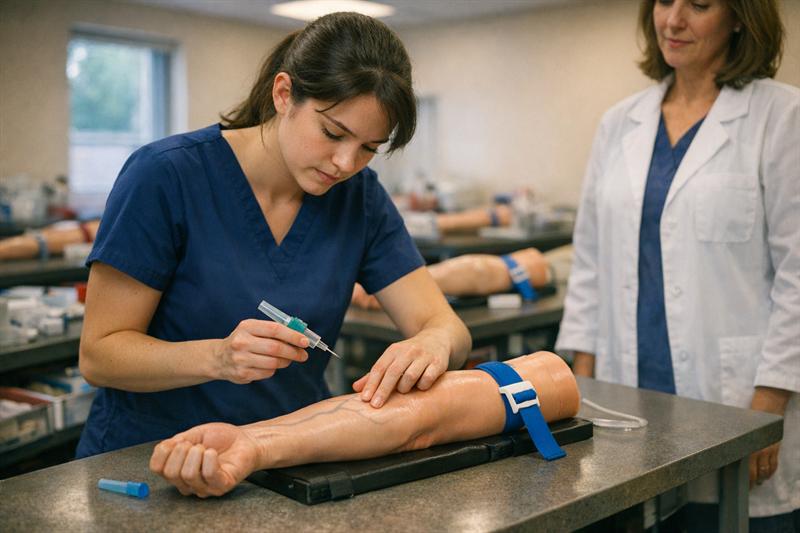
Quick Answer: Yes, you can pass phlebotomy training if you’re afraid of needles, but the fear usually does not fade on its own. It tends to improve through repeated practice, instructor support, and a training program that introduces hands-on skills gradually. Why...
by Dumonde Training Center | Jun 10, 2026 | Care Facility
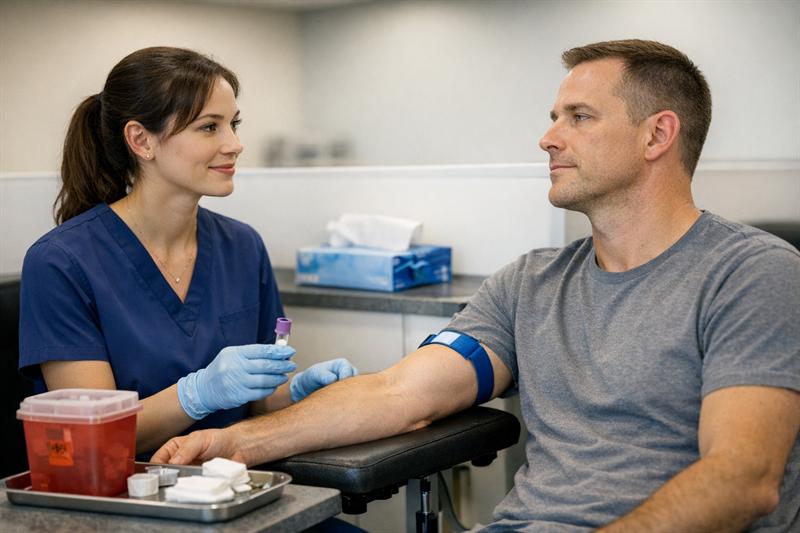
Quick Answer: Phlebotomy soft skills have a direct impact on whether a blood draw feels smooth and controlled or becomes more difficult than it needs to be. Many challenges are influenced not just by technique, but by how the patient is guided before, during, and...
