Spring-Clean Your Career-Path with Phlebotomy Skills
Spring in Georgia is a natural reset button. The days feel a little lighter, commutes feel a little shorter, and many CNAs start to wonder if their current role is really where they want to stay. If you are a CNA who wants more skills, more options, and more confidence, adding phlebotomy training can be a strong next move.
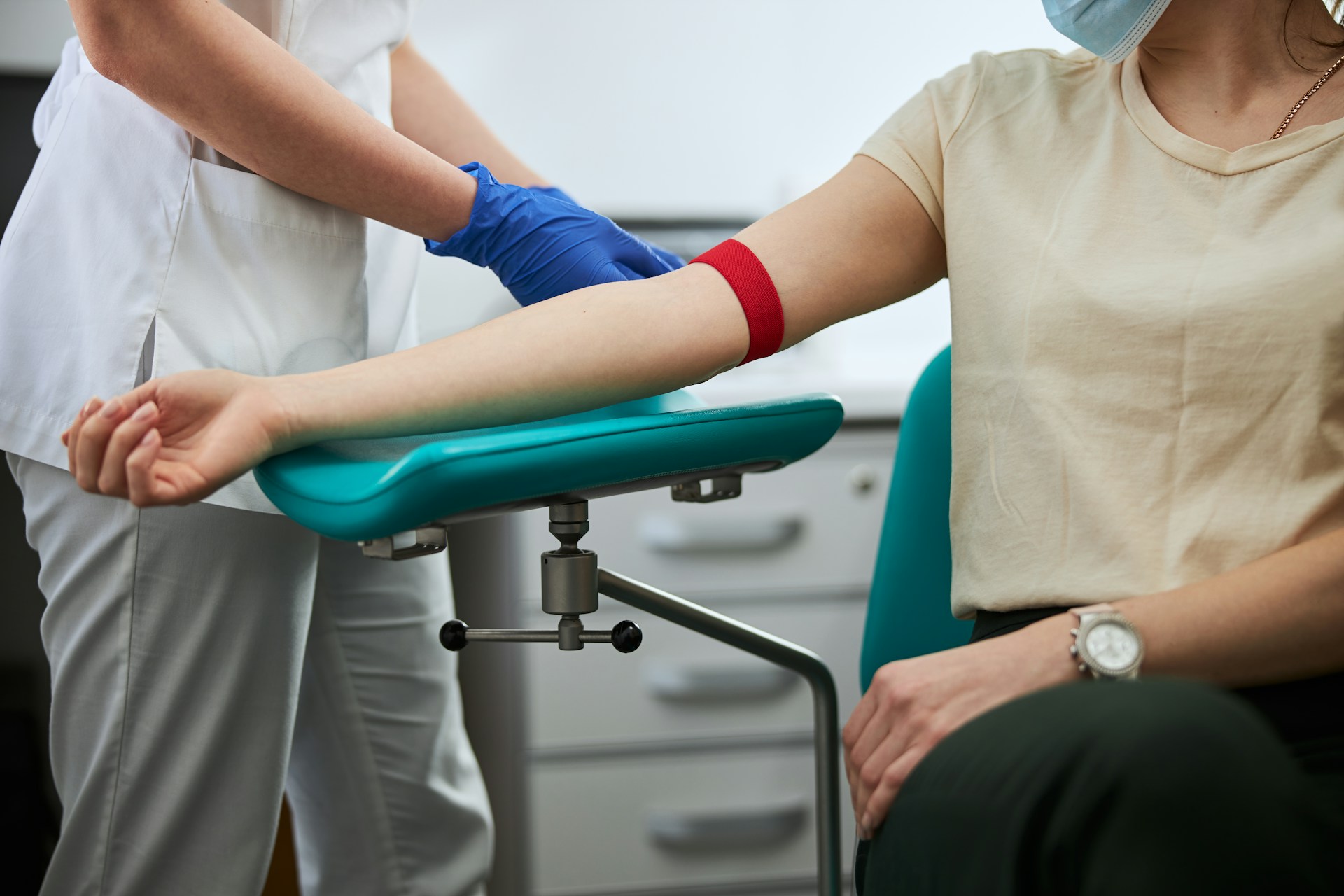
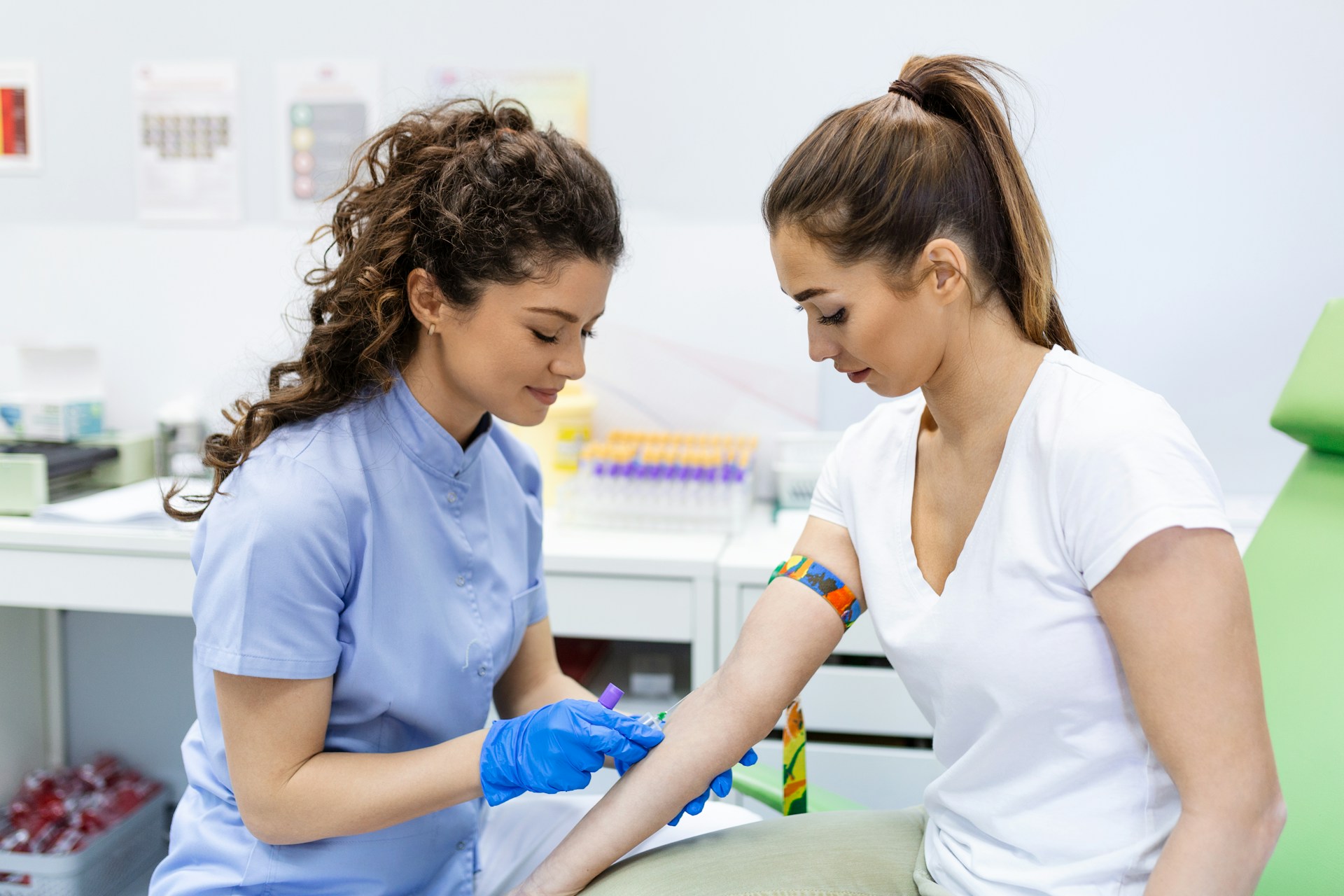
Phlebotomy skills move you from basic bedside support to someone who is part of the core clinical process. Blood draws, specimen handling, and patient prep touch almost every area of healthcare. When you can do both personal care and phlebotomy, you become harder to replace and easier to promote.
In this guide, we share a simple 30-day plan that helps Georgia CNAs use new phlebotomy skills to power a fresh job search, have better talks with employers, and explore internal transfers. We focus on clear steps, sample resume bullets, interview answers, and word-for-word scripts you can adapt. Our goal is to help you turn one new skill into a full spring reset for your career path.
Why Georgia CNAs Should Add Phlebotomy This Spring
When you add phlebotomy training on top of CNA skills, you become more flexible on any care team. You can help with:
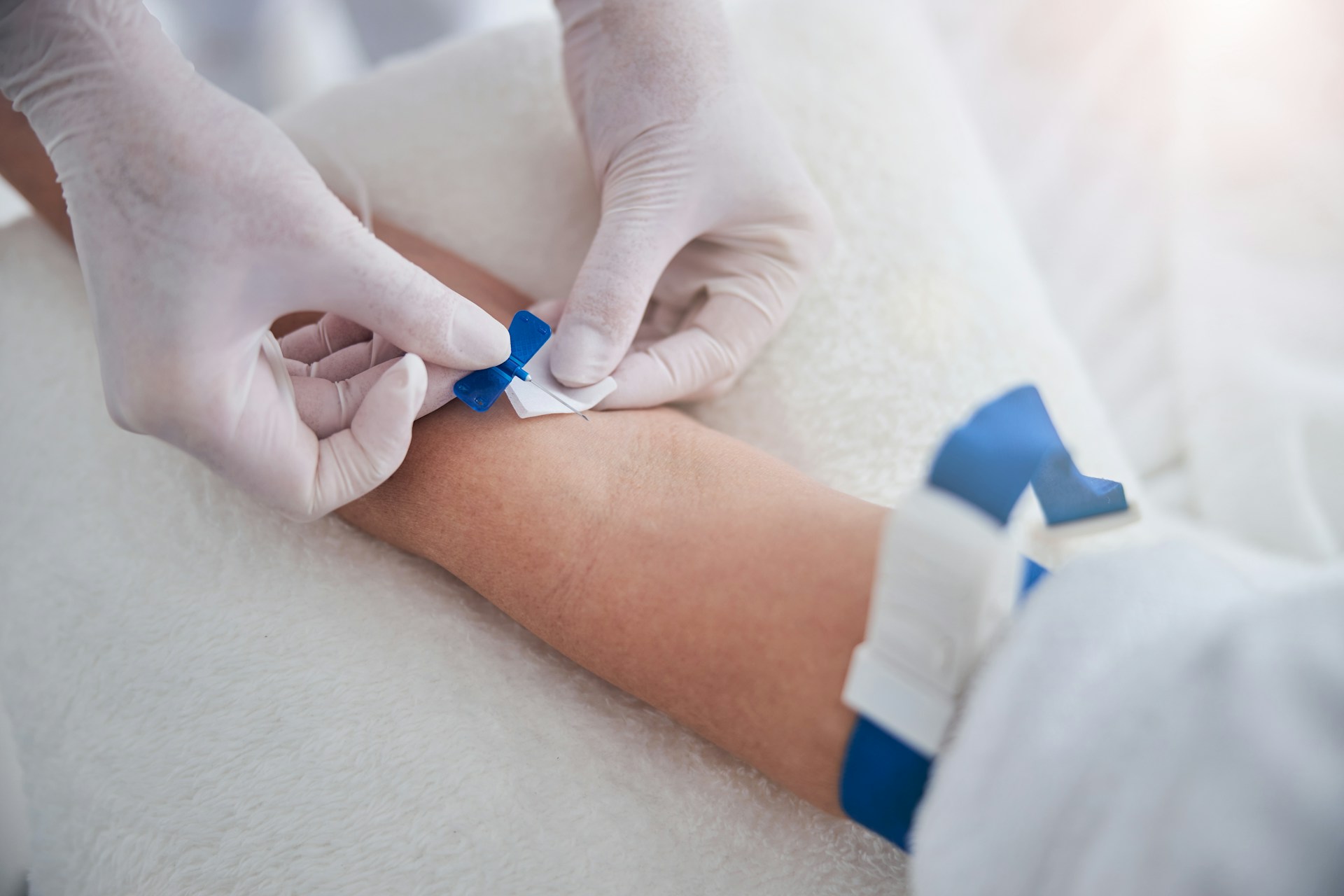
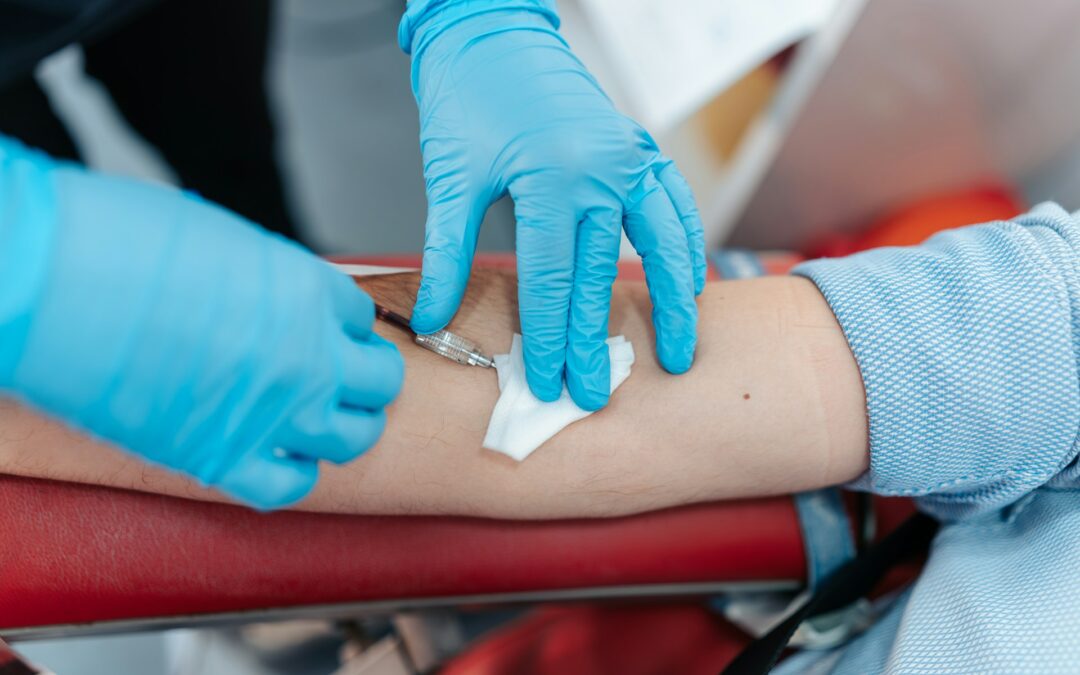
- Venipuncture and finger sticks
- Correct specimen labeling and handling
- Patient identification and consent steps
- Prep and cleanup around blood draw areas
These are not “extra nice to have” tasks. They are at the center of how doctors and nurses get the information they need. In many Georgia hospitals, clinics, and labs, leaders want staff who can float between basic care and clinical tasks like blood draws.
In metro Atlanta, Roswell, and nearby communities, that kind of flexibility often means more settings to choose from. You might look at hospitals, urgent care centers, outpatient labs, dialysis centers, or mobile draw services. Some CNAs prefer the faster pace of the ER, while others like the more steady rhythm of outpatient labs.
Phlebotomy skills can also support lifestyle changes. With more doors open, you can find:
- Schedules that match family needs
- Fewer or different weekend shifts
- Roles with more structure and clearer routines
When you combine CNA or CMA credentials with phlebotomy training, you have a stronger case for higher pay, promotions, or new titles inside your current organization.
Your 30-Day Phlebotomy-Powered Job Search Plan
To keep this simple, think in four weekly sprints. You can follow this plan even if you are working full-time. The key is a little focused action every day.
Days 1 to 7: Build your foundation
If you have not started phlebotomy training, this is the week to enroll. If you are already enrolled or finishing up, gather your completion documents and notes on skills you have practiced. Update your resume and LinkedIn profile so they clearly list phlebotomy skills and your training center. Ask instructors or supervisors for references and make sure they know you are interested in phlebotomy-focused roles.
Days 8 to 14: Target the right Georgia employers
Make a list of local employers that rely on blood draws every single shift. Think about hospitals, labs, home health agencies that do lab work, and blood donation centers. Set up job alerts so new roles land in your inbox, not just on job boards. Apply to at least three to five roles this week where phlebotomy skills are clearly listed in the job description.
Days 15 to 21: Talk to people, not just job boards
This is your networking week. Look for career fairs, hospital hiring events, and information sessions in the Atlanta and Roswell area. Reach out to recruiters and HR staff on LinkedIn with a short note about your CNA background and new phlebotomy training. If your phlebotomy program has employer connections, ask how you can plug into those. Practice phlebotomy-focused interview questions every day so you are not trying to think on the spot later.
Days 22 to 30: Follow up and look inside your current workplace
Now, you shift to follow-up and internal talks. Check on your applications from earlier weeks. Send polite follow-up emails or messages. At the same time, explore internal transfer options with your current employer. Ask if units like the ER, outpatient clinics, or the lab need CNAs who can draw blood. Your recent phlebotomy training becomes an easy talking point in every one of these conversations.
To stay on track, use a simple 30-day tracker with columns for:
- Jobs applied to
- People contacted
- Interviews set
- Follow-ups sent
- Skills practiced each week
Keep your phlebotomy training at the center of each step. When someone asks, “What is new with you?” you have a clear answer.
Resume Bullets and Interview Answers That Sell Your Skills
Phlebotomy skills only help if employers can see them clearly. That starts with strong resume bullets and confident interview answers.
Try resume bullets like:
- Performed venipuncture and capillary blood collection on diverse adult and geriatric patients while keeping strict infection control standards.
- Coordinated specimen labeling, handling, and transport, reducing recollection rates and improving turnaround times in partnership with lab staff.
- Completed formal phlebotomy training at a Roswell, Georgia, training-center, bringing new clinical skills into daily CNA patient care.
For interviews, keep your answers simple and structured.
Question: “Tell me about your experience drawing blood.”
Answer framework:
- Start with your phlebotomy training and where you completed it.
- Mention the types of draws you have done and the level of supervision.
- Talk about safety steps you follow, like hand hygiene, PPE, and needle disposal.
- End with how you talk with patients before, during, and after the draw.
Question: “How do you keep patients calm during blood draws?”
Answer framework:
- Explain how you introduce yourself and the procedure in plain language.
- Share how you position the patient and watch for dizziness or anxiety.
- Mention small comfort steps, like checking in during the draw and giving clear aftercare instructions.
- Close by tying it to patient satisfaction and trust.
Always connect your answers back to employer priorities like shorter wait times, fewer re-sticks, better patient satisfaction scores, and more flexible staffing on busy units.
Scripts for Internal Transfers and Pay Bump Conversations
Sometimes the best move is inside your current workplace. Here are simple scripts you can adapt.
Internal transfer request
“Thank you for meeting with me. I have completed phlebotomy training and I am now confident with blood draws, specimen labeling, and patient prep. I would like to support units or departments that need more staff who can draw blood, such as the ER, outpatient clinics, or the lab. I believe this could reduce delays waiting for lab staff and help with coverage on weekends or busy shifts.”
Pay bump conversation
Before your meeting, list where you now perform both CNA and phlebotomy tasks. Bring that list with you.
“In the last few months, I have added phlebotomy to my role. I am now handling both CNA duties and blood draws, plus specimen handling when needed. That means I am taking on more clinical responsibility on the unit. I would like to talk about adjusting my compensation to match these expanded duties or explore a title or role that reflects this CNA plus phlebotomist work.”
Cross-training request
“As we move into spring and our patient volumes shift, I would like to formally cross-train as a CNA phlebotomist. This would help with coverage for blood draws and could reduce the need for agency staff. I am happy to be flexible with my schedule to support where the need is highest.”
Turn Spring Momentum Into a Phlebotomy Career Move
Spring does not have to be just another season on the unit schedule. For Georgia CNAs, it can be a natural time to mix fresh phlebotomy training with a clear 30-day plan and open new doors. With each small step, you build a profile that fits more roles, supports higher pay talks, and gives you more choice in where and how you work.
At DuMonde Management & Consulting in Roswell, we focus on training that fits real workplaces, including CNA, CMA, and phlebotomy courses. When you combine structured phlebotomy training with the job search and conversation scripts in this guide, you give yourself a strong chance to reset your career path with steady, practical moves, one week at a time.
Take The Next Step Toward A Career In Healthcare
If you are ready to build in-demand skills and open doors in the medical field, our phlebotomy training can help you move forward with confidence. At DuMonde Management & Consulting, we focus on practical, hands-on instruction that prepares you for real work environments. Whether you are just starting out or adding to your existing credentials, we will guide you through each step of the process. If you have questions about enrollment, scheduling, or program details, contact us today.