Phlebotomists play an important role in healthcare by collecting blood samples that help diagnose and monitor health conditions. If you have ever wondered how to become a phlebotomist in Georgia, especially in the Atlanta area, you are not alone. It is a practical career path with a clear route to employment and steady demand, which makes it a smart choice whether you are starting out or changing careers.
To begin, you need the right education, hands-on practice, and a clear understanding of certification steps. This guide breaks down every part of the process so you can move forward confidently. Whether you recently graduated or are considering a new field, selecting the right training provider is a key first step.
What Phlebotomists Do in Georgia
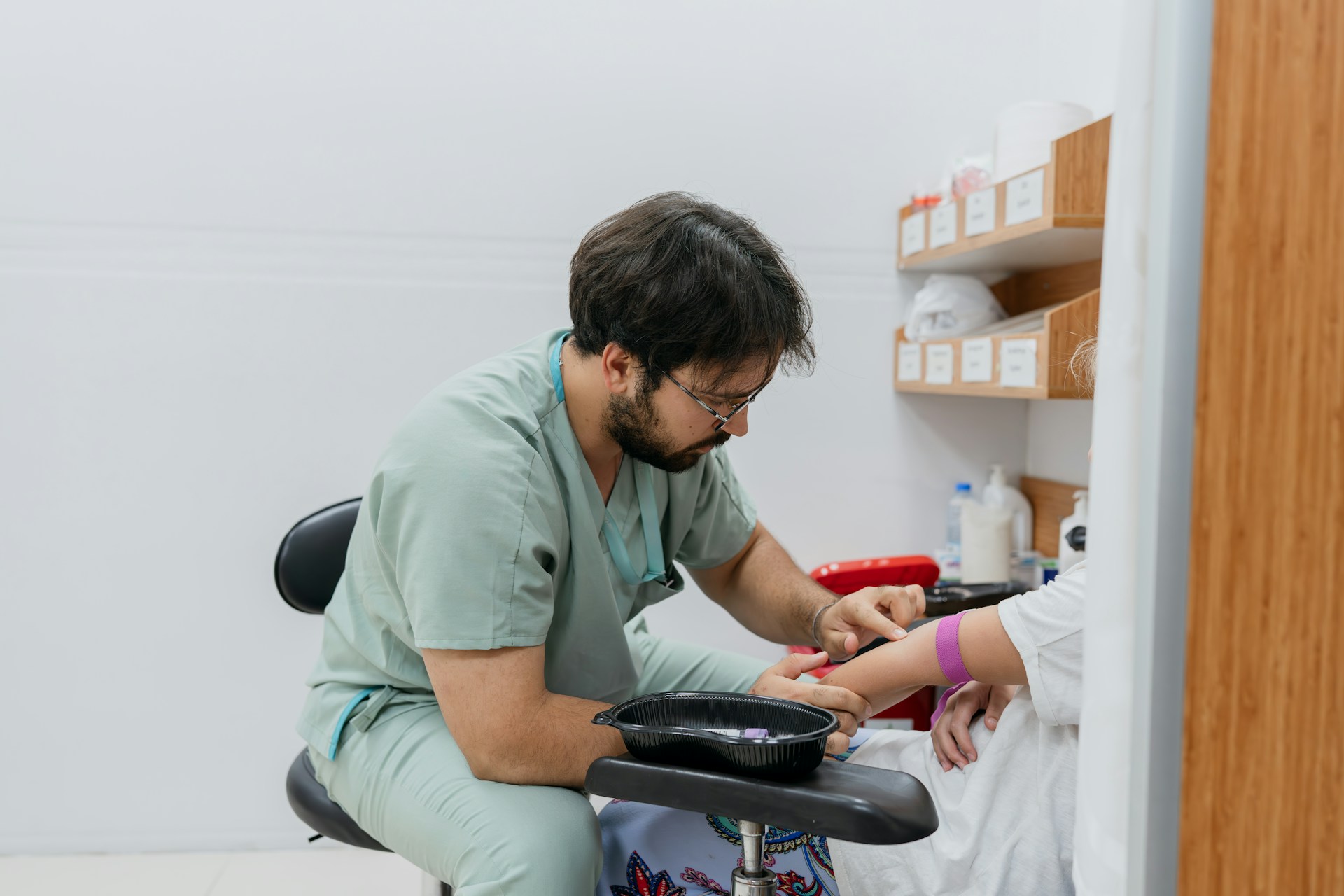
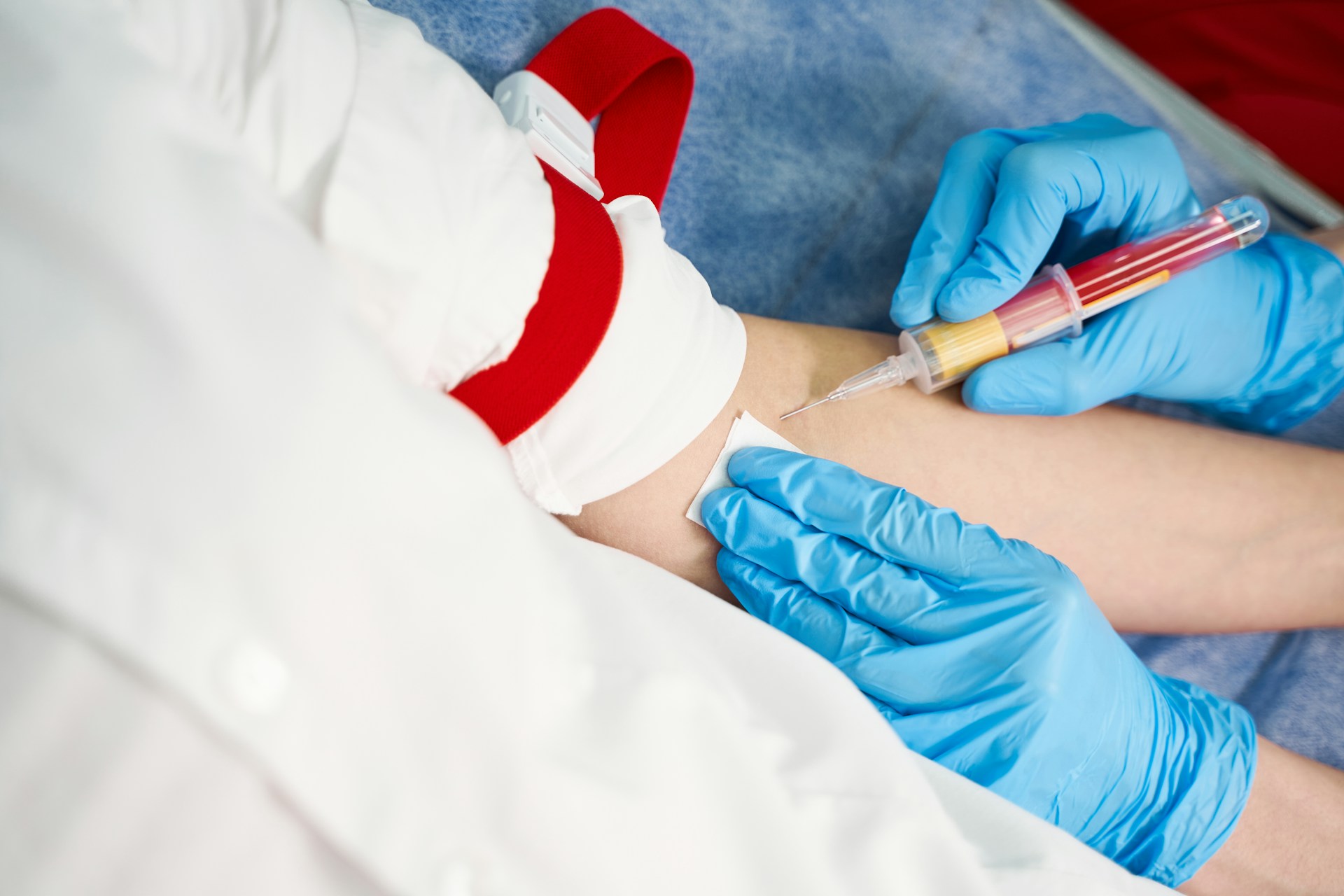
Phlebotomists are responsible for drawing blood from patients, labeling and packaging samples correctly, and ensuring everything reaches its destination. While the duties might sound simple, helping reassure and communicate with nervous or unsure patients is just as essential as technical skills.
You can find phlebotomists working throughout the Atlanta area in settings such as:
• Hospitals
• Labs
• Clinics
• Urgent care centers
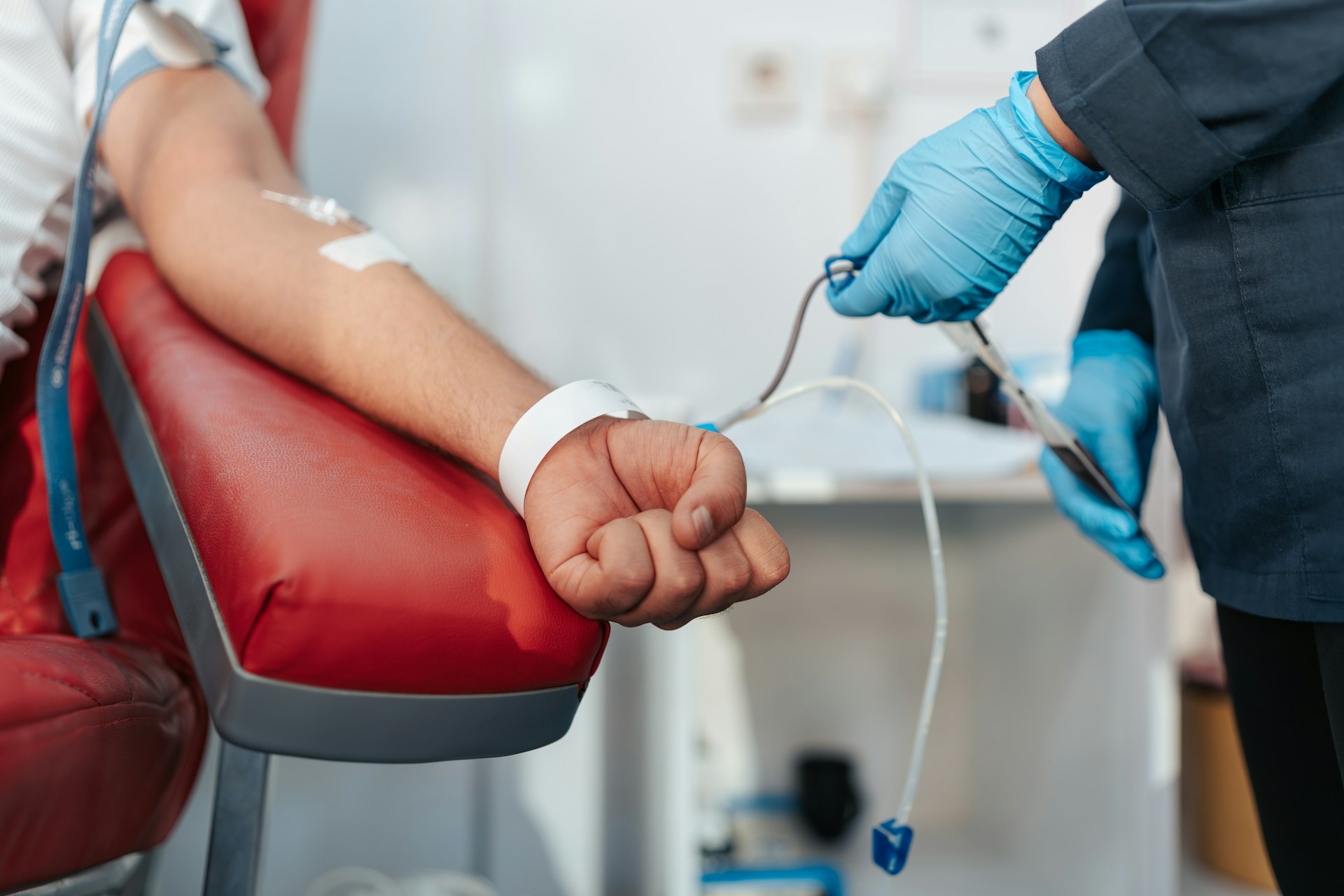
• Blood donation drives
The technical training is important, but your ability to stay calm, communicate clearly, and show patience is just as valued in this field.
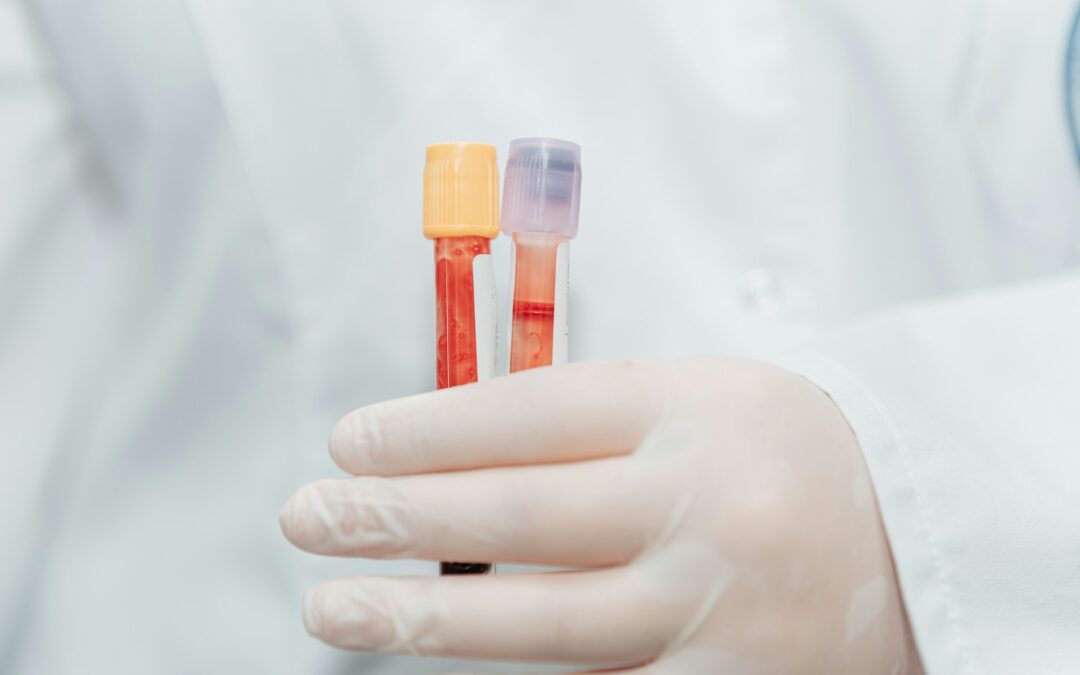
Phlebotomists also play a crucial part in ensuring that blood samples are handled with precision. Proper technique helps prevent contamination or sample mix-ups. In addition to collecting blood specimens, phlebotomists are expected to maintain accurate records and follow strict health and safety protocols at all times. Being reliable and detail-oriented is key, since even a small error can impact patient care. Because of the close contact they have with patients, phlebotomists are often the first or only healthcare staff that someone interacts with, placing even more importance on professionalism and respectful communication.
Training Programs and What to Expect
To prepare for certification, you will need to complete a phlebotomy training program. DuMonde Management & Consulting is an authorized provider of comprehensive phlebotomy certification training, offering both classroom and clinical instruction in Roswell, GA, and the surrounding metro Atlanta area.
Most phlebotomy programs combine theoretical study with real-life skills practice:
• Classroom sessions focus on topics such as safety procedures, anatomy, infection control, and patient interaction
• Clinical hours give you supervised hands-on experience drawing blood in real settings
You can find programs that offer flexible day or evening schedules, which is helpful if you are balancing work or family needs. Location, program length, and scheduling are all important to consider when selecting your training provider.
Training providers often support students with job search resources and mentoring, so you’ll not only gain hands-on skills but also learn tips for workplace readiness. Experienced instructors can share insights from the field, helping you avoid common mistakes and prepare for real healthcare settings with confidence. During your training, you’ll likely receive direct feedback on your technique, safety habits, and patient interaction, which helps you build both competency and self-assurance before you enter the workforce.
Timeline From Enrollment to Certification
With the right program, you can progress from your first day of class to your first job in just a few months. Here is what the typical timeline looks like:
1. Enroll in a phlebotomy training program (allowing a week or two for paperwork and orientation)
2. Attend coursework and clinicals, usually lasting several weeks to a few months
3. Complete all required clinical hours under supervision
4. Take a nationally recognized certification exam, such as those from the NHA or ASCP
5. Submit your application, exam results, and documentation of training to receive certification
If you start early in the year and keep up with assignments, many students are ready to start working by summer or early fall.
The process from start to finish is designed to be completed quickly, making phlebotomy an appealing field for people who want to train and begin working without years of schooling. By staying organized and committed, you can move efficiently through each stage, from coursework to clinical practice to the final certification process.
Certification Requirements in Georgia
In Georgia, state law does not require phlebotomists to be certified, but most employers in Roswell, GA, expect or strongly prefer proof of certification. After finishing your training, you will take a national exam (your program should help direct you to the best option).
Make sure these materials are ready before applying:
• A government-issued photo ID
• Proof of completed training from an approved provider, such as DuMonde Management & Consulting
• Clinical hours documentation
• Exam results from a national certifying body
After obtaining your certificate, be aware that most credentials need to be renewed every few years. This typically involves continuing education to ensure your knowledge and skills remain up-to-date.
Certification is more than just a formality; it signals to employers that you are serious about your career and that you meet national standards for quality and safety. Employers may look for specific credentials on your resume during the hiring process, which means that having certification can give you a meaningful advantage over other applicants. Some employers may even help you renew your certification or cover the costs of continued education as you gain more experience in your career.
Career Path After Certification
Certified phlebotomists can start applying for jobs at organizations including hospitals, medical laboratories, clinics, and donor centers. The demand for Allied Health professionals in the Atlanta area, including Roswell, is expected to remain strong as local healthcare networks expand to meet community needs.
As you begin, some key ways to succeed in your new role include:
• Being upfront about your schedule and flexibility for different shifts
• Practicing your technique while remaining open to feedback
• Staying positive and communicating clearly, even in stressful moments
Your first year may bring challenging patients or unexpected situations, but experience will help you quickly gain confidence. Most new phlebotomists report feeling much more at ease after their first few dozen successful blood draws.
Career advancement is possible in this field, especially if you continue your education. Many phlebotomists go on to become lab technicians, supervisors, or pursue other roles in Allied Health. Continuing to learn and building your professional reputation can open doors to greater responsibility over time.
Launch Your Phlebotomy Career in Roswell, GA
Becoming a phlebotomist in Georgia is a practical and efficient path to an in-demand healthcare career. DuMonde Management & Consulting offers nationally recognized certification programs in Roswell, GA, that blend expert classroom teaching with hands-on clinical training, helping you master both technical and interpersonal skills needed in the field.
By choosing a focused program with flexible scheduling options, you can complete your training and begin your career sooner than you might expect. Atlanta and its surrounding communities continue to need well-trained Allied Health professionals, and phlebotomy is a great place to start.
Starting phlebotomy training in Roswell, GA, can make a big difference in how ready you feel for your first job. We have seen firsthand how strong instruction and practice time help build lasting skills, especially if you are working or managing other parts of life. Our training center offers a focused, practical route to certification. At DuMonde Management & Consulting, we care about helping future healthcare workers feel prepared and steady from the start. Give us a call to learn how to get started.