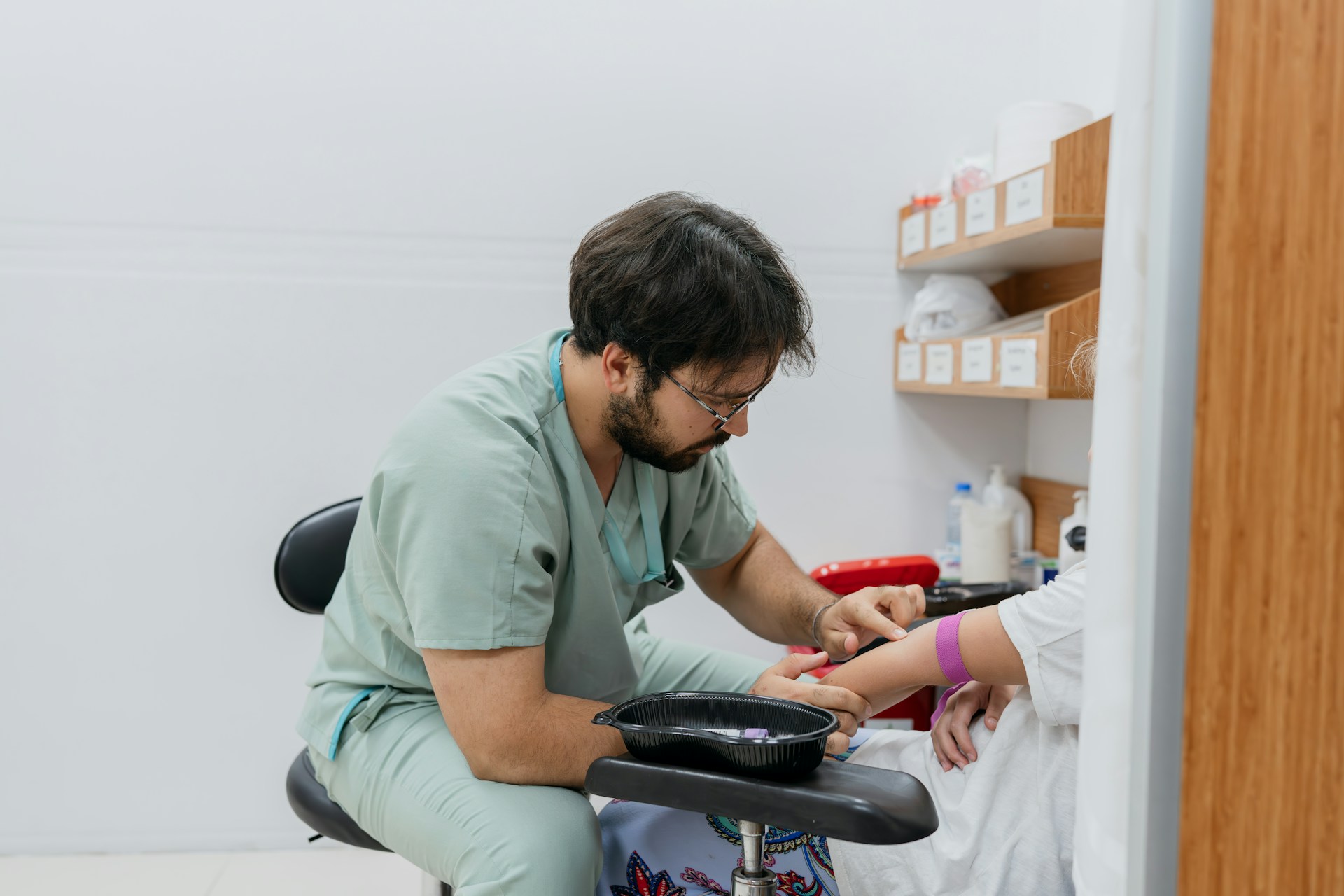
As a working parent, you may want a better job in healthcare without giving up your paycheck or time with your family. Phlebotomy training can be a practical way to move forward, but only if the program fits your real life. The right support from a phlebotomy training specialist can make the difference between feeling overwhelmed and actually finishing your certification.
This guide walks through how to choose training that respects your work hours, your kids, and your long-term goals. We will talk about what to look for in a program, how to plan for classes and clinicals, and why spring can be a smart season to get started, especially for parents in and around Roswell, Georgia.
Finding Phlebotomy Training That Fits Real Life
Working parents carry a lot each day. You might be working full-time or picking up shifts, getting kids to school and activities, handling homework, meals, and everything in between. Traditional training programs that expect you to be on campus all day, several times a week, can feel impossible alongside that kind of schedule.
Choosing the right phlebotomy training specialist can make certification realistic, not stressful. You want someone who understands that you may come to class after a long shift, or that you might need to leave right on time to make school pickup time. A good program will build structure and support around those realities instead of ignoring them.
At DuMonde Management & Consulting in Roswell, Georgia, we focus on adult learners who are already working in care or looking to enter the field. Many of our students are parents, and that shapes how we think about scheduling, communication, and support. Early spring is often a helpful time to start phlebotomy training, because you can work through your classes before summer break changes childcare and school routines.
Why Phlebotomy Is a Smart Move for Busy Parents
Phlebotomy can be a strong career step for parents who want to grow in healthcare without years of school. Training is usually shorter than many other medical programs, so you can gain a new skill set in a focused period of time and then move into the job market.
Many parents like that phlebotomy skills are needed in many settings, such as hospitals, clinics, doctors’ offices, labs, and blood donation centers. In many of these workplaces, schedules can be more predictable than some other roles. That can mean more stable shifts, which is helpful when you are planning around school calendars, daycare, and family routines across Georgia and the metro Atlanta area.
If you already work as a CNA or CMA, adding phlebotomy training can open extra doors. You might qualify for more varied roles or be more flexible in the work you can accept. Some parents use phlebotomy as a first step into healthcare, then later explore pathways like medical assisting, nursing, or other allied health roles. This lets you grow your career over time instead of committing to a long degree right away.
What to Look for in a Phlebotomy Training Specialist
A phlebotomy training specialist teaches you how to draw blood safely and confidently. That includes proper technique, infection control, how to handle and label specimens, and how to work with patients who may be nervous or uncomfortable. They also help you prepare for certification tests and for what the real work feels like day to day.
When you compare programs, look for features that support real learning, not just checking off a certificate:
- Small class sizes so you can ask questions
- Hands-on practice with real equipment and supplies
- Current curriculum that follows Georgia and national standards
- Instructors with real-world healthcare experience
For working parents, scheduling matters just as much as content. Ask clear questions about:
- Class days and times
- Required lab hours and how they are scheduled
- Attendance policies and what happens if you miss a day
A strong phlebotomy training specialist will be used to working with adult learners and caregivers. They will respect that you might be coming from a shift or heading straight to a childcare pickup. You want someone who listens when you explain your work and family needs and who can walk you through what a realistic week will look like.
Flexible Schedules and Support Working Parents Need
When you are raising kids and working, every hour counts. Program flexibility is not a bonus; it is a must. Some schools offer evening or weekend classes, which can help if you work standard daytime hours. Others might have different pacing options, such as an accelerated schedule or a more spread-out plan that you can handle alongside your job.
Look for support details that matter in daily life:
- Clear payment plans and due dates
- Transparent lists of tuition, fees, and needed supplies
- Guidance on uniforms or materials so there are no last-minute surprises
- Help thinking through school holidays, early release days, and breaks
At DuMonde, our approach to healthcare education is built around real life, not just full-time students with no outside duties. Many of our learners are adults who already support families. Respecting work hours, commute time, and family responsibilities shapes how we plan classes and how we communicate about expectations.
When you speak with a school, a few simple questions can tell you a lot:
- How late do classes run in the evening?
- Can I make up a missed lab, and how does that work?
- What happens if my child is sick and I cannot attend one day?
The way staff answers these questions will show you how they think about working parents.
Balancing Work, Parenting, and Phlebotomy Clinicals
Phlebotomy programs usually include clinical or lab requirements. You will need a certain number of blood draws and supervised practice. This can happen in a school lab, at partner sites, or a mix of both. You will get real experience working with patients and handling samples, which builds confidence.
For parents, planning ahead makes clinicals less stressful. You might:
- Coordinate with a co-parent, friend, or relative for backup childcare
- Use paid time off from your job on key clinical days
- Plan your transportation route to Roswell or nearby facilities before your first shift
It helps to talk with your instructors early about your schedule. Share your regular work hours, your childcare setup, and any limits you already know, like days you cannot miss at work. A supportive phlebotomy training specialist can work with you to pick clinical times that fit as much as possible and help you stay on track if something unexpected happens.
Communication is key. When the program team knows your situation, they can give clearer guidance on what is realistic. That can lower stress and keep you focused on learning the skills you came for.
How to Enroll in Phlebotomy Training This Spring
Once you decide that phlebotomy fits your goals, your next step is to talk directly with a phlebotomy training specialist. Share your work hours, how many children you care for, your typical weekly routine, and your goals in healthcare. Ask them to walk you through the full time commitment from start to finish so you can see how it matches your life.
A simple plan can help you move forward:
- Check upcoming class dates and enrollment deadlines
- Confirm class times, lab times, and any outside study expectations
- Review payment options and what is included in tuition
- Reserve your place before seats fill for spring and early summer sessions
For working parents near Roswell, Georgia, phlebotomy classes at DuMonde Management & Consulting are designed with adult learners in mind. Starting in the spring can set you up to build new skills before summer schedules change and to step into a new role in healthcare before the end of the year. With the right training partner and a clear plan, growing your career as a phlebotomist is a realistic, reachable goal, even with a full family life.
Take The Next Step Toward Your Clinical Career
If you are ready to build real-world skills with guidance from a phlebotomy training specialist, our team at DuMonde Management & Consulting is here to support you. We focus on practical, hands-on training that prepares you for the demands of today’s healthcare settings. Whether you are just starting out or expanding your credentials, we will help you choose the right path and timeline. If you have questions about enrollment, scheduling, or program options, contact us to get personalized support.