Turn Spring Energy Into New Phlebotomy Skills
Growing your career while working rotating CNA shifts in Georgia is not easy. Long nights, surprise overtime, and family needs can make any extra training feel out of reach. Still, many CNAs feel pulled toward phlebotomy because they see blood draws and lab work every day on the job.
Short, focused micro-drills can help. With just 10 minutes a day, you can start building real phlebotomy habits without a full study day, fancy equipment, or a perfect schedule. This kind of practice does not replace formal phlebotomy training, but it makes the classroom and lab feel a lot more familiar when you are ready to enroll.
At DuMonde Management & Consulting, we run a healthcare training center in Georgia that offers hands-on phlebotomy training for busy healthcare workers. This guide gives you a simple plan built for shift workers: AM and PM drill options, car and locker practice kits, fatigue-proof ideas, and easy progress tracking you can keep up through spring and beyond.
Spring Reset for CNAs with Shift-Proof Practice
Spring often feels like a reset. The days are brighter, the weather is softer in Georgia, and many people feel ready to start something new. Instead of trying to overhaul your whole life, you can treat the next 6 to 8 weeks as a mini season for phlebotomy skill-building.
Start by looking at your real schedule, not your dream schedule. Ask yourself:
- Do you work days, nights, or flip between both?
- Are your shifts mostly 8s, 10s, or 12s?
- How many shifts a week do you usually work?
- How long is your commute, and do you sit in the parking lot before clocking in?
- When do you have natural “dead time,” like pre-shift, post-shift, or mid-week off?
Once you see your pattern, plug in a 10-minute drill. If you work days, you might do a quick practice in your car before you walk in, then a short review before bed. If you work nights, you might switch that around and use the quiet time after a shower when you are winding down.
Set realistic expectations. You are not trying to turn yourself into a fully trained phlebotomist at home. You are building familiarity with steps, tools, and language so that when you walk into a DuMonde phlebotomy class, you feel ready, not nervous.
AM and PM Micro-Drills for Real-World Phlebotomy Moves
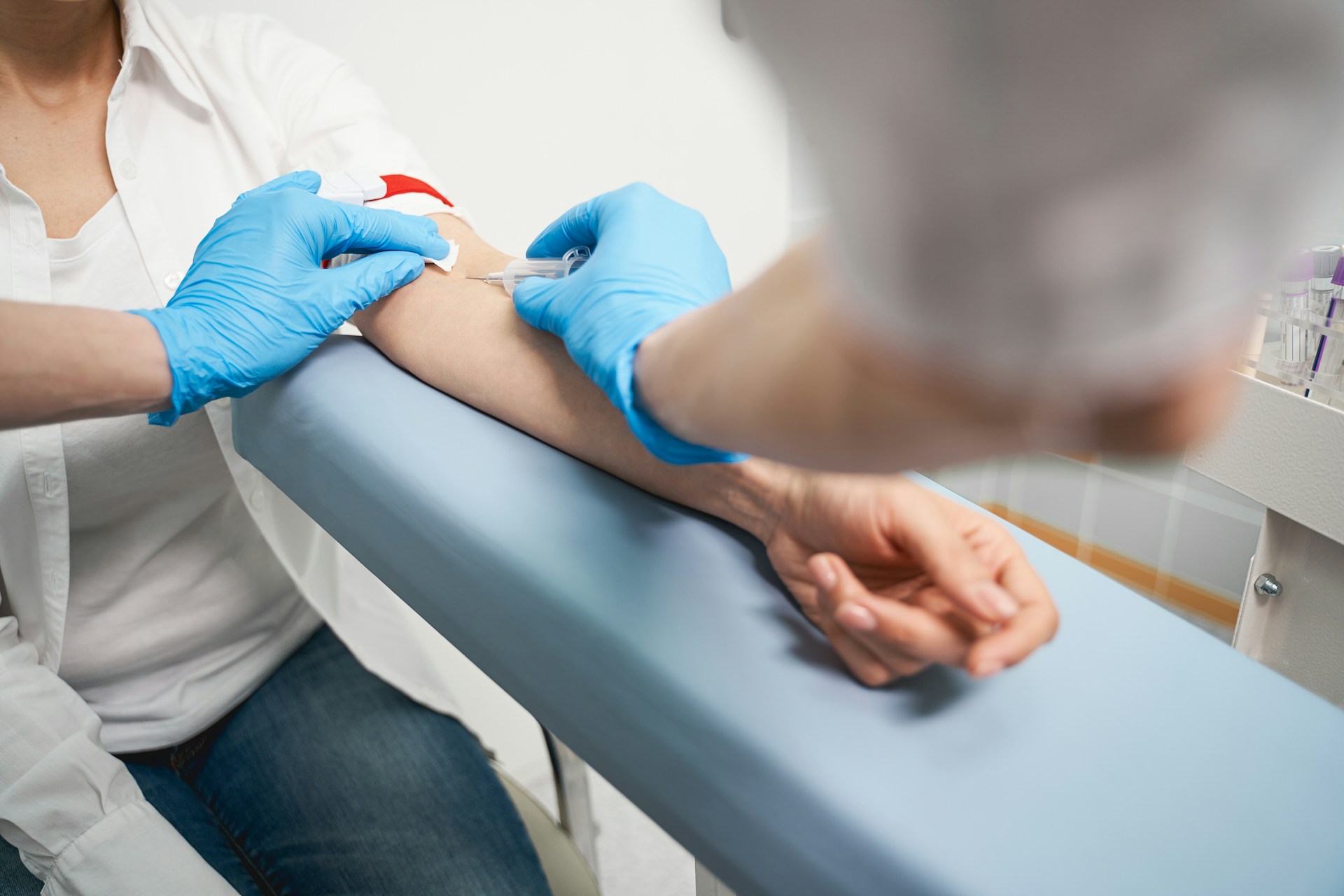
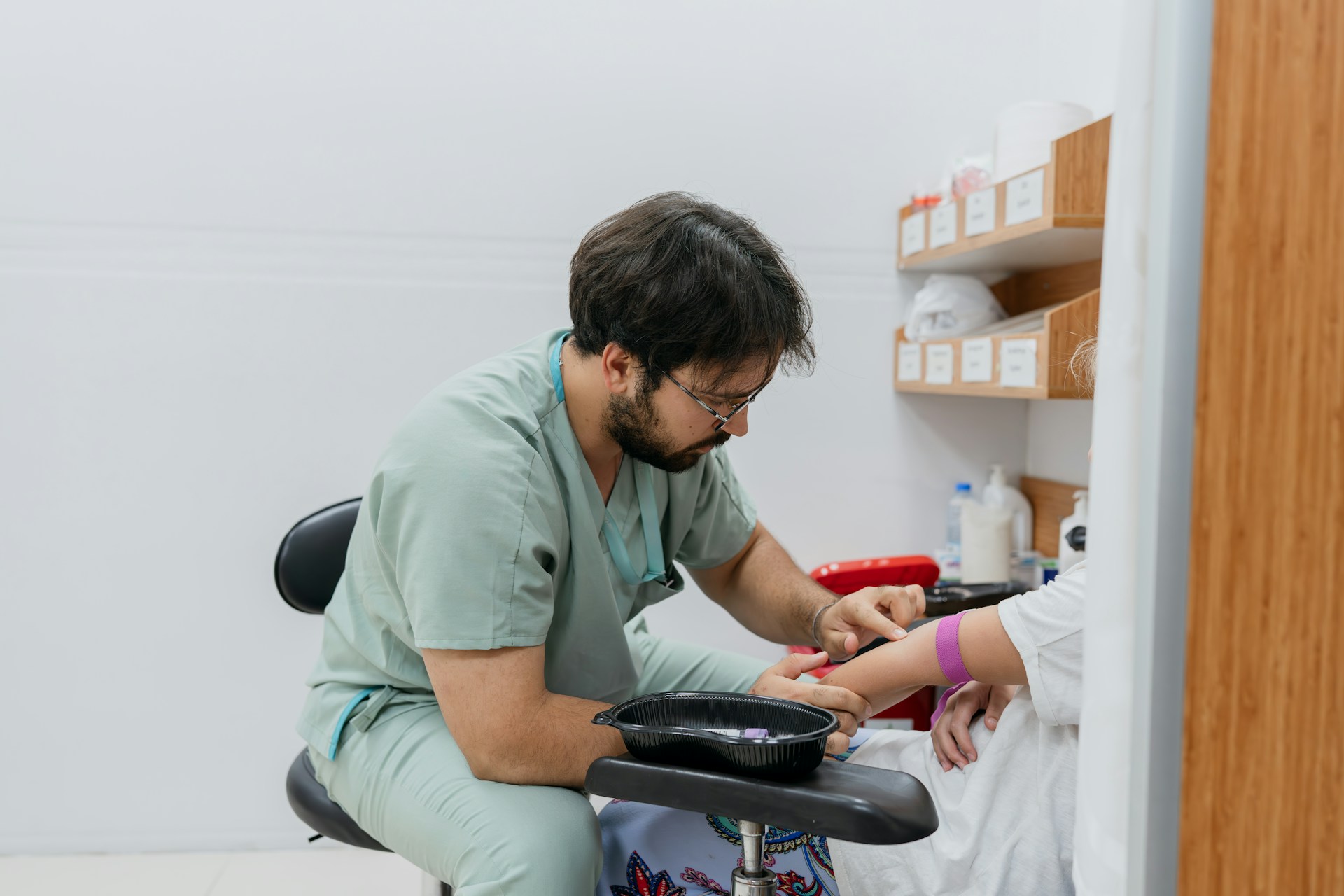
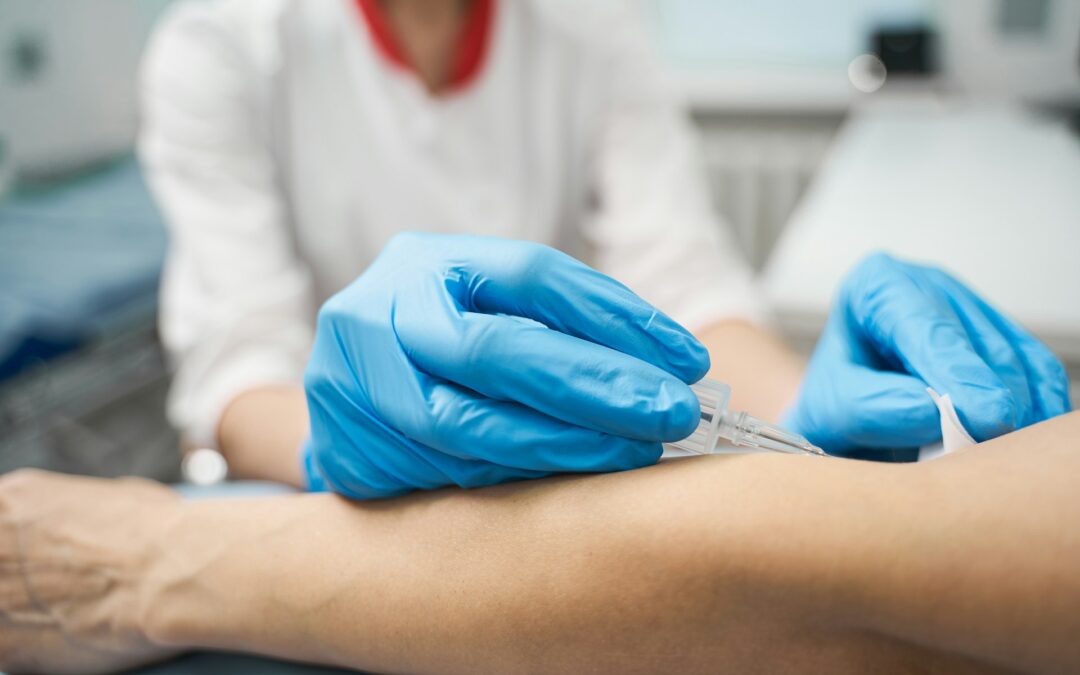
Phlebotomy is a hands-on skill. Even simple, low-tech drills can help your hands and brain start working together the way they need to in a real lab or patient room.
Here are sample AM micro-drills you can do before or right after a shift:
- Vein palpation: Gently feel along your own forearm with clean hands. Find where veins feel bouncy versus flat. If you have a willing practice buddy at home, you can ask to feel theirs too.
- Tourniquet timing: Wrap a practice tourniquet around your forearm, then start a timer. Practice placing it quickly, keeping it snug but not painful, and releasing it smoothly.
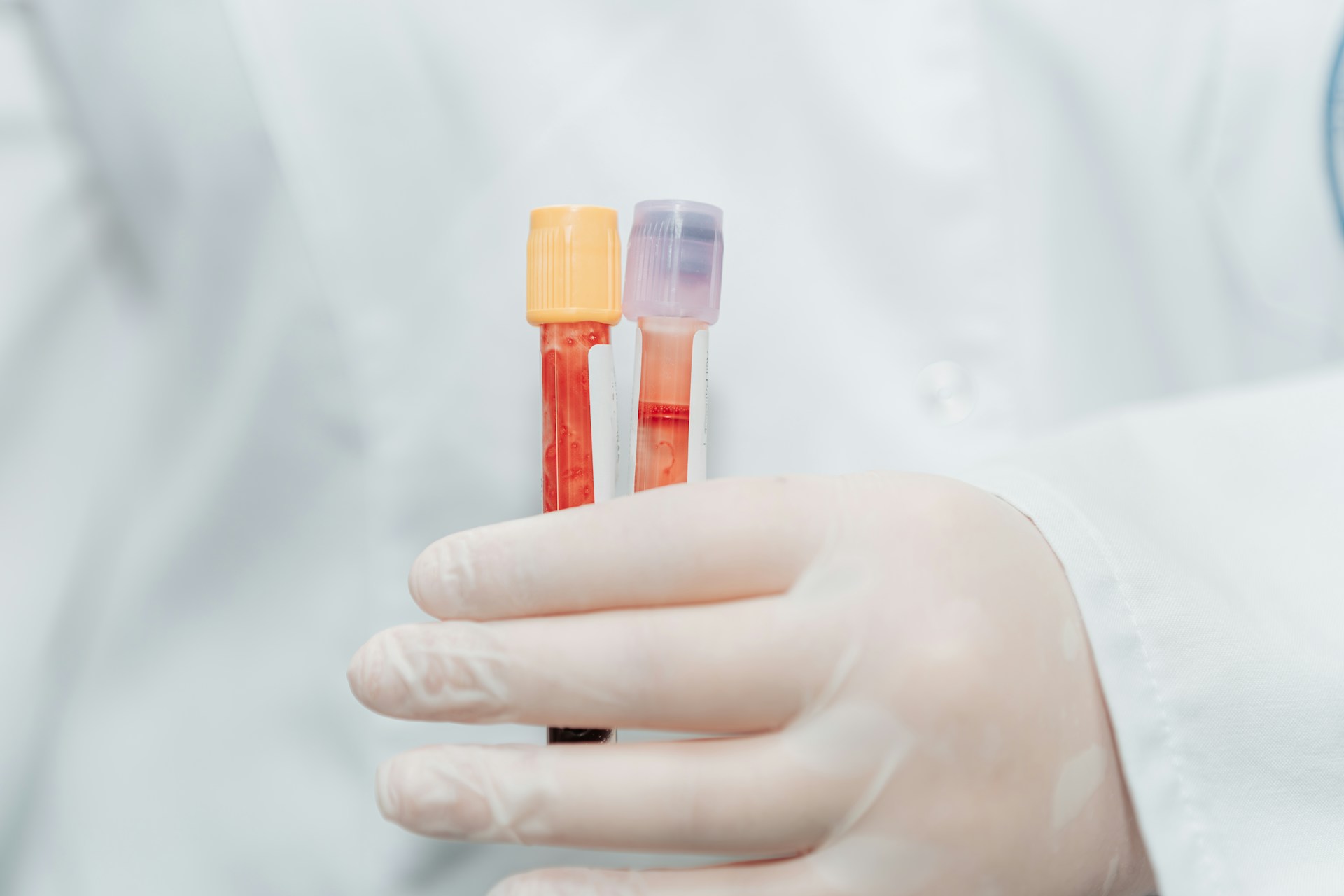
- Order of draw recall: Say the tube order out loud from memory. If you forget, peek at your notes, then try again until you can list it without looking.
For PM drills, focus on supporting a tired brain that still wants to grow:
- Short technique video review: Watch a quick clip that shows proper venipuncture steps. Pause and talk yourself through each move.
- Label and ID “spot the problem”: Draw a few fake labels on scrap paper and pretend to match them to “patients.” Notice when something is wrong, such as a missing date, unreadable writing, or mismatched name.
- Infection control checklist: Quietly review the steps in order: hand hygiene, gloves, site prep, clean equipment, safe sharps handling, and cleanup.
Connect your drills to what you saw that day on the floor. Maybe you noticed a patient whose veins were fragile, or a time when communication during a blood draw could have been clearer. Think about how better palpation, labeling, or infection control could help. When you later step into structured phlebotomy training, these moments will give you real context for what you learn.
Car and Locker Phlebotomy Kits for On-the-Go Practice
A tiny practice kit makes your micro-drills simple and repeatable. You do not need real needles or anything sharp to start building strong habits.
A basic car or locker micro-drill kit might include:
- A practice tourniquet or clean piece of stretchy material
- Short sections of tubing or straws to stand in for collection tubes
- Alcohol pads, gauze, and bandage tape
- A pen and blank labels or small stickers
- A pocket notebook or stack of index cards for quick notes and flash drills
During a break or while parked before your shift, you can practice:
- Clean setup: Lay out your items in the order you would use them.
- Tube handling: “Collect” pretend samples and place them in an order that matches your notes.
- Labeling sequence: Write fake patient labels, then “match” them to your pretend tubes while saying the correct checks out loud.
- Cleanup routine: Put everything away in a neat, repeatable order.
In Georgia, spring brings brighter mornings and more comfortable temperatures, which can make car practice feel less stressful. On rainy or humid days, a slim kit in your locker or bag, lets you stay inside and still get in your 10 minutes. By the time you walk into a hands-on lab at a training center, the feel of the tourniquet, labels, and tube flow will not seem new, which can lower stress and help you focus on learning safe technique.
Fatigue-Proofing and Progress Tracking on Rotating Schedules
Shift work fatigue is real, especially for CNAs who are already lifting, walking, and caring for patients all day or night. On some days, even 10 minutes might feel like too much.
Build in fatigue-proof options:
- Choose a “bare minimum” drill for rough days, like 2 or 3 minutes of order-of-draw recall or infection-control steps in your head.
- Pair drills with habits you already have, like sipping coffee in your car, waiting for your shower to warm up, or lying down before sleep.
- Use off days or lighter weeks for longer 10 to 15-minute sessions when your brain and body feel fresher.
To keep yourself going, track progress in a way that fits your rotating schedule:
- Use a simple calendar or notebook and add a small checkmark or sticker for each day you do any drill.
- Color-code AM drills one color and PM drills another so you can see your pattern.
- Jot quick notes like “still unsure about order of draw” or “tourniquet placement felt better.”
- Focus on streaks instead of perfection. If you miss a day, just restart the next one.
This steady micro-progress builds a base that helps you once you are in a formal phlebotomy training program. Your hands will already know some of the motions, and your brain will already recognize key steps and terms, which can make skills check-offs and exams feel less scary.
Turning Spring Micro-Drills Into a Phlebotomy Career Move
When you treat the next 4 to 8 weeks as a focused micro-drill season, you are not just killing time between shifts. You are turning your CNA experience into a stepping stone toward a more specialized role in blood collection and specimen handling.
At DuMonde Management & Consulting, we see how powerful that shift can be for Georgia CNAs. Our healthcare training center offers phlebotomy training built around practical, hands-on learning, and we understand the real schedules of shift workers. The drills in this guide fit neatly beside formal classes, helping you arrive with more confidence and clearer goals.
You might decide to follow these drills for a week or two, then look at how much better they already feel. From there, it is a small step to moving from casual practice to structured teaching in a classroom and lab setting. When that happens, you will not be starting from zero. You will be a working CNA who has already put in the daily effort, ready to grow into a new role with more responsibility, higher earning potential, and a stronger place in Georgia healthcare.
Take The Next Step Toward Your Healthcare Career
If you are ready to build practical skills that employers value, our phlebotomy training can help you move forward with confidence. At DuMonde Management & Consulting, we focus on real-world preparation so you feel prepared from your first day on the job. Whether you are just starting out or adding new skills, we will guide you through each step of the process. If you have questions about enrollment or upcoming sessions, contact us today.