
LATEST BLOG
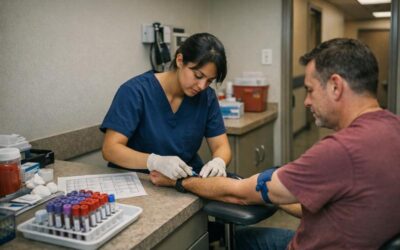
Hospital vs Clinic Phlebotomy Jobs: Which Work Setting Fits You Best?
Choosing between a hospital and clinic phlebotomy job affects how you build skills, manage workload, and adapt to daily responsibilities. The difference is not just location. It is pace, pressure, and workflow.
Hospital settings involve higher volume, time-sensitive draws, and constant movement between departments. This environment can strengthen technical skills quickly, but it requires consistency, speed, and strong fundamentals under pressure. Schedules are often variable, including early rounds and rotating shifts.
Clinic settings follow a more structured workflow with scheduled patients and steady volume. This allows repetition, which helps build accuracy and confidence. Many entry-level phlebotomists start in clinics to develop consistency before transitioning into higher-demand environments.
Read the full article to understand which setting fits your training level and career goals.

A Day in the Life of a Phlebotomist: What to Expect in Clinics, Hospitals, and Mobile Settings
A day in the life of a phlebotomist usually starts early, and it is rarely the same from one place to the next. Some of us clock in at a clinic where the patients arrive with appointments and lab slips, while others head straight to hospital floors where things move...
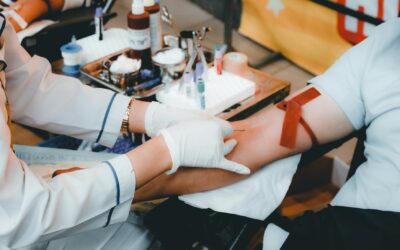
Mobile Phlebotomy in Atlanta: What It Is, Who It Serves, and How to Prepare for the Role
Mobile phlebotomy is becoming more common across Atlanta, especially for patients who have a hard time getting to clinics or labs on their own. Whether it is a senior in a care facility, someone recovering at home, or a patient with mobility challenges, it makes a big...
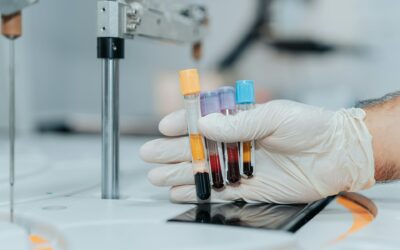
Compliance Training for Phlebotomy Teams: Building a Facility-Wide Culture of Safety
Compliance training for phlebotomy teams has a direct impact on how safe and smooth things run each day in a healthcare setting. When teams understand not just what the rules are but why they matter, small steps can lead to stronger results. In places like Roswell,...

Phlebotomy in Memory Care: Caring Approaches for Patients with Alzheimer’s and Dementia
Drawing blood is a common task in healthcare, but when working with patients who have Alzheimer’s or Dementia, it becomes more than just a procedure. Phlebotomy in memory care requires steady hands, calm words, and a lot of patience. Every action must be handled with...
CNA vs. CMA vs. Phlebotomy: Choosing the Right Allied Health Program for Your Goals
Choosing a career in healthcare brings a lot of excitement and possibility, but it can also raise questions. With so many entry-level options, deciding which path fits your goals best can feel overwhelming. If you have been thinking about getting into care work in...

Facility Readiness: How Senior Living & Rehab Centers Can Reduce Lab Errors with Better Phlebotomy Processes
Lab errors may not always make the headlines, but in senior care and rehab settings, they can really slow things down. For residents dealing with multiple health needs, getting accurate bloodwork matters. A missed step or mislabeled sample can mean delays in treatment...

Phlebotomy for Seniors: Comfort, Communication, and Safety in Senior Living Communities
Phlebotomy for seniors can be challenging for several reasons. Many older adults feel nervous around medical procedures, especially if they involve needles. Some may have trouble understanding what is happening due to memory loss or confusion. Others may feel...
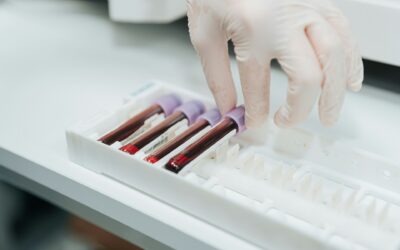
From Classroom to Clinicals: How to Succeed in Phlebotomy Lab Practice and Externships
Phlebotomy students across Georgia often wonder what it really takes to move from the classroom into lab practice and then externships. It can feel like a big leap. January especially brings that shift. While things cool down outside across Roswell, GA, students are...