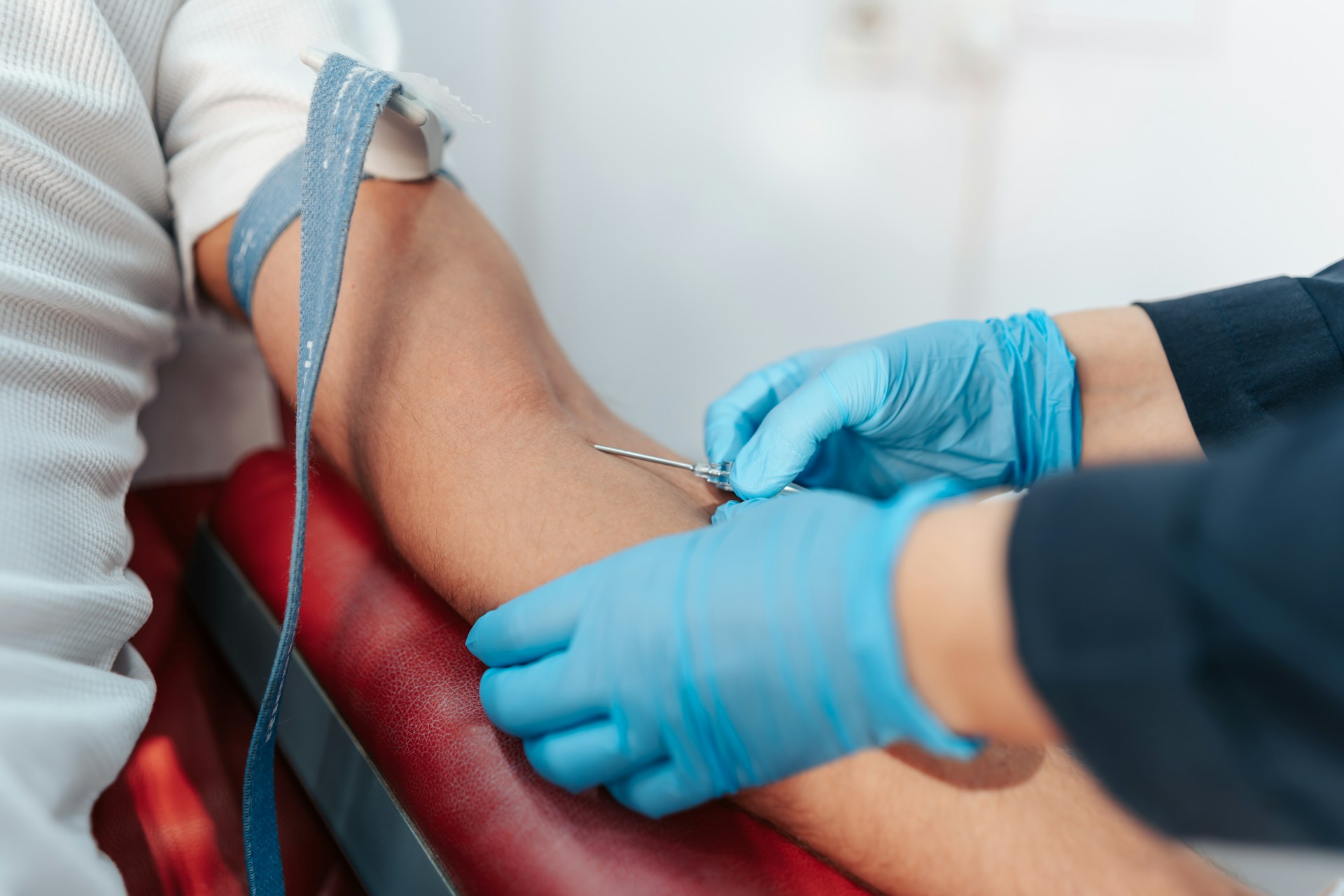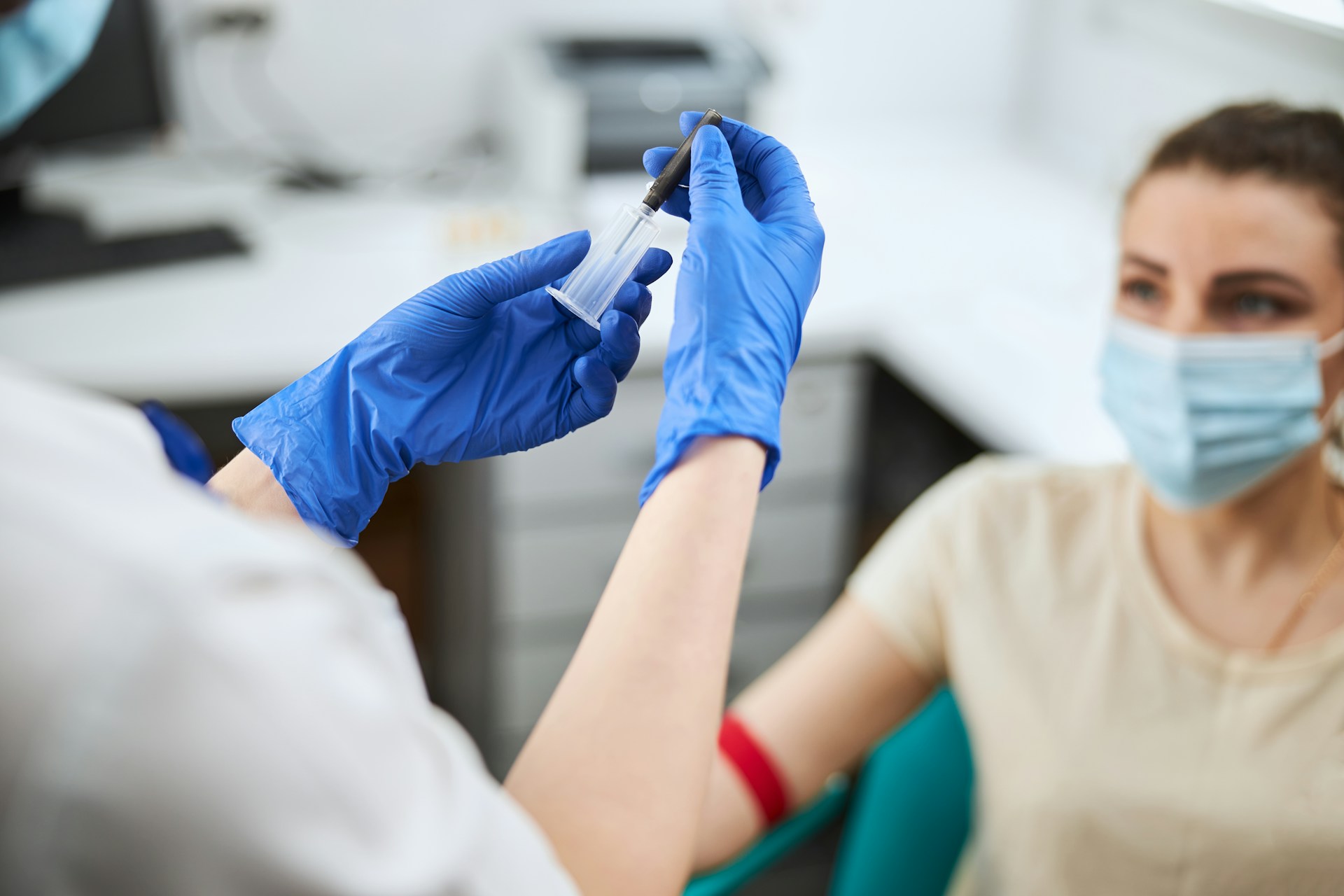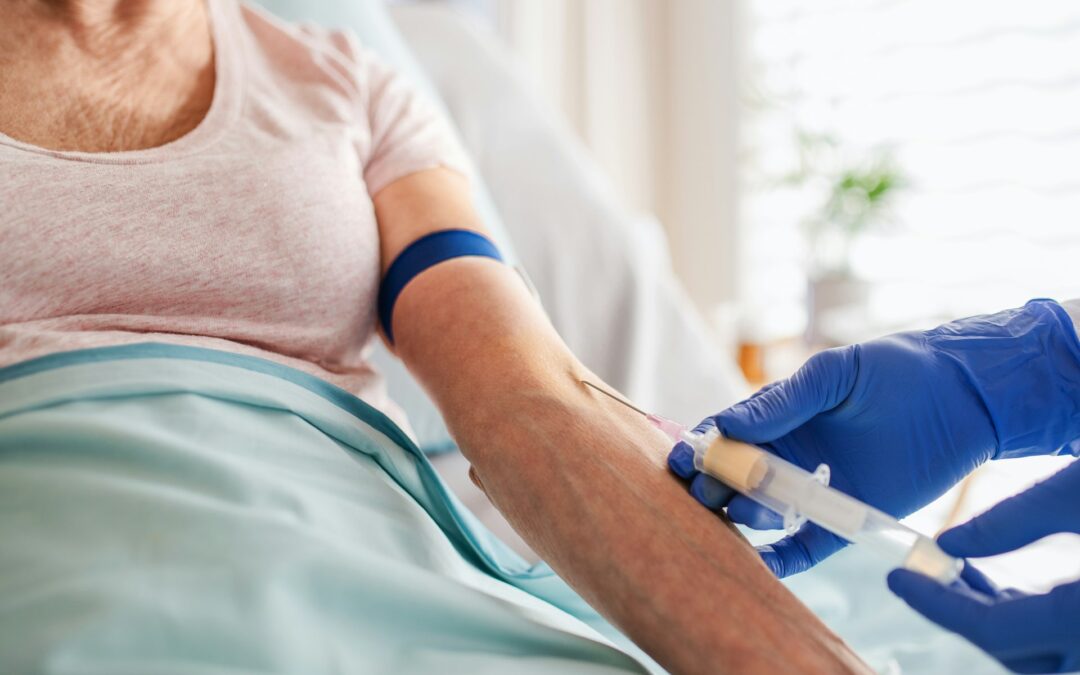
Good communication can turn an uncomfortable experience into something bearable. This is especially true in phlebotomy. For many people, getting blood drawn is scary. Some feel anxious around needles, others worry about pain or embarrassment. From the moment we say hello, every word and action can help ease stress or make it worse.
Someone sitting in the waiting room may feel nervous. Maybe it is their first time, or maybe they have had a bad experience before. Then a phlebotomist greets them with kindness, makes eye contact, and explains the steps simply and calmly. That moment can turn fear into trust.
That is why good communication is not just nice to have; it is part of strong procedure development. Clear, respectful conversations improve the patient experience and help us do our job safely. In Roswell, GA, where patients come from all walks of life, that trust matters. We do not treat a procedure like a task; we treat it like an interaction between people.
Creating a Calm First Impression
The first few seconds we interact with a patient shape how they feel about the rest of the visit. That is why we focus on small choices that create comfort.
• Start with eye contact and a warm hello. Being seen and acknowledged calms anxiety.
• Use relaxed, easy language. Skip the medical terms and describe what is coming in plain words.
• Stay present. Do not check your watch or sound like you are rushing to finish.
When patients feel rushed, they may not raise concerns or ask questions. That silence can lead to more fear. Taking just a little extra time upfront can make the whole experience smoother for both of us.
Talking Through the Procedure Without Medical Jargon
Phlebotomy has steps we follow with care, but patients do not always know what we are doing or why. They might feel confused or surprised if we do not explain each part.
So we take time to:
• Explain each step. Say, “Now I am going to clean your arm,” instead of saying, “I will prep the site.”
• Ask things like, “How are you doing so far?” or “Would you like me to talk through the next steps?”
• Pause between steps, not just to breathe, but to check that the patient is still comfortable.
By keeping things simple and direct, patients feel like they are part of the process, not just someone we are working on.
Handling Patient Emotions During Difficult Moments
We often meet people at a stressful time. Sometimes they are scared of the needle. Sometimes they are managing a bigger health challenge. Either way, emotions can show up fast.
When that happens, we try not to ignore it or hurry along. Instead, we:
• Notice nonverbal signs. If someone pulls away or flinches, we pause and ask how they are doing.
• Offer small comfort items, like a warm blanket in colder rooms or gentler explanations to reduce tension.
• Match our tone to their need: calming for nervous patients, playful for children, respectful for older adults.
Being gentle does not slow us down; it makes everything easier. Patients relax when they feel safe to express themselves.
Respecting Every Patient’s Needs and Background
Every person we meet brings their own story, culture, and comfort level. We never guess what someone needs. We ask.
• Always ask before touching. “Is it okay if I check your arm now?” sends the message that we value their choice.
• Be patient with language. If English is not their first language, we slow down and speak clearly.
• Stay mindful of physical or cognitive needs. Some patients move differently, think differently, or need extra time.
Treating people with respect does not mean treating everyone the same. It means adjusting how we work to meet them where they are.
The Role of Body Language and Listening
How we look, sit, or stand matters just as much as what we say. Patients notice when we are distracted. They feel it when we are really listening.
• Use open body language: face the patient, nod, offer calm eye contact.
• Cut out multitasking. Do not scroll phones or glance at screens while they are speaking.
• Let them talk. Sometimes they tell us something important just because we left space in the conversation.
Listening does not always mean fixing something. It means showing we care enough to pay attention.
Communication That Builds Trust and Keeps People Coming Back
Most people do not want to get blood drawn. But many remember if the experience felt respectful and kind.
• We reassure them. Just saying, “You are doing great, we are almost done,” lowers stress.
• We thank them. Even a simple, “Thank you for your patience,” makes someone feel valued.
• We remember that this could be the start of an ongoing connection; trust is built moment by moment.
With consistent, caring communication, we make uncomfortable moments more manageable. That is how we build trust, not just for one visit, but for the ones that may follow.
Closing Thoughts: Elevating Care with Communication and Training
Good phlebotomy is more than getting a blood sample. It is about treating people with care, especially when they are in a vulnerable spot. The way we talk, listen, and respond shapes how patients feel long after they leave.
We specialize in both Allied Health training and healthcare communication strategies that fuel better patient experiences. By combining in-depth certification programs with consulting for a range of care organizations, our team supports effective, respectful patient interactions every day.
In Roswell, GA, where we serve a wide range of individuals, every calm explanation, every gentle step, and every respectful pause counts. When communication becomes part of smart procedure development, it makes us better at serving others with care.
At DuMonde Management & Consulting, we believe clear steps and strong communication make all the difference in patient care. Whether we are training staff or shaping routines in Roswell, GA, we pay close attention to the details that support respectful, smooth interactions. Thoughtful procedure development does not just help us follow protocols; it helps us meet people where they are with understanding. If you are looking to build better processes that focus on people first, call us today.