Feeling nervous during hands-on first aid assessments is completely normal. Many people experience this when faced with the pressure of applying skills in a real-world scenario. It’s understandable to feel the weight of the situation, as these assessments test not only your knowledge but also your ability to stay calm and composed under pressure. The goal of courses focusing on first aid is to prepare you for these moments, boosting your confidence while handling emergencies.
Enrolling in a first aid course can help you manage this nervousness more effectively. Such courses offer practical experience that mirrors real-life emergencies, allowing you to practice in a controlled environment. By participating in these activities, you develop a familiarity that lessens the pressure when the time comes to demonstrate your skills. As we explore strategies to ease your nerves, remember that preparation and practice are key elements to set you up for success.
Understanding Nervousness During First Aid Assessments
Nervousness can stem from a variety of sources, especially during hands-on first aid assessments. One common reason is the fear of making mistakes. When tasked with performing potentially life-saving tasks, the stakes can feel high.
This apprehension is often accompanied by physical symptoms like sweaty palms, rapid heartbeat, and even mild shaking, which can compound the stress. Mentally, you might find your mind racing or experiencing clouded thoughts, which makes it challenging to recall steps accurately.
Understand that many individuals feel this way due to the unfamiliar and serious nature of these assessments. Taking a step back, it’s helpful to reframe these instances as learning opportunities rather than tests.
If you feel jittery or unfocused, these could be signs that your body is gearing up to perform. Instead of viewing nervousness negatively, consider it a natural response that signifies the importance of the task at hand. Your body is preparing to engage and react, which is a positive indication of your readiness to handle the situation with care and responsibility.
Preparation Tips
The best way to approach nervousness is through thorough preparation. Here are practical steps you can take to ready yourself for assessments:
– Study Regularly: Familiarize yourself with the first aid techniques and review the material often. Regular studying can help reinforce procedural steps in your memory.
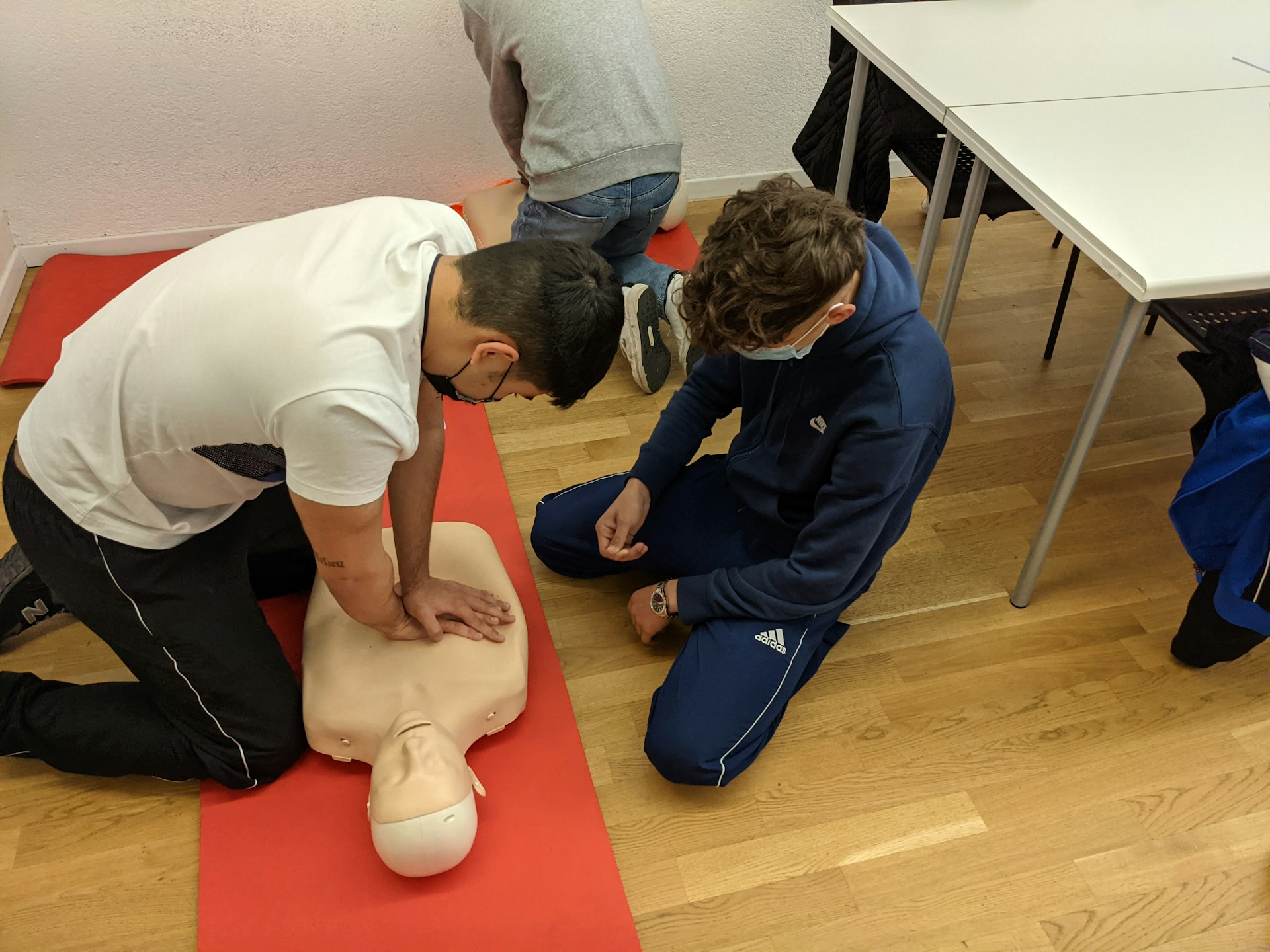
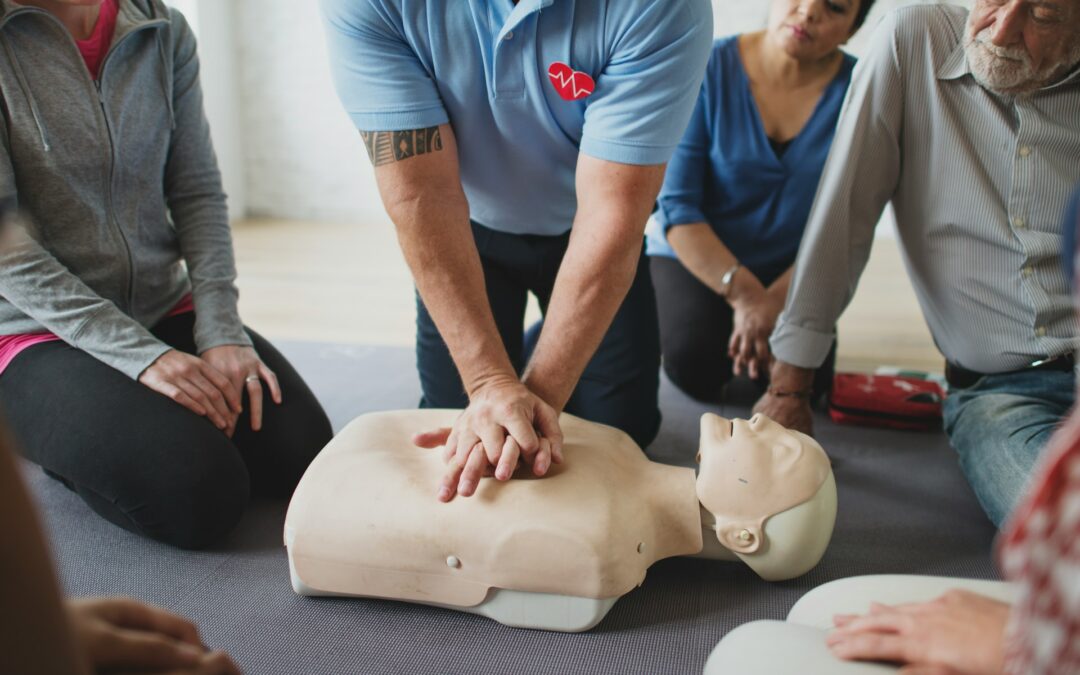
– Practice with Peers: Work together with classmates or friends. Practicing as a group lets you exchange feedback and offer support, helping to refine each other’s methods and improve confidence.
– Visual Aids: Use diagrams, videos, and charts to visualize steps. Some people find that seeing actions demonstrated visually can be more impactful than just reading about them.
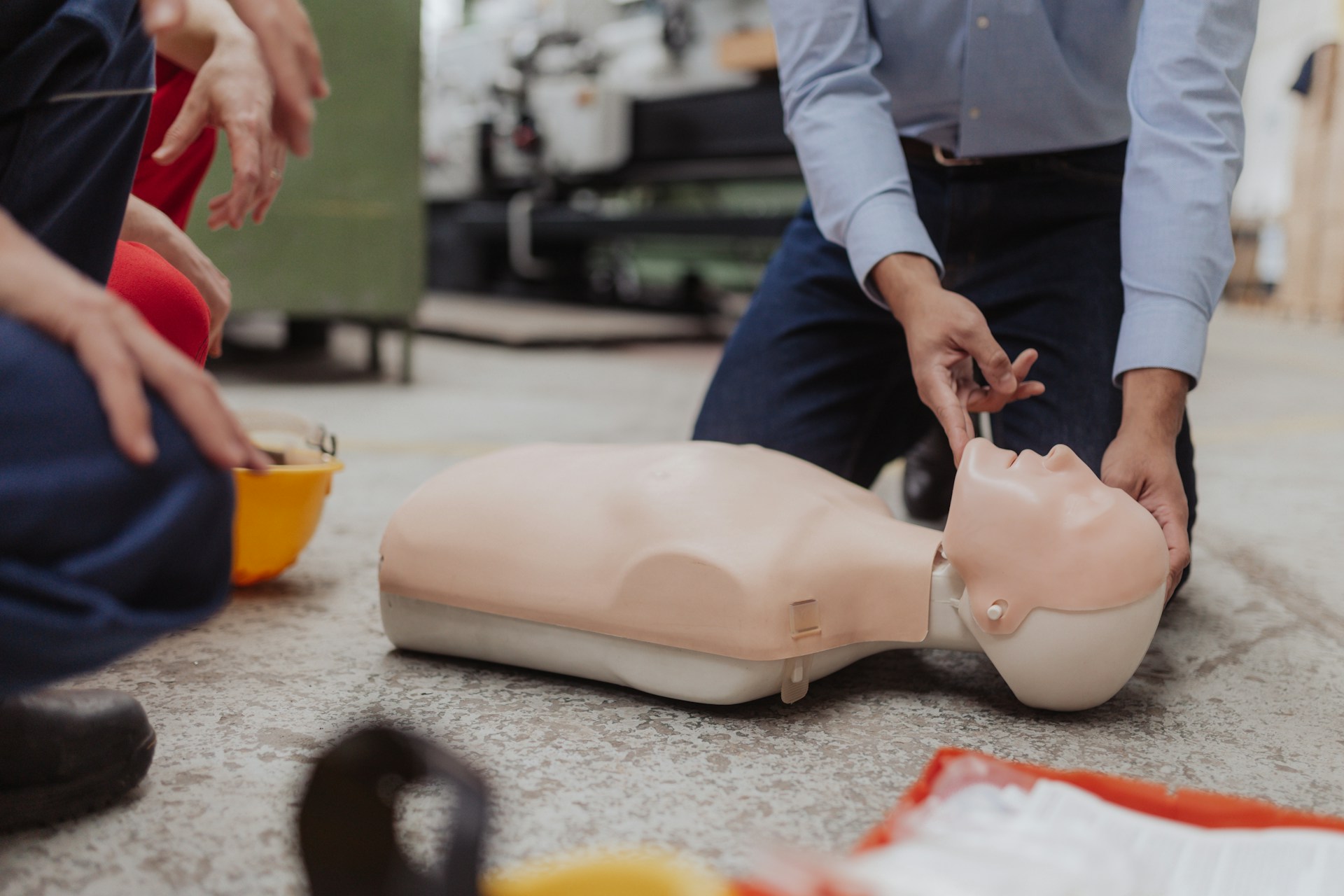
– Simulated Scenarios: Set up mock situations to mimic real-world emergencies. By practicing in a realistic environment, you prepare your mind for similar sights and sounds during the assessment.
These tips not only help you prepare but also serve to build your confidence steadily over time. This approach transforms learning into an interactive experience, reinforcing the fact that preparedness goes hand-in-hand with competence. Stepping into the assessment with a well-prepared mind can significantly alleviate nervousness and enhance your performance.
Breathing and Relaxation Techniques
Taking control of your breathing is one of the simplest yet most effective ways to calm your nerves. When feeling anxious, your breathing may become shallow and erratic. To combat this, try engaging in deep breathing exercises.
Start by slowly inhaling through your nose, holding the breath for a few seconds, and then exhaling gently through your mouth. Repeat this for a few minutes to help slow your heart rate and induce a sense of calm.
Besides breathing exercises, incorporating relaxation techniques into your routine can also prove beneficial. Techniques such as progressive muscle relaxation work wonders in releasing tension from your body. Begin from the toes and work your way up, consciously tensing and then relaxing each muscle group.
Even a short practice before an assessment can help shift your focus from anxiety to a more relaxed state. Incorporating such habits regularly prepares your body and mind to manage stress more effectively.
Building Confidence Through Practice
Regular practice forms the backbone of confidence. The more you practice, the more second nature the skills become. This familiarity allows you to remain calm even when faced with unexpected scenarios. Think of practice as a rehearsal for the main event. By repeatedly simulating first aid scenarios, your responses become more instinctual, reducing the tendency to second-guess yourself.
To make the most of your practice sessions, here are some tips:
– Set a Regular Schedule: Make practicing a part of your daily routine. Consistent practice leads to skill mastery.
– Use Realistic Props: Whenever possible, use tools and props that simulate real-life first aid equipment. This prepares you for actual assessments.
– Reflect After Practice: Take a moment to evaluate what went well and what needs improvement. This reflection helps fine-tune your skills over time.
Practice not only builds skills but also enhances your comfort level, making the assessment feel less intimidating. When you hone your abilities in controlled settings, you’re better equipped to manage the pressures of real assessments.
Supporting Yourself on the Day of the Assessment
On the day of the assessment, keeping a calm mind is key. Arrive early to get accustomed to the environment, reducing any last-minute jitters. Take a few moments for deep breathing to center your thoughts before beginning. The aim is to enter the assessment with a clear, focused mindset.
Maintaining a positive mindset is equally important. Start by reminding yourself of the preparations you’ve done and the skills you’ve honed. Positive self-talk can be a strong tool; use affirmations that reassure you of your capability to succeed. If you encounter a hurdle during the assessment, remember that taking a pause is okay. Regather your focus, and then proceed.
Boost Confidence in First Aid Skills
Overcoming nervousness during hands-on first aid assessments hinges on preparation and practice. By understanding the roots of anxiety, employing relaxation techniques, and building confidence through consistent practice, you lay a strong foundation for success. This journey is more about progress than perfection, each step preparing you better for the challenges ahead.
This comprehensive approach not only calms nerves but also empowers you. As you consider these strategies, remember that taking a first aid course is a proactive step. It equips you with the knowledge and practice necessary to face real-world emergencies calmly and confidently.
Ready to boost your confidence and preparedness for first aid situations? DuMonde Management & Consulting offers a first aid course designed to equip you with the knowledge and skills needed to handle emergencies confidently. Explore how our training centers can help you transform nervousness into competence and mastery.