Starting your job search as a new phlebotomy student can feel exciting and a little nerve-wracking. You have put in the hours, passed your training, and now it is time to show what you know. A strong resume gives you the chance to do just that. It does not need to be complicated. The most important thing is to clearly show your clinical skills and any certifications you have earned. These prove to hiring managers that you are ready to work safely and confidently around patients.
Including up-to-date training, such as a CPR and First Aid course, lets employers know you come prepared. With a few simple formatting and content tips, your resume can really help you stand out without added stress.
Start With a Clear Objective Statement
Right at the top of your resume, start with one or two short sentences about what you want to accomplish. Keep it specific to your interest in phlebotomy, and leave out anything too general.
• Mention the kind of workplace you want to join, such as a lab, hospital, or private clinic
• Highlight where you trained, especially if it is in Roswell, GA or nearby
• Use simple terms to show you understand what the job involves
If you just finished your program, say so. Adding your training location shows you are local and familiar with area practices. Let your goal match the type of work they do; that small connection can help you get noticed.
A clear objective demonstrates your professionalism and motivation. For example, you might write: “Recent graduate of an accredited phlebotomy training program seeking an entry-level position in a Roswell, GA medical laboratory. Dedicated to providing safe, accurate blood draws and excellent patient care.” Stating your intentions in direct language makes it easier for hiring managers to see your alignment with their mission or values.
Highlight Clinical Skills from Hands-On Training
When you are new to the field, experience during training is your best starting point. Use this section to describe what you have actually done.
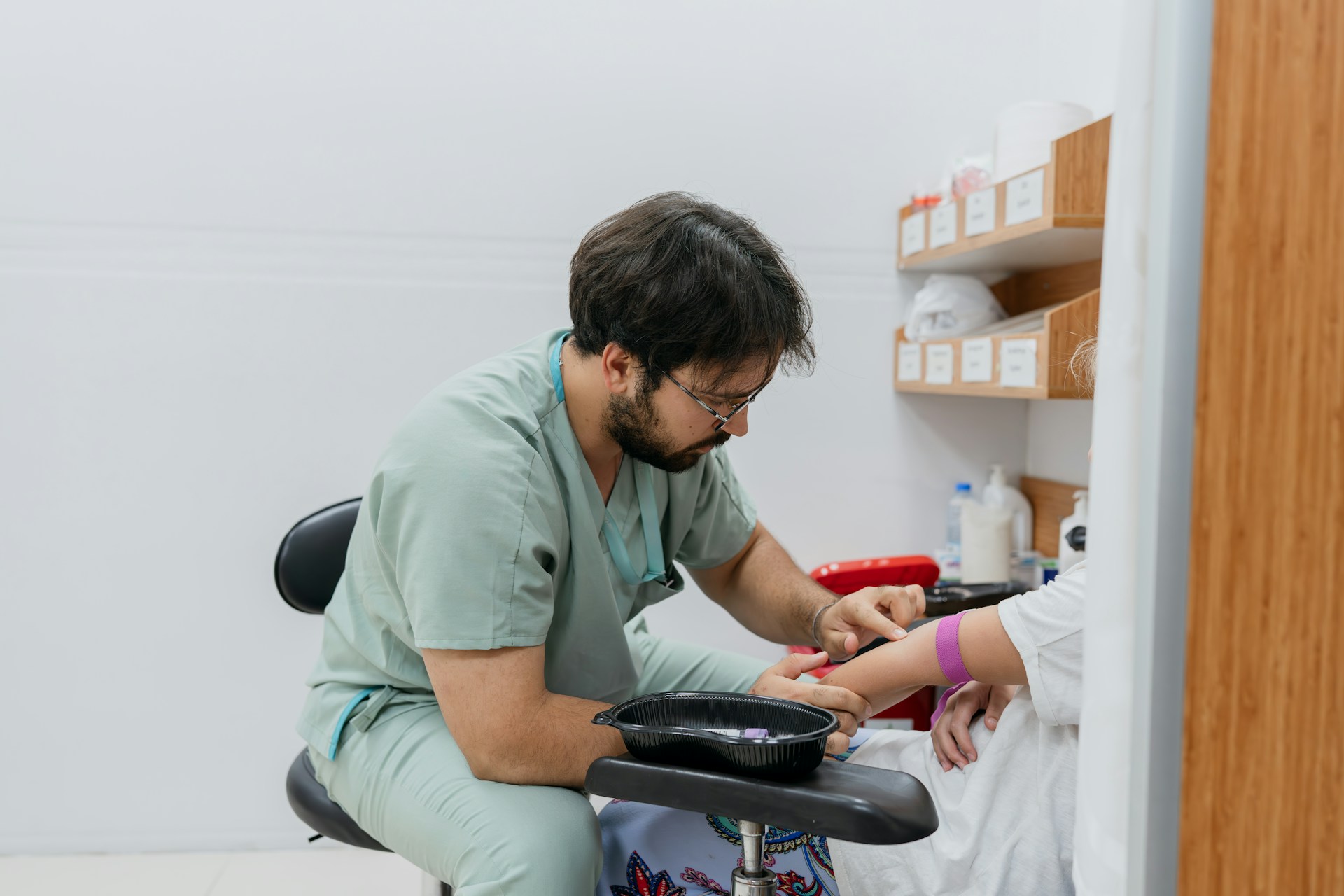
• Performed blood draws from adult and pediatric patients
• Collected and labeled specimens using standard protocols
• Used personal protective equipment and followed safety rules
• Maintained clean workstations and followed infection control steps
• Comforted nervous patients and explained procedures in clear language
Use action verbs such as “performed,” “collected,” or “maintained” to keep your tone active. These words help hiring managers picture you doing the work, not just learning about it.
If you had a chance to work in a range of settings during your clinical hours, like an outpatient lab, hospital floor, or community clinic, mention that too. Diversity in training shows employers that you can handle a variety of patient populations and clinical environments, helping you stand out even as a new graduate.
List Your Certifications the Right Way
Certifications need their own section. Lay them out clearly so they are easy to find. Always include the correct name and the organization that awarded the certification.
• Phlebotomy Technician Certification, [Insert Accrediting Body Name]
• CPR and First Aid Course, [Insert Training Organization Name]
• [Any other healthcare course you have completed]
Double-check spelling and expiration dates. List the newest certifications first. If you are still waiting on confirmation, you can write “Pending” with the expected date of completion.
Certifications act as proof of your qualifications and tell hiring managers that you meet both industry and regulatory standards. Organized, up-to-date documentation makes your resume much stronger, which can make a positive first impression on employers.
Make Each Section Easy to Scan
Most hiring managers will not read your entire resume line by line, so make it easy for them.
• Use bold headings for each section
• Keep sentences short or split them into bullet points
• Leave enough white space so the document does not look crowded
• Stick with one simple font throughout
• Save the file in a common format like PDF
Clean design allows your resume to stay readable and professional whether it is printed or viewed on a screen. Even small changes in layout can help your resume look more polished.
You should also double-check margins and alignment before sending your resume. Simple formatting choices, such as consistent spacing and using left alignment for text, help make your resume appear organized and intentional at a glance.
Finish With Your Soft Skills and Volunteer Work
Soft skills tell a story about how you work with people, stay calm under stress, and complete tasks. Hiring managers notice these just as much as technical skills.
• Strong listener and communicator
• Patient with all age groups and respectful of different backgrounds
• Willing to ask questions and follow instructions
• Demonstrated reliability while volunteering at local health fairs or community clinics
If you have volunteered in any healthcare setting, include it here. These experiences show that you are working to grow and understand what care work is about. Only add what you feel comfortable discussing if asked in an interview.
Volunteering not only strengthens your resume but also provides stories to share during interviews. If you do not have formal experience yet, think about other group or teamwork activities that demonstrate your reliability and dedication, and include those where appropriate.
Why DuMonde Training Makes a Difference
We know from experience that phlebotomy students who graduate from accredited programs like ours at DuMonde Management & Consulting gain hands-on clinical training designed for both new and experienced healthcare professionals. Our Allied Health programs, including Phlebotomy, CNA, and CMA certifications, focus on both patient safety and real-world skills you can highlight on your resume. Our curriculum prepares you to handle real clinical challenges and develop strong safety habits, which employers value highly.
In addition to certification training, we emphasize compliance, infection control best practices, and professional communication, skills that make your resume stand out in the Roswell, GA healthcare community.
Our emphasis on practical application during training ensures that you are confident in your abilities while performing blood draws, handling specimens, and interacting with patients or colleagues. This approach is invaluable when transitioning from student to employee in busy healthcare environments.
Stand Out With Confidence
A thoughtful resume is more than a list of tasks or degrees. It shows that you care about helping others. If you are starting your career after phlebotomy training and have completed a CPR and First Aid course, you are already prepared for greater safety and readiness.
Even if you do not have years of work experience, your training and attitude make the difference. List your skills clearly, describe what you have learned, and show your commitment. That first step into healthcare begins with your readiness to learn and help others each day.
Preparing to start your healthcare career in Roswell, GA means keeping your certifications current. Training such as a CPR and First Aid course supports safety awareness and gives you more confidence with patient care. Taking these steps shows you are ready for what each day brings. At DuMonde Management & Consulting, we believe small choices lead to big results. When you are ready to take the next step, we are here to help.