Build New Skills Without Quitting Your CNA Job
Working as a CNA in Georgia means busy shifts, full days, and a lot of responsibility. Many CNAs want to grow in their careers but cannot afford to step away from steady work. That is where focused weekend phlebotomy training can make a real difference. It gives you a clear way to add a new clinical skill while still keeping your current schedule and paycheck.
Across hospitals, clinics, and long-term care centers, there is growing interest in CNAs who can also perform blood draws. When you add phlebotomy to your skill set, you become more flexible on the floor and more valuable to your team. Weekend classes are designed with working healthcare staff in mind, so you can learn step by step without turning your life upside down.
Why Georgia CNAs Are Turning to Phlebotomy Training
CNA experience is a strong base for learning phlebotomy. You already know how to talk with patients, take vital signs, and support people who may feel weak, confused, or afraid. You help with daily care, so you understand privacy, infection control, and safety. Phlebotomy training simply adds another focused skill on top of what you already do well.
Current trends in Georgia healthcare are moving toward cross-trained staff. Many care settings now look for people who can help in more than one way. When a CNA can also perform blood draws, it can open doors to roles in:
- Outpatient clinics
- Physician offices
- Lab collection sites
- Mobile or community-based services
This added skill often gives you more options when you are ready for a schedule change or a new department. CNAs with phlebotomy training may be seen as stronger candidates for roles in areas like oncology, dialysis, or outpatient treatment centers where blood work is part of daily care. Having phlebotomy on your resume can help you stand out when supervisors are choosing people for new openings or internal promotion paths.
How Weekend Phlebotomy Classes Fit a CNA Schedule
Many CNAs worry that going back to school means giving up shifts or trying to study after a long night at work. Weekend phlebotomy training is built to fit a real CNA schedule. A typical rhythm might include Friday evening classes or Saturday and Sunday daytime sessions. These blocks of time give you space to learn without fighting weekday shift demands.
In a weekend format, learning often comes in short, focused segments. You may move from a quick lecture to a video demo, then right into guided hands-on practice. This style helps keep your attention and lets you connect the lesson with what your hands are doing. The schedule can also include:
- Planned breaks to rest and reset
- Skill labs where you repeat key steps
- Clear weekly goals so you always know what is next
Working CNAs often carry a lot outside of work too, including family duties and long commutes. It helps to plan ahead. Some students talk with their managers about keeping certain days off during the class time. Others arrange childcare or carpool plans before classes start, so weekends run more smoothly. Choosing a nearby Roswell-area training center cuts down on travel time and makes it easier to show up ready to learn instead of already worn out.
Inside a Hands-On Weekend Phlebotomy Training Experience
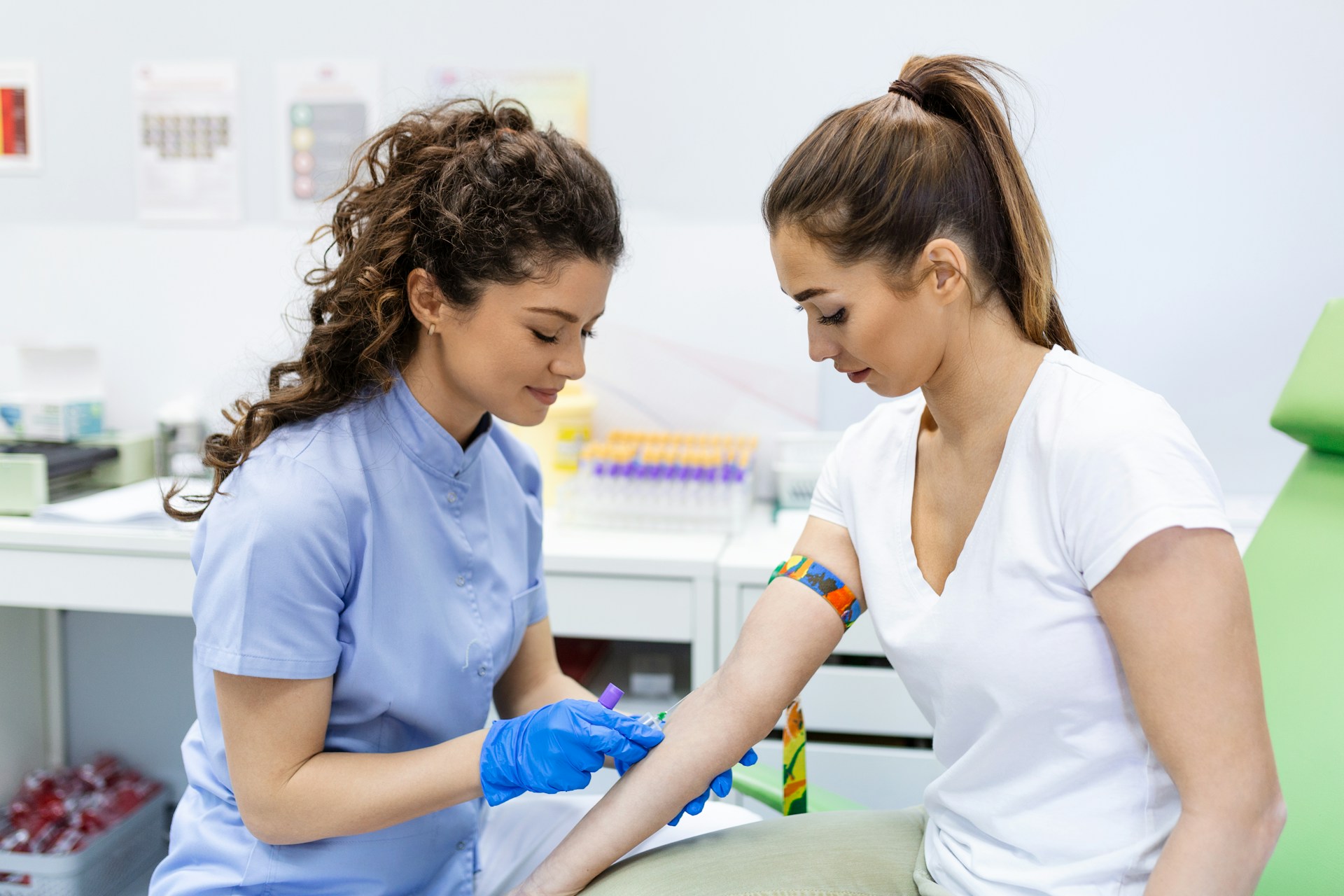
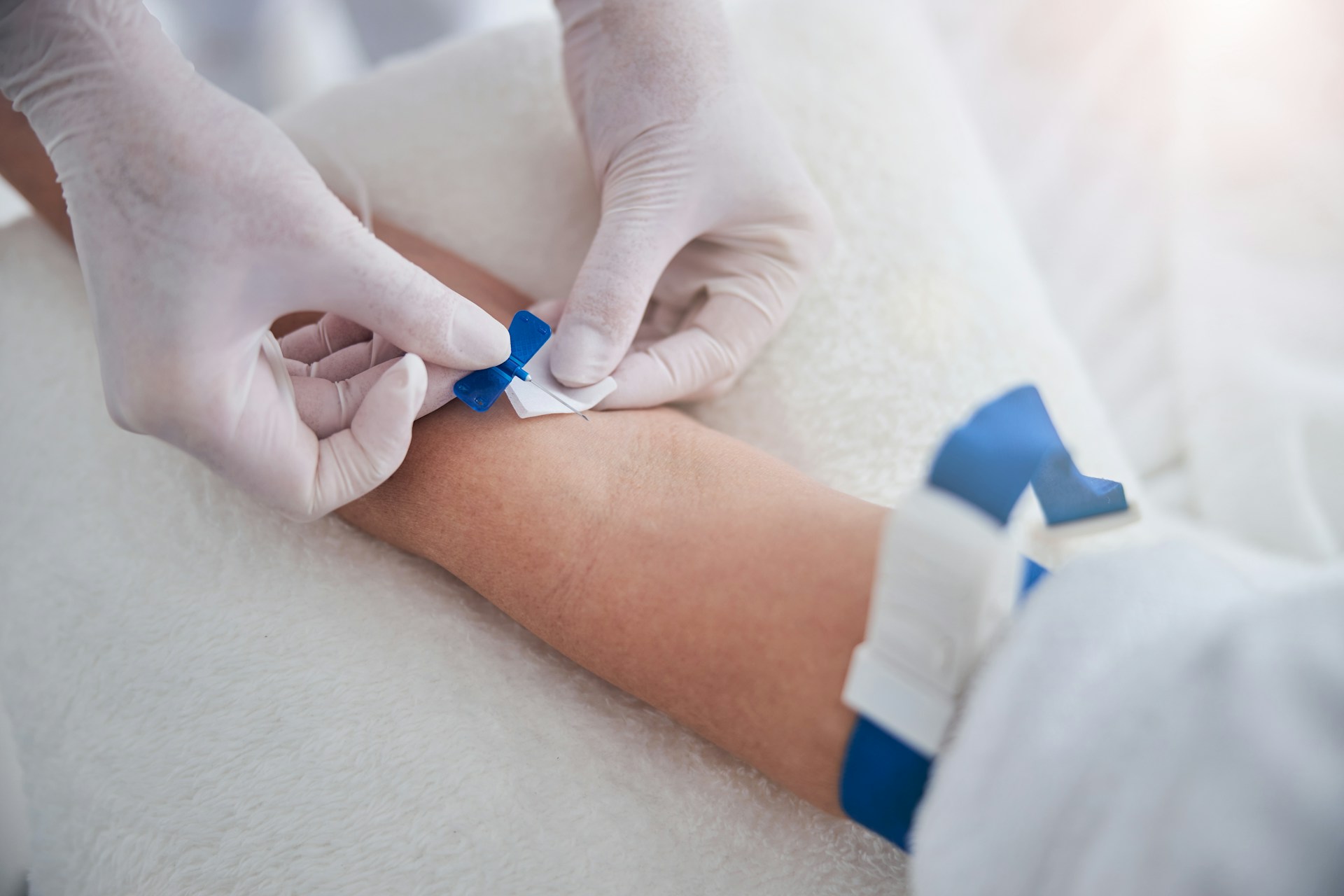
Good phlebotomy training is very hands-on. You are not just reading about veins, you are practicing the steps in a safe, controlled setting. A quality weekend class will guide you through core skills such as:
- Vein selection in the arm and hand
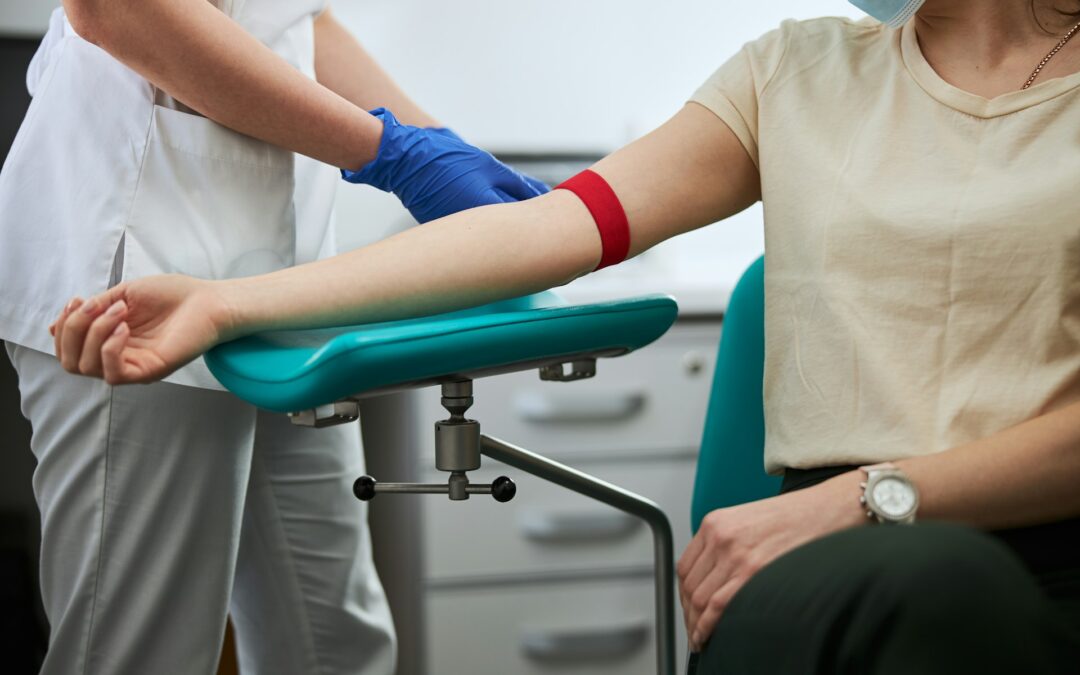
- Proper tourniquet placement and timing
- Correct order of draw for different tubes
- Accurate specimen labeling and handling
- Safety steps for blood-borne pathogens
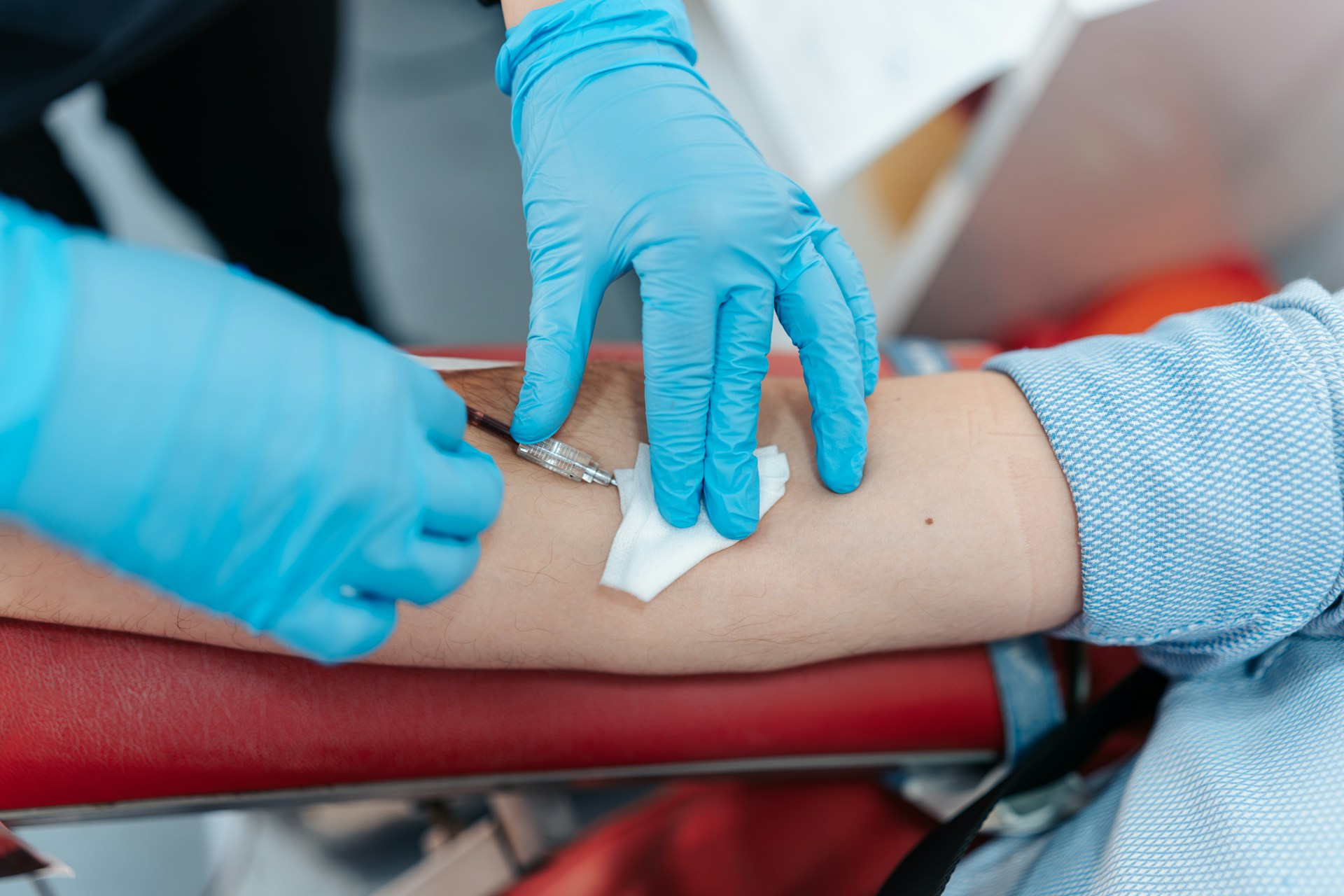
At first, many students work on training arms to build muscle memory. You learn how it feels to hold the collection equipment, how to anchor a vein, and how to keep a steady hand. Once you are ready, you practice live sticks under close instructor supervision. Because CNAs are already used to patient care, they often feel comfortable talking with classmates, offering support, and staying calm during practice.
Real-world scenarios are also part of strong phlebotomy training. You may walk through how to respond to a STAT draw request, how to support a patient with hard-to-find veins, or how to calm someone who is afraid of needles. These situations help you think ahead to what you may see in Georgia healthcare settings, from busy hospital floors to quiet outpatient labs. When hiring picks up, you will be ready to bring both your CNA experience and your new phlebotomy skills into the role.
Steps to Enroll in Weekend Phlebotomy Training
If you are a working CNA and want to explore phlebotomy training, it helps to move in clear steps. Start by confirming that you meet basic entry needs. These often include being at least a certain age, having a high school diploma or equivalent, and holding current CNA status. Check that your CNA license or proof of training is easy to access, and gather any other documents you may need such as ID or immunization records.
Next, think about timing. Look at your work schedule and note any known changes, planned time off, or busy seasons at your facility. Try to choose a class start date that lines up with a slightly calmer period. Some CNAs like to begin in early spring so they can complete classes before the end of summer, while others aim for a time when family schedules are more predictable.
It can also help to talk with your employer. Some facilities are open to adjusting a regular off day so it matches your class days. Others might offer encouragement, schedule stability, or general support for your professional growth. Once you have your documents and a time frame in mind, you can contact a Roswell-based training provider like DuMonde Management & Consulting to ask about upcoming weekend cohorts, phlebotomy-focused program details, and payment options that work for you.
Take the Next Step Toward a Phlebotomy-Ready Career
Phlebotomy training gives Georgia CNAs a clear path to build new clinical skills without walking away from their current job. Weekend classes respect the reality of shift work, family care, and daily life, while still giving you serious hands-on practice. With both CNA and phlebotomy experience, you can bring more value to your team and open doors to roles in hospitals, clinics, labs, and long-term care settings.
At DuMonde Management & Consulting in Roswell, we design our weekend-friendly phlebotomy training with working healthcare professionals in mind. We focus on practical skills, real-life scenarios, and supportive instruction so you can grow with confidence. When you are ready to add phlebotomy to your skill set and take the next step in your Georgia healthcare career, a structured weekend program can help you move forward while you keep the job and seniority you have worked so hard to earn.
Take The Next Step Toward A Career In Healthcare
If you are ready to build practical skills that employers value, our team at DuMonde Management & Consulting is here to support you. Whether you are exploring phlebotomy training or looking for guidance on which path fits your goals, we can walk you through your options. Reach out with your questions or to discuss enrollment and timelines, and we will respond with clear, straightforward information. You can also contact us to get started on your training plan today.