When winter sets in, it brings along a unique set of challenges that require us to be more vigilant. Snow and ice can make simple tasks like walking or driving a lot more hazardous. Understanding how to manage these and other winter hazards is crucial, especially in places like Roswell, GA, where cold snaps can catch anyone off guard.
That’s why learning winter safety tips through First Aid and CPR courses isn’t just smart; it’s essential for keeping yourself and others safe during these months. Such courses equip you with the skills to manage a host of winter-related emergencies, helping you feel more prepared and confident in a pinch.
Engaging with the outdoors during winter should be enjoyable, not risky. Through proper training, you’re not just learning to respond to emergencies; you’re also gaining peace of mind. Whether it’s knowing how to handle icy slips or dealing with more serious conditions like frostbite, a little preparation goes a long way towards safeguarding your health and well-being.
Armed with the right skills, you’re ready to handle winter’s challenges head-on, ensuring not only your safety but also the safety of those around you.
Recognizing Winter Hazards
Winter brings its own set of risks, and knowing them can help you take proactive steps to stay safe. Common winter hazards include icy walkways that pose a slip-and-fall risk, frostbite from prolonged exposure to cold, and hypothermia, which can occur when your body loses heat faster than it can produce it. These conditions might sound alarming, but with the right knowledge, they’re entirely manageable.
First Aid and CPR courses are invaluable in preparing for these specific winter challenges. They teach you not only how to recognize symptoms but also how to respond quickly and efficiently. For instance, if someone slips on ice and hits their head, you’ll know the right steps to take to provide immediate help. If a person is shivering uncontrollably or experiencing numbness in their extremities, you’ll recognize this as being at risk for hypothermia or frostbite and understand how to render aid effectively.
Let’s break down a few scenarios where this training might really come in handy:
– Handling slips and fall accidents with first aid responses.
– Recognizing the signs of frostbite and starting treatment quickly.
– Managing hypothermia by warming affected individuals gradually and safely.
These are just a few examples where your First Aid and CPR training will shine. By understanding and preparing for these common hazards, you ensure that winter remains a season of fun and festivities, not accidents and emergencies.
Essential Winter Safety Tips from First Aid Courses
The winter season demands extra care and diligence from everyone. Here are some vital tips shared in First Aid courses that can help you stay safe:
1. Frostbite Prevention and Treatment:
– Wear insulated gloves and layering with warm clothing.
– In case of frostbite, immerse affected areas in warm (not hot) water and avoid rubbing them to prevent skin damage.
2. Managing Hypothermia:
– Stay dry and change out of wet clothing immediately.
– Use body heat or blankets to slowly raise the body temperature if someone is affected.
3. Dealing with Slips and Falls:
– Walk slowly and keep your center of gravity over your feet.
– Have a plan for helping those who fall and need immediate attention.
4. Winter-specific First Aid Kit:
– Include thermal blankets, hand warmers, and extra dry clothing.
– Keep it accessible and convenient at home and in your car.
By integrating these thoughtful preparations into your daily routine, you not only enhance your safety during winter but also contribute to the well-being of everyone around you. Each tip is a useful piece of knowledge that helps embrace winter safely, ensuring it remains as enjoyable as possible.
CPR Skills for Winter Emergencies
Winter often brings its own set of emergencies, with the cold weather contributing to increased stress on the body, especially during activities like shoveling snow or walking on ice. CPR training becomes incredibly helpful during such times. It prepares you for scenarios where heart-related incidents might occur due to the cold or physical exertion.
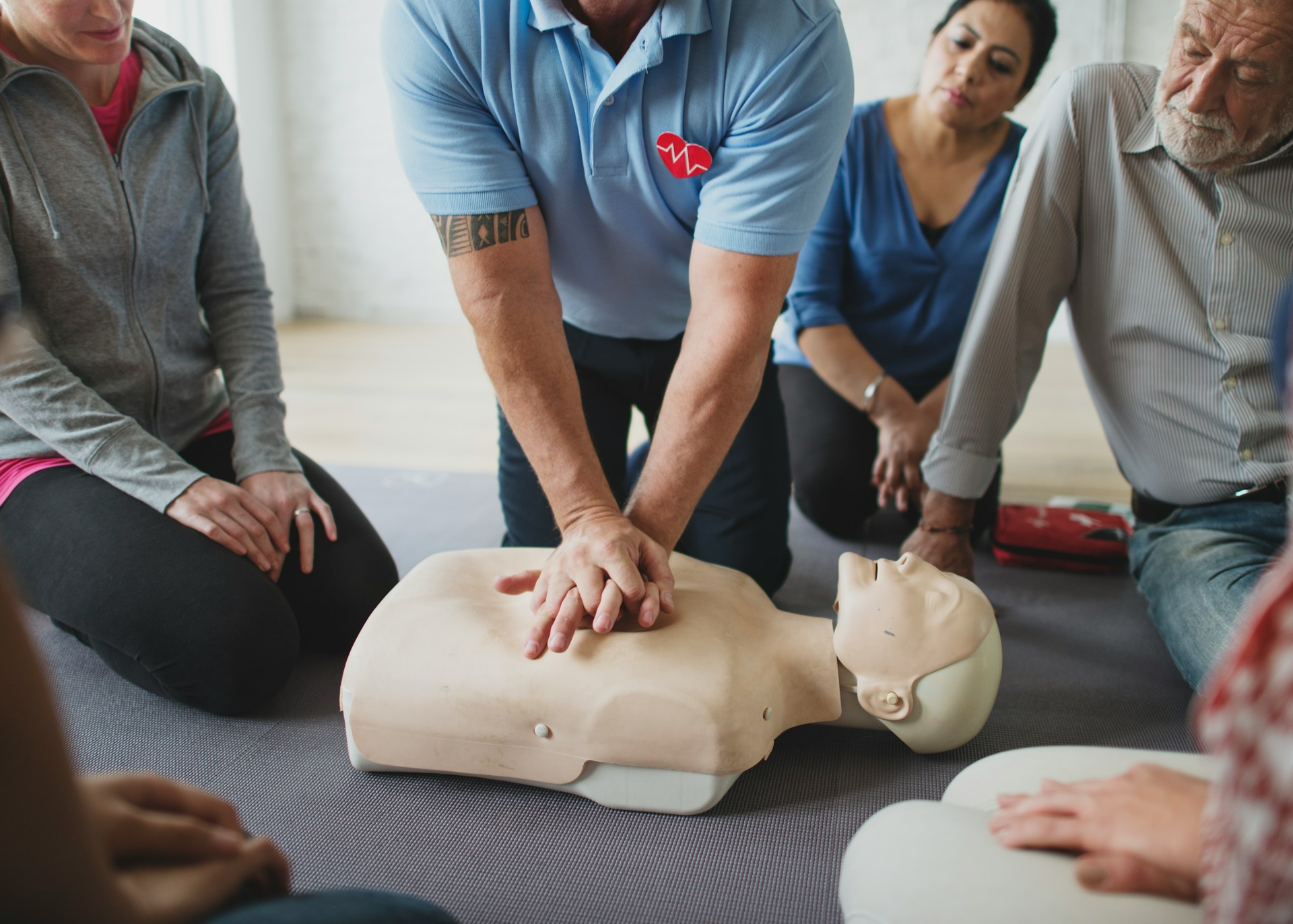
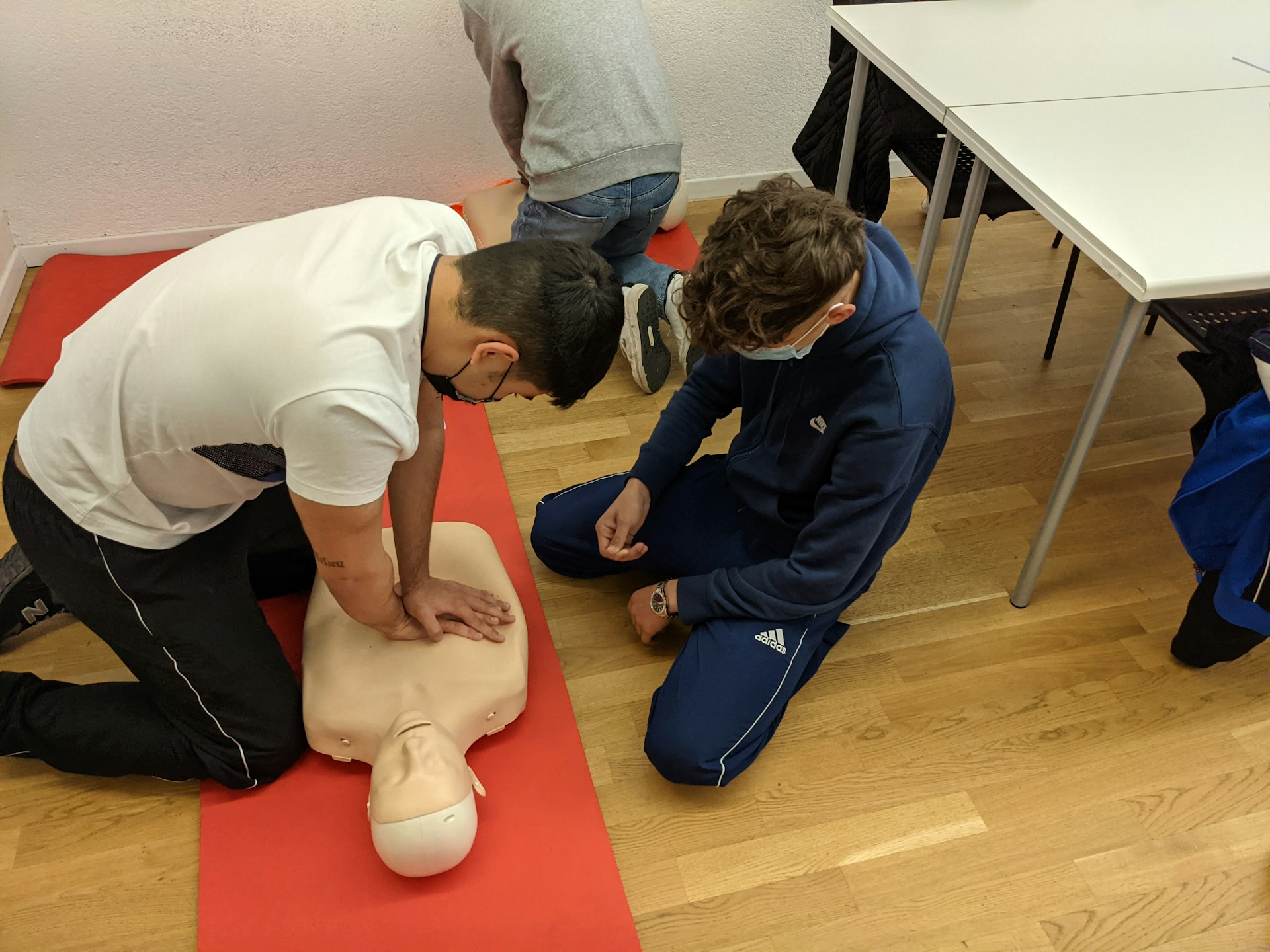
Understanding the basic steps of CPR is crucial during the winter months. If someone collapses due to a cardiac event, quick and effective chest compressions can make a life-saving difference before medical professionals arrive. Courses teach the correct hand placement, depth of compressions, and the rhythm to follow. While it might seem daunting, remember that a structured approach can help manage the situation efficiently.
Here’s a simple emergency action plan to consider:
– Check for signs of breathing and responsiveness.
– Call emergency services for immediate help.
– Begin CPR with chest compressions and, if trained, incorporate rescue breaths.
Being prepared with CPR skills ensures you can act swiftly during critical moments, increasing the likelihood of a positive outcome. This training often provides peace of mind, knowing you’re equipped to assist in freezing conditions when every second counts.
Integrating Safety into Daily Winter Routines
Making winter safety a part of daily life requires only a few adjustments to your home and habits. Creating a safe and secure environment should start at home. Begin by ensuring that all walkways and driveways are clear of ice and snow to prevent slips and falls. Utilizing sand or salt can increase traction and reduce the risk of accidents. Installing sturdy handrails on stairs and entryways adds another layer of safety for residents and visitors.
When it comes to being indoors, check that your heating systems are in good working order to avoid heating-related hazards. Ensure alarms and detectors for smoke and carbon monoxide are functional and check their batteries regularly. It’s often the little things that keep our homes and families safe throughout the season.
When traveling, keep a winter emergency kit in your vehicle. This may include items like:
– Extra blankets and warm clothing.
– Non-perishable snacks and water.
– A portable phone charger and flashlight.
These preparations help ensure that you’re ready for unexpected weather changes while on the road. Staying prepared not only enhances personal safety but also contributes to the overall readiness of your community.
CPR Training in Winter
As you gear up for winter, remember that preparation is key. First Aid and CPR knowledge, coupled with common-sense precautions, can make all the difference when faced with unexpected challenges. By continually practicing safety tips, you maintain a state of readiness, ensuring that you’re not caught off guard by winter’s surprises.
Building and refining your safety plan is easier with regular review and practice. Taking a refresher course in first aid and CPR can keep your skills sharp and your awareness high. These courses provide the tools and confidence needed to navigate winter safely, wrapping each season with a sense of security and assurance.
For those in Roswell, GA, eager to enhance their readiness for winter emergencies, consider enrolling in first aid and CPR courses offered by DuMonde Management & Consulting. These courses provide invaluable skills that can help you handle winter’s challenges with confidence. Enhance your preparedness and ensure you are equipped to safeguard yourself and others.