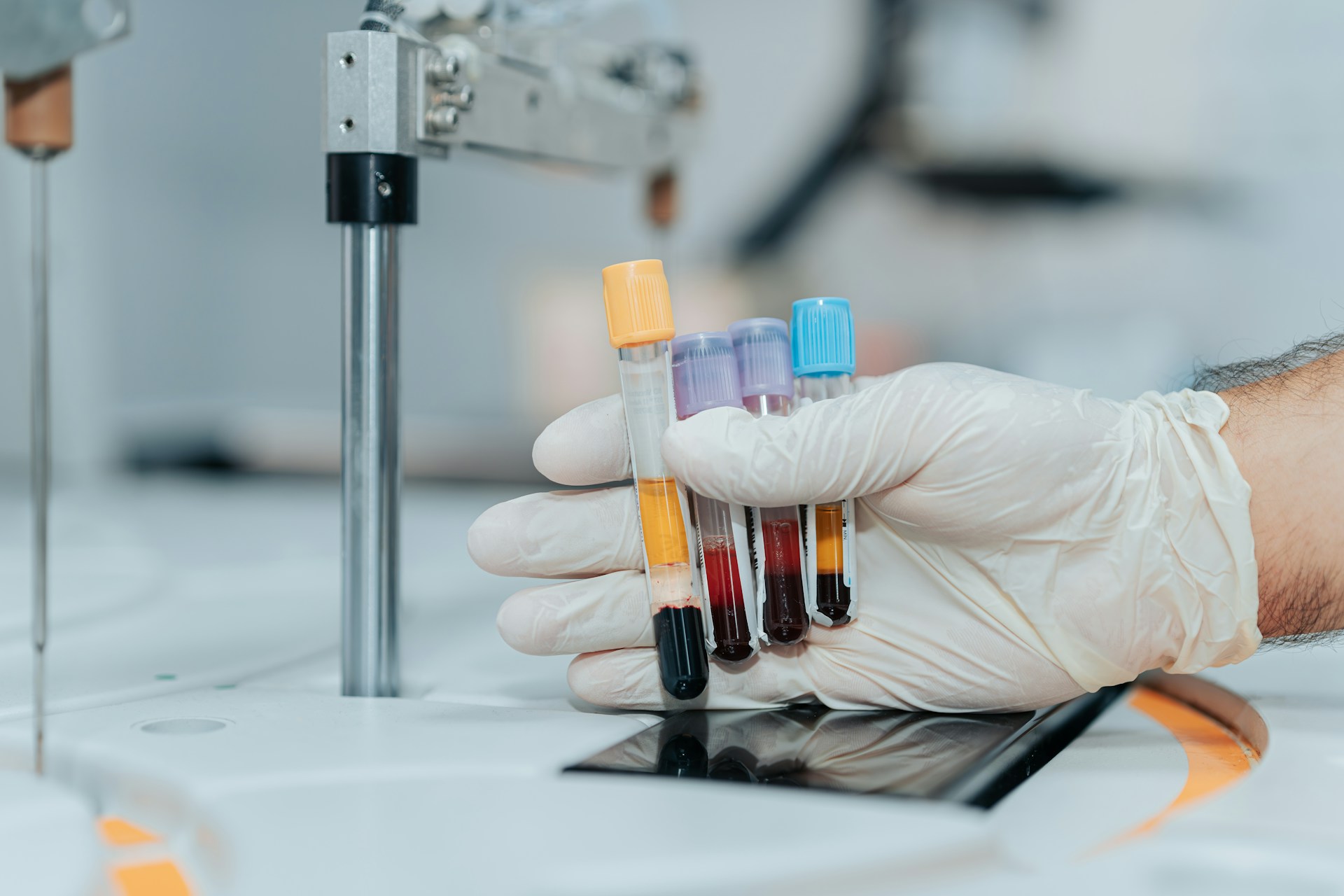
People do not usually look forward to having their blood drawn. For some, a visit to the lab brings more than just nerves. Past trauma, medical anxiety, or a fear of needles can turn a routine task into something deeply stressful. Trauma-informed phlebotomy helps change that. It focuses on how we speak to patients, how we prepare them, and how we carry out the procedure itself in a way that respects their experience.
In places like Roswell, GA, where clinic visits can rise during colder months and where patients come from many different life backgrounds, using trauma-aware techniques makes a real difference. Being thoughtful about communication and care helps us build trust from the first moment. This approach is a key part of our procedure development and consulting, especially for teams working in residential rehabilitation and senior care. When we lead with safety and kindness, we help people feel seen, not just as patients, but as people.
Setting the Scene with Compassion
Medical trauma does not look the same for everyone. For some patients, it could come from a painful past procedure. For others, it might be tied to a bad memory, a loss of control, or even being misunderstood by a healthcare worker. That is why we pay close attention to how patients act and speak, even when they do not directly say they are scared.
Some signs of anxiety include stiff body language, avoiding eye contact, short answers, hands clenched tightly, or tapping feet. These are not always easy to spot, so we make space for quiet moments and look for subtle cues instead of rushing in.
During the winter months, especially in January when the air is cold and clinic visits tend to feel more uncomfortable, a calm room and steady tone go a long way. Keeping noise levels down, offering warm blankets if available, and allowing more time for patients to settle in can help lower tension in the visit before the draw even starts.
A trauma-informed approach requires caregivers to be flexible and receptive to the signals each patient gives. Sometimes, patients may prefer to ask questions before beginning the blood draw, while others may want as little conversation as possible. Recognizing and adapting to these preferences, even in small ways, communicates respect for their wishes.
Simple Ways to Build Trust from the Start
Trust starts the moment a patient walks in. That first impression can set the tone for everything after.
• Greet patients by name and make eye contact.
• Offer a simple explanation of what the visit will include. Make sure they know what to expect before any step begins.
• Ask for consent before touching or starting the draw, even if they have done this before.
• Talk in a relaxed tone and be mindful not to sound rushed or firm.
These small steps do not slow us down. If anything, they make things smoother. When patients feel included and informed, they are usually much more comfortable going forward.
Every step in the process, from greeting to phlebotomy, is a chance to build a stronger sense of trust. When patients feel respected and heard, the clinical environment becomes one in which anxiety naturally decreases.
Helping Patients Stay Calm During the Blood Draw
Even when we do everything right, the actual blood draw is still the hardest part for some people. Helping them stay calm takes both planning and patience.
• Let patients take the lead on timing, as long as it stays safe.
• Offer calming techniques like deep breathing, fidget tools, or light conversation as a distraction.
• Watch how they are responding and slow down if needed, especially during colder months when people may already feel more tense or physically cold.
Some may ask to have their partner in the room, or they may want to look away and listen to music. That is fine. When we let people have small bits of control, it can help them feel stronger in the moment.
It also helps to observe physical cues during the procedure. Changes in breathing, sudden shifts in body position, or subtle agitation may signal growing discomfort. Reacting with a quiet word or a brief pause offers reassurance. If necessary, offering choices throughout the visit, such as which arm to use or allowing the patient to hold a comfort item, demonstrates a commitment to their well-being.
Training Phlebotomists to Recognize and Respond to Trauma
Trauma-informed care is not only about the patient. It takes practice and training to do well.
We help our phlebotomists learn what stress and fear look like in different people. Some may talk more, others may go quiet. Some smile through fear, others sit frozen. There is not one look to trauma, so we ask our staff to stay open-minded and slow down when something feels off.
Instead of just teaching technique, our training programs are developed from over 50 years of collective leadership experience and emphasize communication style, body language, and calmly handling difficult moments. This is especially important for phlebotomy teams working with individuals in senior living and home health care, where building trust is vital. When phlebotomists feel confident responding to patients with empathy, the entire visit becomes more manageable for everyone.
Ongoing training ensures that staff can refresh their skills and keep up with the needs of a changing population. Team discussions and regular feedback sessions help reinforce the trauma-informed mindset. Over time, this approach leads to not only smoother procedures but also more positive patient experiences.
We believe learning does not stop after training ends. Even experienced staff continue building their skills. That helps us adapt to different situations and support every patient with the same kindness and focus.
The Long-Term Benefit: Trust That Lasts Beyond the Needle
When someone walks out of a clinic feeling respected, they are more likely to come back. That trust matters. It can shape the rest of their care, how closely they follow health advice, how often they schedule visits, and how confident they feel asking questions.
Trauma-informed work is not about changing every step of how we draw blood. It is about how we do it. When we stay present and listen, we reduce fear and uncertainty. That makes procedures smoother, leads to better outcomes, and makes each visit more human.
And over time, that care builds stronger relationships between us and the people we serve. When trust shows up in small moments, kind words, gentle hands, and time to breathe, it can last long after the bandage comes off.
Long-term trust results in improved healthcare follow-through, fewer missed appointments, and a willingness to share concerns. Patients who have positive experiences talking about their worries are more willing to return for other necessary health services. This reliability supports better outcomes and shows the value of compassionate care.
Compassionate Procedure Development for Roswell, GA
At DuMonde Management & Consulting, every part of the care process, including how procedures are planned and carried out, is designed to keep patient comfort in mind. Many of our consulting clients work with seniors and individuals living with Alzheimer’s or Dementia, so our evidence-based approach is built for sensitive and diverse needs. In Roswell, GA, that means staying aware of the extra stress colder months can bring and adjusting routines with purpose. Our focus on safe environments and clear communication is woven into every step of our procedure development work. When care teams are trained to respond with patience and presence, everyone benefits. To start building stronger care systems rooted in respect, reach out to us today.