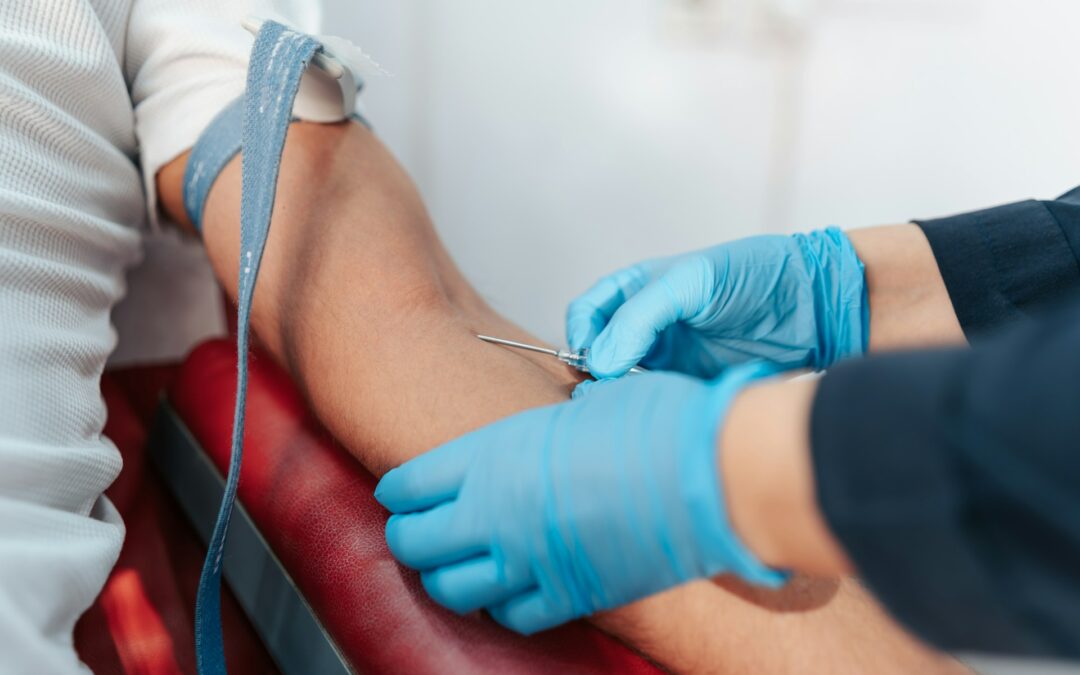
Infection control for phlebotomists isn’t just about keeping things clean. It’s a part of everyday care, and healthcare facilities pay close attention to how well it’s done, especially this time of year. January in Roswell, GA, means higher patient traffic, and colder weather can bring in more illness, more lab work, and more chances for slips in safety.
That’s why procedure development for infection control needs to be solid and current. Audits often pick up right after the new year, so what our staff does now affects how prepared our facility looks later. We’re walking through what healthcare employers often look for and what actually gets checked.
What Phlebotomists Handle Every Day That Increases Risk
Each blood draw may seem routine, but there are plenty of small touchpoints where infection can sneak in if no one’s paying attention. Phlebotomists don’t just draw blood, they label samples, touch skin, wipe surfaces, and move between patients all day long.
Here are a few ways risk increases on a regular shift:
• Contamination can happen if staff don’t change out gloves often enough, especially when moving between low-contact and high-contact actions.
• Even clean-looking surfaces can carry germs from previous patients or spills.
• When clinics or labs get packed, like they do in winter, staff might rush or cut corners to keep up.
Cold and flu season always brings in more specimen collection, and when patient numbers grow quickly, even one skipped step can affect more people than usual.
The Infection Control Behaviors Healthcare Facilities Expect
Hospitals and long-term care sites don’t just expect careful work; they’re built around it. For our phlebotomy staff, that means being sharp with every habit, down to the basics.
Daily behaviors that matter most:
• Hand washing before and after every patient, even if gloves are worn
• Cleaning pads, carts, doorknobs, and chairs between uses
• Replacing gloves after each patient, and never touching shared items like pens or carts with gloved hands
Rushed glove changes and surface cleanings are the most common mistakes we see. It doesn’t always come from carelessness. Usually, it’s pressure from short breaks and long lines. Facilities do not ignore it. Staff are expected to put safety first, even when the schedule’s heavy.
What Infection Control Audits Often Focus On
Many facilities kick off the year by reviewing how well staff are sticking to safety protocols. Auditors don’t just look at forms; they want to see infection control practices in real time.
Things they often check during a visit:
• Are phlebotomists following procedures word-for-word, even when they’re busy?
• Is anyone skipping hand hygiene or rushing through sample labeling?
• Are supply counts matching proper usage, like gloves and wipes?
• Are training logs up to date, and do they show repeat practice over time?
As part of our standard procedure development, it’s helpful to build checklists that align with what gets audited. That way, when someone walks in to observe, our staff already knows what matters.
Seasonal Spike: Why January Can Bring More Oversight
The start of a new year usually follows a busy holiday season, where facilities in Roswell, GA, see a rise in respiratory infections, flu, and similar symptoms. Leadership may increase unannounced checks or fast-track internal reviews to help spot any gaps.
New hires who joined in December or early January are especially part of these reviews. Many are still warming up, learning daily habits, and adjusting to schedules. They may be more likely to forget cleaning steps or glove changes because they’re still training.
Facilities don’t expect perfection every shift, but they do expect staff to know the expectations, and that includes following them daily, even when it’s cold, crowded, and everyone’s tired.
Maintaining Standards When Workloads Are High
When the waiting room fills up and things start running behind, infection control can feel like something there’s no time for. Once it gets skipped, the risk isn’t just for one person; it affects every sample, space, and patient seen after that.
Here are a few ways to stay consistent:
• Create checkpoints in the workflow, like surface wipe-downs or glove swaps, that act as pauses.
• Teach staff to speak up if someone forgets a step. Keeping each other on track helps everyone protect patients.
• Assign a buddy system during peak hours if possible, or rotate responsibilities so no one person has to rush every draw.
Routines like these aren’t meant to slow things down. Done right, they actually help staff move with more focus and less second-guessing.
Staying Ready for the Next Review
Good habits take pressure off when inspections return. Infection control isn’t about passing audits; it’s about keeping patients and staff safe day after day.
The more we practice the expected steps and make them part of how jobs function, the less stressful audit season feels. With clear roles, checked supplies, and steady habits, even surprise reviews won’t shake the process. Keeping infection control strong all year means we don’t scramble when someone else starts watching. We’re just doing what we always planned to do.
Why Choose Ongoing Infection Control Support?
We bring over 50 years of healthcare leadership experience to help organizations in the Atlanta metro, including Roswell, GA, stay audit-ready and compliant. Our team specializes in custom policy development, on-site compliance training, and operational audits for senior care and rehabilitation facilities. With our signature “Optimum Care” approach, we ensure infection prevention is built into the daily workflow, supporting both veteran and new phlebotomy staff to meet changing clinical requirements.
At DuMonde Management & Consulting, we know how much strong infection prevention depends on steady habits and clear communication. Whether you’re reviewing cleaning routines or training new staff, setting a reliable process makes everything smoother when pace picks up. That’s why good procedure development isn’t just about paperwork; it’s part of keeping people safe every day. If your facility in Roswell, GA, could use a fresh look at how protocols are built and followed, we’re here to support the process. Call us today to talk through how we can help.