Quick Answer: The right phlebotomy program is one that helps you build real clinical skill, not just exam eligibility. Many students choose based on price or speed, then realize later that they need more hands-on practice to feel comfortable working with real patients.
Why Choosing the Right Program Matters More Than You Think
Most phlebotomy programs look similar at first glance. They promise certification preparation, hands-on training, and quick completion. The real differences usually show up later, when students begin working with patients or interviewing for jobs.
It is not unusual for students to complete a program and pass a certification exam, yet still feel unsure during basic blood draws or patient interaction. That gap can affect confidence and make the first stage of employment more challenging.
Choosing based only on convenience or cost can create problems later. When training lacks depth, graduates may need extra coaching on the job to build consistency and confidence.
What Employers in Georgia Actually Look For in Phlebotomy Training
Employers are not just looking for certification. They want candidates who can perform consistently, communicate clearly with patients, and adapt to real clinical settings with professionalism.
Certification vs Real-World Readiness
Certification matters, but it does not always reflect hands-on ability. Some candidates do well on exams but still hesitate during live procedures. That difference often becomes more noticeable during interviews, externships, or early shifts.
If you are unsure how certification fits into the bigger picture, this breakdown of what to expect from the phlebotomy certification exam explains what it prepares you for and where hands-on training still matters.
Problems usually start when training focuses heavily on theory without enough repetition. Students leave with knowledge, but not enough confidence to apply it smoothly.
Hands-On Skills Expectations
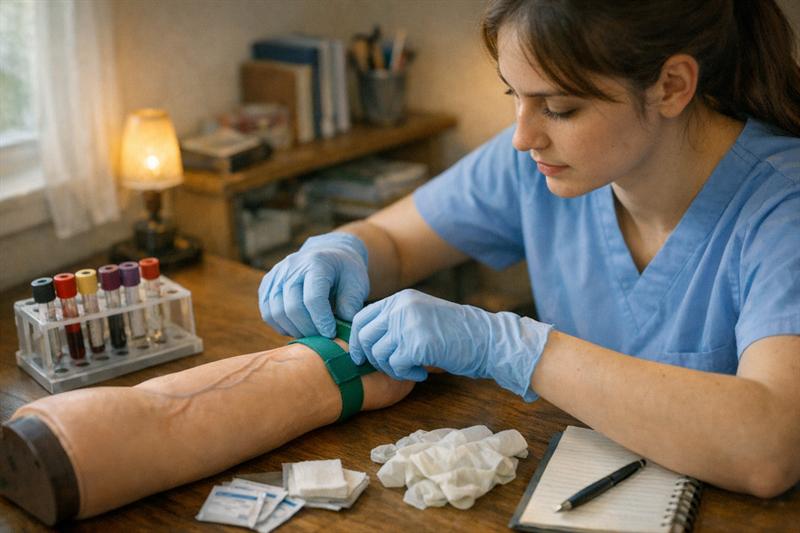
Employers expect new hires to perform blood draws with control, accuracy, and steady patient communication. That kind of consistency comes from repetition.
One common issue is limited practice during training. Completing only a small number of successful draws may not be enough to build reliability. This can lead to hesitation, repeated attempts, and less comfortable patient experiences.
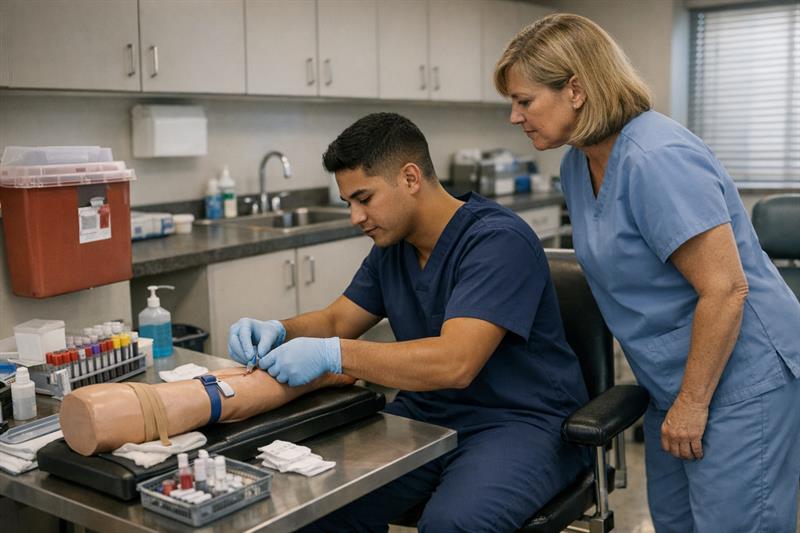
Programs that prioritize repeated, supervised practice tend to produce graduates who feel more prepared for the pace and expectations of the job.
The Phlebotomy Program Checklist (Use This Before You Enroll)
Use this checklist to compare programs side by side. It keeps your focus on what is most likely to affect your performance after training.
- Accreditation and certification eligibility
- Hands-on training volume and quality
- Externship or real clinical exposure
- Instructor clinical experience
- Program structure and schedule
- Total cost vs actual value
Accreditation and Certification Eligibility
The program should prepare you for recognized certification exams such as NHA or NCCT. Without that alignment, you may finish training and still need additional steps to meet employer preferences.
To understand what is typically expected in the state, review phlebotomy training requirements in Georgia before enrolling.
Hands-On Training Requirements
This is where meaningful differences show up. Some programs measure value by classroom hours alone. Stronger programs also pay close attention to how much guided practice students actually complete.
When practice is limited, students often struggle with consistency. That can lead to slower performance and more correction during early employment.
Externship Opportunities
Clinical exposure helps bridge the gap between classroom learning and day-to-day work. Without it, the first job may also become the first real test of those skills.
That usually means a steeper adjustment period and more pressure during onboarding.
Instructor Experience
Instructors with clinical experience often teach beyond the basic steps. They can explain how situations unfold with patients and what details matter in real workflows.
Programs without that perspective may miss practical points that become important on the job.
Program Length and Schedule Flexibility
Short programs move quickly, but they may reduce the time available for repetition. Longer or more structured programs often give students more room to develop technique and confidence.
Flexibility matters, especially for working students. But cutting training time too aggressively can leave skill gaps that show up later.
Total Cost vs Value
Lower-cost programs may limit practice time, instructor access, or clinical exposure. Those tradeoffs are not always obvious at the start.
Many students focus on price first, then realize later that they need more support or more practice to feel fully prepared.
Red Flags to Watch Out For
- Programs that cannot clearly explain hands-on requirements
- Vague claims like “job-ready” without showing how training is delivered
- No preparation for national certification exams
- No clinical or externship experience
These signs can point to gaps in training. Students sometimes recognize them only after finishing the program, when fixing those gaps takes more time and effort.
Comparing Phlebotomy Programs in the Atlanta Area
Programs in the Atlanta area vary widely in structure. Understanding those differences helps you choose based on outcomes rather than marketing language.
Short-Term vs Comprehensive Programs
Short-term programs focus on speed. More comprehensive programs usually allow more time for repetition and skill development.
With shorter programs, limited practice can become an issue. This often makes the transition into the first job more challenging.
Online vs In-Person Training
Online learning can support theory, but phlebotomy is a hands-on skill. It requires physical practice with equipment, technique, and patient interaction.
Programs without strong in-person training may leave students less prepared for clinical work.
If you are comparing options, this guide on choosing between phlebotomy training paths in Atlanta breaks down the differences in more detail.
How Training Quality Impacts Your First Job
Your first job often reflects how well your training prepared you for real patient care.
One common challenge for new hires is needing extra time to build speed and confidence. In many cases, that traces back to limited hands-on repetition during training.
When those gaps exist, routine mistakes and uncertainty are more likely. That can affect confidence and slow early progress in the role.
Stronger training can shorten that adjustment period and help new hires perform more consistently from the start.
If you are seeing any of the following, your training choice deserves a closer look:
- You are prioritizing speed over hands-on practice
- You cannot confirm how much supervised practice you will complete
- The program cannot explain how it prepares you for real patient interaction
- You feel unsure about what happens after certification
These signs may point to a program that does not fully prepare you for the job. In some cases, that means needing additional practice or support later.
How Dumonde Training Center Approaches Phlebotomy Training
Dumonde Training Center builds training around what students are likely to encounter in clinical settings, not just what is needed to finish a course.
With a background in healthcare consulting, the program emphasizes workplace expectations such as workflow, patient communication, and performing under supervision.
The focus is on repetition, real scenarios, and skill consistency. Students practice to build comfort with the tasks, not just familiarity with the terminology.
This approach helps connect classroom learning to the demands of real job settings.
Key Takeaways
- Certification does not always mean hands-on readiness
- Repeated practice is one of the strongest drivers of skill development
- Short programs may limit opportunities for repetition
- Clear, measurable training outcomes matter more than broad claims
- Training gaps often become more obvious during the first job
Conclusion: Choosing with Confidence
Choosing a phlebotomy program shapes how prepared you will feel when you begin working with patients.
When training lacks depth, a predictable pattern can follow. Limited practice can lead to hesitation, and hesitation can make early performance less consistent.
That is why this decision should focus on training quality, not just convenience or speed.
Dumonde Training Center focuses on building practical skills that align with real clinical expectations. The training is designed to support consistency, confidence, and workplace readiness.
If you want to avoid common training gaps and move forward with a stronger foundation, the next step is to choose a program built around real clinical performance.
FAQ
How do I choose a phlebotomy program in Georgia?
Compare programs using a checklist that focuses on hands-on training, certification eligibility, and clinical exposure. Programs vary widely in how much real practice they provide, so reviewing these factors side by side can help you make a more informed choice.
What should I look for in a phlebotomy school?
Look for strong hands-on training, instructors with clinical experience, and clear certification preparation. Many students overlook how much actual practice is included, so asking direct questions about training volume can help you avoid gaps later.
How long does phlebotomy training take in Georgia?
Program length varies. Short programs move quickly but may limit repetition. Longer programs often provide more time to build confidence. Choosing based on preparation rather than speed usually leads to a stronger start.
Do phlebotomy programs include hands-on training?
Most programs include hands-on components, but the amount differs. Some offer limited practice, while others place much more emphasis on repetition. That difference can directly affect how prepared students feel in real settings.
Is certification required to work as a phlebotomist in Georgia?
Certification is commonly preferred by employers, even when it is not a state licensing requirement. Many healthcare facilities favor certified candidates, so training that prepares you for certification can support job readiness.
Are online phlebotomy programs worth it?
Online programs can be useful for theory, but they do not replace hands-on practice. Phlebotomy requires physical skill development, so programs with meaningful in-person training usually provide more complete preparation for clinical work.