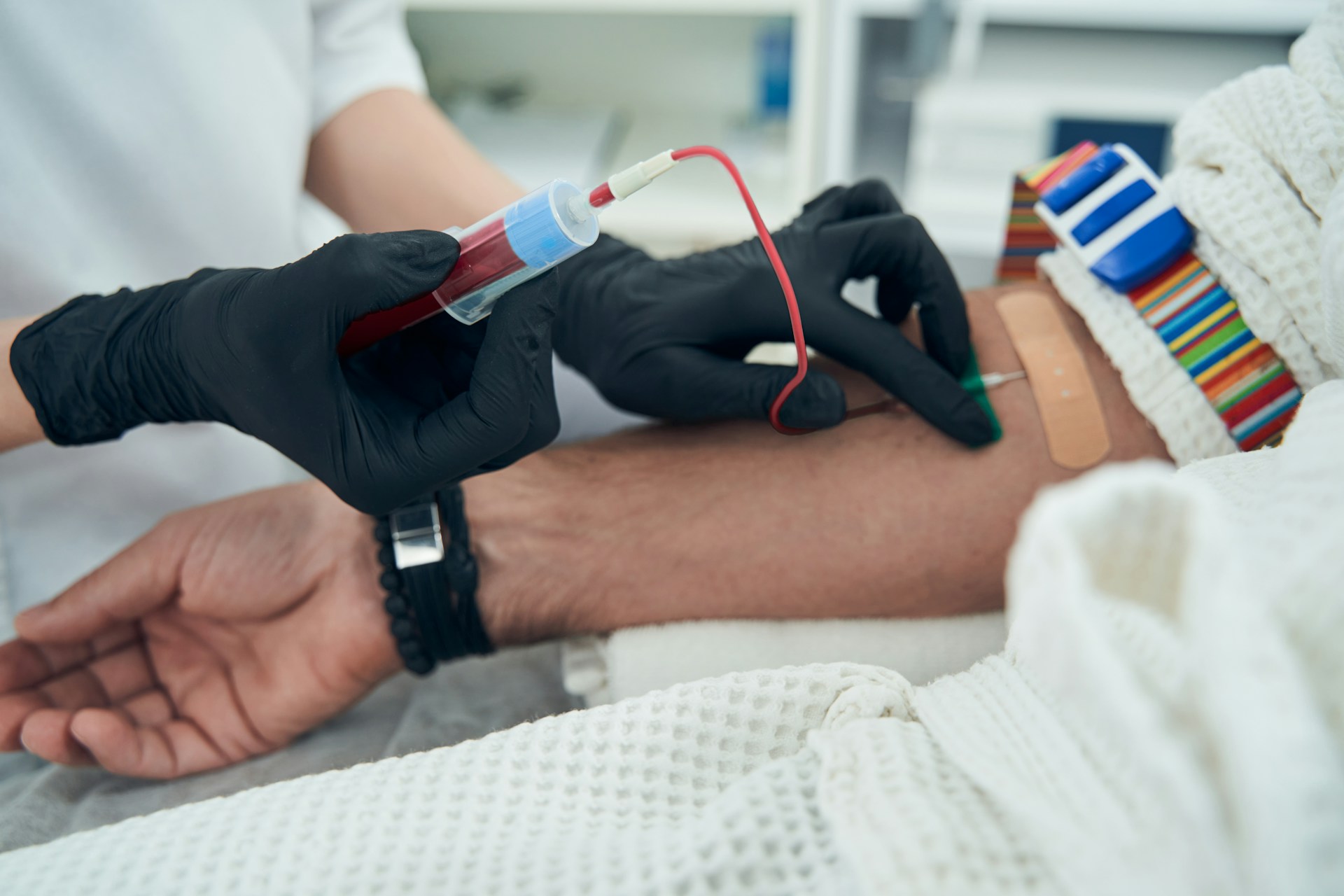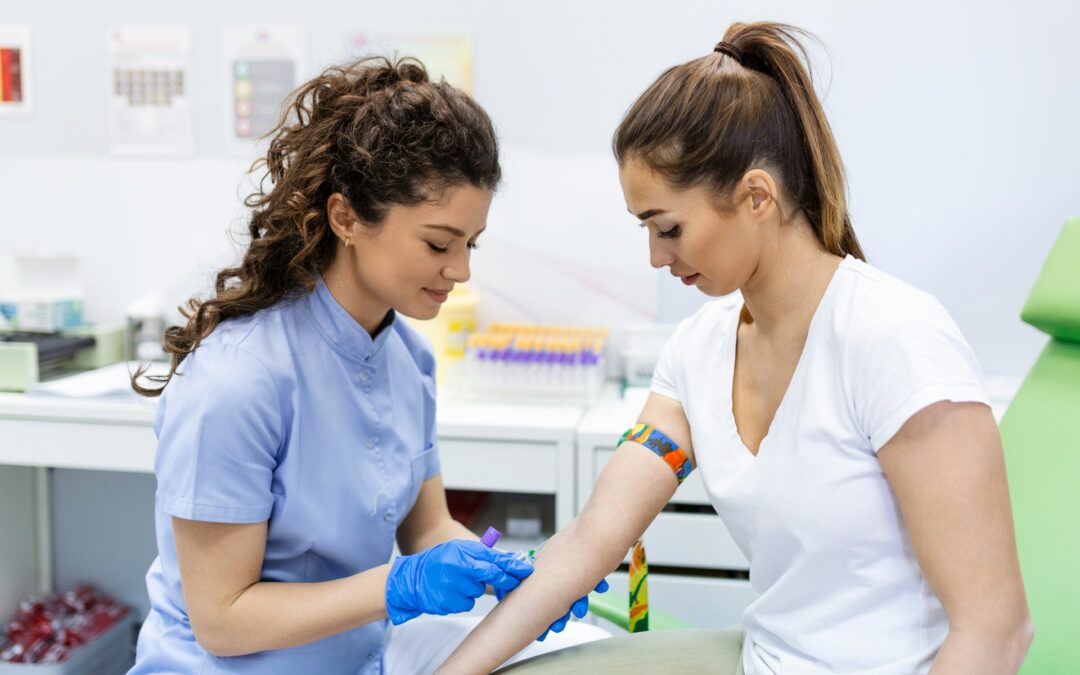
Drawing blood from small, fragile, or hard-to-find veins is a task that even experienced professionals can find tricky. It takes a steady hand, patience, and the right technique to avoid discomfort and delay. This challenge becomes even more common during the colder months when veins are less visible and patients may be a bit more tense. In senior care and home health settings throughout Roswell, GA, where patients may be older or have chronic conditions, preparing for these situations is part of good care plan development. Knowing how to work with less visible veins saves time and builds trust with patients.
Why Some Veins Are Harder to Find
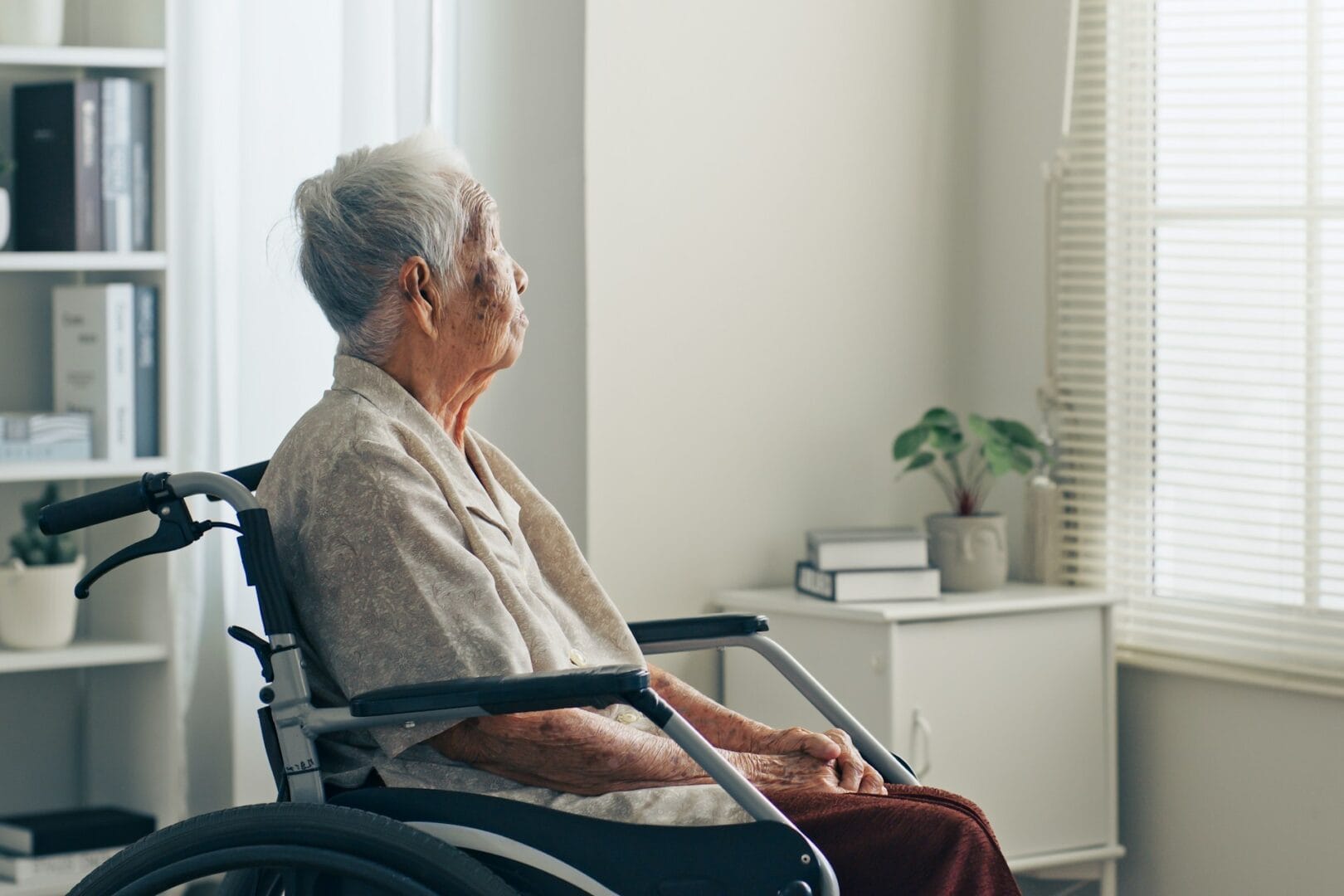
Not every patient presents an easy draw. There are many reasons veins can be difficult to see or feel. Age is one of the biggest factors. As people get older, their veins can lose elasticity and become smaller or more fragile. Thin or aging skin can also make it harder to secure a hold.
Certain health conditions make veins harder to locate. Dehydration, which is common in colder weather, often causes veins to shrink. Cold temperatures can cause veins to retreat deeper under the skin, making them harder to access.
Some groups have a higher risk of difficult draws. These include seniors, individuals undergoing treatment for chronic illnesses, and anyone with low blood pressure. In settings like assisted living or at-home care in Roswell, GA, we often face these scenarios, especially during winter when hydration is lower and warmth is harder to maintain.
Tools and Supplies That Make a Difference
Having the right supplies on hand can make a tough draw much easier. These items make our work smoother and improve the experience for the patient too.
• Use smaller gauge needles to lower the chance of damaging the vein. They create less pressure and are usually more comfortable for the patient.
• Warming gloves or pads can gently increase blood flow and help veins rise closer to the surface. A few minutes with a warm towel can work well.
• Good lighting is important. Whether in a clinic or someone’s home, having a portable light to help see the vein can make a big difference. Positioning the arm correctly can also change what we see and feel.
We should not forget the value of calming the space. A quiet and relaxed environment helps both the patient and us focus.
Techniques That Can Lead to Easier Access
Sometimes it is not just the tools, but how we use them. A few small changes in technique can improve the success of a blood draw on the first try.
• Anchor the vein using gentle pressure with your thumb while avoiding a firm grip that could collapse the vein.
• Try using a butterfly needle, especially for hand veins or veins close to the surface. These allow for more precision in smaller spaces.
• Avoid fishing for the vein. If the first stick is not right, pulling the needle back and redirecting can cause more harm than good. When in doubt, step back and reassess.
Patience helps a great deal. Slowing down, asking the patient to relax, and staying steady can reduce the chance of missing the vein or causing discomfort.
Patient Comfort and Communication
Even in difficult situations, how we talk to and care for the patient has the biggest impact. Drawing blood might be a routine procedure for us, but it is often stressful for the patient.
• Let the patient know what is happening before each step. This helps them stay calm, and builds trust.
• Ask if they have had better luck with one arm over the other. Patients often know their own bodies better than anyone.
• Watch how they react. If they flinch, freeze up, or become quiet, stop and ask how they are doing. Making a small adjustment to ease their discomfort is worth the time.
When patients feel included in their care, they are more likely to stay calm and follow directions. A kinder approach leads to smoother draws, no matter how tricky the vein.
When to Ask for Help or Re-Evaluate
It is better to stop and ask for help than to keep trying and risk injury or a bad experience. This does not mean giving up. It means recognizing that blood draws on some patients may need extra hands or a better setting.
• If the vein continues to roll or blow, it is ok to hand it off to someone else who may have more success.
• Document the problem in the patient’s chart. This helps with future care plan development and gives the next provider a heads-up.
• Some days, it is just not the right time. Cold skin, high anxiety, or dehydration may be enough reason to wait and try again later.
Knowing when to adjust our plan is part of working smart and safely.
Building Skills with Allied Health Training
Developing effective phlebotomy skills is one part of our broader Allied Health certification programs, which include CNA, CMA, and phlebotomy training. These specialized programs help caregivers and healthcare staff master clinical techniques, policy development, and compliance, ensuring best practices in blood draws and patient care.
We support teams across the Atlanta metro area by delivering facility audits and compliance training. This means organizations benefit from hands-on instruction, real-world guidance, and continuous improvement in clinical and administrative routines.
Staying Confident with Every Draw
Difficult draws can test patience, but the more prepared we are, the better they go. Keeping a calm mindset and using our knowledge can help avoid frustration.
We have learned that with the right tools, strong communication, and respectful handling, even small or hidden veins become more manageable. Staying steady, being kind, and knowing when to slow down makes each draw less stressful and more successful. When we carry these habits into our daily work, we help create a smoother day for both the caregiver and the person on the other end of the needle.
At DuMonde Management & Consulting, we know that thoughtful planning makes a real difference when caring for seniors and those with special health needs. Whether your team supports home care patients after a tough draw or manages daily routines in long-term care, keeping strong records helps prevent setbacks. Every detail should be clear and useful for guiding future care. When your staff is ready to improve handling of patient details and follow-up, we can help you strengthen your approach to care plan development. Please start a conversation with us today.