Phlebotomy training is a smart way to step into healthcare and learn a focused, hands-on skill. When you walk into a real lab, you are not just learning how to draw blood; you are learning how to care for people, follow safety rules, and work as part of a team. That is exactly what new students find inside the phlebotomy lab at DuMonde Management & Consulting in Roswell, Georgia.
Many learners start phlebotomy classes at the beginning of the year so they can be ready for spring and summer hiring. As healthcare facilities add staff and cover vacations, trained phlebotomists are often in demand. We want to help you see what actually happens inside our lab so you can decide if this path feels right for you.
Step Inside a Real-World Phlebotomy Training Lab
On a clear winter morning in Roswell, new students arrive a little early, coats zipped up, coffee in hand. They walk into a bright classroom, hear the soft hum of lab equipment, and see rows of practice arms, tubes, and carts ready for the day. There is a mix of nerves and excitement in the air, because many are starting their first healthcare class.
Healthcare settings of all types need trained phlebotomists, from clinics and labs to long-term care and rehab centers. Starting phlebotomy training early in the year can put students in a strong spot when facilities begin planning schedules for the warmer months. Our goal is to show you what you can expect from your first day in the lab until your final skills check, so you feel clear and confident about registering for class.
What Makes DuMonde’s Phlebotomy Training Different
DuMonde is both a healthcare consultancy and a training center, and that shapes how we teach phlebotomy. We work with care organizations on operations, staffing, and workflow, so we see each day what employers want from new team members. We bring that real workplace focus straight into the classroom and lab.
Our classes are kept small so students can ask questions, get close to every demonstration, and receive one-on-one coaching during lab practice. Instructors are active in healthcare or consulting, so they share the current methods and expectations that are used in real facilities.
Instead of focusing only on how to get blood into a tube, our phlebotomy training is built around everyday work situations. Students learn how to:
- Follow a lab schedule
- Communicate with nurses and providers
- Work with patients who feel nervous or unwell
- Stay calm when things get busy
By the time they finish, students are prepared to step into a care team and pull their weight from the very first shift.
First Day in the Phlebotomy Lab
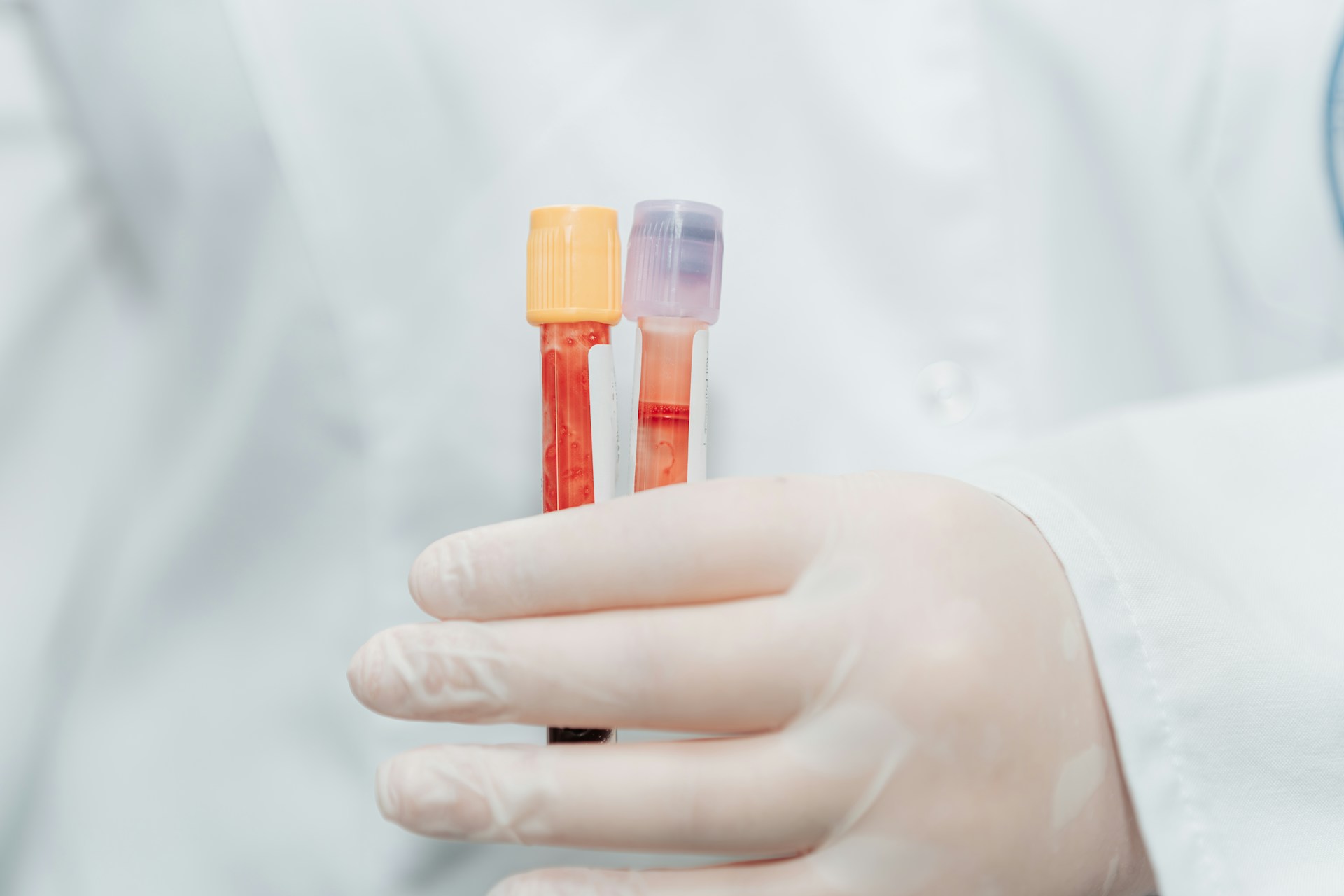
The first lab session starts with an orientation to the space. Students learn where supplies are stored, how to read labels on collection tubes, and where sharps containers and biohazard bins are placed. We point out tools like Vacutainers, tourniquets, gloves, alcohol pads, gauze, and specimen labels, and explain how each item fits into a safe blood draw.
Before anyone goes near a needle, we build a strong base. Students practice:
- Proper hand hygiene
- Correct use of personal protective equipment
- How to greet and identify a patient
- How to match orders to the right person and test
These steps are repeated again and again so they become habits, not something students have to stop and think about every time.
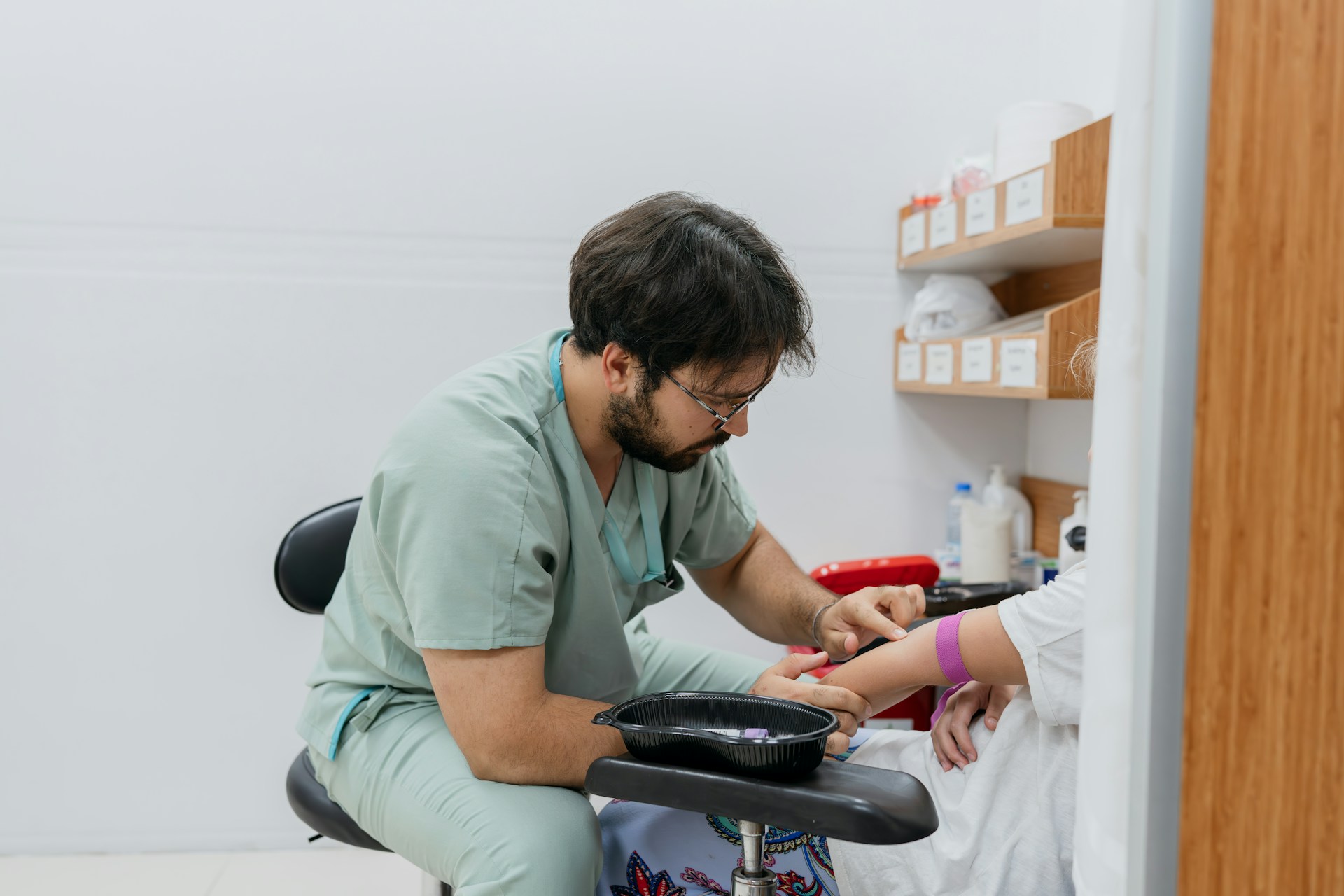
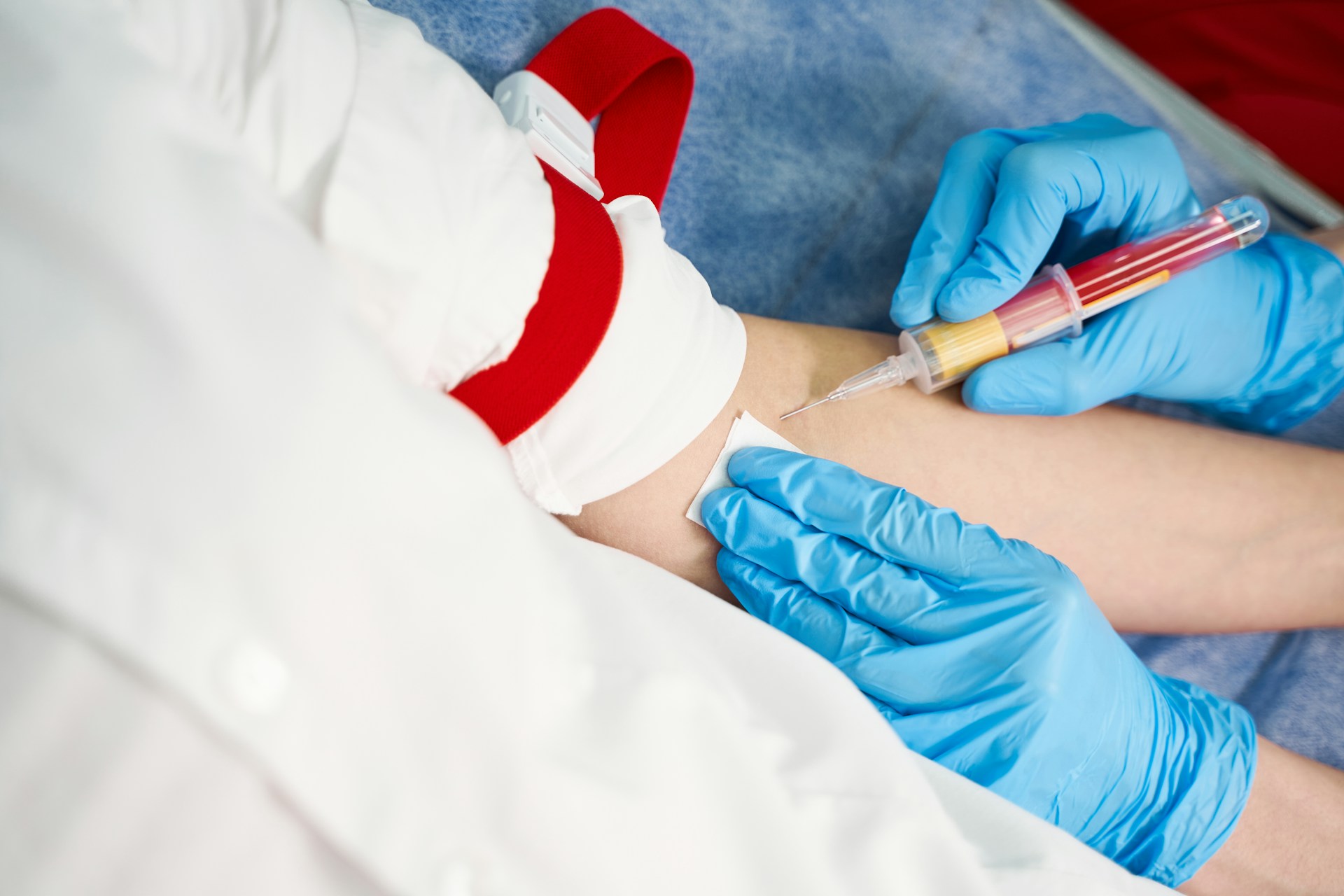
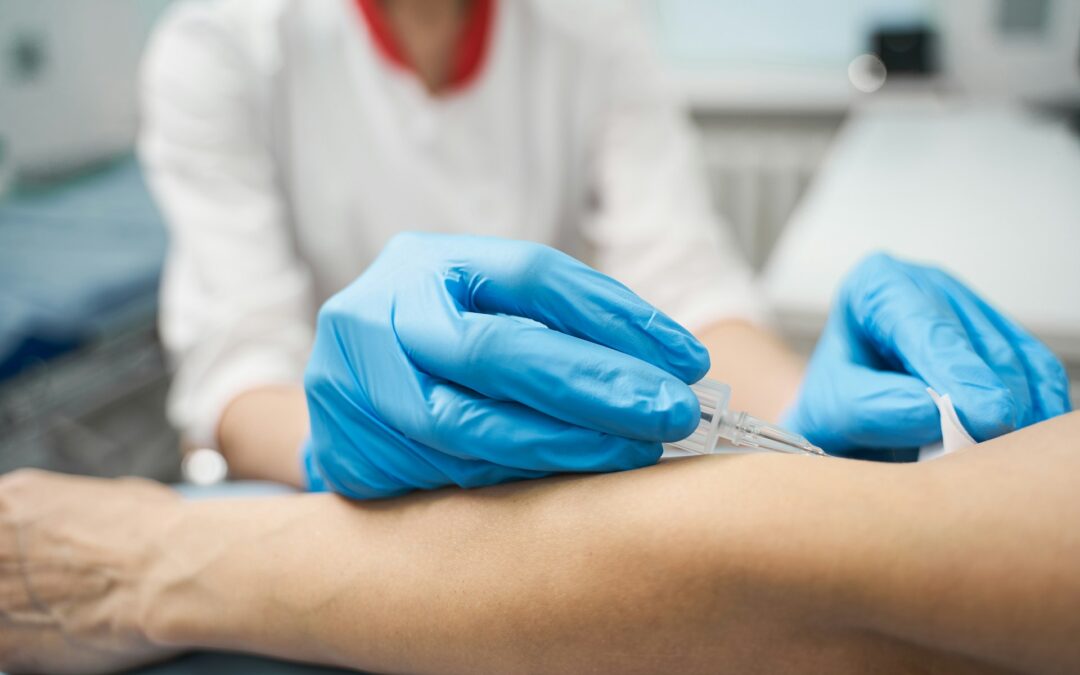
After that, instructors walk through venipuncture and finger sticks step by step. We show the angle of the needle, how to anchor the vein, how to release the tourniquet, and how to dispose of sharps safely. Students first practice on training arms and other simulation tools so they can get comfortable with the motions. Only when they show good technique do they move on to carefully supervised practice on peers who consent.
Hands-On Skills That Build Real Workplace Confidence
Phlebotomy training needs to feel real, so our lab focuses heavily on hands-on work. Students learn how to locate veins in different types of arms, choose the correct needle size and collection tubes, and adjust when a draw is not going as planned. We talk about how to prevent problems like hemolysis, how to respond if a patient feels faint, and what to do if a sample needs to be recollected.
Technical skills matter, but communication skills are just as important. During practice, students work on how to:
- Explain each step in simple language
- Reassure anxious or fearful patients
- Respect personal space and privacy
- Stay calm and polite under pressure
We also focus on workflow and time management. Students are shown how to set up their tray, group supplies by task, handle multiple orders at once, and double-check labels before leaving the room. These habits help meet lab and facility standards and reduce the chance of errors.
Inside a Typical Phlebotomy Lab Session
A normal phlebotomy lab day has a clear rhythm. We start with a short review of the last lesson, including a chance to ask questions and go over any tricky steps. Then the instructor demonstrates a skill or scenario for the group.
After the demo, students work in pairs or small groups while the instructor moves around the room, watching technique and offering pointers. Each student has a skill checklist so they can see what they have mastered and what still needs practice. Repetition is built into every session so students can perform multiple supervised draws and learn from mistakes in a safe setting.
We also add realistic practice scenes, such as:
- Early morning “rounds,” where students move from one “patient” to the next
- Mobile phlebotomy style setups, where supplies must be carried and tracked
- Busy clinic flow, where students practice staying organized under time pressure
These sessions help students connect what they learn in class to what they will face in a real healthcare job.
Safety, Professionalism, and Patient Care Standards
Safety is at the center of every phlebotomy lab activity. We review proper sharps handling, safe distance when uncapping and recapping devices, and correct use of sharps containers. Students are taught how to handle and dispose of biohazard materials and how exposure control plans work in healthcare settings, along with guidance based on CDC and OSHA standards.
We also show students how to protect both themselves and their patients through standard precautions and good infection control. That includes wearing the right protective gear, cleaning the site correctly, and knowing what to do if there is a spill, needlestick, or other incident.
Professionalism is woven into each lab. Students practice:
- Keeping voices low in patient areas
- Respecting privacy and modesty
- Keeping information confidential
- Documenting in a clear and accurate way
These behaviors help care teams trust the lab results and feel confident in the phlebotomist’s work.
How Phlebotomy Training Opens Doors in Healthcare
The skills learned during phlebotomy training can lead to entry-level roles in hospitals, diagnostic labs, medical offices, and long-term care facilities around Roswell and the greater Atlanta area. Phlebotomists help keep the care plan moving by collecting samples that providers need for decisions.
For students who already have CNA or CMA training, adding phlebotomy can make them more flexible on the job. It can support cross-training, open doors to different departments, and make it easier to step into new responsibilities when opportunities appear.
Hiring often increases in spring and summer as facilities look for more coverage. Students who begin phlebotomy training early in the year can be ready with fresh skills and recent lab practice when those openings come up.
At DuMonde Management & Consulting, we see each new phlebotomy student as a future member of the healthcare workforce. When they walk into the lab for the first time, they may feel nervous, but by the time they complete their final skills check, they have practiced real techniques, learned professional habits, and built confidence that carries into their first job.
Take The Next Step Toward Your Healthcare Career
If you are ready to build hands-on skills and gain credentials employers value, our phlebotomy training programs can help you move forward with confidence. At DuMonde Management & Consulting, we focus on practical, real-world preparation that supports long-term career growth. Whether you are just getting started or looking to upskill, we will guide you through each step of the process. If you have questions about schedules, locations, or enrollment, contact us today.