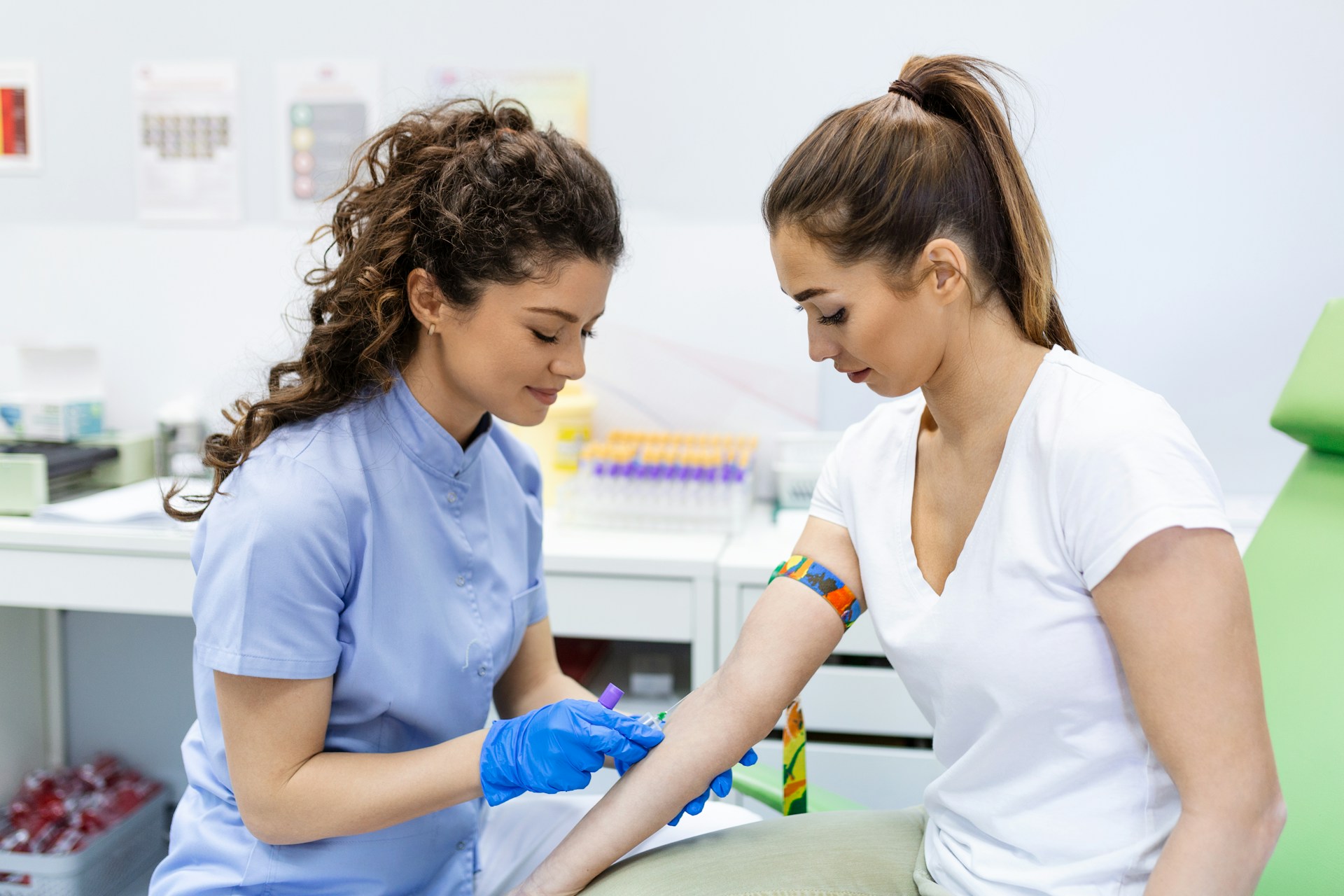
Phlebotomy often gets talked about as a technical skill, but there is more to it than just collecting blood samples. What happens during those few minutes between greeting a patient and finishing a draw can make a big impact. A calm voice, respectful tone, and gentle care can help ease someone’s worries, especially if they are feeling stressed or afraid.
We believe in something we call the “Optimum Care” approach. It means combining excellent training with real compassion. This method is not just about getting the job done right. It is about helping people feel safe, respected, and heard, even during quick, routine procedures. Blending strong clinical skills with empathy supports better care plan development at every level.
The Foundation of Technical Excellence in Phlebotomy
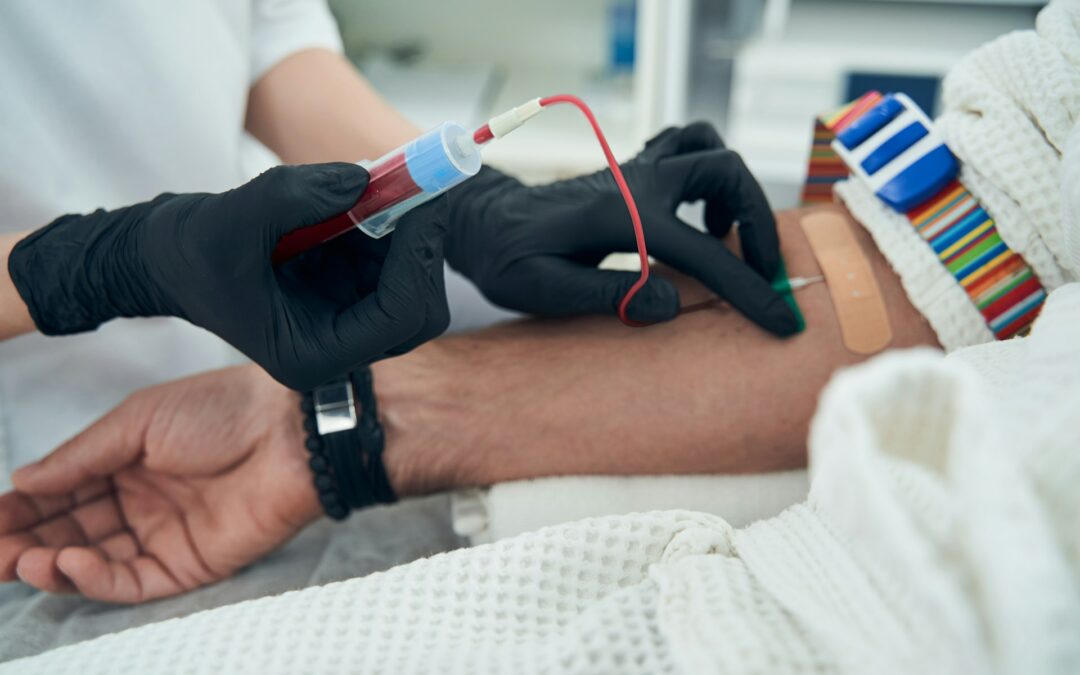
A skilled phlebotomist has to do more than just know where to place a needle. They need to be trained in key areas that keep patients safe and comfortable.
• Understanding proper blood draw techniques for different age groups
• Following safety rules for infection control and needle disposal
• Double-checking patient identification before every collection
Even in fast-moving spaces like urgent care clinics, labs, or home health visits, accuracy cannot be skipped. One small mistake can delay treatment or give misleading results. When we train people to focus on precision, it protects both patients and the rest of the care team from extra stress or repeat work.
As a healthcare training provider, we deliver certified phlebotomy programs focused on safety, accuracy, and patient well-being. Having a clear routine, steady hands, and full awareness of technique makes a difference every day. The work may be brief, but when it is done right, it sets everything else on the right path.
Why Compassion Counts in Patient Care
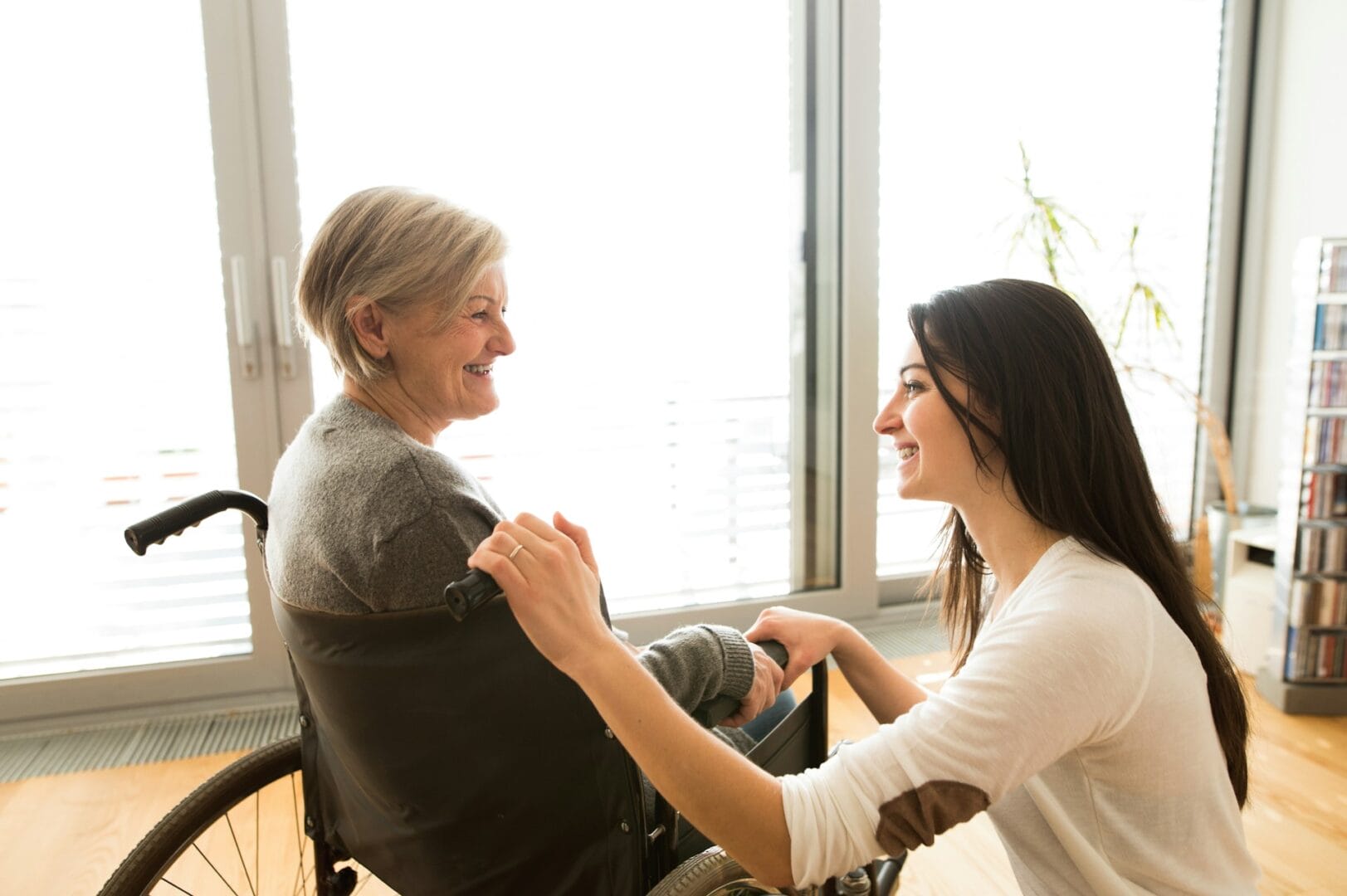
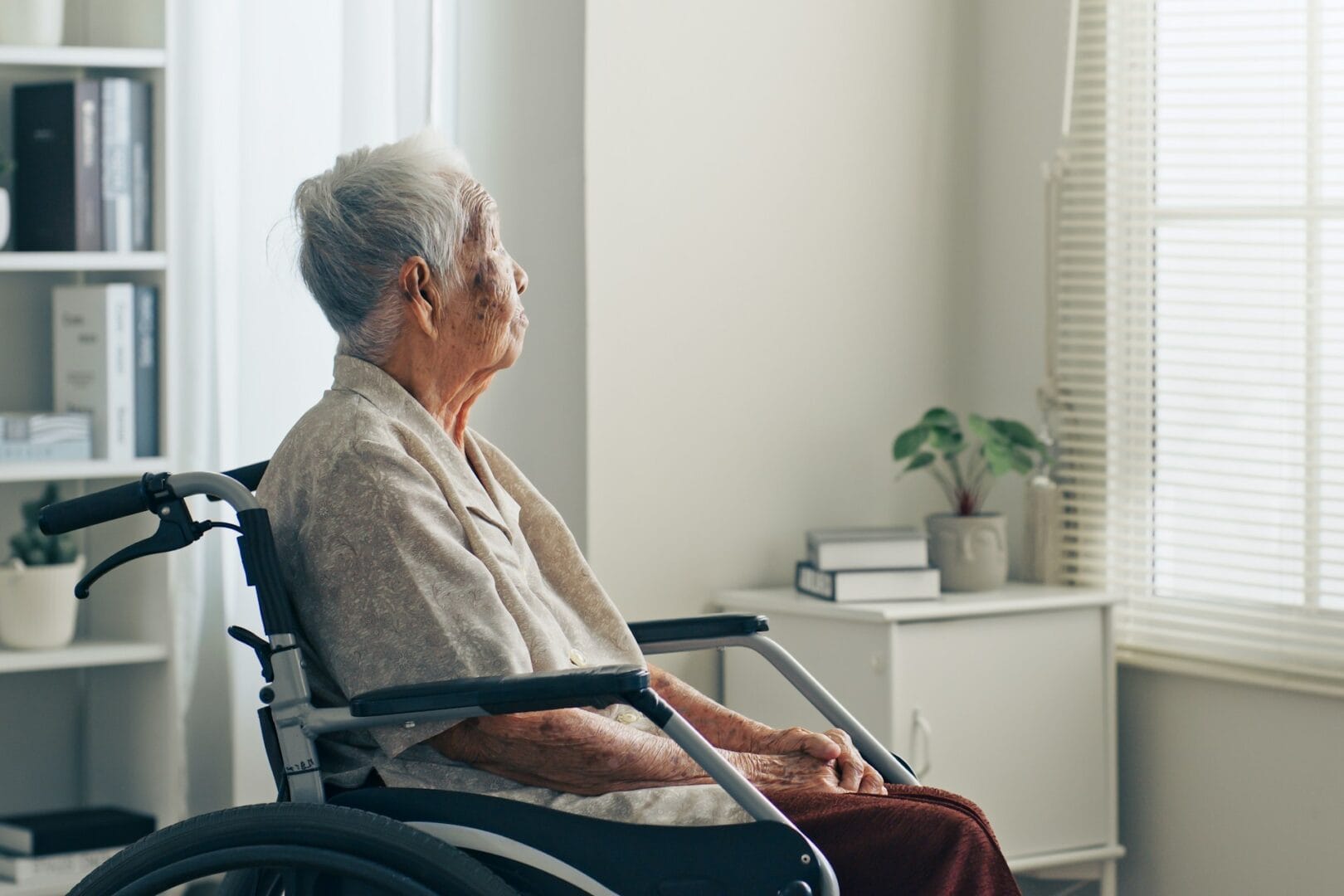
For many people, getting blood drawn feels uncomfortable. Some have had bad experiences before. Others, especially seniors or those with health conditions, may find sitting still or being touched harder than we think.
Small actions matter. A warm hello, making eye contact, or explaining each step in plain language can lower anxiety and build trust within seconds. When a patient knows what to expect and feels listened to, they are more likely to relax.
Compassion can make the difference between a rushed, stressful moment and one where the patient feels supported. It is not just about being kind. It is about helping people feel like they are part of what is happening to them, not just something it is happening to.
Connecting the Dots: The Role of Phlebotomists in Whole-Person Care
Phlebotomists often have the first direct interaction with patients during an office visit or home care appointment. That means we play a key role in gathering not just samples but information that can support care in other ways too.
• Noticing changes in a patient’s mood or behavior
• Seeing signs of confusion, pain, or discomfort
• Gently asking questions that may lead to new insights for the care team
We are not working alone. We are part of larger teams, where our attention to both people and process can help make bigger decisions more informed. When we approach the job with patience and warmth, we are supporting the work of nurses, physicians, and others who rely on accurate results and human insight.
Even a small connection, like a reassuring word from someone drawing blood, can help a patient follow through with future appointments, take their medicine, or speak up about a new concern.
Training that Reflects Real-World Challenges and Needs
Strong classroom learning is only part of what prepares someone for phlebotomy work in the real world. What truly builds confidence in the field is exposure to the situations they will face in places like senior care environments, rehab centers, or home health visits around communities like Roswell, GA.
Training needs to cover both the how and the why. It should reflect what the work actually looks like, especially when supporting patients who have Alzheimer’s or Dementia. These conditions can bring extra layers of communication and emotional challenges. A phlebotomist in this setting has to be patient and flexible. They might need to explain a procedure more than once, read body language closely, or adjust their approach on the spot.
We draw on more than 50 years of combined leadership experience in senior care, home health, and rehabilitation settings. Our phlebotomy curriculum includes practical strategies for supporting patients with special needs, such as those with Alzheimer’s or Dementia. Understanding different care situations, not just the medical side but the person behind the need, is what connects technical practice to whole-health outcomes.
The Long-Term Impact of Blending Skill with Heart
When we bring together clear thinking with a caring mindset, we create healthcare workers who people remember for the right reasons. That confidence shows up in how calmly they respond to surprises, how carefully they prepare each step, and how thoughtfully they handle every patient interaction.
The “Optimum Care” approach is our way of building long-lasting trust, not just between the patient and phlebotomist, but across the full care team. When we care about doing the job well and about the person in front of us, people feel it.
Better technique and stronger empathy lead to safer, smoother visits. Over time, they help strengthen care across whole communities. That is something we carry with pride into every room, every visit, and every patient conversation.
Ready to Strengthen Phlebotomy and Patient Care?
At DuMonde Management & Consulting, we know that skilled phlebotomy connects directly to better outcomes when it supports thoughtful, team-aligned care. That is why we focus on how communication, comfort, and observation all play into strong patient relationships. Each gentle interaction can support clearer conversations, safer visits, and smarter decisions during care plan development. As needs grow in communities like Roswell, GA, we stay focused on real-world solutions that blend skill with connection. Call us today to talk about how we can help support your goals.