At Dumonde Training Center, this is a common decision point for students who want to start in healthcare without losing time on the wrong first step. The confusion often starts when program pages, job titles, and employer expectations use similar language for roles that are not identical in practice.
When that difference is not clear early, students may choose based on title alone. That can lead to a poor program fit, extra time spent retracing steps, or training that does not match the setting they actually want.
CNA vs PCT at a Glance
CNA and PCT both involve direct patient care, but the difference usually comes down to skill scope, training depth, and work environment. CNA training is generally centered on basic bedside care. PCT training often includes that same patient-care foundation plus broader clinical support skills, depending on the program.
That distinction matters because it changes what kind of work a student is preparing for. If the goal is a faster entry into hands-on care, CNA is often a direct route. If the goal is broader exposure from the start, PCT may make more sense.
Quick Side-by-Side Comparison
- Primary focus: CNA focuses on foundational bedside care. PCT usually combines bedside care with added clinical support tasks.
- Typical duties: CNA duties often include bathing, feeding, dressing, mobility support, and vital signs. PCT duties may include those same tasks plus technical patient support, depending on the role.
- Common settings: CNAs are commonly found in long-term care, rehabilitation, and skilled nursing. PCTs are often associated with hospital-oriented settings and broader patient-care teams.
- Training emphasis: CNA training focuses on core patient-care fundamentals. PCT training usually expands beyond those basics.
- Best fit: CNA is often a practical choice for faster entry into care. PCT is often a stronger fit for students who want broader clinical exposure.
Are CNA and PCT the Same?
No. They overlap in direct patient care, but they are not always the same training path or the same role. A CNA usually centers on foundational bedside support, while a PCT often adds a wider set of patient-care skills depending on the employer and program structure.
What a CNA Does
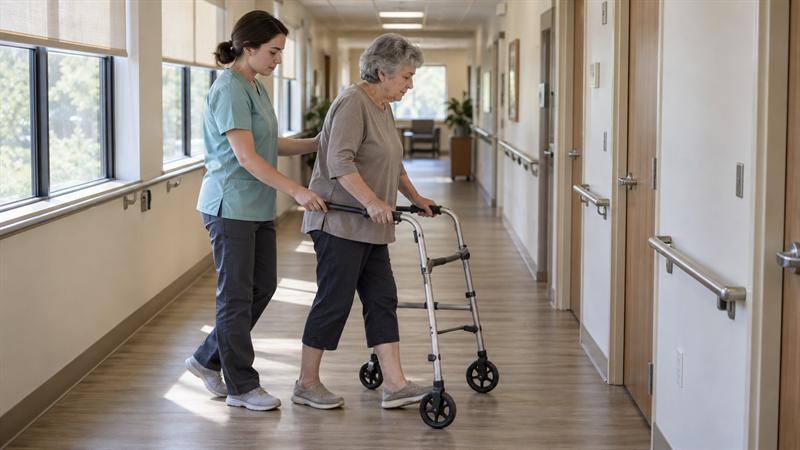
A CNA is an entry-level healthcare role built around daily patient support. The work is hands-on and routine. It usually includes helping patients with basic needs while observing changes and reporting them to nursing staff.
Many students assume CNA work is limited because it is an entry-level role. In practice, CNA training builds habits that direct-care settings rely on every day: consistency, patient awareness, safety, and comfort.
Core Daily Responsibilities
- Helping with activities of daily living such as bathing, dressing, grooming, and feeding
- Supporting mobility, transfers, and repositioning
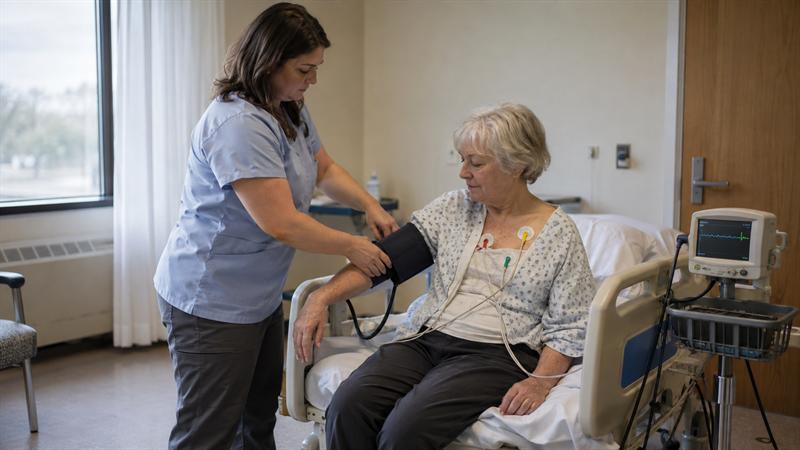
- Taking and recording vital signs
- Observing changes in a patient’s condition and reporting them
- Supporting comfort, cleanliness, and routine care needs
Common Work Settings for CNAs
CNAs are commonly found in long-term care, skilled nursing, rehabilitation, and related care environments where bedside support is a major part of the day. Some hospital and home-care roles also use CNA-level training, but a common pattern is foundational patient support in settings where consistency and routine care matter most.
What a Patient Care Technician Does
A Patient Care Technician also works directly with patients, but the role usually extends beyond basic bedside care. In many settings, PCTs support the same day-to-day patient needs as CNAs while also handling broader clinical support tasks tied to the employer’s workflow.
This is where confusion tends to grow. Readers see “patient care” in both titles and assume the work is interchangeable. In practice, the setting and the training often shape the role more than the title alone.
Core Daily Responsibilities
PCT responsibilities usually include direct patient care similar to CNA work, but the role may also include added clinical support functions depending on the training path and employer.
- Supporting patients with daily care and comfort
- Taking vital signs and observing condition changes
- Assisting with broader patient-care workflows in clinical settings
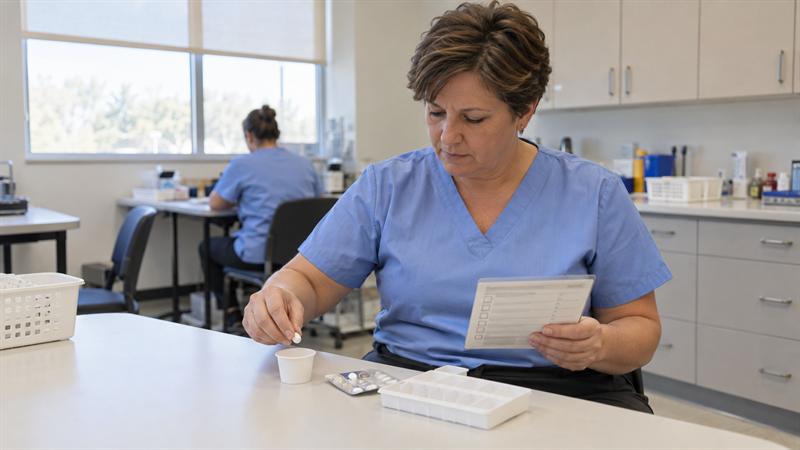
- In some programs or roles, gaining exposure to tasks related to specimen handling, EKG, or phlebotomy support
Common Work Settings for PCTs
PCT roles are often associated with hospital environments, acute care units, and other settings where broader patient-care support is part of daily operations. That does not mean every PCT role looks the same. It means the role is often shaped by the pace and clinical needs of the work environment.
The Biggest Differences Between CNA and PCT
The clearest difference is not the label. It is the combination of skill breadth, training structure, and likely work setting.
Scope of Skills
CNA training focuses on core bedside support and daily-care responsibilities. PCT training usually expands that foundation with broader technical or clinical support skills. If a student wants to get comfortable with direct patient care first, CNA is often a practical starting point. If a student wants broader exposure from the beginning, PCT may align better.
Typical Employers and Care Settings
CNA roles are commonly tied to settings where consistent bedside care is central to the job. PCT roles are more commonly linked to faster-paced care environments that rely on a wider support skill set. That is one of the most important distinctions in this comparison: setting usually matters more than title alone.
If a reader compares programs without thinking about where they want to work, confusion often shows up later. The title sounds right, but the day-to-day work does not match what they expected.
Training Path and Prerequisites
CNA training usually prepares students for foundational patient-care responsibilities first. PCT training may build on those same fundamentals and move into broader support skills. Some schools structure that path in stages, which is one reason many students look at CNA first and then move into PCT-related training.
For readers comparing training options in Georgia, this practical checklist for choosing a CNA training program can help clarify what to look for before enrolling.
If you are noticing any of these signs, the next training decision should be more deliberate:
- You keep comparing titles but still cannot explain the actual day-to-day difference
- You want hospital-oriented work but are only looking at whichever program starts first
- You want to begin working quickly but are considering a broader path you may not need yet
- You are assuming every PCT program teaches the same expanded skills
When those signs show up, it is usually worth slowing down before enrolling, because the wrong assumption at this stage can lead to the wrong program fit.
CNA Training vs PCT Training
Training is where the difference becomes practical. Role titles create confusion, but curriculum shows what a student is really preparing to do. Many new students compare names before they compare skills.
At Dumonde Training Center, students often think they are choosing between two nearly identical programs when they are really choosing between two different starting strategies. One starts with direct-care fundamentals. The other usually extends into broader support responsibilities.
What CNA Training Usually Includes
- Basic patient care and bedside support
- Safety and infection control
- Vital signs
- Hands-on practice tied to foundational care tasks
- Preparation related to required next steps where applicable
CNA training is usually a strong fit for students who need a direct, practical way into healthcare. It builds the habits that matter first: safe patient interaction, consistency, awareness, and comfort with routine care.
What PCT Training May Include
- Foundational patient care skills
- Broader support responsibilities beyond basic bedside tasks
- Program-specific exposure to areas such as phlebotomy, EKG, or specimen-related tasks
- A wider clinical support focus depending on the curriculum
The important distinction is that not all PCT training looks the same. That often affects the value of the program more than the title does. If a student expects broader skill training, the curriculum needs to show exactly where that added depth is built in.
Readers who want a closer look at that pathway can review Patient Care Technician training in Georgia, including roles, settings, and skills to build.
Why Some Students Start with CNA Before Moving into PCT
Many students start with CNA because it is a clear entry point into patient care. It builds comfort with bedside interaction first, and that can make broader clinical training easier to absorb later.
- CNA creates a direct path into foundational care
- That foundation can make added clinical tasks easier to learn
- Students often gain confidence when bedside support comes first
This is one of the most useful distinctions that generic comparison pages miss. Starting with CNA is not a lesser option. It is often a practical sequence.
Which Role May Be Better for Your Career Goals
Most readers do not need more definitions at this point. They need a clear way to decide. The right choice usually comes down to how quickly they want to start working, where they want to work, and how broad they want their first training experience to be.
For readers comparing multiple entry-level healthcare directions, this guide to choosing the right allied health program can help place CNA and PCT into the bigger picture.
Choose CNA If…
- You want a more direct path into basic patient care
- You want to build comfort with bedside support first
- You are aiming for settings where daily care support is central to the role
CNA is often a practical first step when speed, clarity, and foundational care experience matter most.
Choose PCT If…
- You want broader clinical support exposure from the start
- You are especially interested in hospital-oriented environments
- You want training that goes beyond the core bedside-care foundation
PCT is often a strong fit when a student already knows they want a wider support role and is choosing programs based on actual skill depth, not just the title.
If You Plan to Continue Into Nursing or Another Allied Health Field
Either path can support future growth in healthcare, but they do it differently. CNA usually builds patient-contact confidence and direct-care habits first. PCT usually gives broader early exposure to clinical support tasks. The better starting point depends on whether the student needs a faster launch or a wider base from day one.
Questions to Ask Before Enrolling in Any Program
Before choosing either path, students should stop comparing labels and start comparing structure. This can help prevent a common mistake: enrolling in a program that sounds right but does not prepare them for the setting they actually want.
- Does the program include meaningful hands-on practice?
- What specific skills are included in the curriculum?
- What kind of role is the training preparing you for?
- Does the schedule fit your actual availability?
- Does the program clearly explain its next-step preparation?
Credentialing and Exam Preparation
Students need to know what the program is preparing them for before they enroll. If that is unclear, confusion can show up later when they realize the training did not match the next step they expected.
Clinical Hours and Hands-On Practice
Hands-on learning matters because direct patient care is learned by doing, not by reading descriptions. Programs that do not build confidence in real patient-care tasks can leave students feeling less prepared when expectations increase.
Whether the Curriculum Matches Local Employer Expectations
This matters more than many students realize. Titles vary, but employers still expect specific skills. If the training does not match the type of setting the student wants, that mismatch can show up quickly during the job search.
Key Takeaways
- CNA and PCT overlap in direct patient care, but they are not the same training path.
- CNA is usually the foundational route for students who want a direct start in bedside care.
- PCT may offer broader support training, which can change the likely work setting and role expectations.
- The best choice depends on timeline, work environment, and how much skill breadth the student wants at the start.
- Comparing curriculum is more useful than comparing titles alone.
Conclusion
The real issue is not just understanding the difference between CNA and PCT. It is choosing a path based on titles instead of training structure, work setting, and long-term fit. That can lead to the wrong starting point, slower progress, and training that does not line up with the role the student actually wants.
At Dumonde Training Center, clear guidance matters at this stage. Students who understand whether they need foundational bedside training first or broader clinical support from the beginning are better positioned to make informed decisions. If the goal is to choose a path that fits the work you want to do, Dumonde Training Center can be a practical next step because the decision benefits from role clarity, training clarity, and a realistic view of where each path may lead.
Dumonde Training Center’s Approach
Dumonde Training Center approaches this decision as a training-fit question, not a title question. That matters because students often move forward more confidently when they choose based on the kind of work they want to do and the kind of foundation they need first.
Some students assume they need the broadest title available right away. In practice, the better move is often the path that gives them the right level of patient-care readiness for their current goal. That is why Dumonde Training Center emphasizes clear program fit, practical skills, and a training path that matches how healthcare roles often develop.
FAQ
Is a patient care technician the same as a CNA?
No. The roles overlap because both involve direct patient care, but they usually differ in training depth and skill scope. A CNA is generally focused on foundational bedside care, while a PCT usually includes that same care foundation plus broader clinical support tasks depending on the program and employer.
The part people often misunderstand is that the title alone does not explain the real difference. The more useful comparison is what the student is trained to do and what type of setting that training supports.
Is PCT higher than CNA?
Not in a simple rank-order sense. PCT is usually broader, not automatically higher. The difference is usually about added scope, not status.
That distinction matters because students sometimes chase the broader title when what they really need is a faster, more direct entry point into patient care. If the immediate goal is to start working in foundational care, CNA is often the more practical route.
Do you need CNA training before becoming a PCT?
Sometimes the path is structured that way, and sometimes the training is packaged differently, but the logic is similar: bedside-care fundamentals often come first. That is one reason many students start with CNA-level training before moving into broader patient-care technician skills.
What matters most is whether the program clearly shows what foundation is included and what additional skills are being added. If that is vague, students usually end up comparing labels instead of real preparation.
Which is better for hospital work, CNA or PCT?
PCT is often a stronger fit for hospital-oriented goals because the role is usually tied to broader clinical support in faster-paced environments. CNA roles can also exist in hospitals, but PCT training often lines up more directly with settings that expect a wider support skill set.
The key factor is not the title by itself. It is whether the training matches the kind of unit, pace, and patient-care workflow the student wants to work in.
What skills does a PCT learn that a CNA program may not include?
A PCT program may include broader clinical support skills beyond core bedside care. Depending on the curriculum, that can include exposure to areas such as specimen-related tasks, EKG-related work, or phlebotomy support.
The important point is that this added depth is not automatic across every program. What changes the decision is whether the curriculum clearly includes those expanded skills and whether they are relevant to the setting the student wants.
How do you choose between CNA classes and PCT training?
Start with three factors: how quickly you want to begin working, what setting you want to work in, and whether you want broader clinical exposure from the start. CNA usually makes sense for direct entry into foundational patient care. PCT usually makes more sense for students who want a wider support role from the beginning.
The decision gets clearer when the student stops comparing titles and starts comparing outcomes. The best choice is the one that matches the work they want next, not the label that sounds broader.