
LATEST BLOG
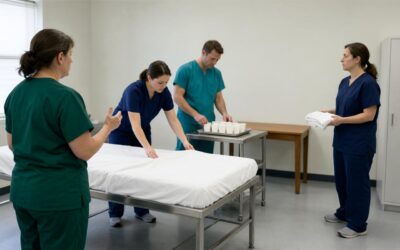
Choosing Your Allied Health Career in Georgia: CNA, CMA, PCT, Phlebotomy, Pharmacy Tech, and Dietary Aide Compared
Six entry-level allied health roles in Georgia—CNA, CMA, PCT, phlebotomist, pharmacy tech, and dietary aide—offer distinct paths in care settings. Each role has structured training, defined tasks, and operates under licensed supervision, but their daily work varies from bedside support to lab procedures and food service.
Training lengths differ by scope: CNA takes three weeks, CMA runs 2–5 days, and phlebotomy requires 80 total hours. Pharmacy tech and dietary aide programs also vary, but all focus on precision, process, or operations. For example, a CNA helps with daily living tasks, while a phlebotomist handles blood collection with strict technique and safety standards.
Your choice depends on what you see yourself doing daily. Direct care roles like CNA or PCT involve more hands-on patient interaction. Technical roles such as phlebotomy or pharmacy tech demand attention to detail and procedure. Dietary aide work stays behind the scenes, centered on meal service and food safety.
Pick the role that matches your daily work vision. Contact us for schedules, program details, or to discuss which training aligns with your goals.
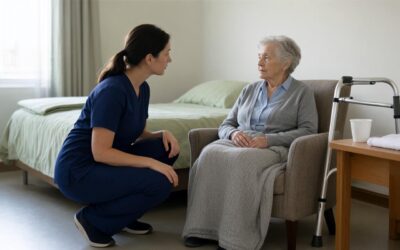
What Does a CNA Do in Georgia? Roles, Work Settings, and Daily Responsibilities
Certified nursing assistants in Georgia provide direct care under nurse supervision, focusing on observation, assistance, and clear reporting. The role follows strict state guidelines, ensuring tasks stay within defined limits to protect both residents and caregivers.
You’ll handle vital signs, personal care, meal support, mobility help, and detailed documentation. These duties repeat daily but shift in pace depending on the setting—nursing homes, hospitals, home health, or staffing agencies. Understanding your responsibilities and when to hand off to a nurse is key to steady, reliable care.
Training covers hands-on skills like lab procedures, safety protocols, and restorative care, all aligned with CNATP standards. Our program in Roswell includes classroom and lab work, preparing you for the NNAAP exam and State Nurse Aide Registry. We’ve trained over 200 students in two years with instructors bringing 50+ years of combined experience.
If you’re considering this path, ask us about schedules, clinical hours, and exam steps. We’ll walk you through what’s needed to start. Learn more about how the role fits your goals.
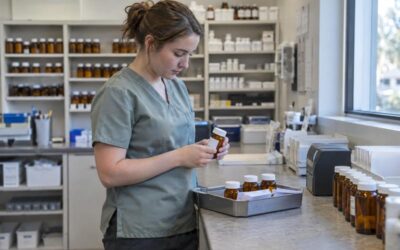
Pharmacy Technician Training in Georgia: Role Overview and Skill Foundations
Pharmacy technician training in Georgia is about more than memorizing drug names. It prepares students for structured pharmacy work around prescription intake, labeling support, inventory tasks, and clear communication.
The role depends on accuracy and consistency. Students who do well usually like clear steps, repeatable processes, and checking details before moving forward.
At Dumonde Training Center, we help students see whether pharmacy work fits the way they learn. Our training connects pharmacy math, dosage forms, medication safety, workflow rules, and privacy basics to daily task demands.
Read more to compare pharmacy technician training with other allied health paths.
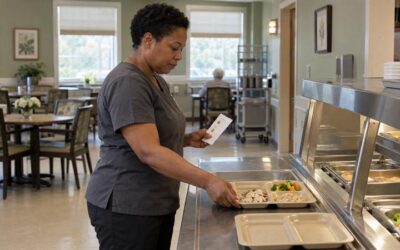
Dietary Aide Training in Georgia: Roles, Settings, and Program Considerations
Dietary aide training in Georgia works best when it prepares students for meal service in care settings, not just basic food handling. The role depends on routine, sanitation, and following diet instructions with accuracy.
Students often focus on the job title first. Day to day, the work connects to facility operations. Aides support portions, tray setup, meal service, kitchen cleanliness, and team coordination. In long-term care, assisted living, rehab, and hospitals, the pace and structure can differ, so expectations change too.
At Dumonde Training Center, we focus on practical job readiness. That means food safety, meal workflow, communication, and the daily routines employers rely on. If you want an entry point into healthcare without starting in direct care, this can fit well with structured tasks and clear responsibilities.
Read the full article for roles, settings, and training choices.
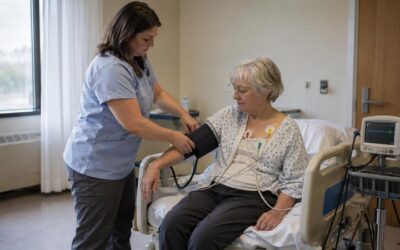
CNA vs Patient Care Technician: How the Roles and Training Paths Compare
CNA and PCT are related, but they are not the same path. Both roles include direct patient care. The difference is skill scope, training depth, and work setting.
CNA training centers on foundational bedside care, such as bathing, feeding, dressing, mobility support, and vital signs. PCT training often adds broader clinical support, depending on the program. Some PCT paths include specimen handling, EKG, or phlebotomy support.
If you want a direct start in care work, CNA may be the better fit. If you want hospital-oriented exposure and a wider support skill set, PCT may fit better. At Dumonde Training Center, we help students match training to the work they want to do.
Read the full post to compare your options.
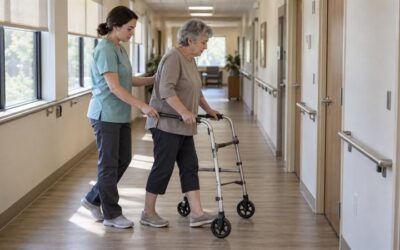
Patient Care Technician Training in Georgia: Roles, Settings, and Skills to Build
Patient care technician training in Georgia is a practical path for students who want direct patient support and hands-on clinical skills. We help students sort out role confusion before they choose a program.
PCT work includes routine care, observation, mobility support, communication, and documentation. The setting changes the daily workflow. Hospitals move faster. Long-term care and rehab settings often have more routine continuity.
A good program builds technical skills and steady work habits. Look for clear role expectations, hands-on practice, prerequisites, and a schedule that fits your availability.
Read the full guide to compare PCT, CNA, CMA, and phlebotomy training.
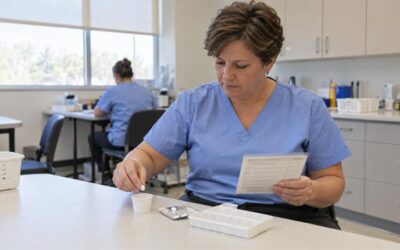
Certified Medication Aide Training in Georgia: What to Expect and How to Prepare
Certified Medication Aide training in Georgia is a next step, not a starting point. It builds on existing care knowledge and asks you to work with more precision, consistency, and attention to detail.
Before enrolling, check your prerequisites, CNA status when required, and program structure. Expect classroom instruction, medication safety concepts, skills practice, checklists, and competency based evaluation. Many training problems start before class begins, so plan your schedule, documents, and review time early.
CMA work is tied to approved care settings, so know where the role is recognized before choosing a path. At Dumonde Training Center, we help you match your readiness to a training plan that fits your healthcare goal. Read the full post to learn more.
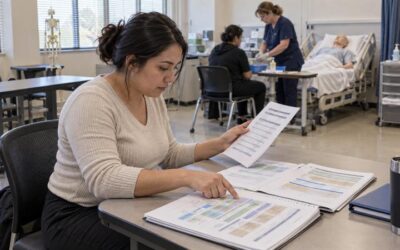
How to Choose a CNA Training Program in Georgia: A Practical Checklist for Students
Tuition and course length alone do not show whether a CNA program is approved or fits your schedule. Check the full commitment before you pay.
Verify Georgia Department of Community Health approval. Match the program name and location. Then separate course completion from competency testing and registry steps. A class end date is not a certification date.
Compare classroom days, lab practice, clinical times, and total costs. Ask what is included, what extras apply, and how instructors observe and correct skills.
Read our CNA program checklist for more details.
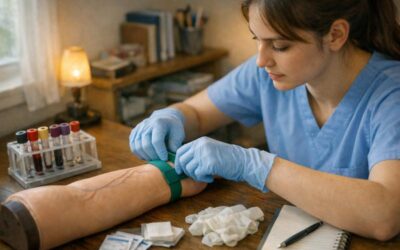
Phlebotomy Practice Kit: What You Need to Train at Home Safely
A phlebotomy practice kit helps you build technique at home without practicing on real people. The key is using it in a structured way. Unstructured practice can reinforce habits that are harder to correct later in supervised training.
A good kit should include a simulation arm, tourniquet, collection tubes, holders, gloves, and prep supplies. Focus on setup, positioning, and sequencing. Many early mistakes come from tourniquet placement and preparation, not just needle use.
At-home practice builds familiarity but does not replace supervised clinical training. Simulation cannot replicate patient interaction or real-time adjustments. If your practice is not improving your confidence, structured training is usually the next step.
Read the full article on our blog.