Quick Answer: Phlebotomy training usually takes a few weeks to a few months, but your full timeline often extends beyond class time. Training is only one part of the process. Exam preparation, certification, and getting hired can add additional time before you start working.
What Most People Mean When They Ask “How Long Is Phlebotomy Training?”
Most people asking this want to know how soon they can start working. The confusion usually starts when training length is treated as the same thing as being job-ready.
A student may finish a short program and expect to start working right away, then realize there are still other steps ahead, such as certification, more practice, and the job search itself.
The full timeline includes enrollment, classroom learning, hands-on training, certification, and hiring. If any of those steps are delayed or incomplete, the process usually takes longer.
If you’re still exploring the full path, this connects closely with steps to start your phlebotomy career in Georgia, which outlines what comes before and after training.
Typical Phlebotomy Training Length (Weeks vs Months)
Most phlebotomy programs take anywhere from a few weeks to a few months. The difference usually comes down to how the program is structured and how often you attend.
- Accelerated programs: completed in a few weeks with full-time attendance
- Standard programs: usually 1 to 3 months
- Part-time programs: longer timelines based on your schedule
A common mistake is choosing the shortest option without looking closely at how skills are taught. That can create slower progress later when it is time to interview and apply for jobs.
Accelerated Phlebotomy Programs
Accelerated programs move quickly and cover the material in a short timeframe. They are often a good fit for students who can focus full-time.
The main tradeoff is pace. When training moves very fast, some students finish the program but still feel unsure performing blood draws. That hesitation can show up during interviews or in the early stages of job searching.
Part-Time and Flexible Programs
Part-time programs spread training over a longer period. This gives students more time to practice and absorb the material.
This is often a better fit for working adults. Many students plan around their schedules, similar to what’s discussed in scheduling phlebotomy clinicals around rotating CNA shifts.
What “Clock Hours” Actually Mean
Phlebotomy programs are often measured in clock hours, usually somewhere between 80 and 200 hours. That number reflects time spent in training, not the full timeline to start working.
- 80 hours full-time: about 2 to 3 weeks
- 120 to 160 hours full-time: about 3 to 6 weeks
- Part-time schedules: several months
This is where many people get misled. Clock hours show how long you are in class, not how prepared you may feel for real patient interactions or employer expectations.
Step-by-Step Timeline: From Enrollment to Employment
Training is only one part of the process. The full timeline includes several stages, and delays often happen between them.
Step 1: Enrollment and Getting Started
This step includes applying, meeting basic requirements, and securing a start date. Some programs begin quickly, while others run on scheduled cohorts.
Delays here can push everything else back.
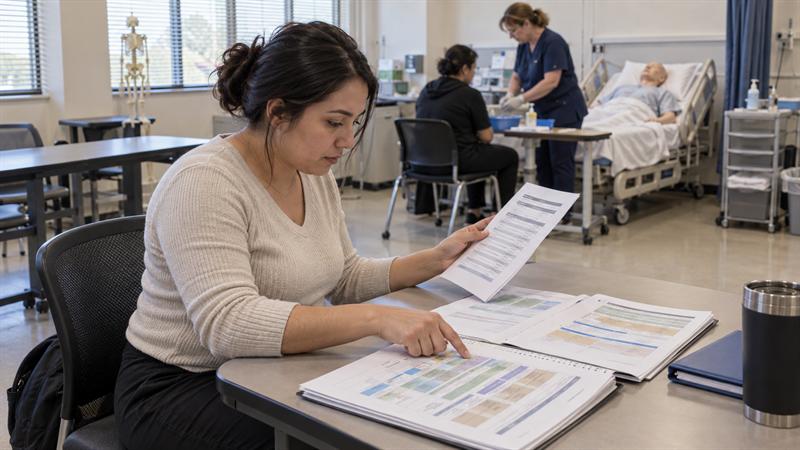
Step 2: Classroom Instruction
Classroom training covers anatomy, safety, infection control, and procedure basics. It builds understanding, but it does not create job-ready skill on its own.
Some students assume they are ready after this phase. In practice, this is the foundation for the hands-on part of training.
Step 3: Hands-On Training and Clinical Practice
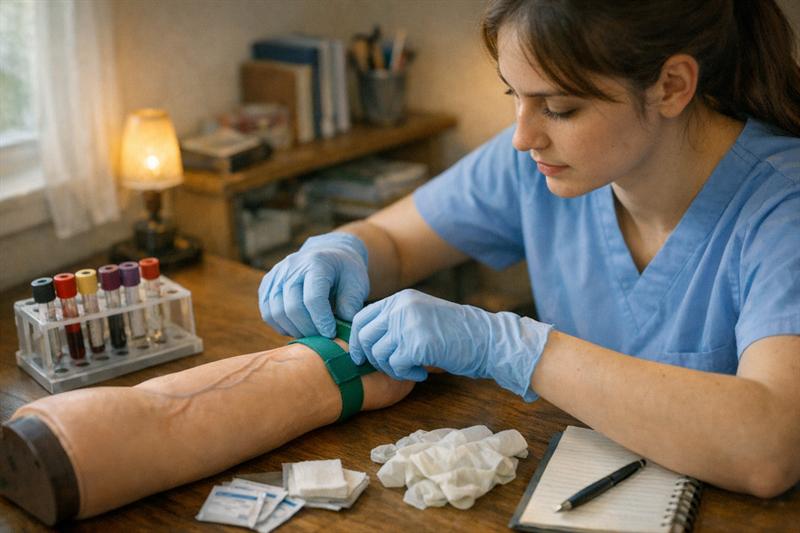
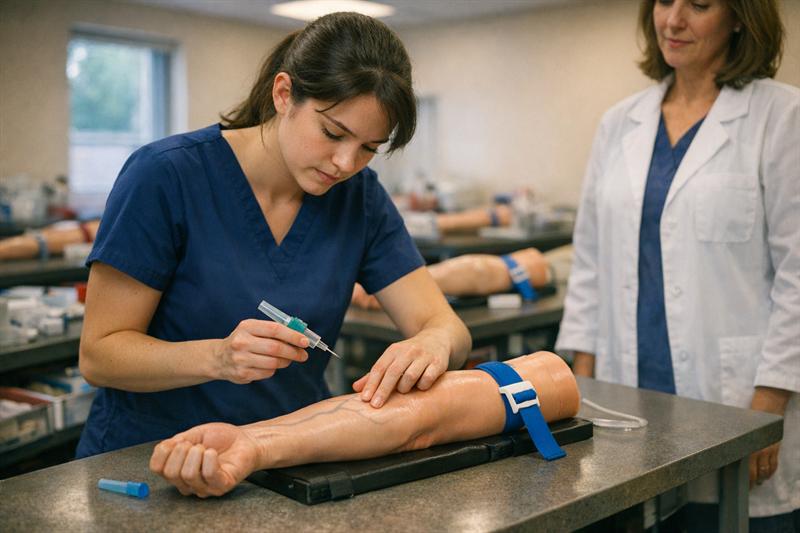
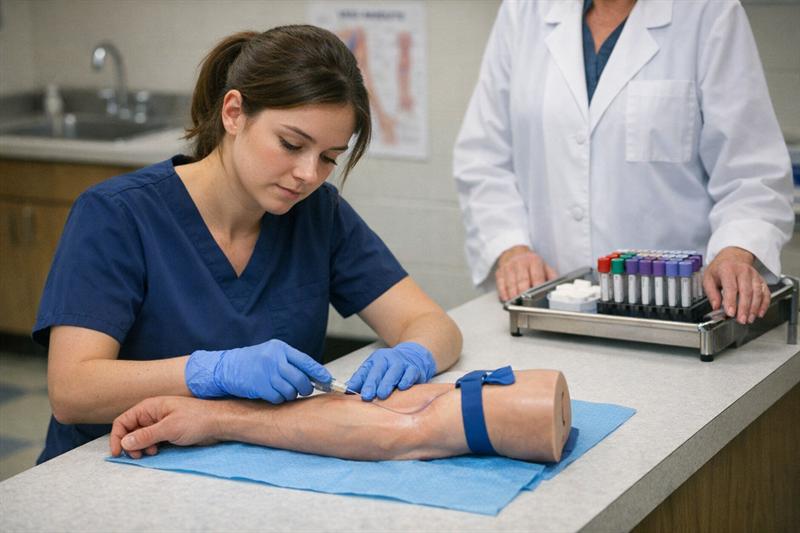
This is where practical progress happens. Students practice venipuncture, build patient communication skills, and work through real or simulated lab situations.
This stage also makes skill gaps easier to spot. Students with limited hands-on repetitions may struggle more with consistency, which can affect confidence during interviews and early job applications.
Early mistakes are part of the learning process, but repeated mistakes can slow progress. Reviewing common mistakes new phlebotomy students make before their first lab can help you prepare more effectively.
Step 4: Certification Exam Preparation
After training, many students spend time preparing for a certification exam. This may include reviewing material, scheduling the test, and completing it.
This step can add time to the overall process, especially if exam preparation is put off after training ends.
Step 5: Job Search and Hiring Timeline
After training and, where applicable, certification, the job search begins. This includes applications, interviews, and onboarding.
This is often where preparation becomes more visible. Students with stronger hands-on experience may feel more confident during interviews, while others may need more time to secure a role.
To understand daily expectations, see what working as a phlebotomist looks like each day.
If any of these points sound familiar, it may be time to look more closely at your training plan:
- You want to start working quickly but do not have a clear timeline
- You are choosing programs based only on speed
- You are unsure how much practice is enough
- You want to reduce delays after finishing training
When those concerns come up, the structure of your training program matters.
What Can Affect How Fast You Finish Phlebotomy Training?
Timelines vary because not all students follow the same path. A few factors tend to make the biggest difference.
Your Schedule and Availability
Full-time availability can shorten the timeline. Limited availability usually stretches it out.
Program Structure and Design
Programs that include hands-on training and exam preparation in a clear sequence tend to keep students moving forward. When those pieces are separated, delays are more likely.
If clinical practice is delayed, confidence can drop and job readiness may take longer to build.
Certification and State Requirements
Requirements vary by location. Some employers prefer or expect certification before hiring, which can add an extra step if it is not planned for in advance.
Local Job Market Demand
In areas like Atlanta and Roswell, entry-level roles may be available, but employers still look for candidates who are prepared. Strong training and practice can help you feel more ready when opportunities open up.
How Phlebotomy Compares to Other Healthcare Training Programs
Phlebotomy is one of the faster ways to enter healthcare compared with longer training programs.
- Phlebotomy: weeks to a few months
- CNA programs: several weeks to months
- Medical assistant programs: several months to over a year
If you are comparing options, this aligns with phlebotomy vs medical assistant career decisions, where timeline and role expectations both matter.
Is Phlebotomy the Fastest Way to Start a Healthcare Career?
It is one of the faster paths, but speed alone does not determine whether a program is the right fit.
Some students choose the shortest option and later realize they needed more hands-on practice before feeling ready to interview or work. When practical training is limited, the overall process can feel longer even if the class itself was short.
The better choice is usually a program that builds real skill while still keeping the timeline efficient.
Key Takeaways
- Phlebotomy training typically takes weeks to a few months
- The full timeline may also include certification and job search
- Hands-on training plays a major role in how prepared you feel for interviews and entry-level work
- Program structure matters as much as speed
Conclusion: Choosing the Right Training Timeline for Your Goals
The question is not only how long training takes. It is also whether the path you choose helps you move from class completion to job readiness without avoidable delays.
When training is too short or lacks structure, students may feel the effects later during certification prep, interviews, or early job applications.
Dumonde Training Center focuses on building both knowledge and hands-on skill so students are better prepared for employer expectations, not just program completion.
If your goal is to move into healthcare without unnecessary delays, the next step is choosing a program that supports the full process, not just the classroom portion.
FAQ
How fast can you become a phlebotomist?
Most people complete training in a few weeks to a few months. After that, exam preparation, certification, and the job search can add time. Programs with strong hands-on training may help students move through the process more confidently.
Is phlebotomy training hard to complete?
It is generally manageable because it focuses heavily on practical skills. The challenge is building consistency and confidence through repetition. Structured practice can make a noticeable difference.
Do you need certification to work as a phlebotomist?
That depends on the employer and your location. Many employers prefer certification, and many training programs help students prepare for certification exams.
How many hours is a typical phlebotomy program?
Many programs range from 80 to 200 hours. The total timeline depends on how those hours are scheduled and how quickly they are completed.
Can you work while taking phlebotomy classes?
Yes. Many programs offer part-time or flexible schedules, which can make it easier to keep working while you train.
How long does it take to get hired after training?
It varies. Some students move into jobs quickly, while others take longer depending on their preparation, local opportunities, and interview readiness. Strong hands-on experience can help shorten that timeline.